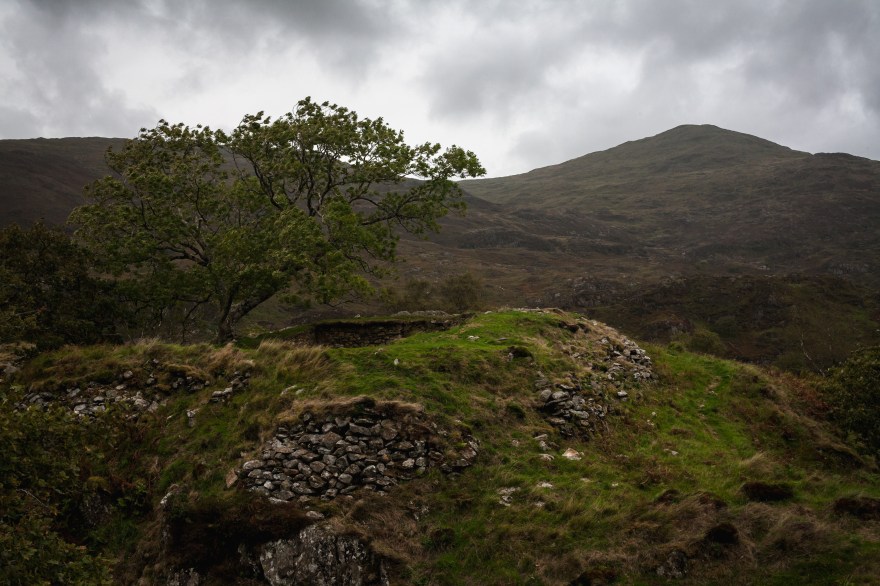
The Red Dragon of Wales is a symbol that has been associated with the country for many centuries. Various Kings, Princes, and armies have marched into battle with the Dragon symbol flying on their banners – there are even accounts of this going as far back to the times of Roman Britain. The extent of its use is so much so that it has even given rise to the claim of the Welsh flag being the oldest national flag to still be in use. Whether the symbol was brought to Britain by the Romans or was a pre-existing symbol to native cultures is unclear, but what is certain is that this mythological creature is, for some reason, deeply entrenched in the cultural history of Wales.
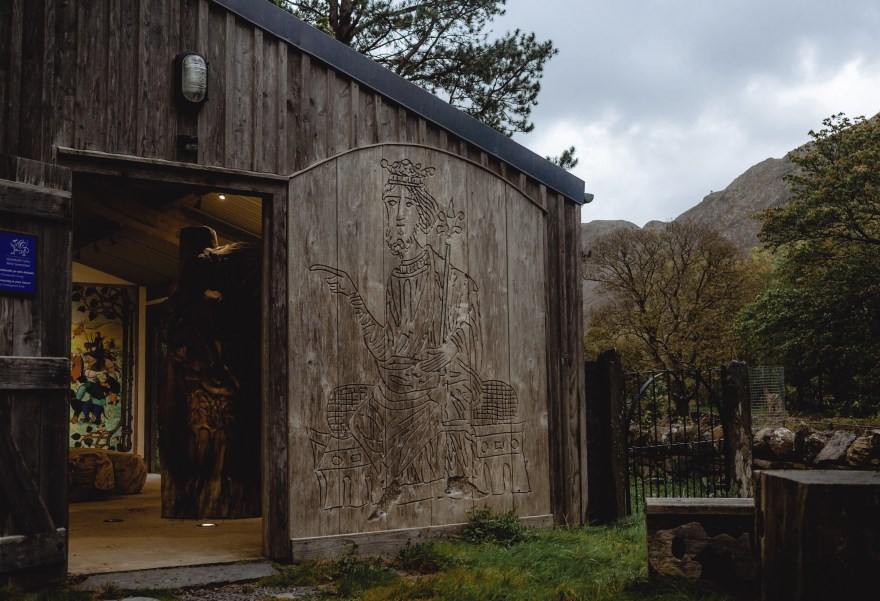
The legend of the Red Dragon has its setting on the rocky and wooded hillock, Dinas Emrys, on the western fringes of the Snowdonia mountains – a landscape steeped in Celtic mythology, Arthurian legend, and mysticism. Atop the small mountain is the ruins of an ancient hill fort that was the supposed location of an exchange between the Brythonic warlord Vortigern and a young Merlin – where Merlin first gives a full account of the tail of the Red Dragon.

But why a dragon? Why a fictional creature that never existed? What links the Red Dragon of Wales to cultures where mythical dragons feature so prominently, such as Eastern cultures? Why are stories of dragons consistently contained within the mythos and legend of almost every existing culture today and almost every culture known to have ever existed?
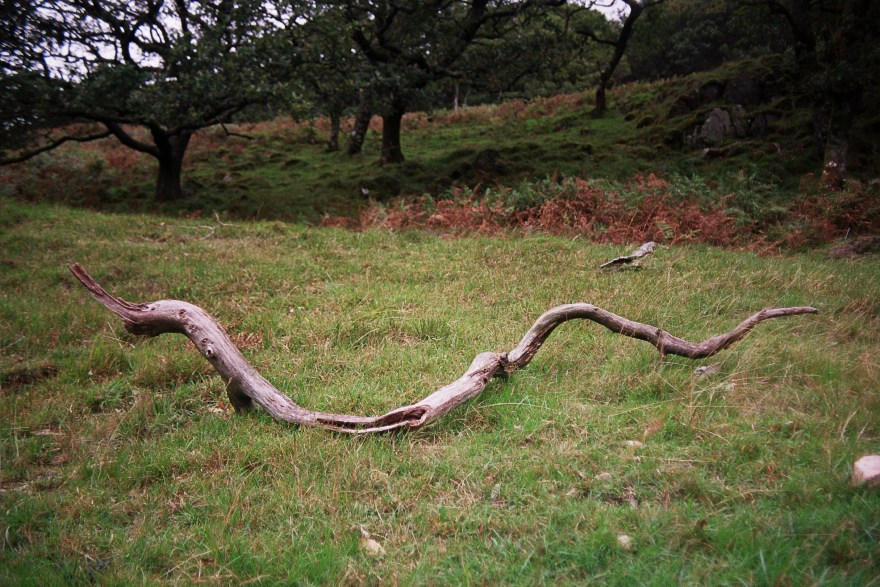
The story of the Welsh Dragon has been passed down through Britain’s most ancient texts, which derived from much older sources. The general narrative is of a white ice dragon causing a perpetual winter on the land, bringing disease, famine, and misery to its people. A sleeping red fire dragon is awoken by this freeze and fights, then defeats, the white dragon – returning the land to normal and saving the people. The earliest written version is found in the story of ‘Lludd a Llyfelys’ from the medieval collection of Welsh prose known as the Mabinogion. In this tale, Lludd and Llyfelys are regarded as the sons of the very first leader of Celtic Britain, and it is the fighting between the white and red dragons that cause a plague. They bring an end to the curse of the dragons by confining them in the ground beneath what later becomes known as Dinas Emrys.
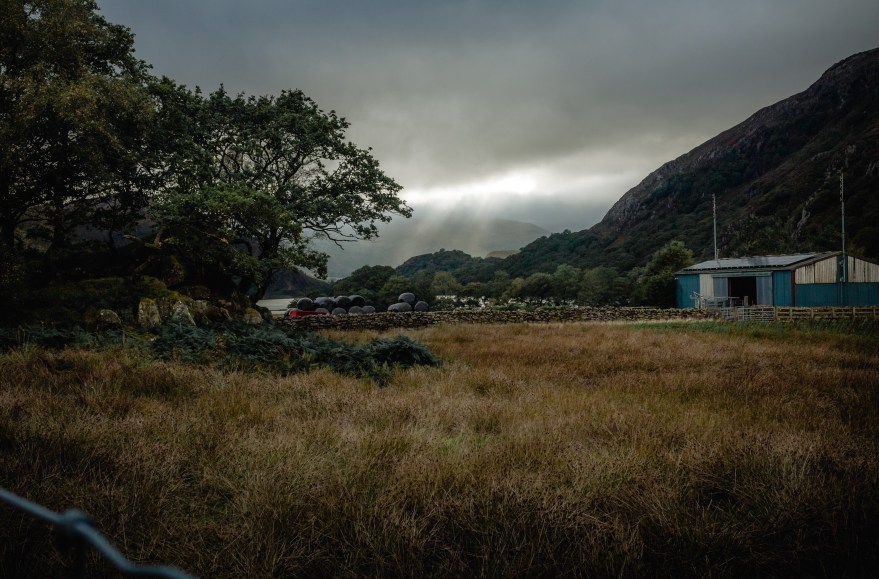
What makes this legend fascinating is the correlation of this Celtic myth with depictions of dragons in virtually every other culture throughout the entire world. Over and over again dragons are associated with apocalyptic events from which humanity emerged.
In China, the earliest depictions of Dragons reach as far back as The Xinglongwa culture (6200-5400 BC) wherein premodern times the dragon is associated with commanding the power water-related weather phenomena, with droughts or floods attributed to this power. In ancient Akkadian and Mesopotamian mythology the dragon ‘Uma Na-Iru’, which translates to the “roaring weather beast”, is associated with stories of a great deluge and the re-beginning of humanity. A similar myth is found in ancient Japanese mythology with Ukasima – a white-scaled dragon that brings misery and devastating climate change to the people and land. This myth even spans throughout Native American cultures, such as found in the Lakota tribe mythology with the stories of Unhcegila or Unktehi – giant horned-serpents that caused great floods and killed many people. Again and again, from the Greeks to Sumerians to the Australian Aboriginals to India, as well as throughout European cultures, this similar mythology of powerful dragons that were able to cause devastating climatic changes is found, with similar details between cultures with seemingly no connection whatsoever to one another.
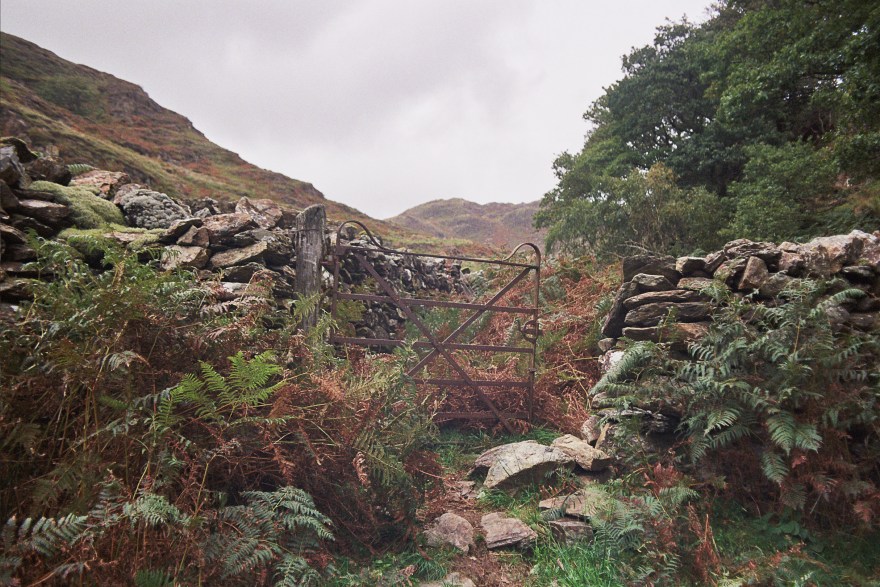 This appears to have little other explanation apart from pointing towards a globally shared experience deep, deep into antiquity where cultures have invariably used the imagery of a great fire-breathing horned sky serpent (or some variation) to describe the cataclysmic effects of its power with some form of a reemergence of humanity from this period of catastrophe.

An explanation for the origin of these myths surprisingly may be found in a very recent controversial scientific hypothesis that is gradually gaining traction amongst scientists known as the ‘Younger Dryas impact hypothesis’. The theory posits that around 12,800 years ago the earth was abruptly plunged into an ice age that lasted approximately 1,200 years before, just as abruptly, the planet began to suddenly warm to the temperatures we experience today. During the cold period, many species became extinct and the ancient peoples of that time would have perished save for those who were able to adapt or migrate to warmer climates where other peoples already inhabiting such places may have also been able to survive. Some researchers attribute the cause of these dramatic changes in climate to a large comet or several pieces of a comet impacting the earth, including on the ice sheets covering North America. Such comets would have caused enormous wildfires that would produce enough soot and debris in the atmosphere that it would be sufficient to block out the sun, plunging the earth into a deep freeze. Melting ice sheets and ocean impacts would also cause huge flooding events globally.
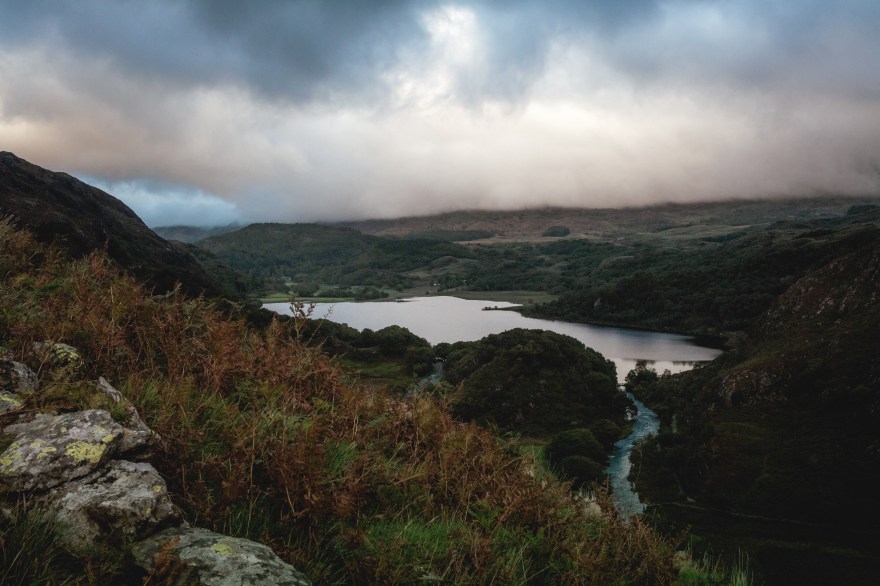
The theory remains highly disputed, but could the sight of huge fiery meteorites in the sky hurtling towards the earth, bringing with them utter climactic devastation be the source of this shared, ancient cultural description and memory of fire-breathing sky serpents that freeze the land and cause catastrophic flooding?
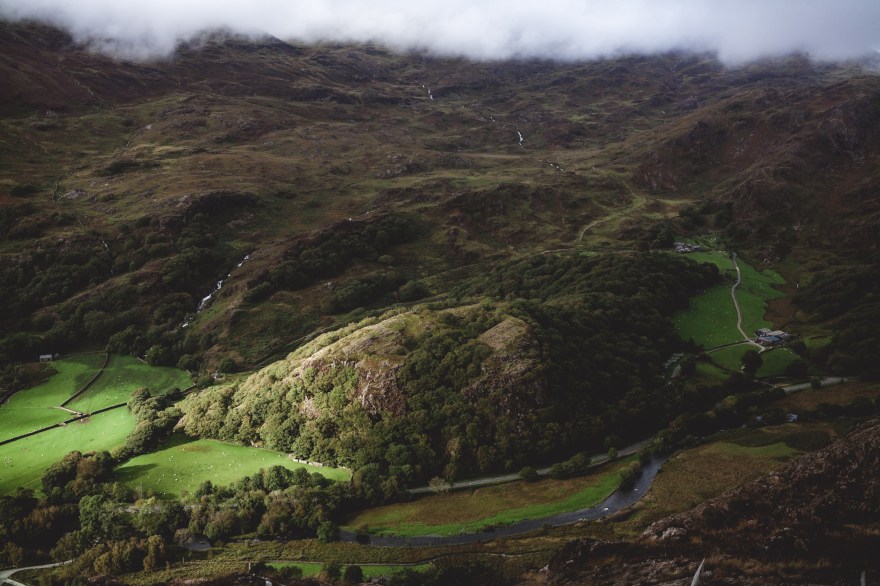
This project is an exploration of myth and the extent to which fragments of memory are woven into the stories of our ancestors, as well as what lessons can be plucked from these legends which can offer insight into the mysteries of the long-forgotten human past. Myths are much more than merely conjured stories that sprung from nothingness. These are ancient recordings containing elements of experience.

 Glyn Owen
Wonderful pictures! Especially the one with the light stains on the landscape. Great!
LikeLike
Thanks for sharing your thoughts on this topic. It’s a big one for me, being of Euro background born in Australia. The indigenous version of a dragon is the rainbow serpent, often described as a snake with horns, whiskers, and wings. They can be male or female and are believed to be spirits residing along waterways, and are both generative and destructive forces, depending on how you interact with them. In one way they are a personification of the way water drains to the sea, and the rainbow serpent carries the spirits of the dead along the rivers and out to sea, to be regenerated and returned as rain … !!
LikeLike