The revolution that took place across Spain during the opening stages of the Spanish Civil War has fascinated me for some time. Chomsky’s chapter in his well-known treatise ‘On Anarchism’ served a tantalising first glimpse.
The perception of the war today is generally painted as a war between the fascist rebels led by General Franco against the democratically elected Republican government. However, international interests coupled with the fragmentation of the Spanish political structure made for a highly complicated and nuanced conflict.
The scars of war can still be seen while walking the ornate streets of Barcelona in the present day. Contemplating sites where possibly the most significant and enigmatic moments in the history of revolutionary struggle unfolded, was both exhilarating and haunting.
The neighbourhood of El Raval was home for the week — among the skaters and alternative types that inhabit the tall, narrow maze of streets anchored by one of the most well-known skate spots in the world, Barcelona Museum of Contemporary Art (Museu d’Art Contemporani de Barcelona), known as MACBA.
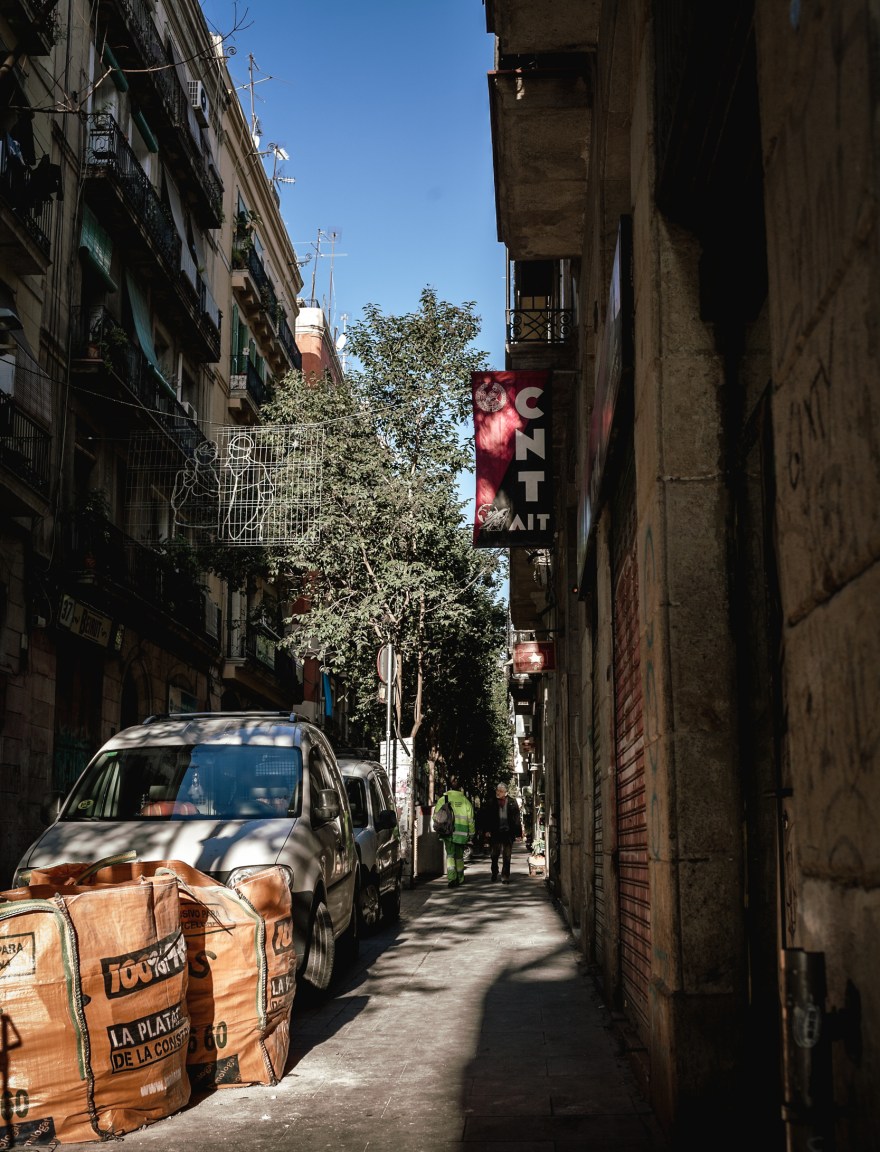
El Raval street with the Catalonian flag of independenceMorning in El Raval with worker and skater near to the revered ‘MACBA’ skate spot.
Despite its cool bars, vintage clothes shops, designer outlets, and other signs of gentrification, El Raval still clings to its traditional roots as the heartland of social radicalism in Barcelona. A stone’s throw away from MACBA, large red and black banners can be seen hanging from the Catalonian headquarters of the anarcho-syndicalist trade union, the CNT (Confederación Nacional del Trabajo or National Confederation of Labour), which played a primary role during the revolution of 1936-37.
Outside of the anarchist bookshop ‘Rosa de Foc’ above which is the CNT HQ of Catalonia
Not far from El Raval lies Plaça de Catalunya, at the head of the iconic boulevard, La Rambla. On 19 July 1936, Plaça de Catalunya became the staging ground for the first major battle of the civil war. At the southeastern perimeter of the square, stands the building that would arguably come to symbolise the beginning and the tragic end of the worker’s revolution in Spain.
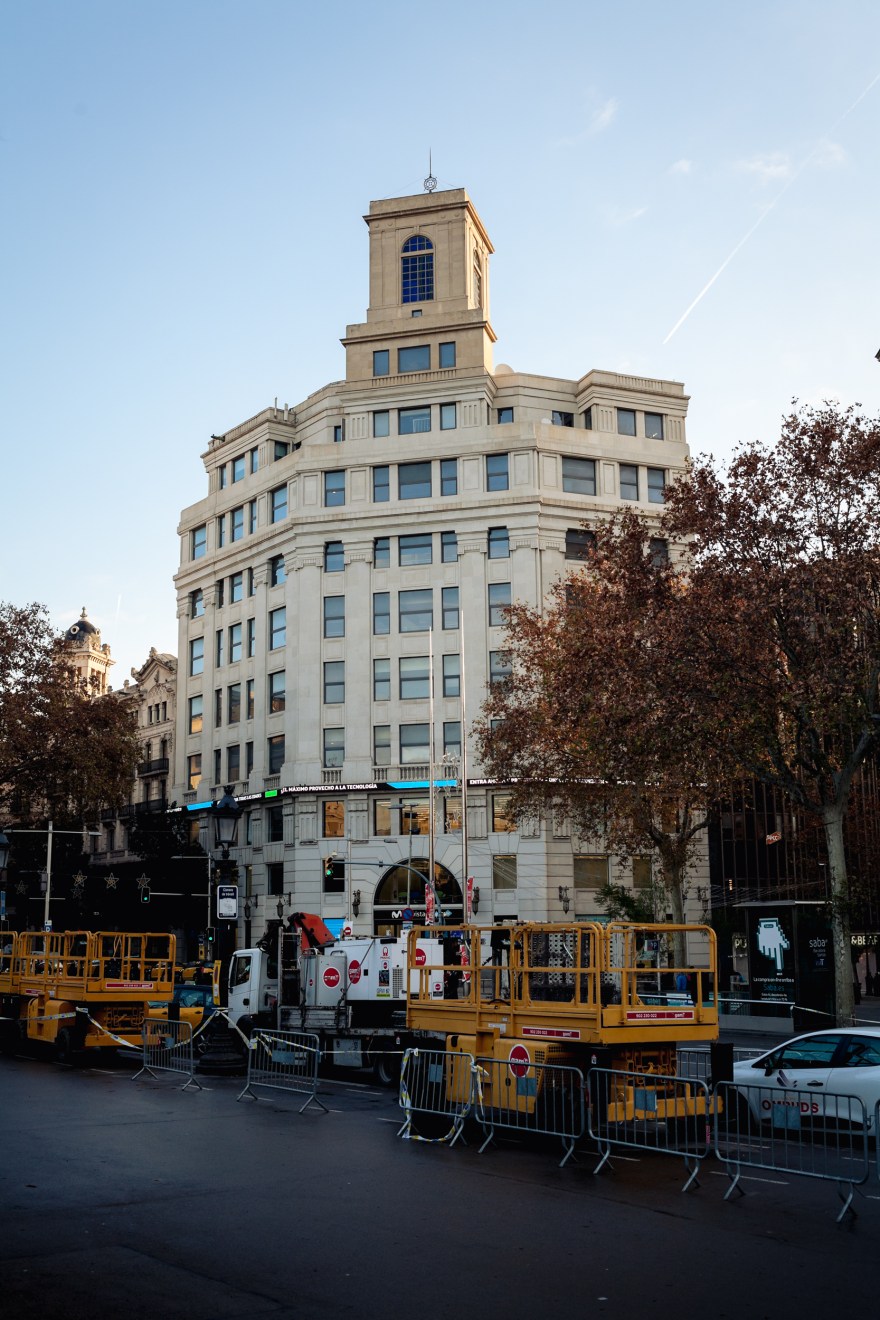
Telefónica building, Plaça de Catalunya
Facing inward onto the square is the Telefónica building. It controlled all communication within Spain, as well as with the rest of the world. The building was initially controlled by rebel soldiers taking part in the coup against the left-wing Republican government. They had been sent into the city with the objective of securing Barcelona’s crucial infrastructural buildings. However, over the course of the day, apart from certain pockets of the city, the rebels were gradually defeated by a somewhat unlikely alliance of armed police and organised workers — largely made up of anarchists and socialists from the worker’s unions. Following the fierce and bloody fighting in Plaça de Catalunya, the CNT took over control and collectivised the Telefónica building, along with the majority of the city’s other industries, as the power of the worker’s unions grew.
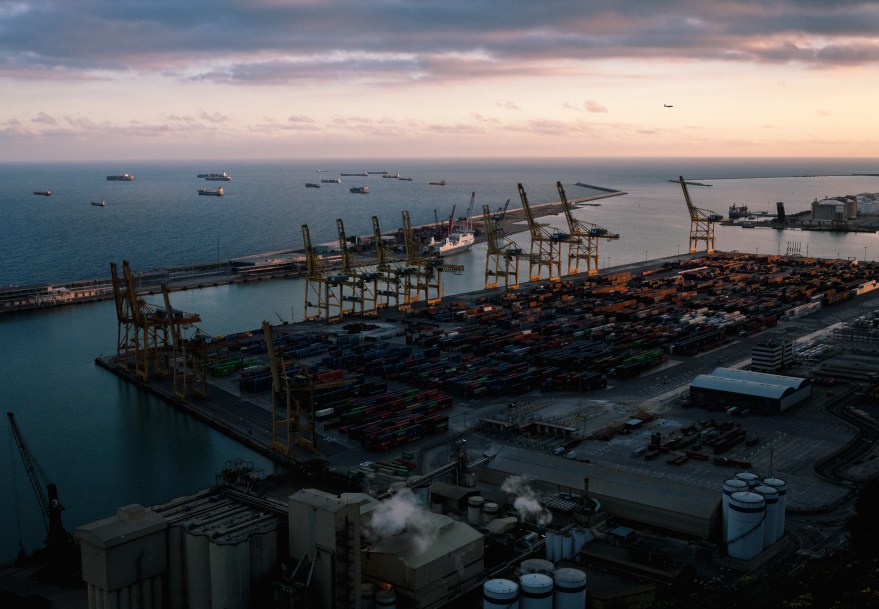
Industrial Port of Barcelona
However, worker control was only to last for a matter of months; the Telefónica building taking centre stage in the events that would trigger the end of the revolution in Spain.
Poliorama Theatre on La Rambla: Orwell’s sniper nest during the ‘May Days’ fighting.
A short walk down La Rambla is Paliorama Theatre, where the author who wrote probably the most famous account of the war, George Orwell, was positioned on the roof as a sniper protecting the POUM headquarters on the opposite side of La Rambla during the infamous infighting between left-wing factions in May 1937. Orwell had joined and fought with the POUM fighting force; a Marxist anti-Stalinist political party that, along with the CNT, advocated for the civil war to be a revolutionary war, which was opposed to by the heavily Soviet-influenced Republican government.
“For the first time since I had been in Barcelona I went to have a look at the cathedral–a modern cathedral, and one of the most hideous buildings in the world. It has four crenellated spires exactly the shape of hock bottles. Unlike most of the churches in Barcelona it was not damaged during the revolution–it was spared because of its ‘artistic value’, people said. I think the Anarchists showed bad taste in not blowing it up when they had the chance, though they did hang a red and black banner between its spires.” – George Orwell
On 3 May 1937, an attempt was made by Republican soldiers, led by a communist minister, to seize back state control over the Telefónica building from the CNT workers. The following day Barcelona’s streets erupted into violent skirmishes across the city in response to the viewed repression of workers by the Republic government. The fighting and various complex political maneuverings that took place over the course of the following week would come to be known as the May Days. These events effectively spelled the end of the revolution, with the anarchist worker’s unions the CNT and FAI eventually ceding power to the state. Once fighting had died down, the POUM was forcefully repressed by the government and Stalinist organisations, leading to Orwell having to flee from the city in fear for his life. The events during the May Days, to this day, remain a source of friction amongst socialists. A complete and total understanding of the exact events amidst the chaos of war is still a matter that is strongly debated.
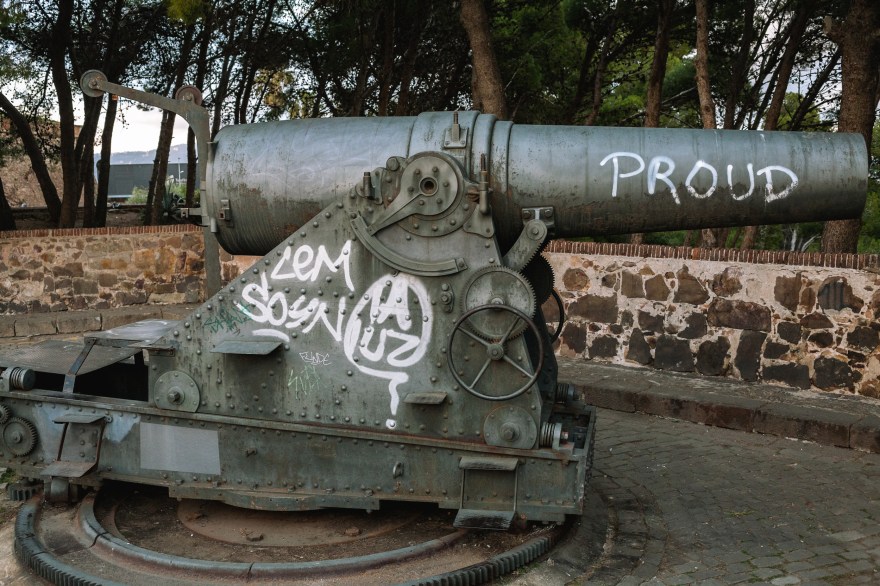
One of the four anti-aircraft guns installed during the war at Montjuïc Castle
To the south of the city, rising up before the sea, is the large hill Montjuïc. Sitting on top of Montjuïc is an old fortress that saw a great deal of use by all sides during the civil war. The fortress was first taken by soldiers who supported the Republic from a garrison of rebel soldiers stationed there. Anti-aircraft guns were soon installed in an attempt to protect the city from aerial bombings.
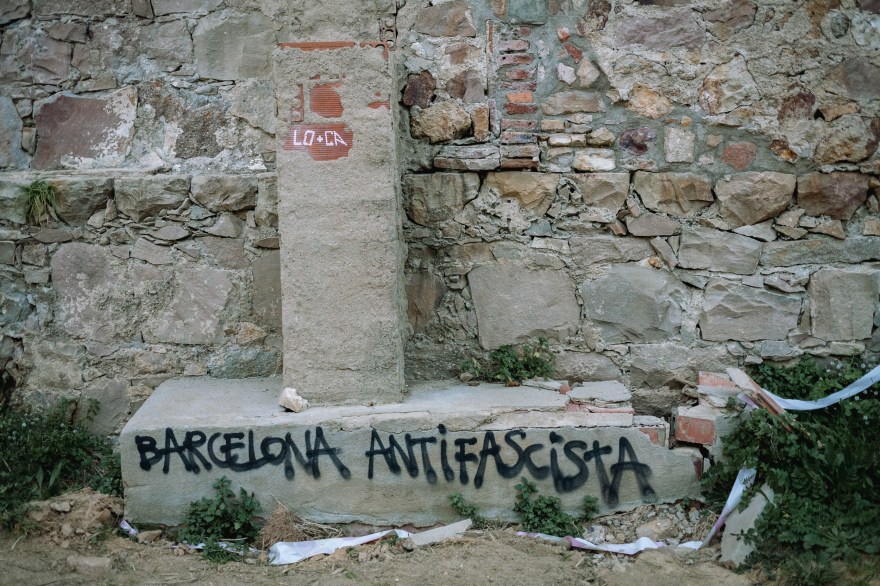
Anti-fascist graffiti on the outer walls of Montjuïc Castle
Following the May Days fighting, many POUM members and anarchists were imprisoned in the fortress and only released moments before Barcelona was captured by General Franco’s rebel forces, at the closing stages of the civil war.
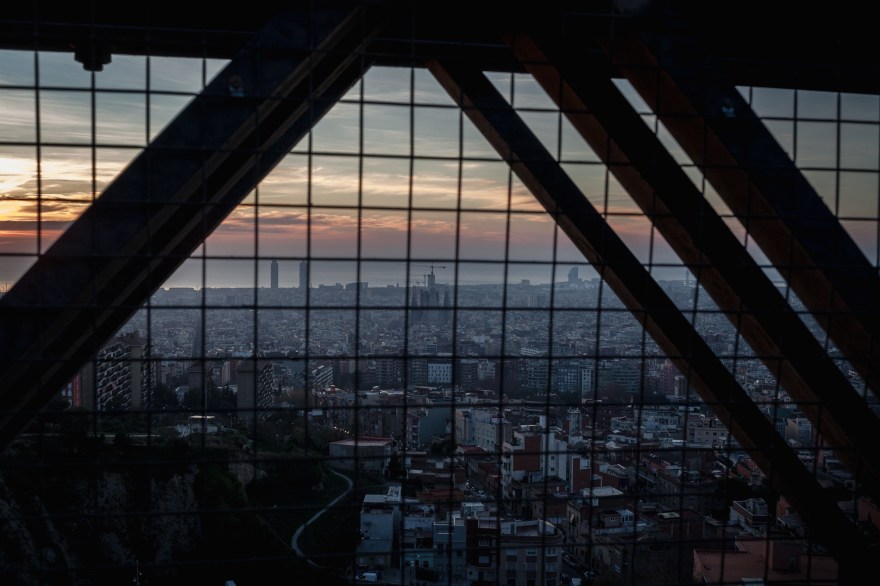
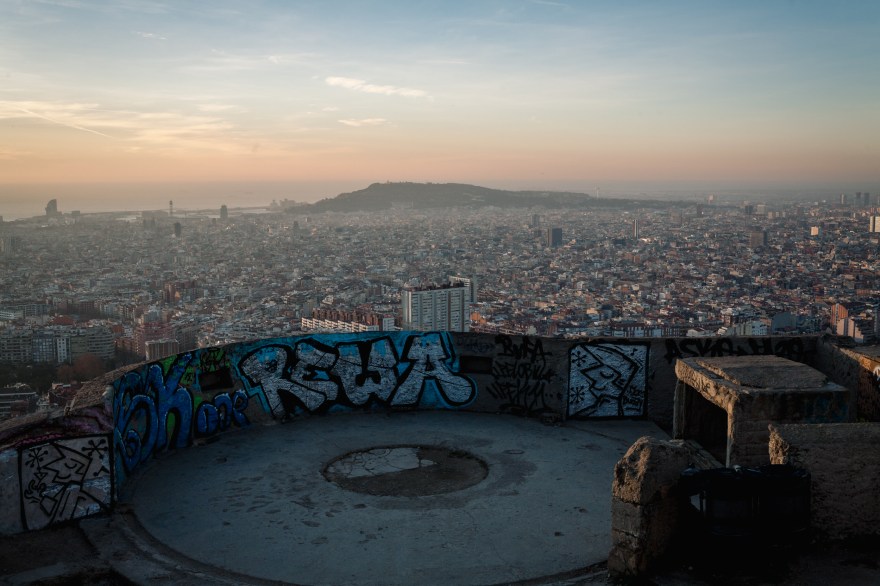
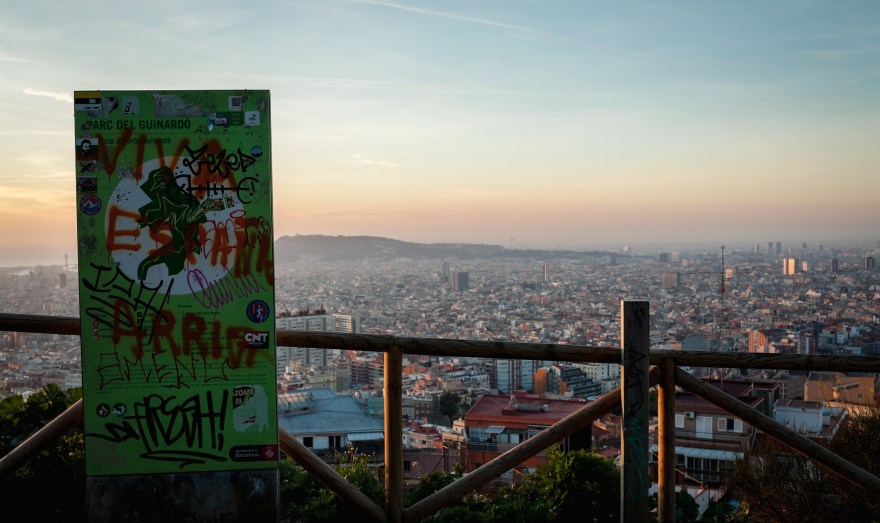
View of Barcelona from Bunkers del Carmel with Montjuic, centre.
In the north of the city, in the district of Horta-Guinardó, is the steep hill of Turó de la Rovira. It is at this site that the Republic built its main defences against aerial attack from German and Italian bomber planes, supplied by Hitler and Mussolini.
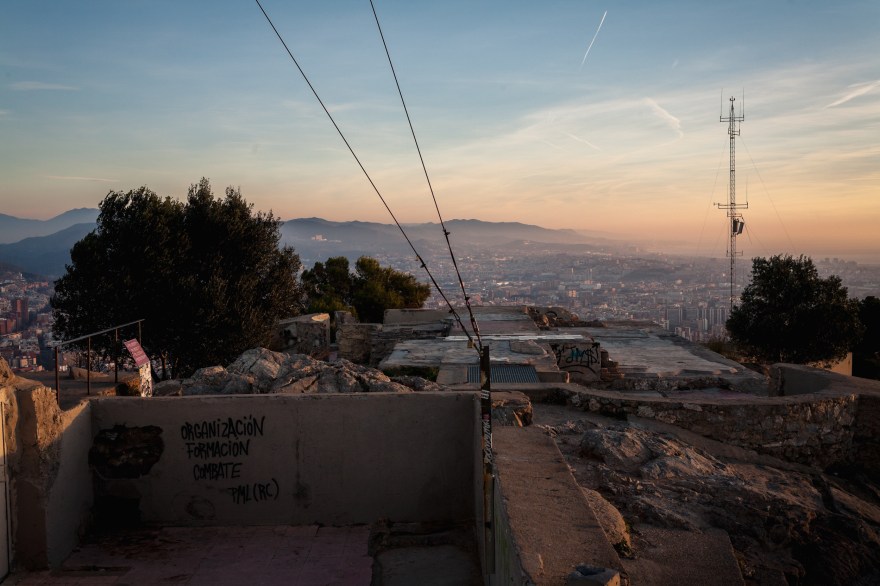
Bunkers del Carmel, view east
During the course of the war, Barcelona was systematically attacked by air, killing close to 3,000 people and injuring many more thousands in what was the first large-scale bombardments of a city in history, and a precursor to the atrocities committed against civilians during WW2.
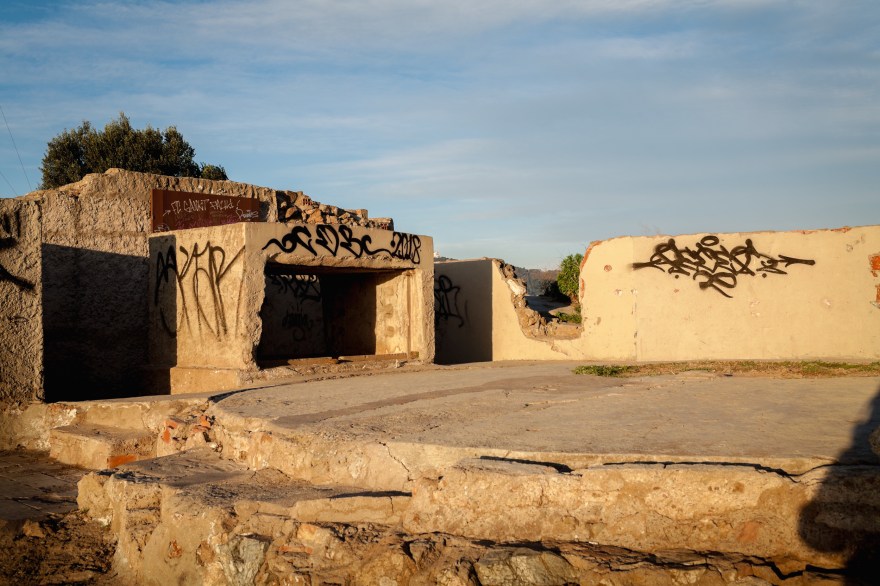
Bunkers del Carmel
Today the bunkers serve as a museum and as a monument to the events of the war, as well as offering spectacular panoramic views over Barcelona towards the foothills of the Pyrenees.
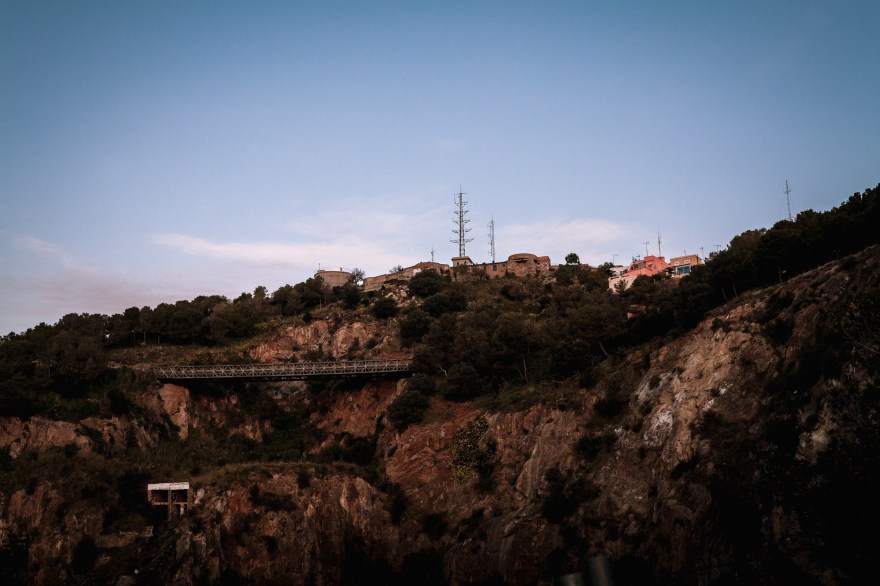
View of Bunkers del Carmel from the south
The anti-air defences were eventually destroyed in late January 1939 by the Republican troops as they retreated from General Franco’s army entering the city, in what was then an inevitable defeat for the Republic.
Parc del Guinardo which surrounds the south and east of Bunkers del Carmel (Montjuïc in background)
However, prior to the fall of Barcelona, the defences of Turó de la Rovira served a crucial role in protecting the skies over the city, when, at the end of October 1938, the Republic deployed the majority of its meager force of fighter aircraft during the farewell parade to the thousands of international volunteers who fought on the side of the Republic. The International Brigades had been pulled from the front at the end of September 1938 in order to be sent back to their respective countries in an effort by the Republic government to appease France and Britain, in what was a final desperate act to gain support to prevent the Republic’s imminent, and almost certain, defeat.
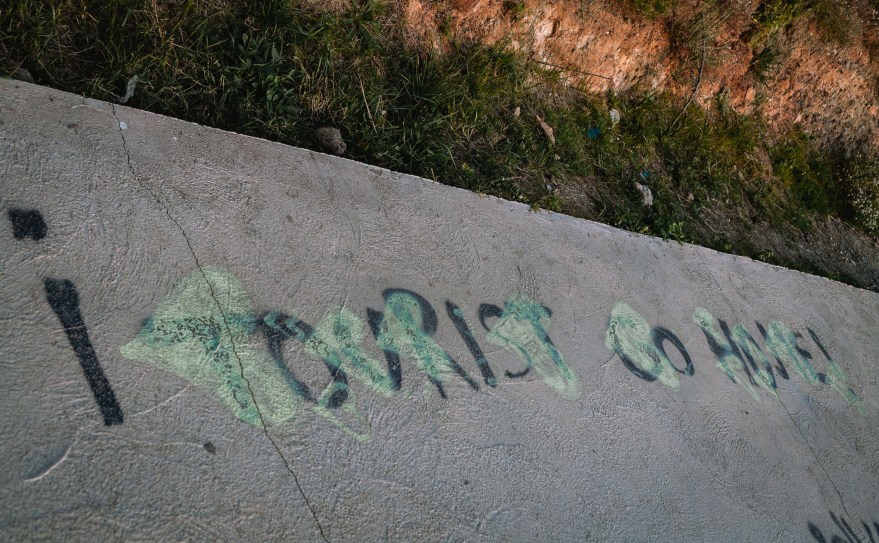
“TOURIST GO HOME!” graffiti on path to Bunkers del Carmel
On the way to Bunkers del Carmel, I came across anti-tourist graffiti covering the path to the summit of the hill. Sadly, these former defences, which had once protected the International Brigades, while the whole of Barcelona turned out to praise the efforts of the anti-fascist internationalist, were now an opportunity to showcase locals’ anger towards tourists. Ironically, in the same area of the city, not too far from Turó de la Rovira, stands the monument to those foreign volunteers who were willing to give their lives to protect Spain, and humanity, from the looming threat of fascism.
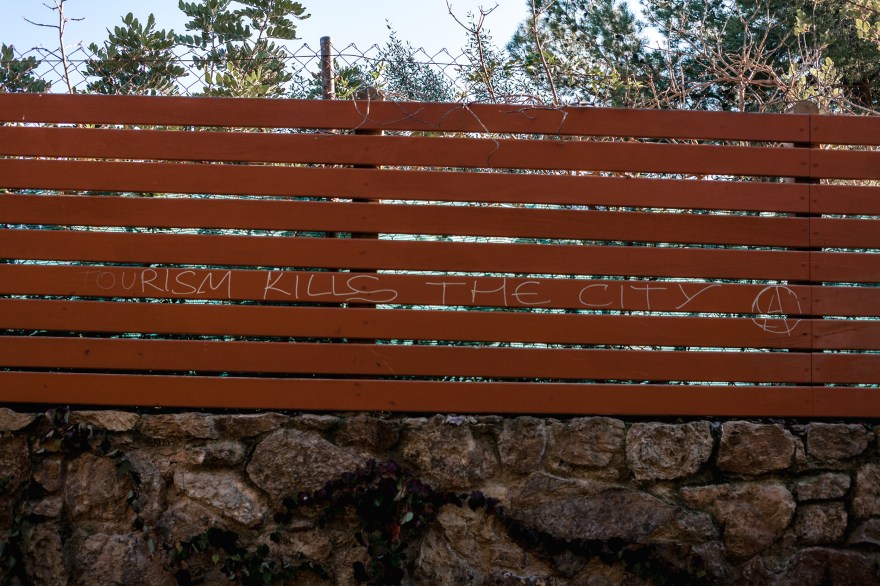
Anti-tourist graffiti in Parc Güell
Similar messages expressing animosity towards tourism are prevalent all over the city, especially the sightseeing hotspots. Unfortunately, over the past several years, tourism in Barcelona has skyrocketed. So much so, that the burgeoning industry surrounding tourism is causing havoc for the lives of locals. I briefly witnessed Barcelona’s infamous overcrowding on New Year’s Eve, while swarms of people converged for the night’s celebrations. After a short bit of jostling through the densely packed hordes, I decided to celebrate elsewhere.
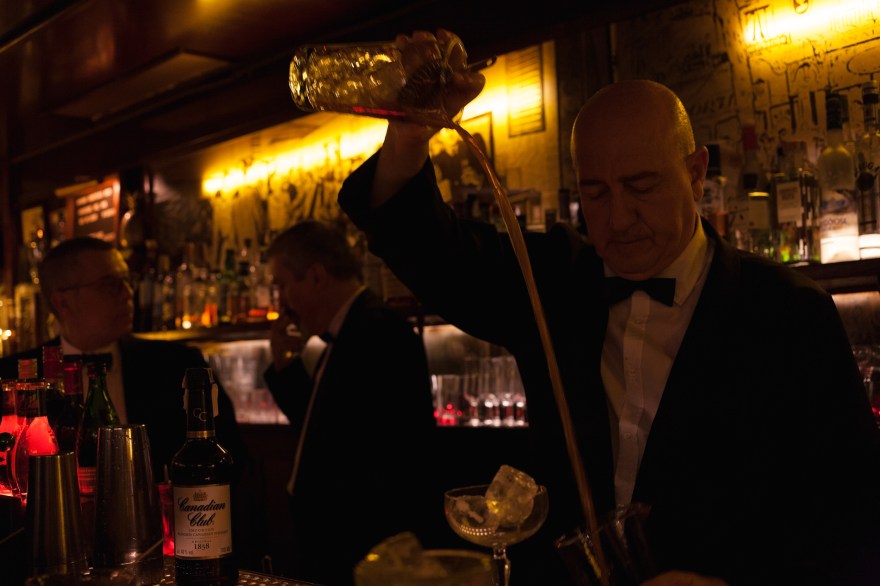
The favourite haunt to unwind at on the way home after a day of exploring was Barcelona’s first and oldest surviving cocktail bar, Boadas. It sits just off La Rambla on the fringes of El Raval, opening three years before the outset of the war in 1933. Beyond the bar’s low-key exterior the small, dimly-lit Art Deco room, where suited barmen stand ready to throw together a stiff cocktail amidst a background of dulcet jazz, creates a hazy, boozy atmosphere, transporting you back to Barcelona’s pre-war heyday. At that time, famous intellectuals and artists such as Miró and Picasso would frequent the bar. Though its most known patron — and likely its most indulgent — was another author who wrote on the Spanish Civil War: Ernest Hemingway.
While taking Hemingway’s advice and opting for the daiquiri, I dwelt on Barcelona’s problem of excessive tourism. This city, which had once so vehemently celebrated the international solidarity shown by the International Brigades, was now being plundered by a tourism industry that is quickly bringing it to its knees. Thoughts of Marxist theories on the contradictions of capitalism, and some vague notion of a correlation between the situation and the decline of left-wing politics in the face of rising right-wing nationalism steadily eroded with the second round of drinks, as the subtle haze took hold.
End.
Glyn Owen
I would like to thank Nick Lloyd whose insights hugely informed my research into Barcelona during the Spanish Civil War. If you would like a more in-depth explanation of the topics and places discussed in this post then I would highly recommend his book: ‘Forgotten Places – Barcelona and the Spanish Civil War‘.
The Red Dragon of Wales is a symbol that has been associated with the country for many centuries. Various Kings, Princes, and armies have marched into battle with the Dragon symbol flying on their banners – there are even accounts of this going as far back to the times of Roman Britain. The extent of its use is so much so that it has even given rise to the claim of the Welsh flag being the oldest national flag to still be in use. Whether the symbol was brought to Britain by the Romans or was a pre-existing symbol to native cultures is unclear, but what is certain is that this mythological creature is, for some reason, deeply entrenched in the cultural history of Wales.
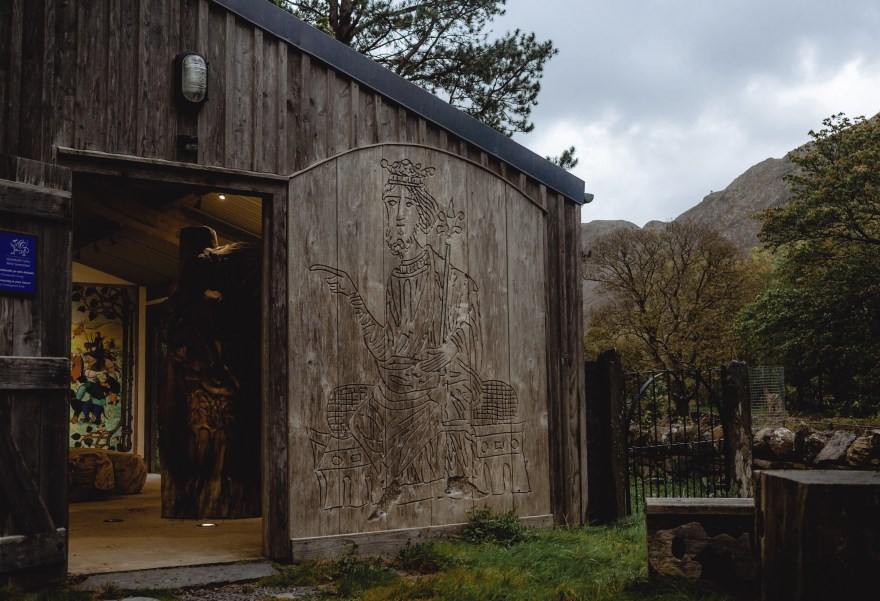
Information
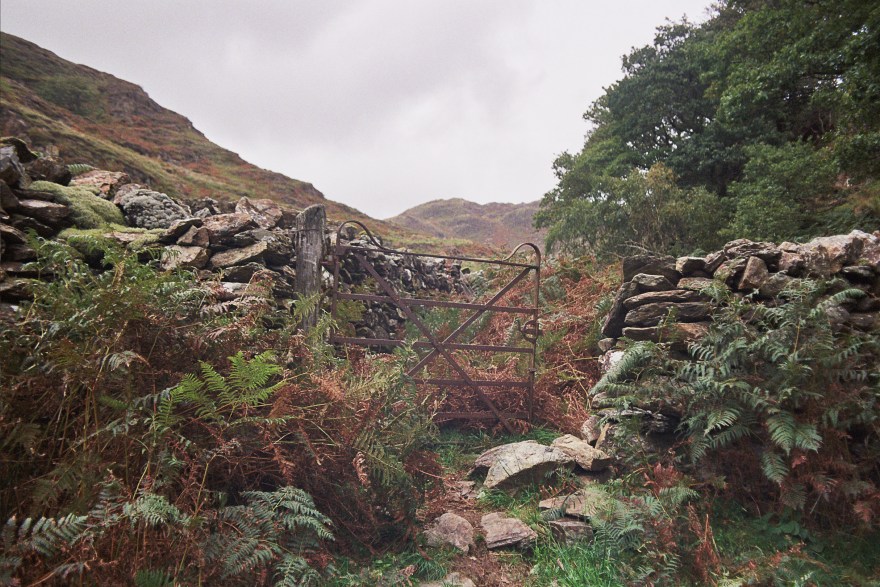
The legend of the Red Dragon has its setting on the rocky and wooded hillock, Dinas Emrys, on the western fringes of the Snowdonia mountains – a landscape steeped in Celtic mythology, Arthurian legend, and mysticism. Atop the small mountain is the ruins of an ancient hill fort that was the supposed location of an exchange between the Brythonic warlord Vortigern and a young Merlin – where Merlin first gives a full account of the tail of the Red Dragon.
Merlin’s Pool
But why a dragon? Why a fictional creature that never existed? What links the Red Dragon of Wales to cultures where mythical dragons feature so prominently, such as Eastern cultures? Why are stories of dragons consistently contained within the mythos and legend of almost every existing culture today and almost every culture known to have ever existed?
The White Dragon
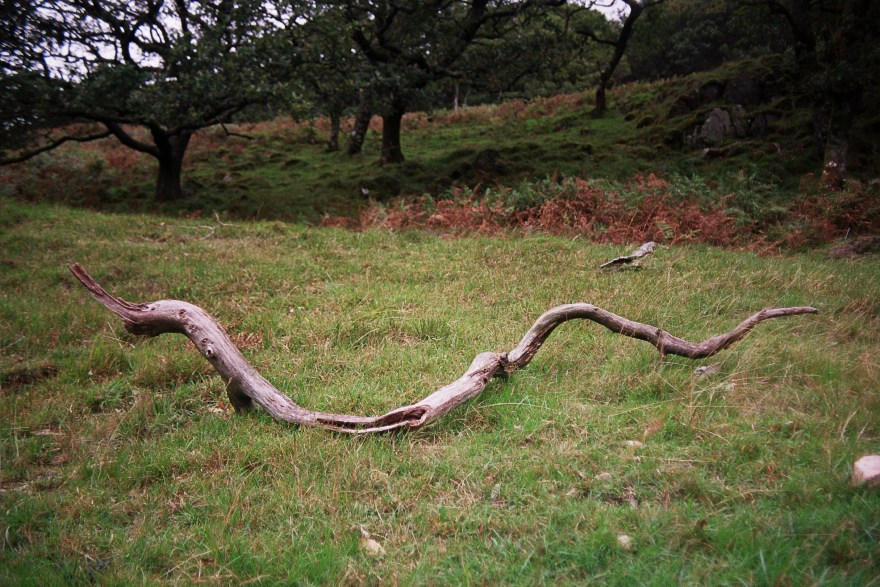
The story of the Welsh Dragon has been passed down through Britain’s most ancient texts, which derived from much older sources. The general narrative is of a white ice dragon causing a perpetual winter on the land, bringing disease, famine, and misery to its people. A sleeping red fire dragon is awoken by this freeze and fights, then defeats, the white dragon – returning the land to normal and saving the people. The earliest written version is found in the story of ‘Lludd a Llyfelys’ from the medieval collection of Welsh prose known as the Mabinogion. In this tale, Lludd and Llyfelys are regarded as the sons of the very first leader of Celtic Britain, and it is the fighting between the white and red dragons that cause a plague. They bring an end to the curse of the dragons by confining them in the ground beneath what later becomes known as Dinas Emrys.
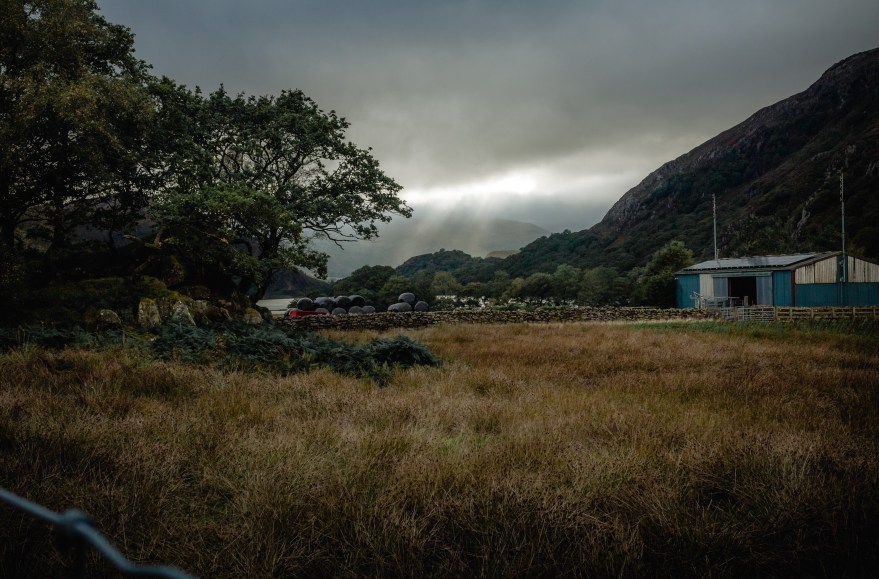
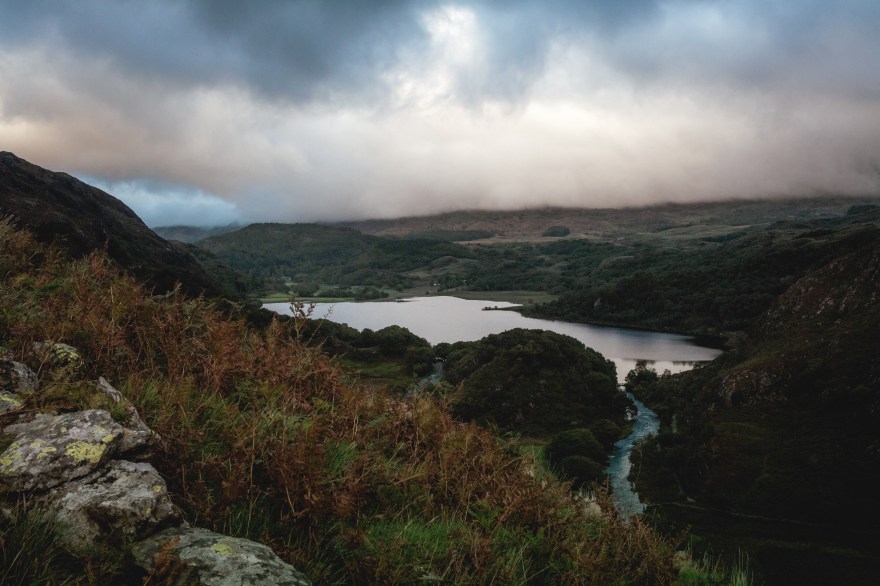
Cloud Breaking Over Dinas Emrys
What makes this legend fascinating is the correlation of this Celtic myth with depictions of dragons in virtually every other culture throughout the entire world. Over and over again dragons are associated with apocalyptic events from which humanity emerged.
Llyn Emrys (Degraded Film)
In China, the earliest depictions of Dragons reach as far back as The Xinglongwa culture (6200-5400 BC) wherein premodern times the dragon is associated with commanding the power water-related weather phenomena, with droughts or floods attributed to this power. In ancient Akkadian and Mesopotamian mythology the dragon ‘Uma Na-Iru’, which translates to the “roaring weather beast”, is associated with stories of a great deluge and the re-beginning of humanity. A similar myth is found in ancient Japanese mythology with Ukasima – a white-scaled dragon that brings misery and devastating climate change to the people and land. This myth even spans throughout Native American cultures, such as found in the Lakota tribe mythology with the stories of Unhcegila or Unktehi – giant horned-serpents that caused great floods and killed many people. Again and again, from the Greeks to Sumerians to the Australian Aboriginals to India, as well as throughout European cultures, this similar mythology of powerful dragons that were able to cause devastating climatic changes is found, with similar details between cultures with seemingly no connection whatsoever to one another.
This appears to have little other explanation apart from pointing towards a globally shared experience deep, deep into antiquity where cultures have invariably used the imagery of a great fire-breathing horned sky serpent (or some variation) to describe the cataclysmic effects of its power with some form of a reemergence of humanity from this period of catastrophe.
Woods (Lingering Curse)
An explanation for the origin of these myths surprisingly may be found in a very recent controversial scientific hypothesis that is gradually gaining traction amongst scientists known as the ‘Younger Dryas impact hypothesis’. The theory posits that around 12,800 years ago the earth was abruptly plunged into an ice age that lasted approximately 1,200 years before, just as abruptly, the planet began to suddenly warm to the temperatures we experience today. During the cold period, many species became extinct and the ancient peoples of that time would have perished save for those who were able to adapt or migrate to warmer climates where other peoples already inhabiting such places may have also been able to survive. Some researchers attribute the cause of these dramatic changes in climate to a large comet or several pieces of a comet impacting the earth, including on the ice sheets covering North America. Such comets would have caused enormous wildfires that would produce enough soot and debris in the atmosphere that it would be sufficient to block out the sun, plunging the earth into a deep freeze. Melting ice sheets and ocean impacts would also cause huge flooding events globally.
Rampart Ruins and Llyn Dinas
The theory remains highly disputed, but could the sight of huge fiery meteorites in the sky hurtling towards the earth, bringing with them utter climactic devastation be the source of this shared, ancient cultural description and memory of fire-breathing sky serpents that freeze the land and cause catastrophic flooding?
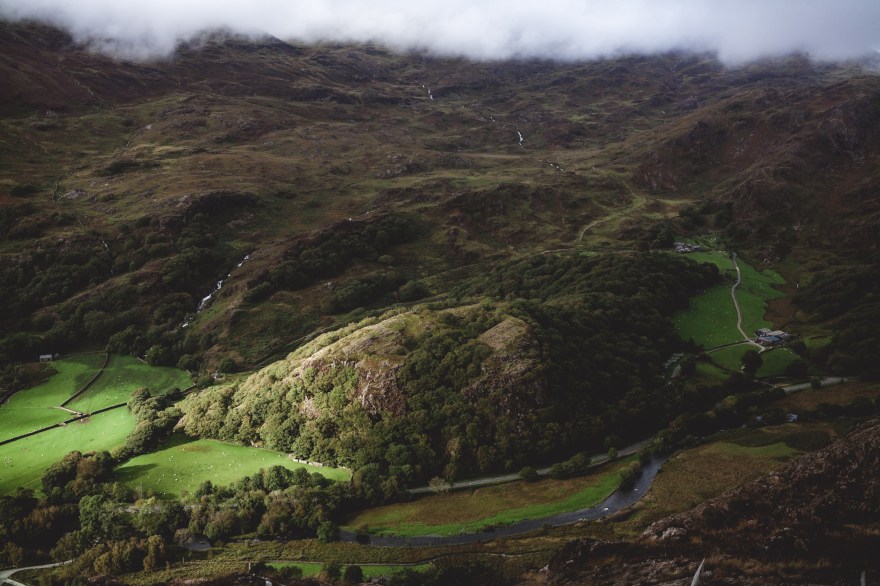
Dinas Emrys From Above
This project is an exploration of myth and the extent to which fragments of memory are woven into the stories of our ancestors, as well as what lessons can be plucked from these legends which can offer insight into the mysteries of the long-forgotten human past. Myths are much more than merely conjured stories that sprung from nothingness. These are ancient recordings containing elements of experience.
‘Why a Dragon?’ Myth and Memory in a Landscape is currently being exhibited at the Andrew Buchan bar, Albany Rd, Cardiff and was featured in the Made in Roath Arts Festival 2018
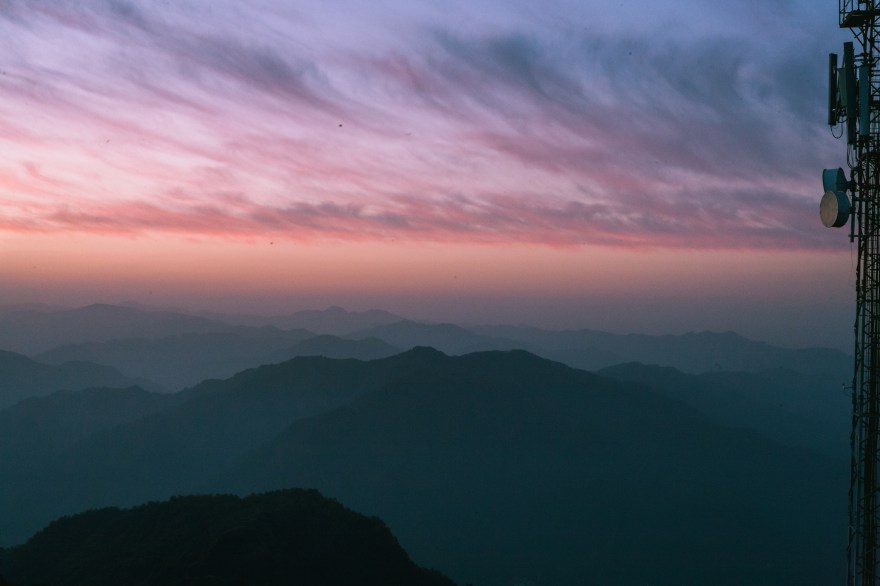
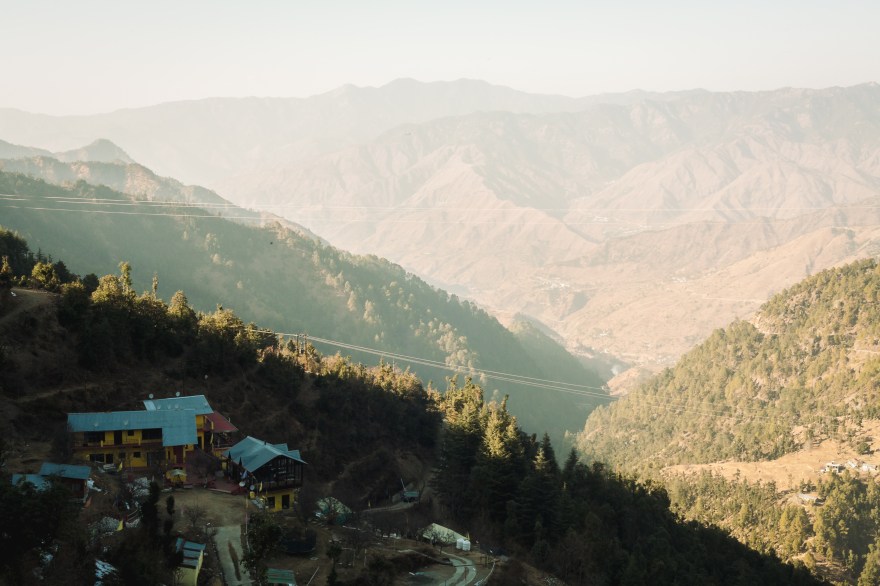
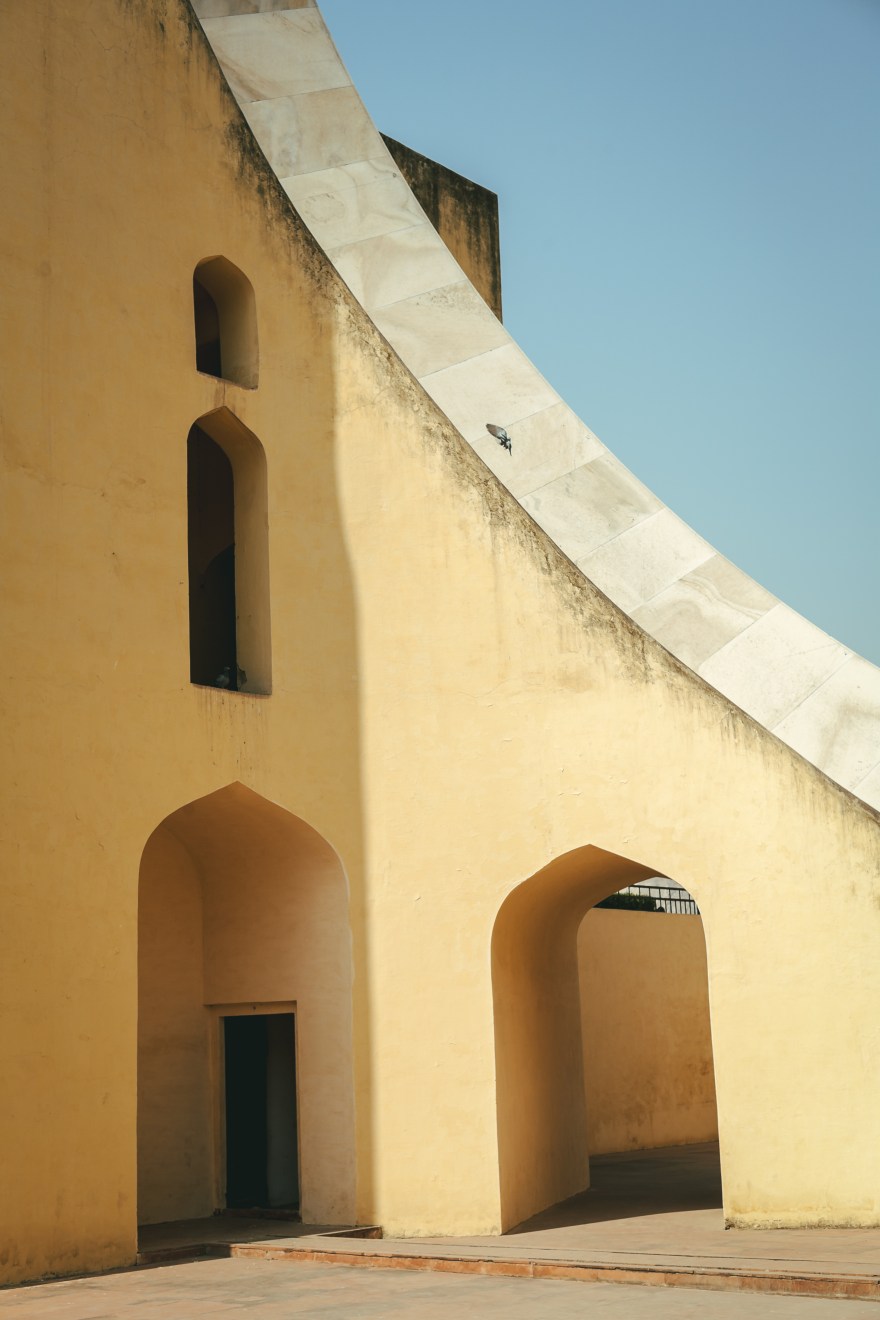
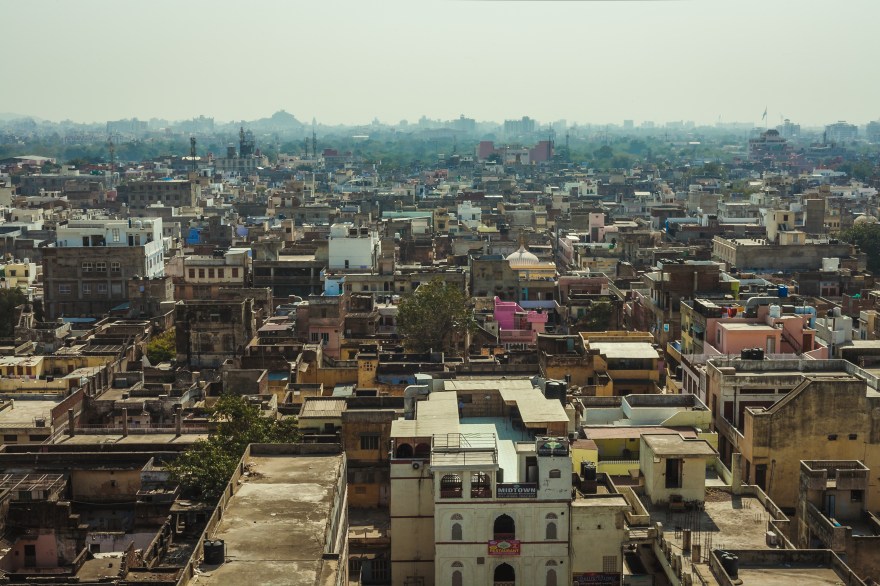
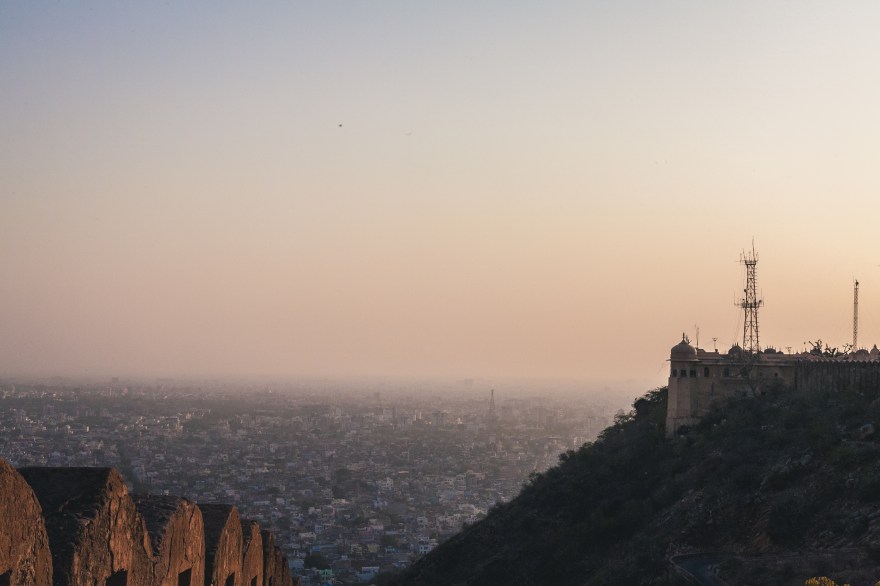
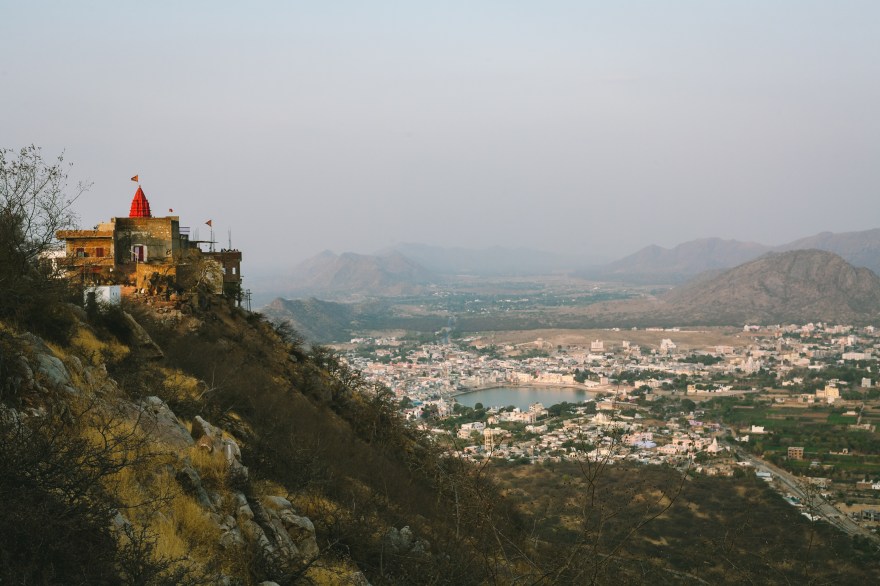
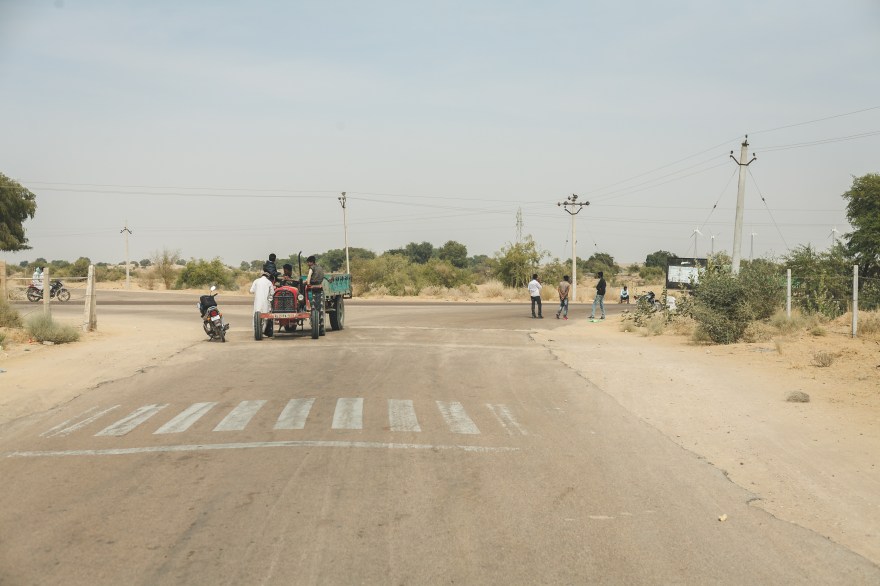
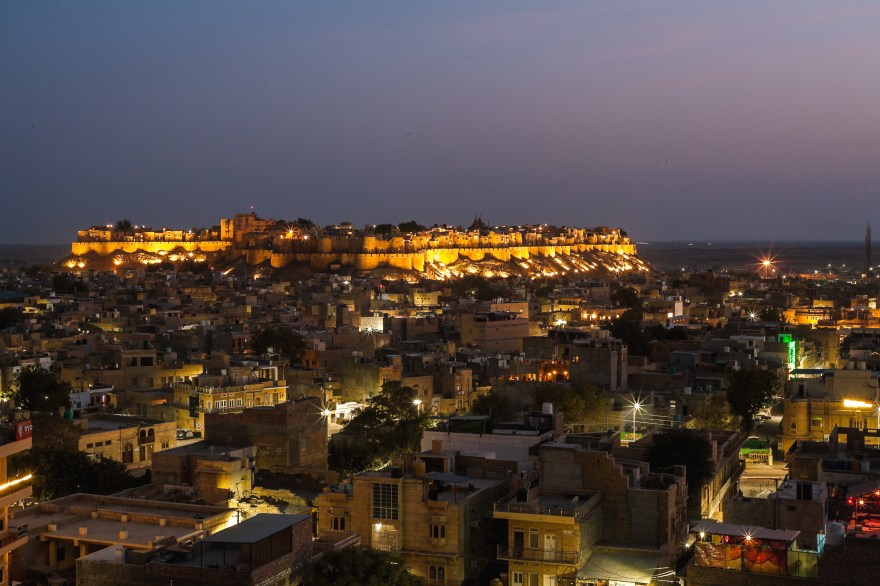
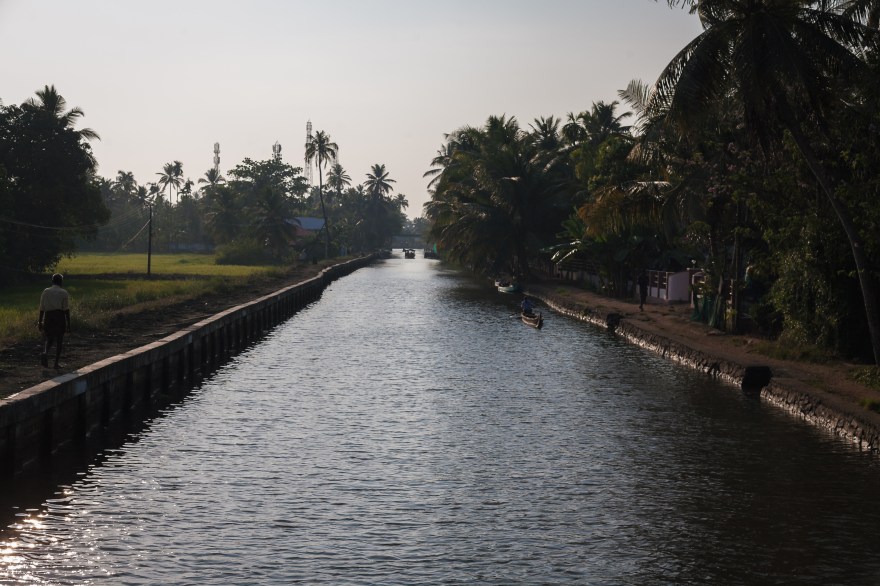
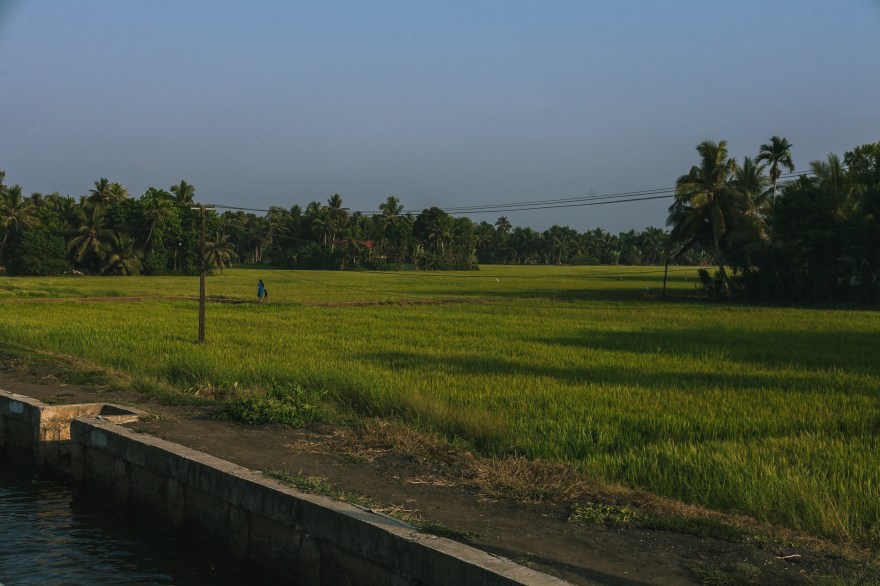
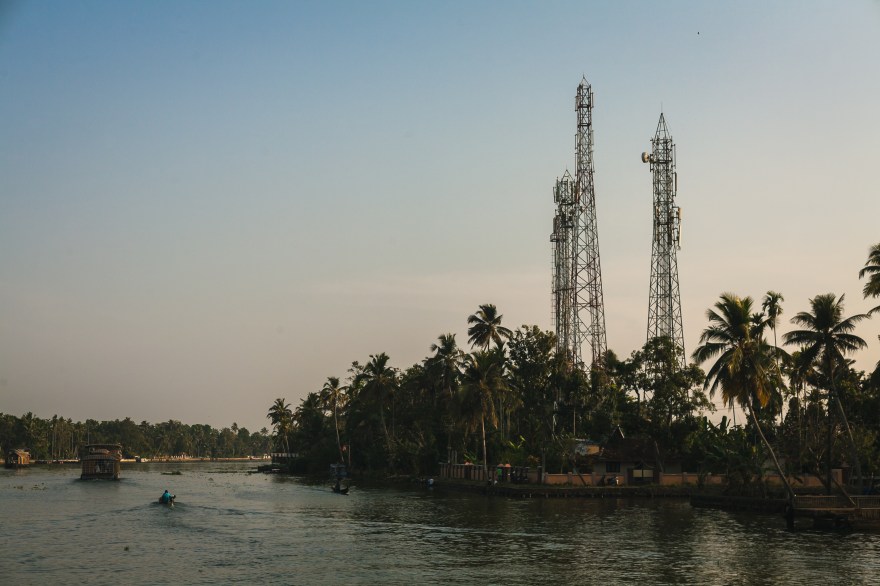
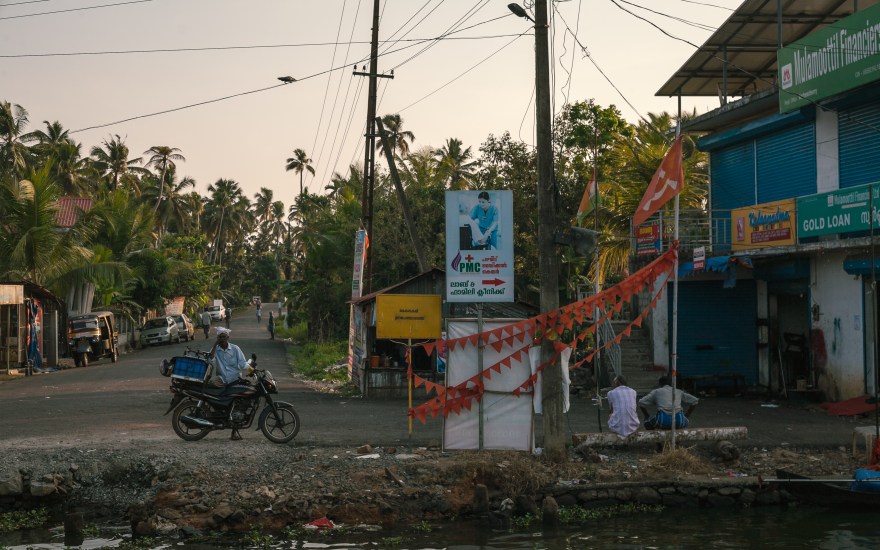
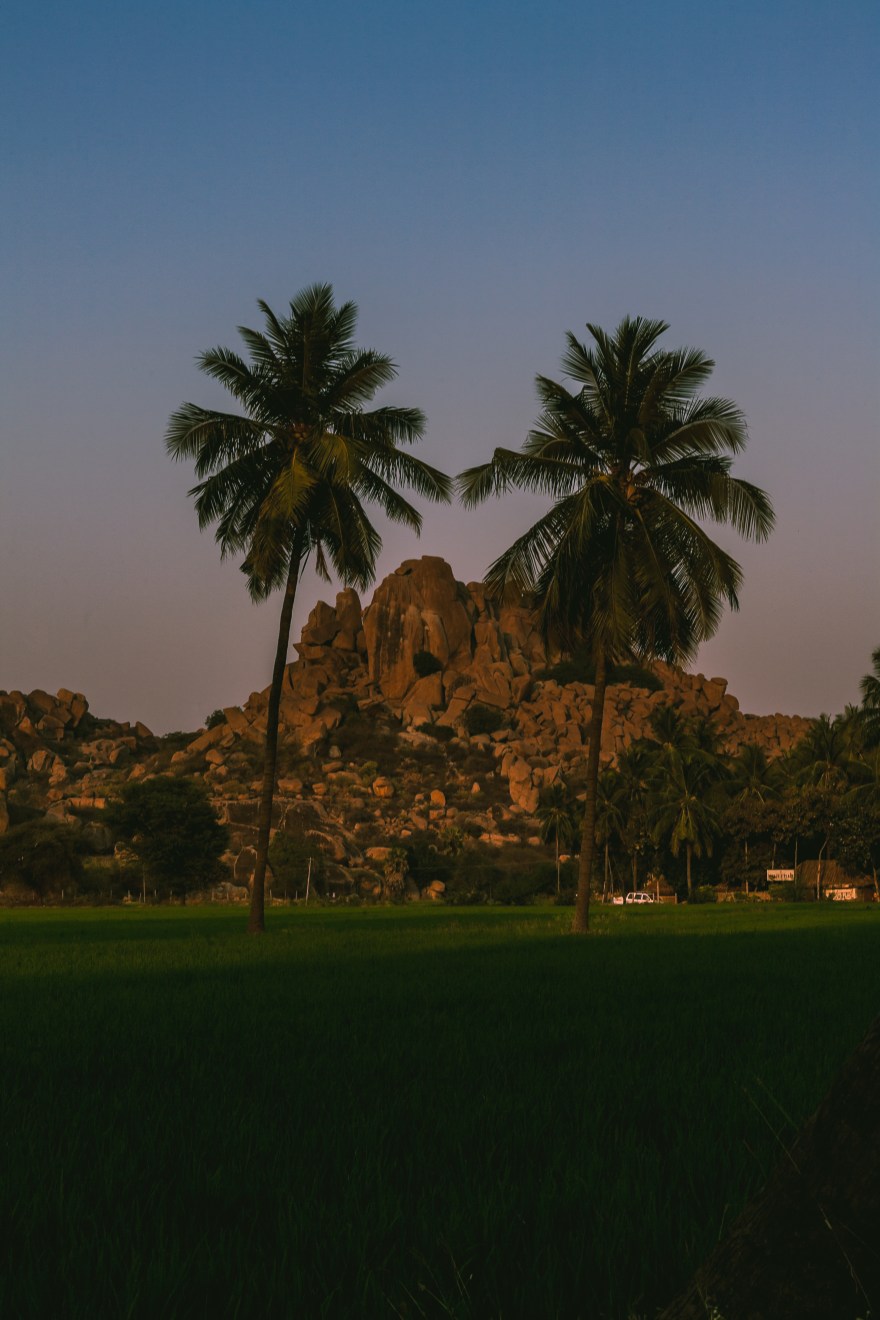
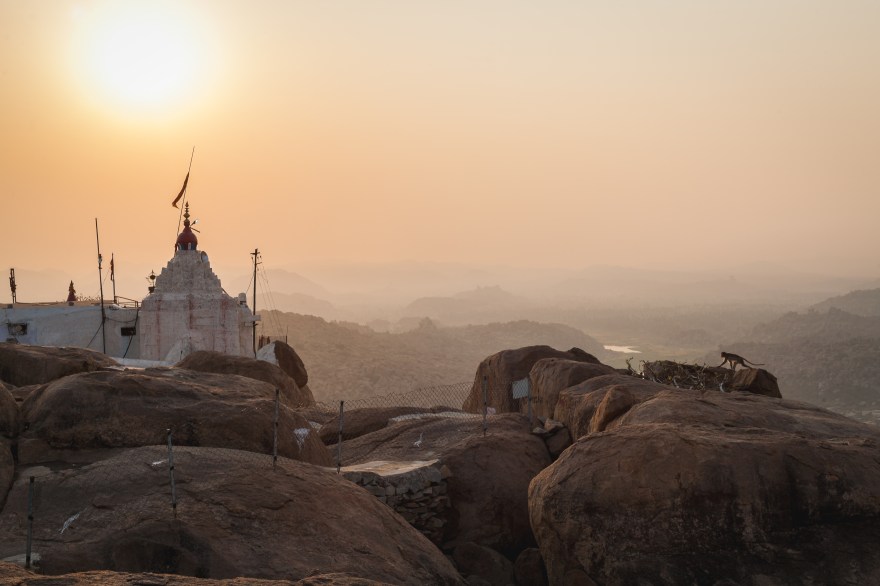
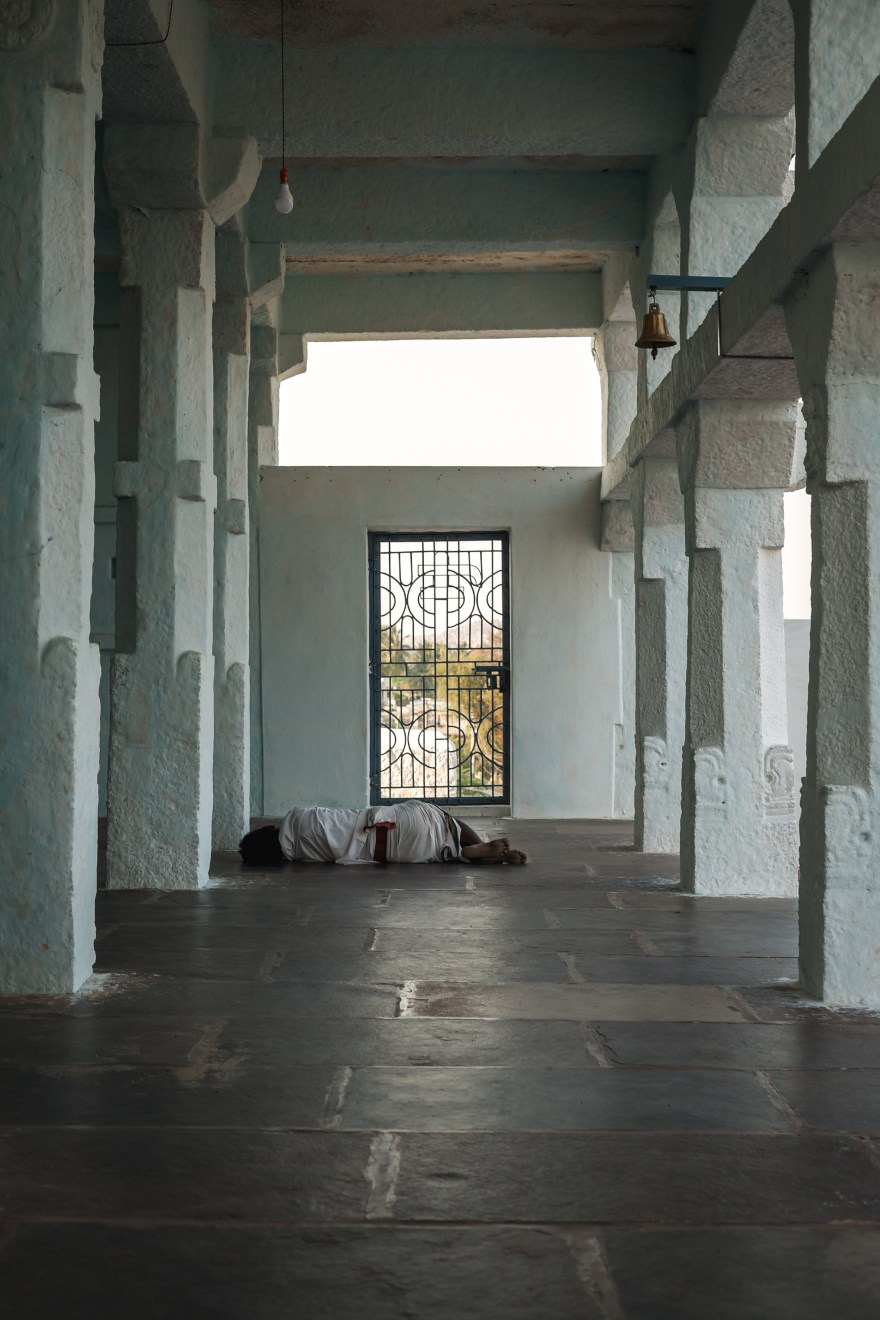
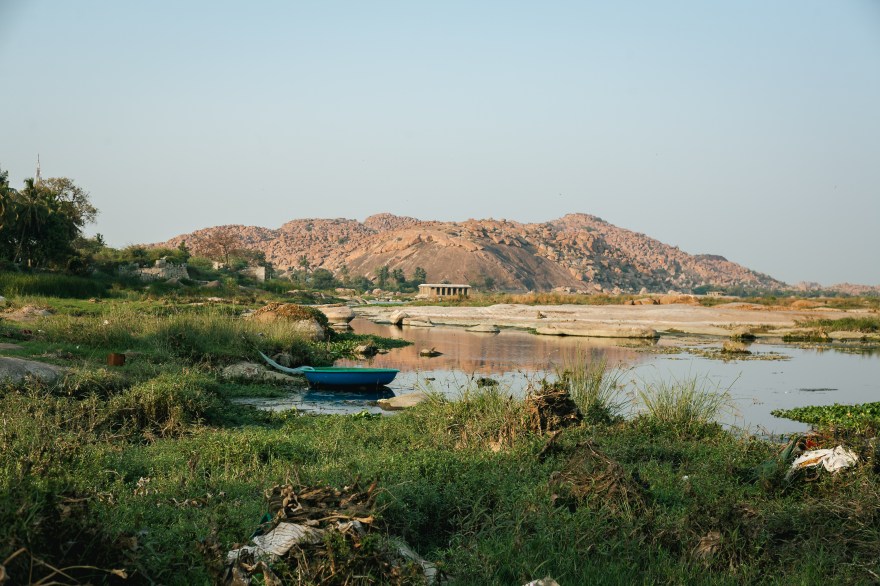
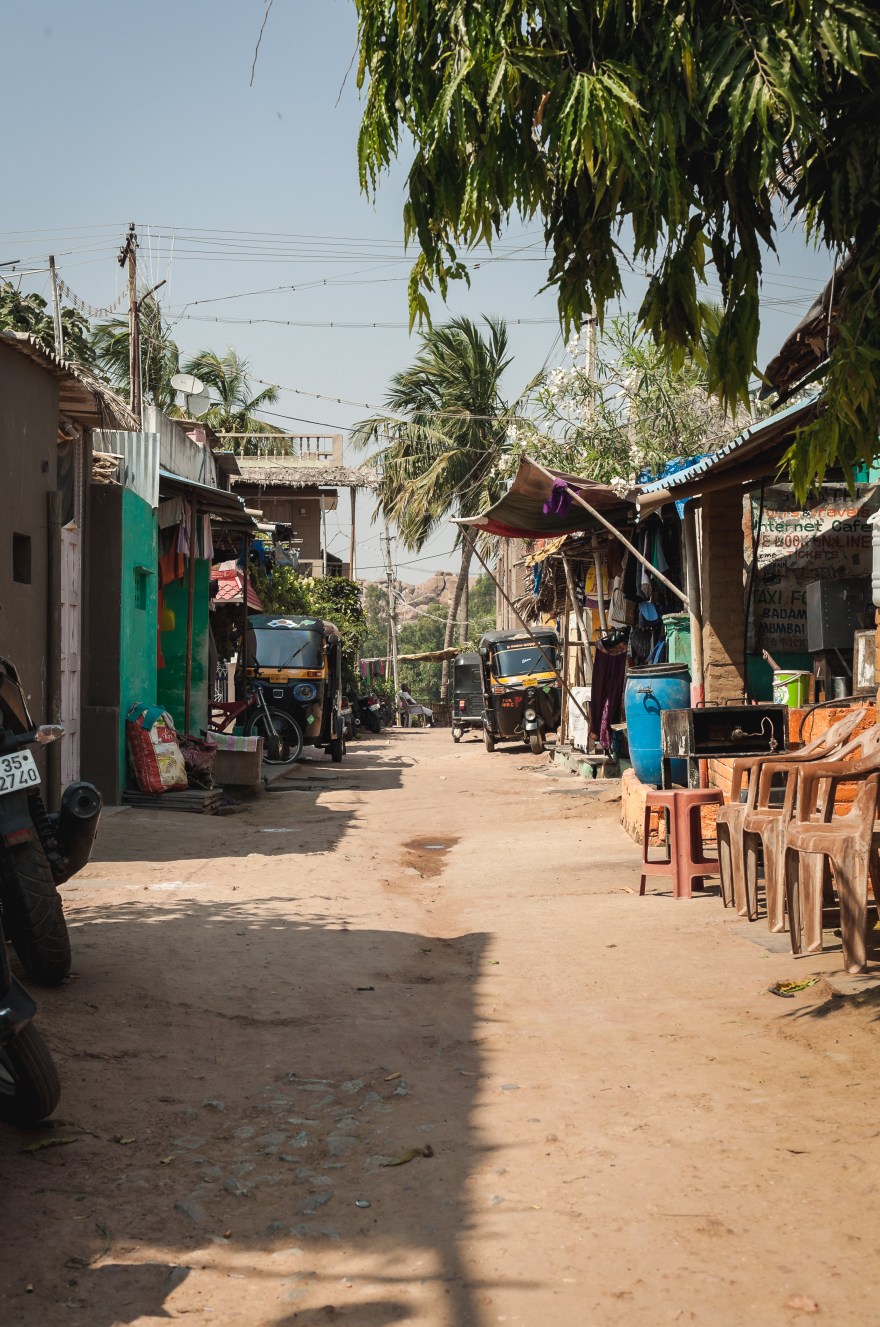
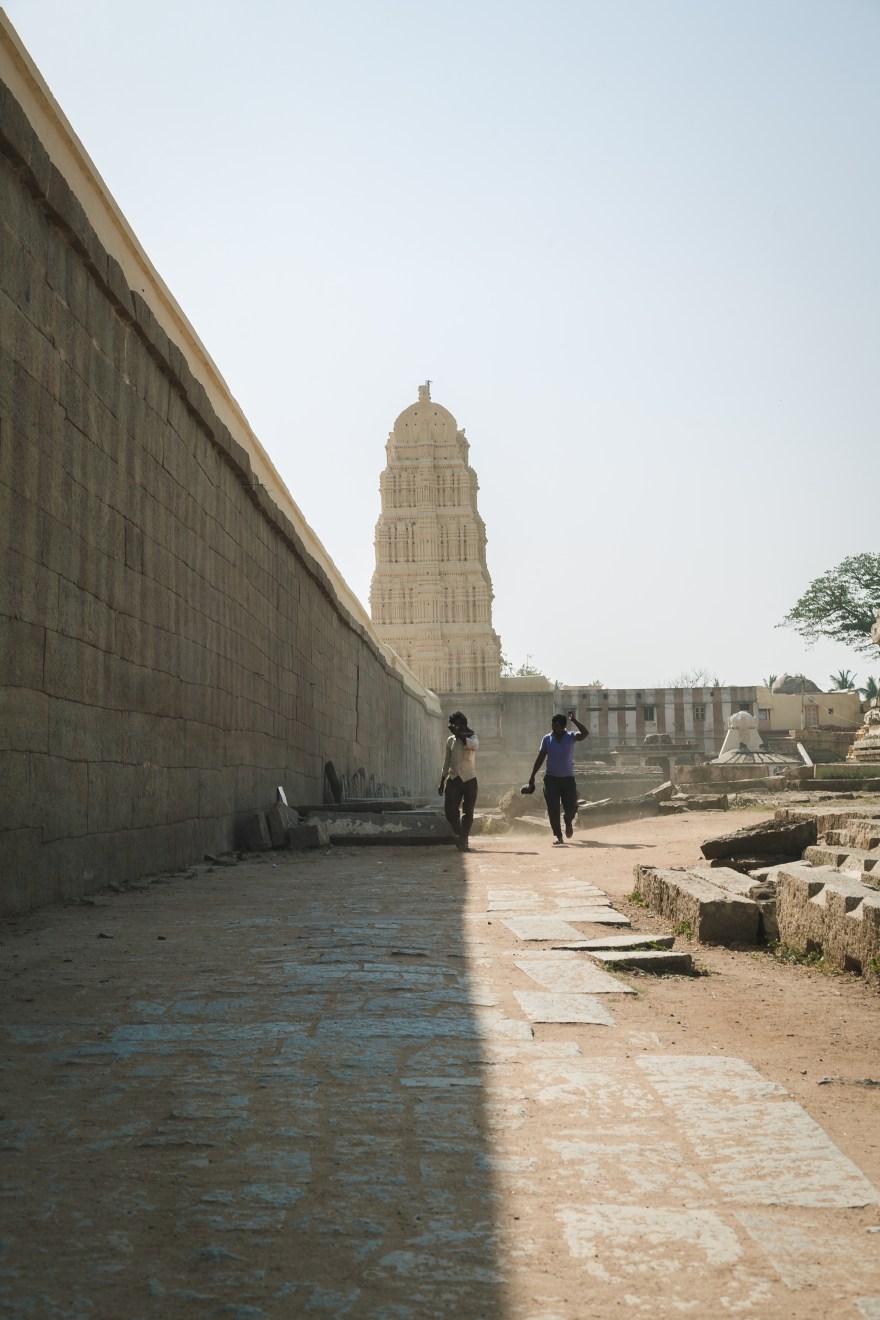
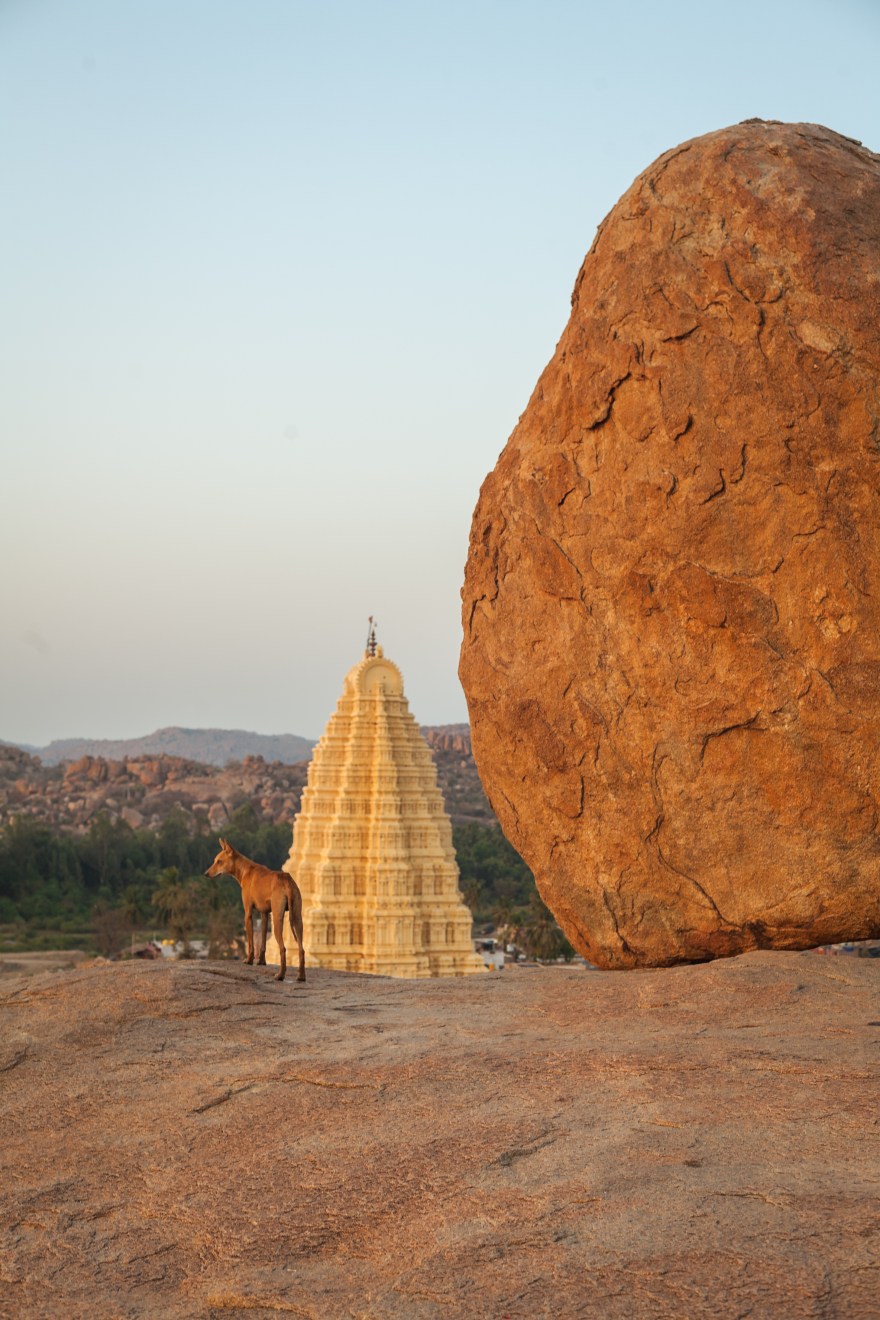
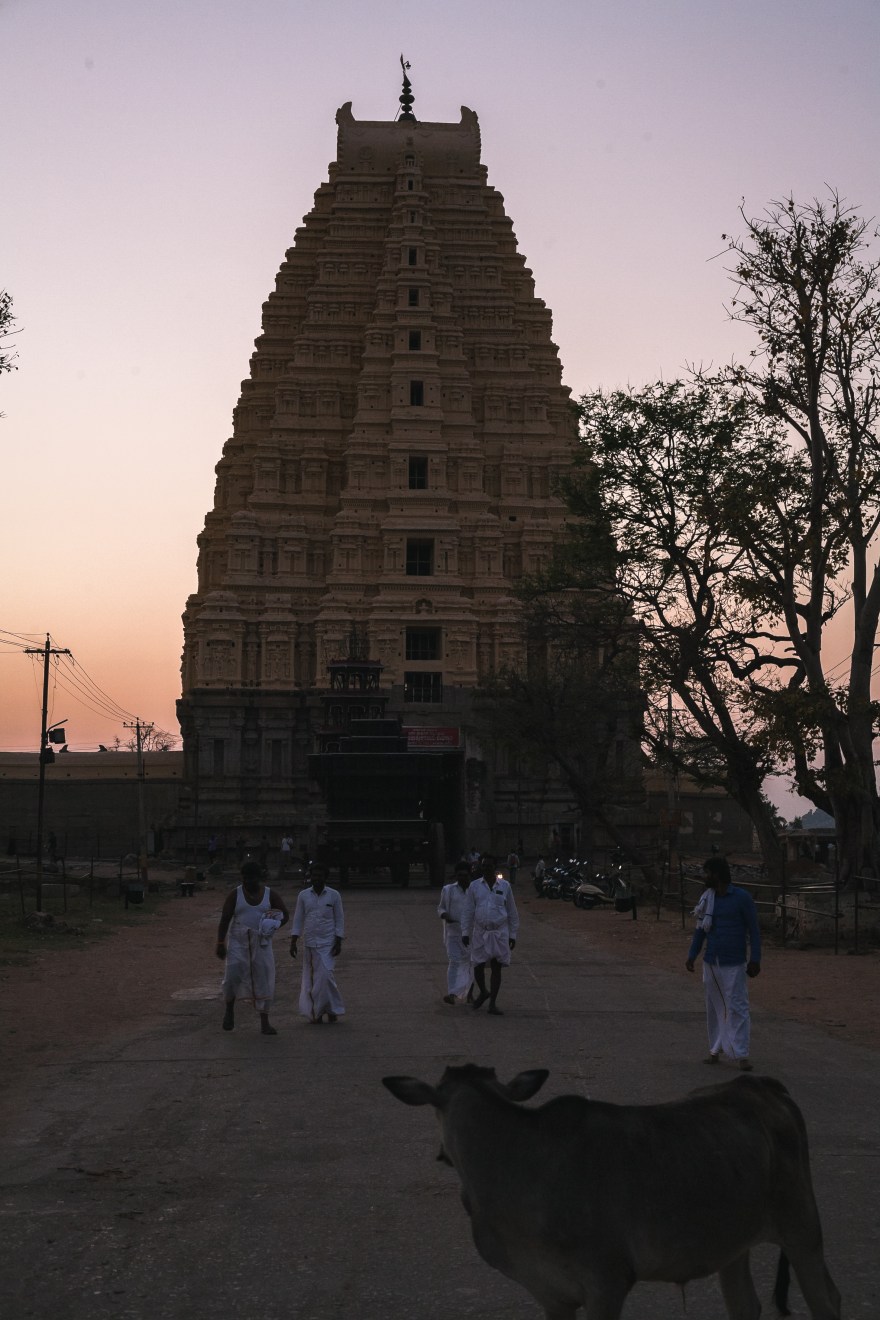
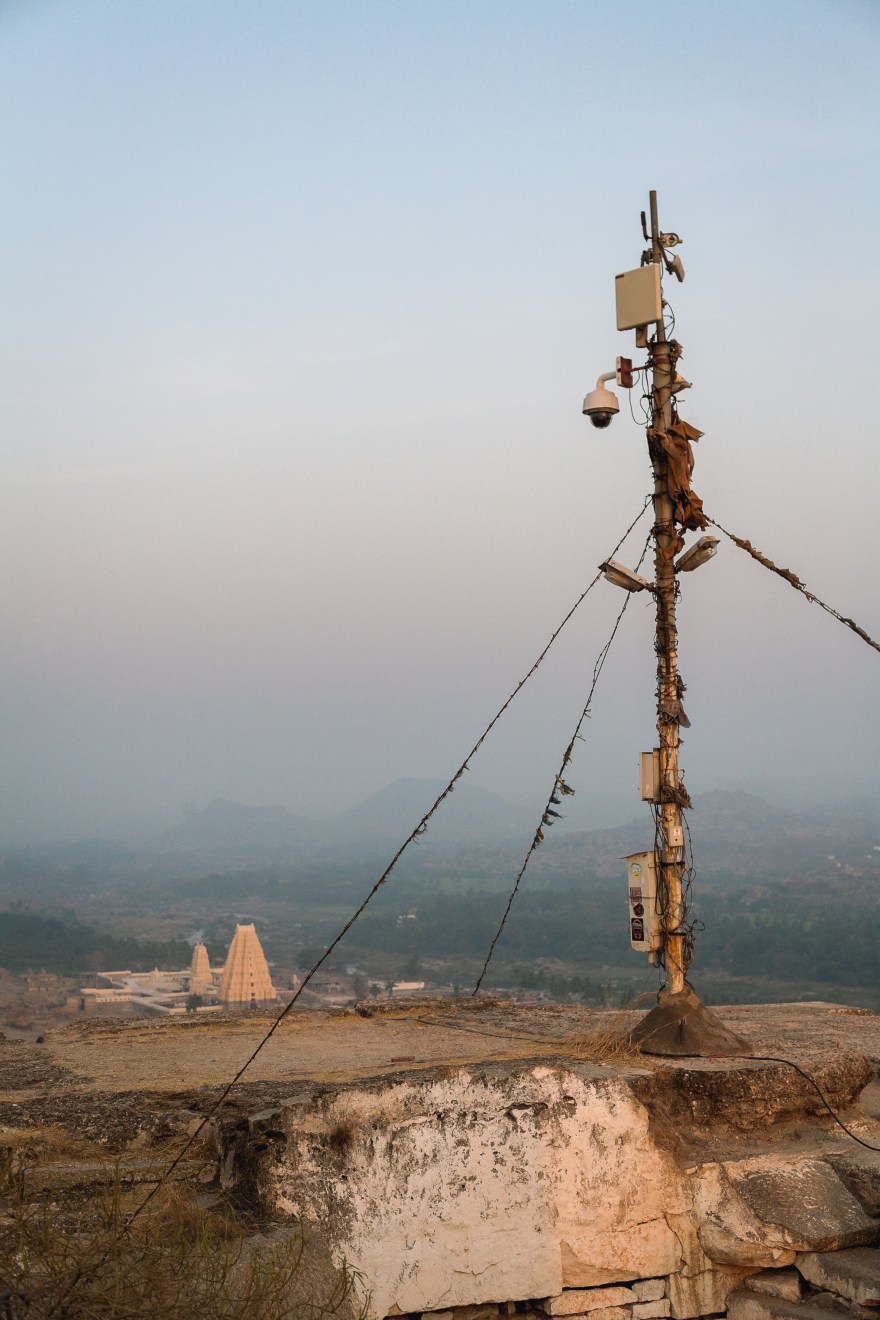
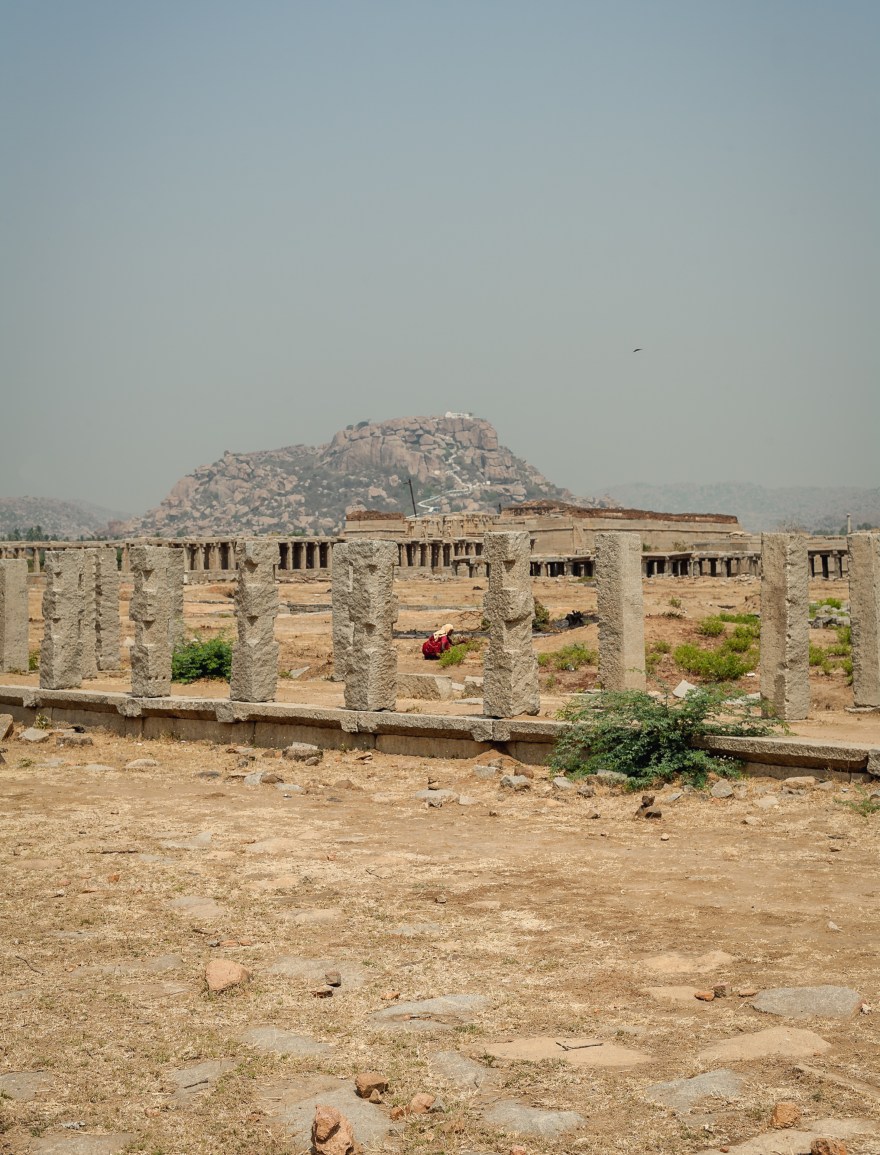
These are a selection of images documenting my travels across India. From the Himalayan foothills of the north-west state of Uttarakhand to the Goan beaches on the Arabian ocean – spanning mountain, desert, waterways, jungle and city.
Between shooting the shit with the most immediately located chaiwala, smoking 10p cigarettes, hunting down decent chess players and contemplating radical politics, this is what I saw.
“Very hot today, sir…”
“Yes – very hot. Good chai today, thank you.”
India is a country which, for almost my entire adult life, I had wanted to experience – well before photography became my passion.
Despite my excitement at the prospect of photographing my journey, I admittedly was cynical about photographing a culture and a country that I had no stake in – wanting to avoid taking generic and exploitative images, which can so easily occur from the perspective of an ‘outsider’.
Romantic notions swirled around my mind of getting lost in the foothills of the Himalayas fighting off wild leopards, befriending locals and becoming sincerely immersed in Indian culture… However, in reality, I certainly and completely was a tourist. This caused me constant conflict when selecting a subject matter: Should I live and experience the moments that I found so fascinating and compelling? should I constantly capture and document what I am experiencing? is it possible to do both as a ‘travel’ photographer? I’m still not sure of the answer. Sometimes I would do one or the other; sometimes both; sometimes none of them at all. I feel it’s also important to state that I, by no stretch of the imagination, consider myself a travel photographer. So, after an initial ‘easing-in’ period attempting to acclimatise to the barrage of sensations and complications associated with travelling India, I resigned myself to this frame of mind – sometimes chasing an image, other times letting the moment just happen for the pure pleasure of the experience.
After finally letting my Ideals subside, I began to find some kind of photographic rhythm. The initial aspect that began to strike me the most about India was its sheer and unrelenting vastness. While this is not an attribute wholly unique to India, the vastness of India is wholly unique. Not only in the scale of the landscape but geologically, meteorically, culturally, socially, theologically, historically, aesthetically, politically, economically and so on… This was something I wanted to permeate through my images while also adhering to my own stylistic photographic approach – an emphasis on the abstract, the mundane, urban decay, industry, and the political.
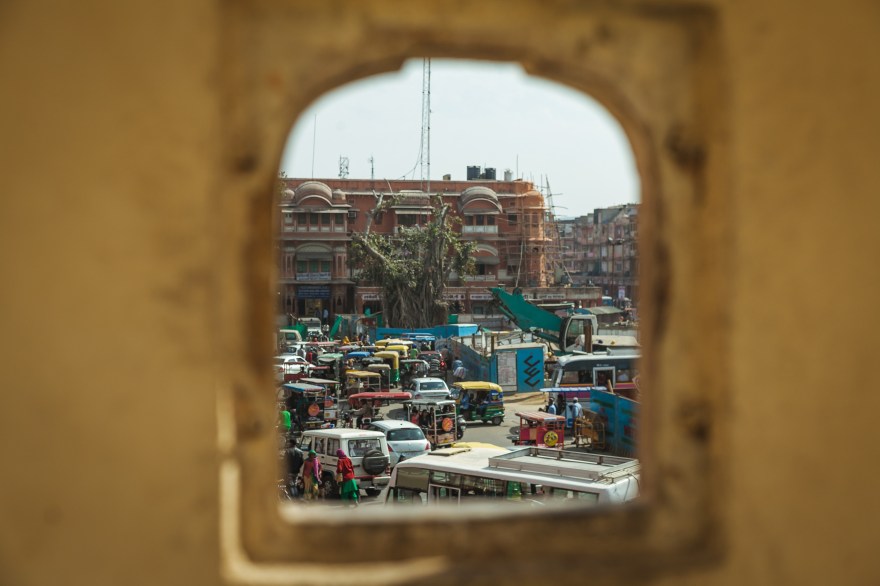
I suppose any decent travel photographer would tell you things like a good travel photographer presents a culture through images such as its food and religion. Although these are of course hugely insightful subjects into any culture, I had no artistic interest in what I suppose would be considered typical travel images, such as those. But of course, there are certain images that tick the boxes of ‘no trip to India is complete without…’ [fill in the blank]. Such as: No trip to India is complete without a highspeed rickshaw ride through bumper-to-bumper chaotic traffic before the whole city is ground to a halt because of a stubborn bull in the middle of the road who has decided that this is a good spot to cool itself in the shade while you’re doing your damn best not to shit yourself from your latest bout of Delhi belly. So yes: pictures of rickshaws, cows and blokes not doing much.
One of the most fascinating aspects of travelling India, for me, was witnessing first-hand the astonishing economic transformation that the country is currently going through. Led by president Modi and his leading political party the BJP, with support from a burgeoning, well educated, young population desperate for modern jobs, the country is being dragged into the 21st century on a political platform of job creation and infrastructural development. India’s shop door has been flung wide-open to the global markets to the extent that it is now on the verge of becoming a global superpower – it’s economy projected to overtake the UK’s in 2018. The most telling mark of this new epoch is the evident demise of ideology and values of Mahatma Gandhi, a pillar of Indian cultural identity. Despite Gandhi still being greatly revered and idolised by Indians, this affinity sadly appears to be becoming, on the whole, one of superficiality. Instead, individualistic values are quickly gaining more and more stock within Indian society. The irony that only a few generations ago vast swathes of the Indian population – led by Gandhi – ploughed all its endeavour into casting off the shackles of imperial colonialism, only for it now to be replaced by a neo-colonialism in the form of neoliberal globalisation seems completely lost on most Indians. That or they don’t care. And why should they? India has just as much right to prosperity as any other country, of course. But this sudden transition from third world country (to use an archaic term) to hyper-capitalism produces masses of compelling imagery and scenes. Watching the construction of a twenty story office block likely to house the headquarters of some global software company surrounded by bamboo scaffolding being erected by labourers with zero safety gear sixty feet up in the air with absolutely zero rigging gear to speak of kind of changes things… y’know?
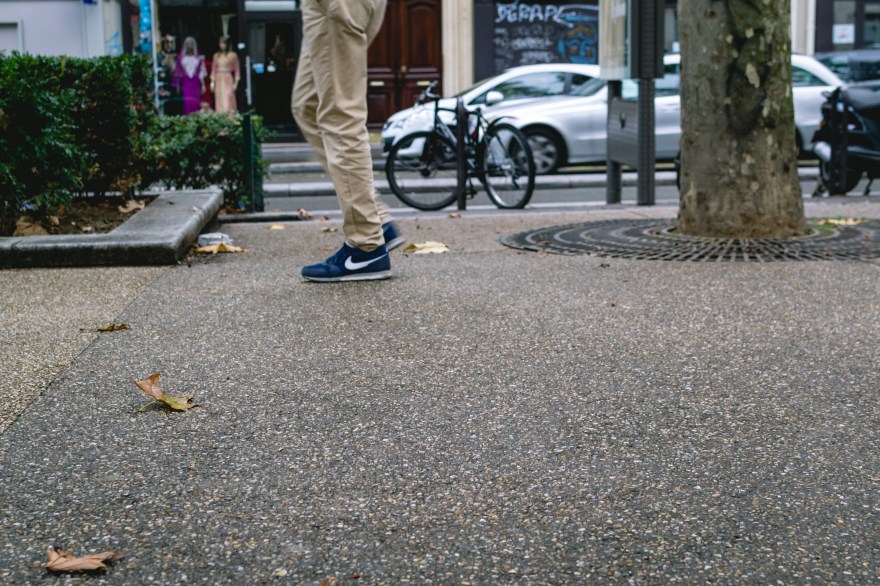
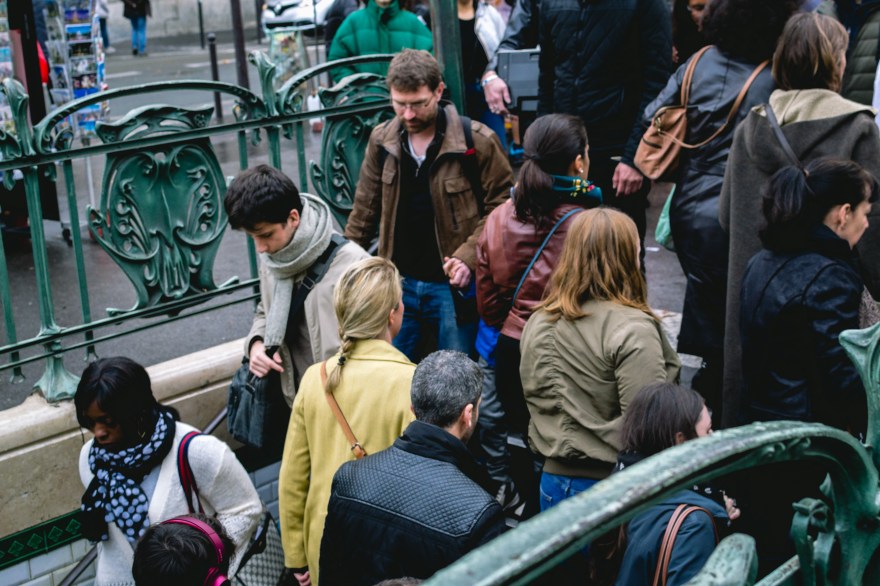
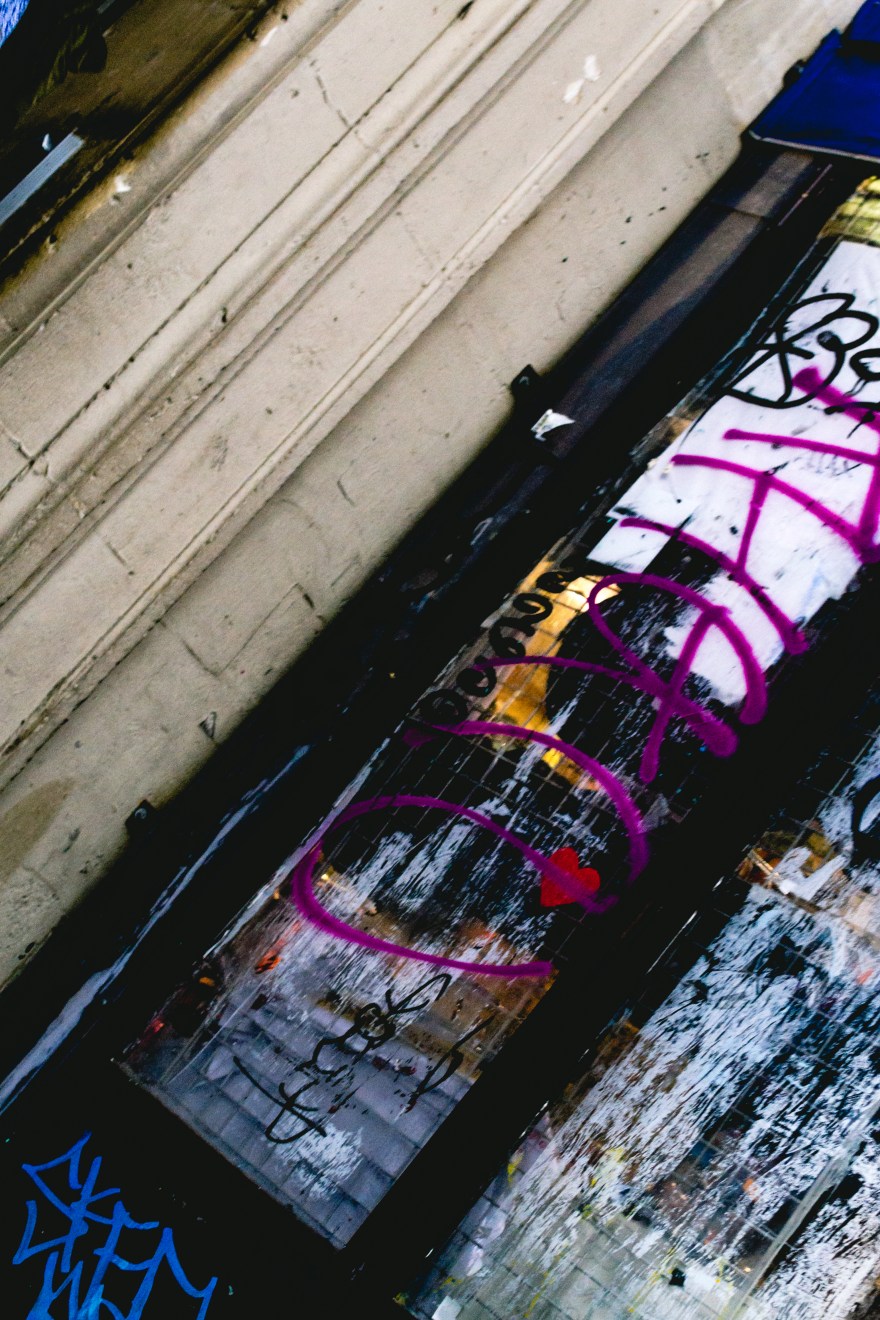
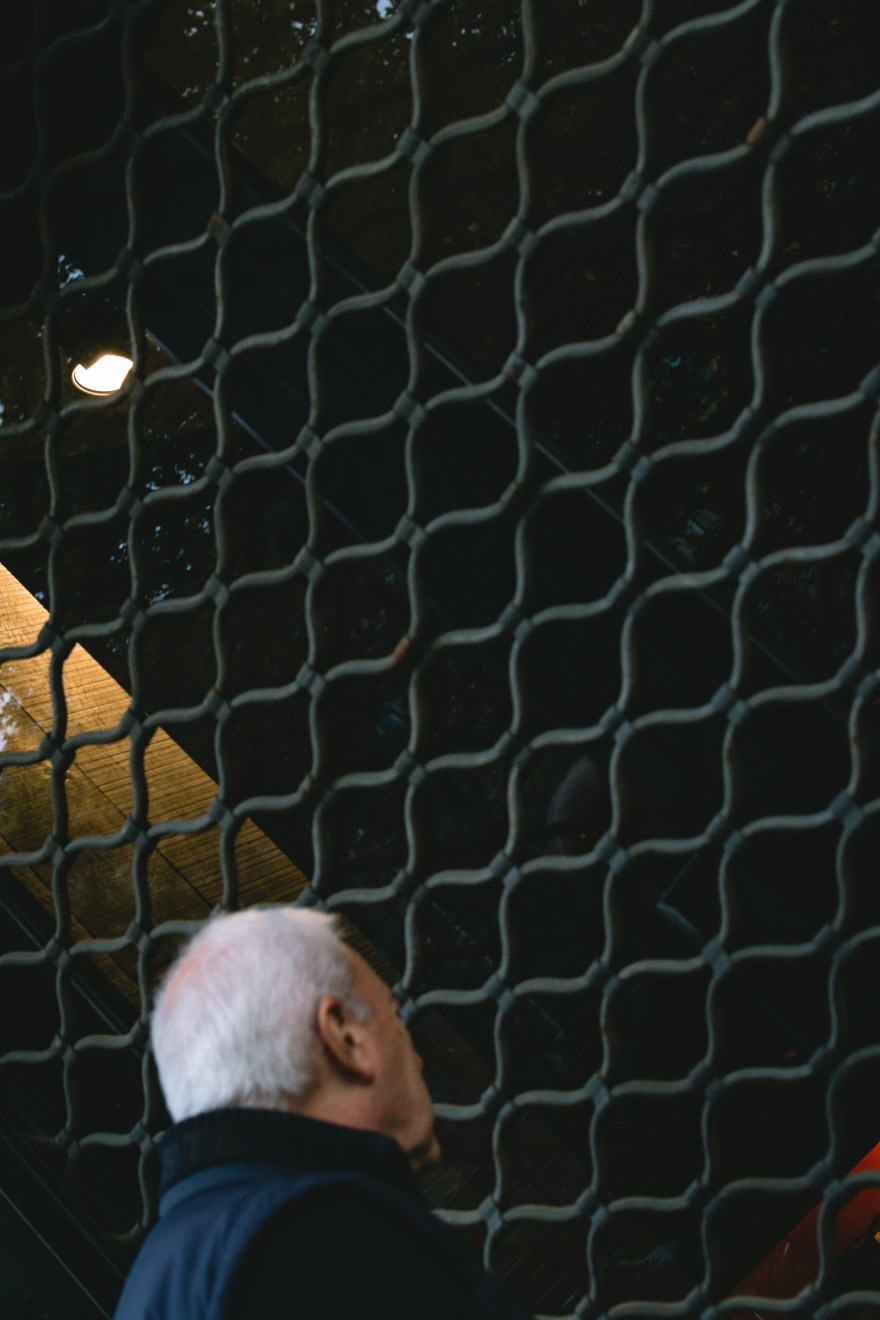
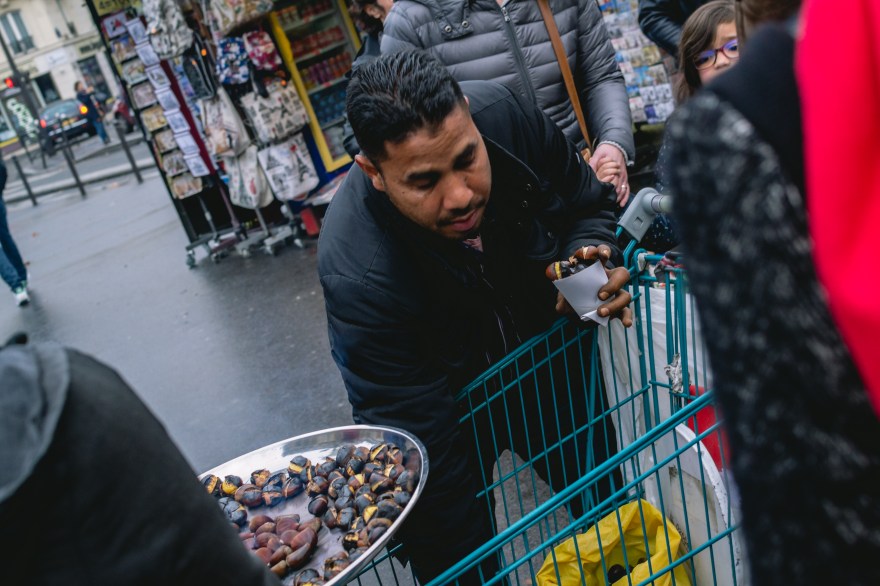
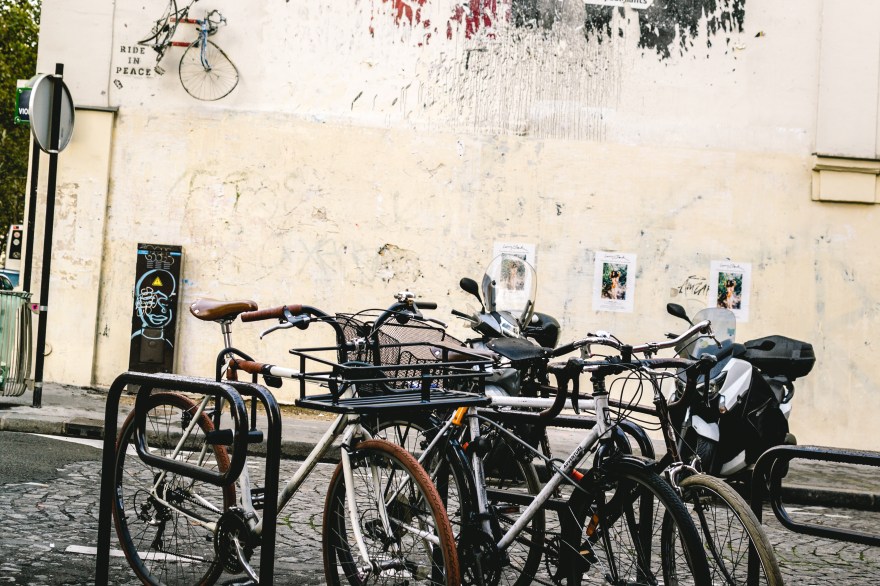
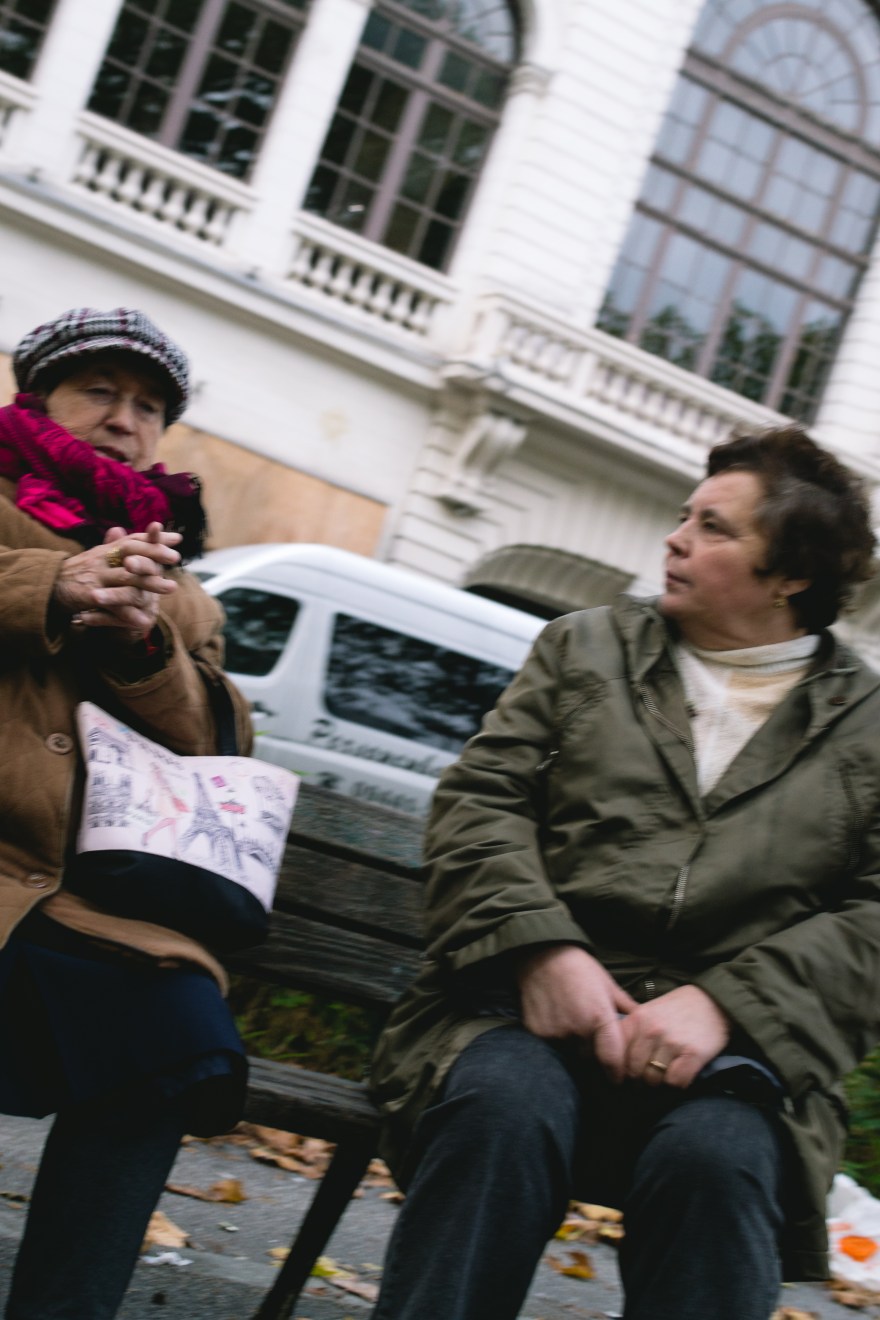
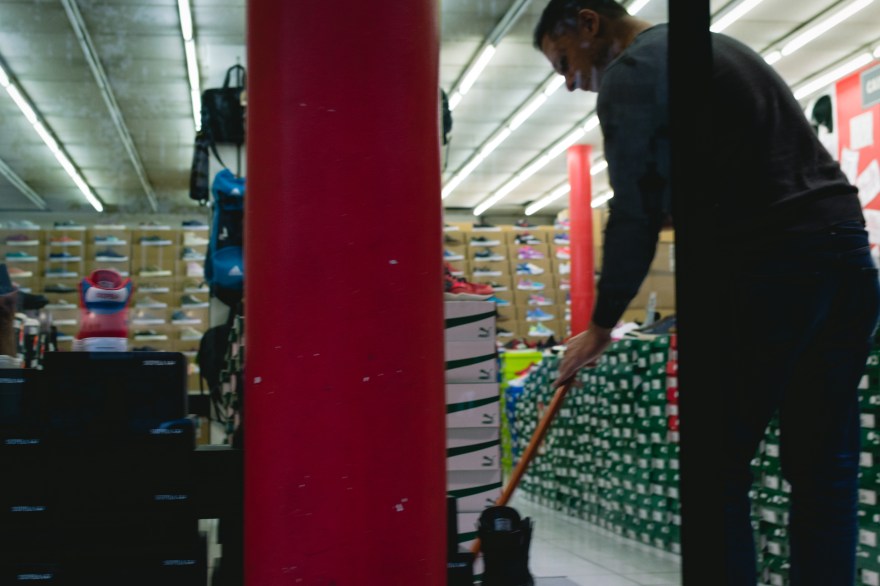
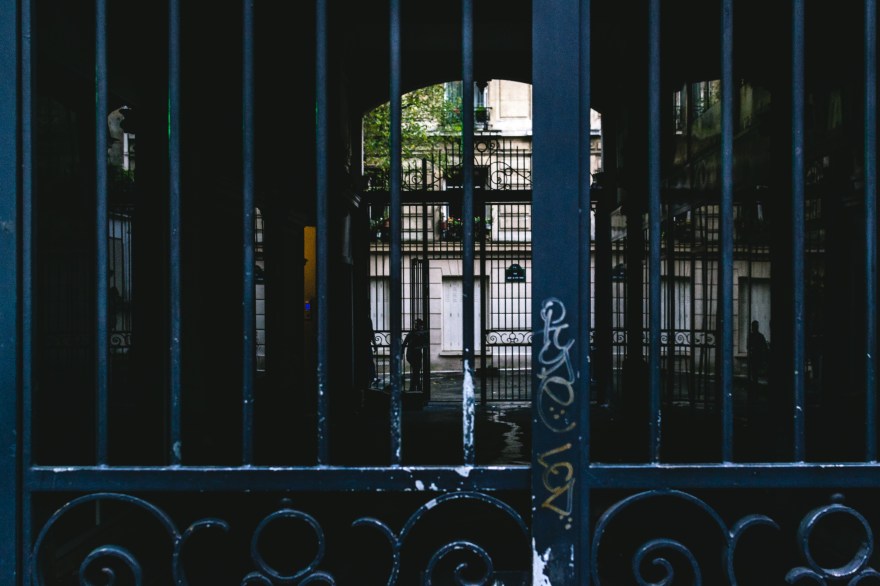
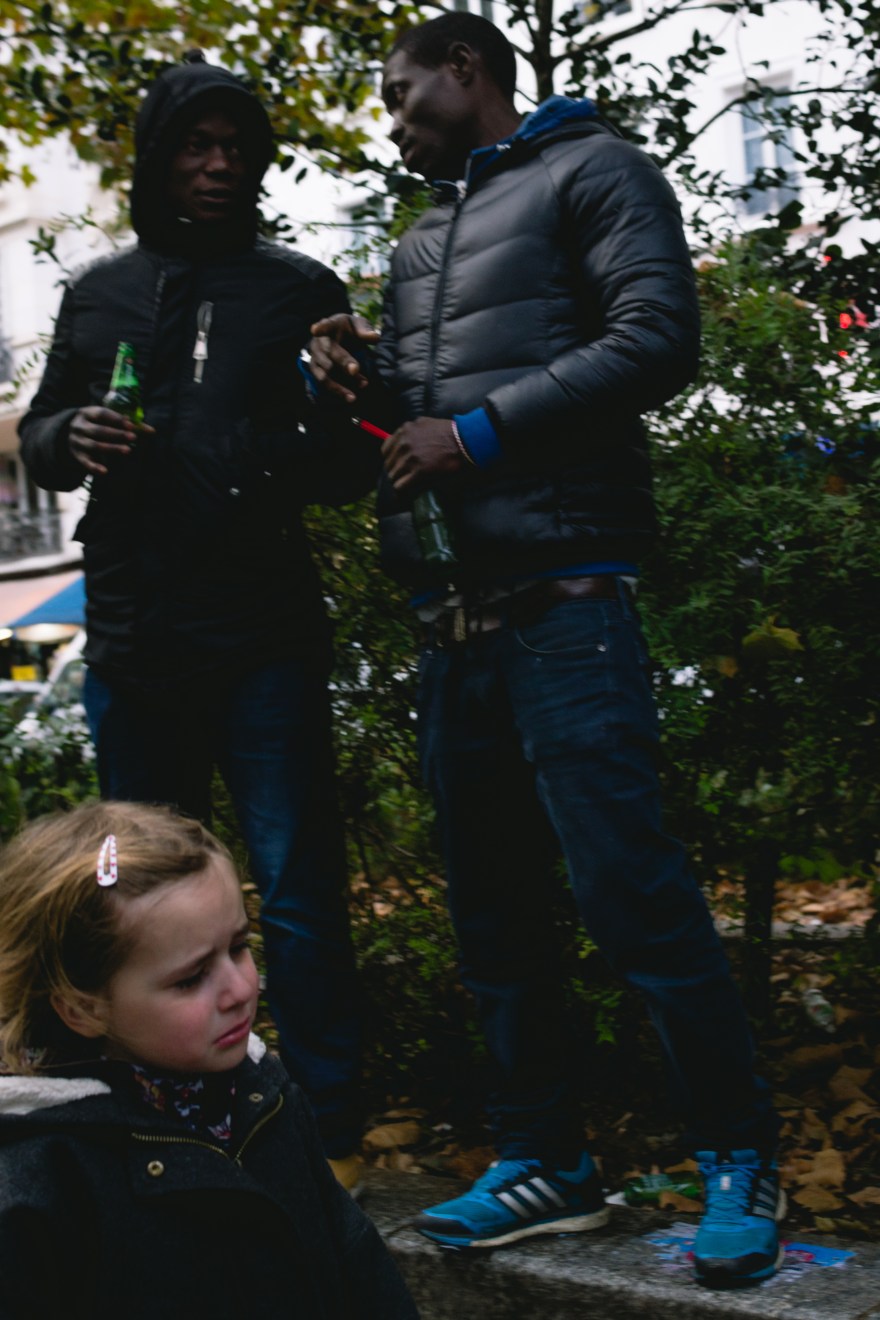
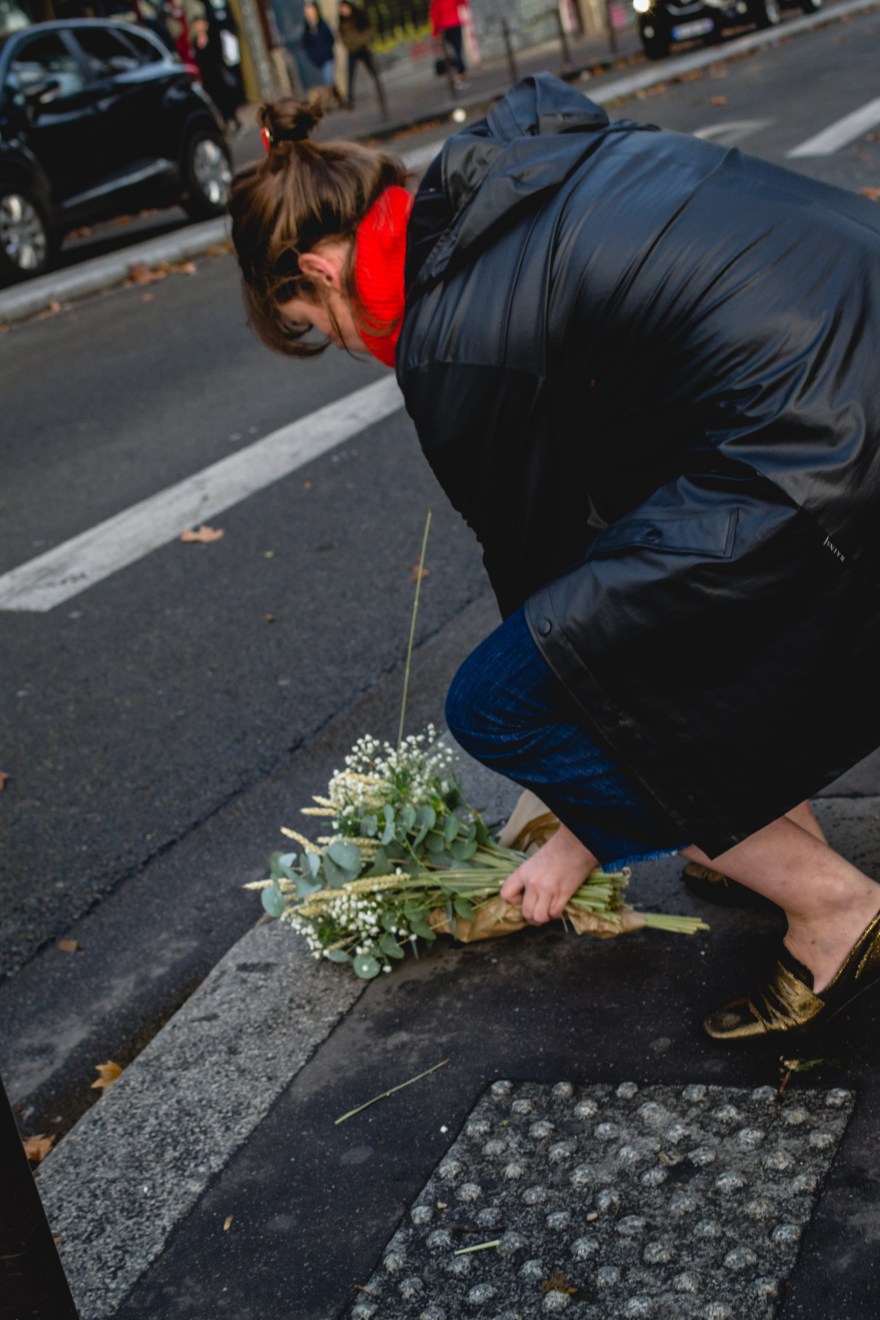
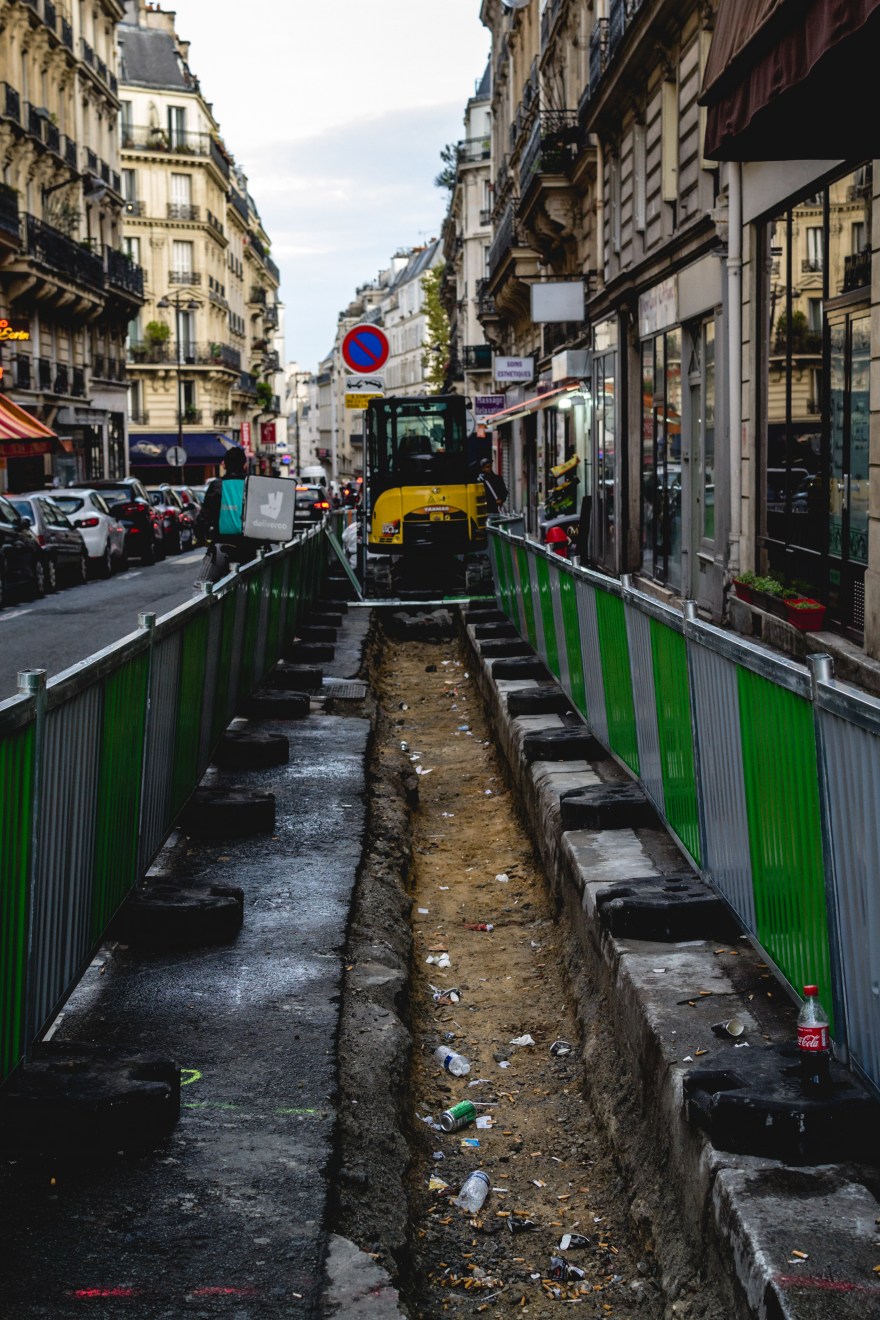
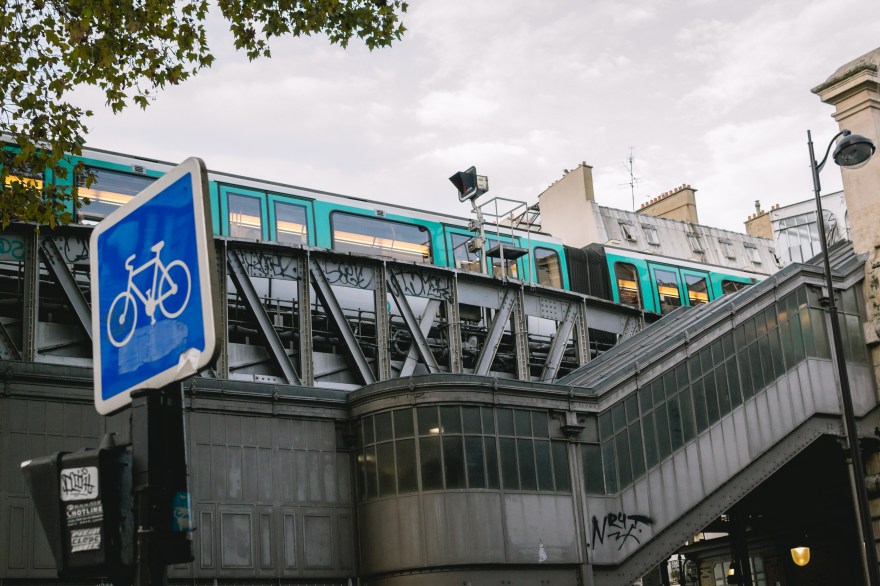
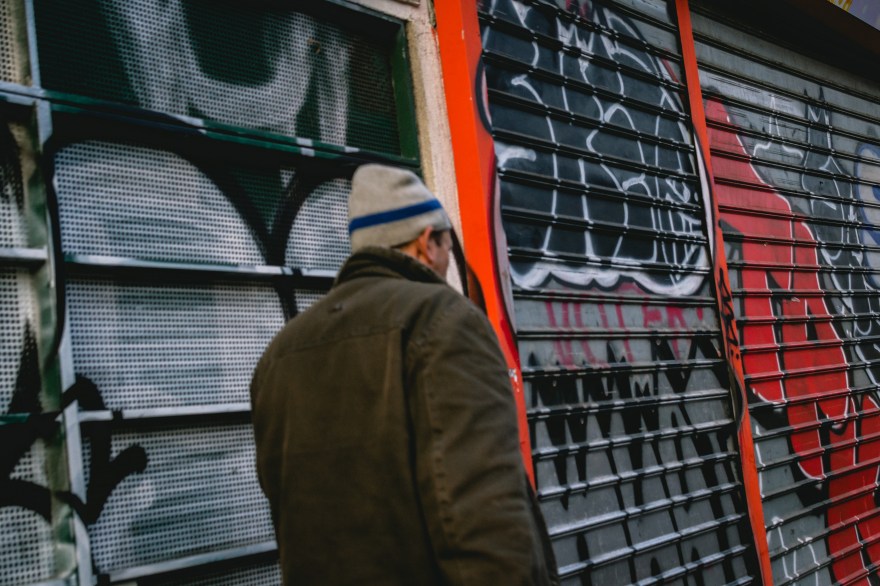
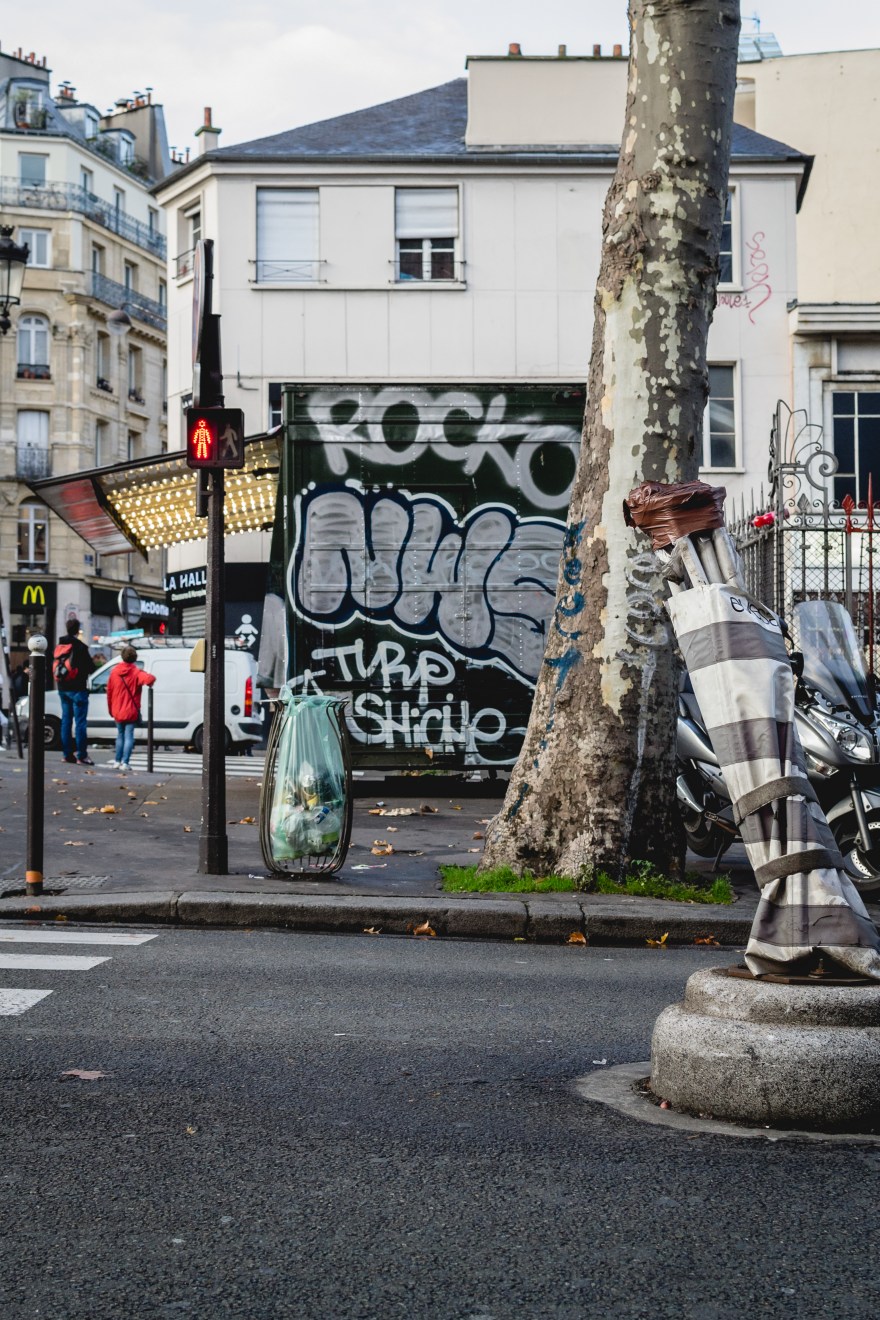
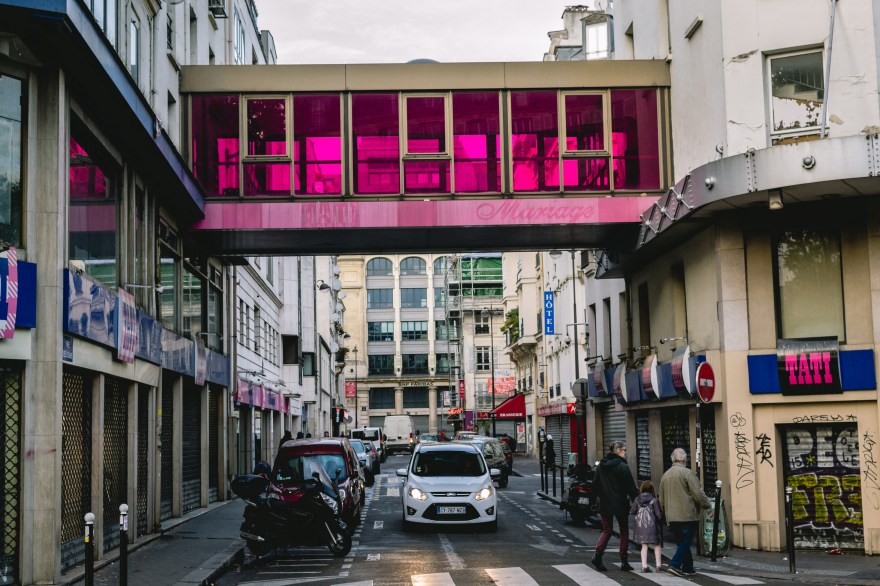
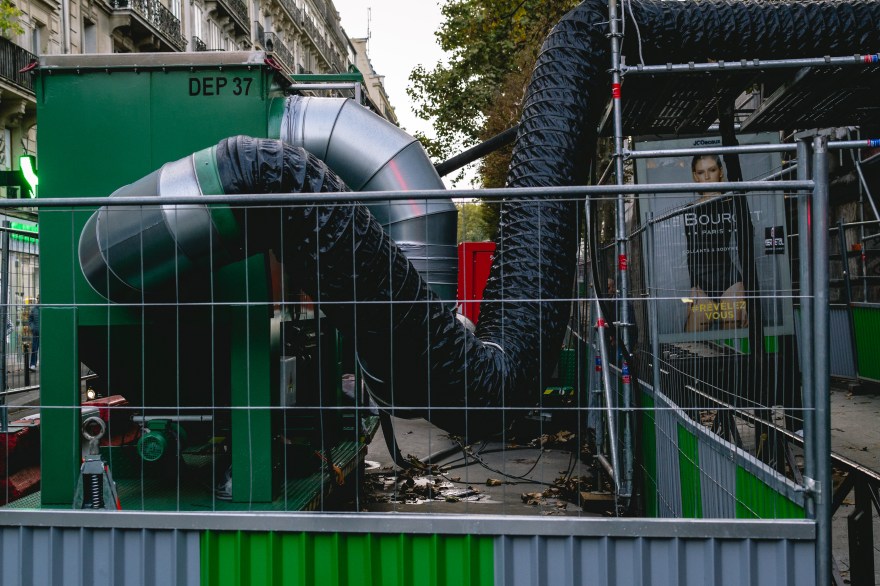
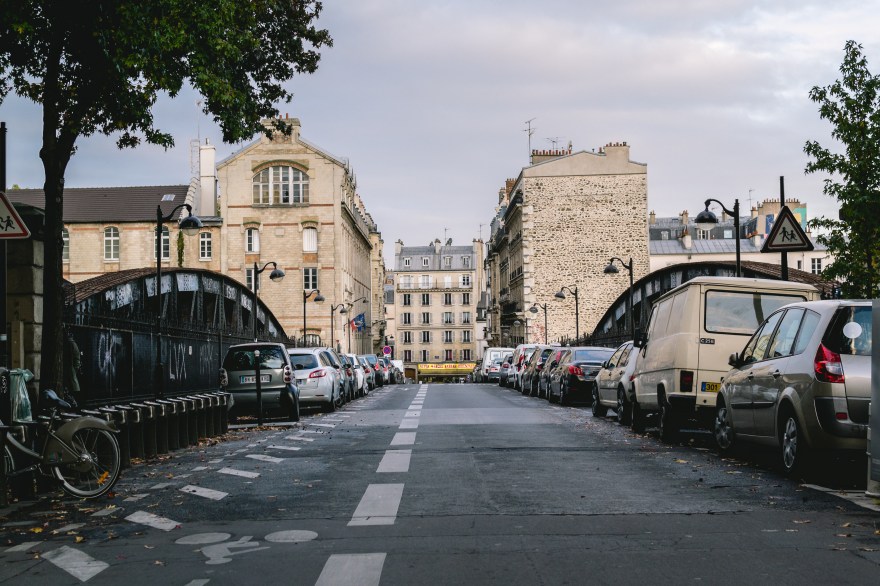
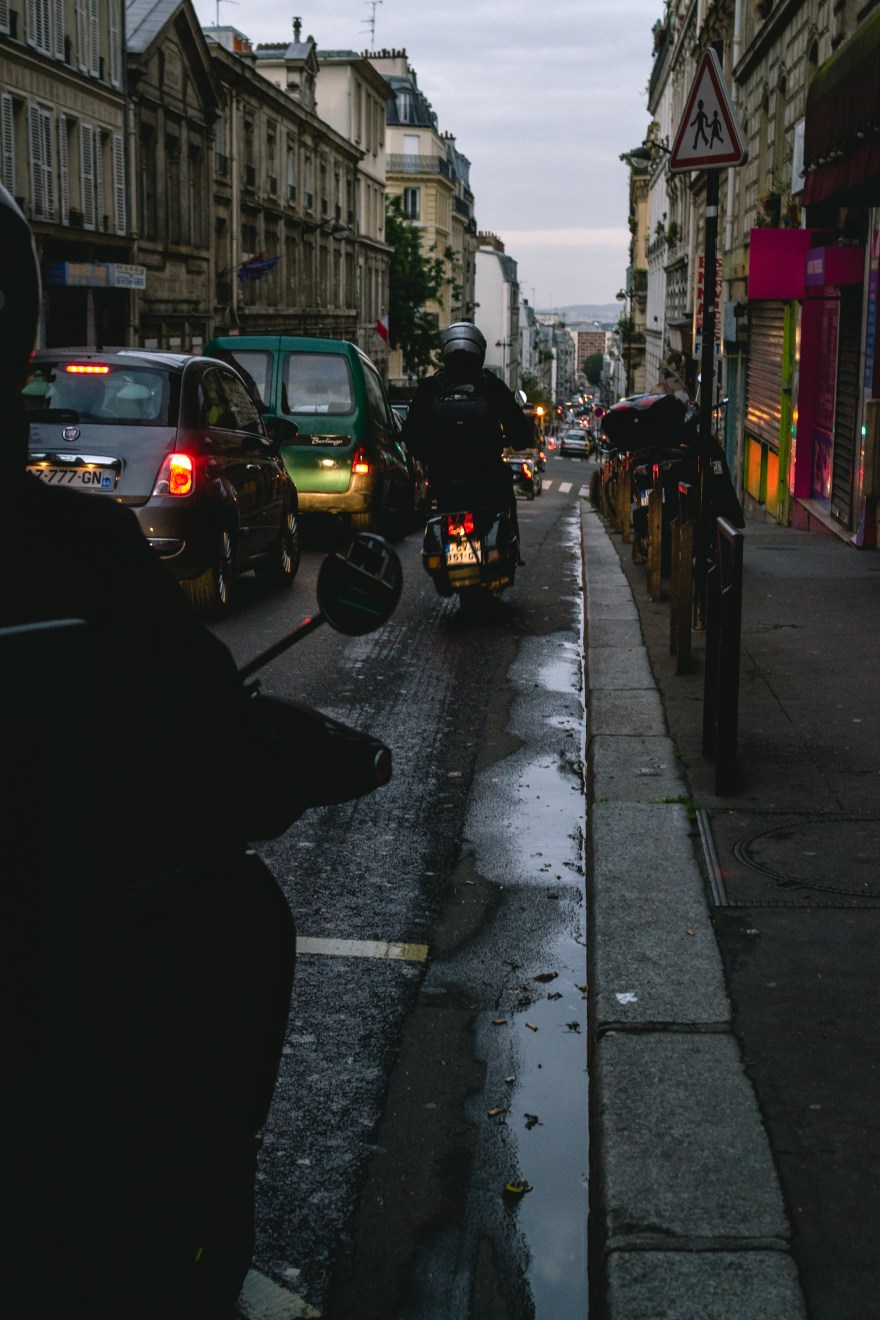
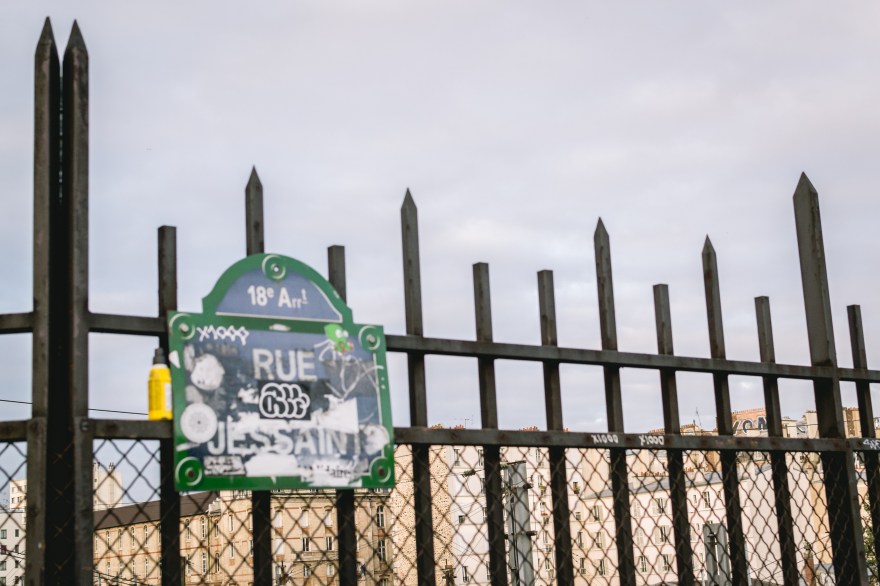
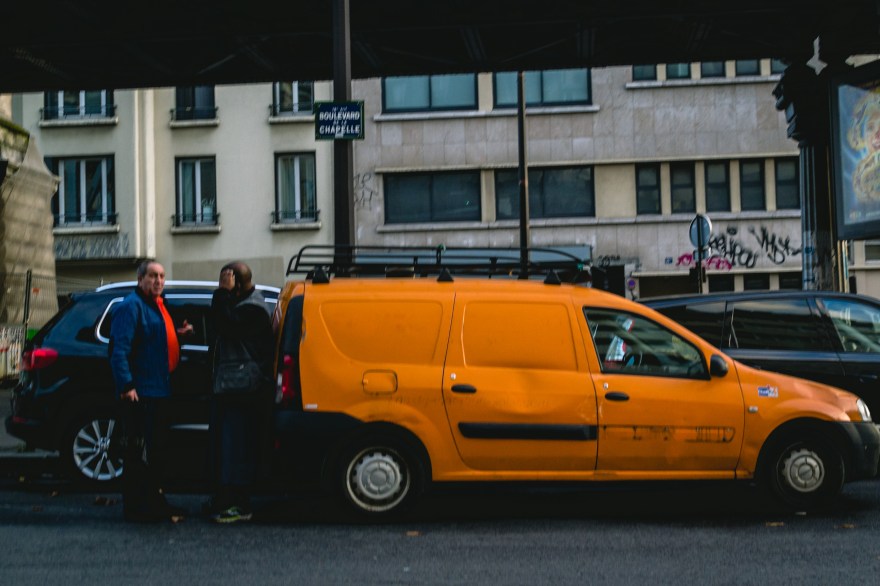
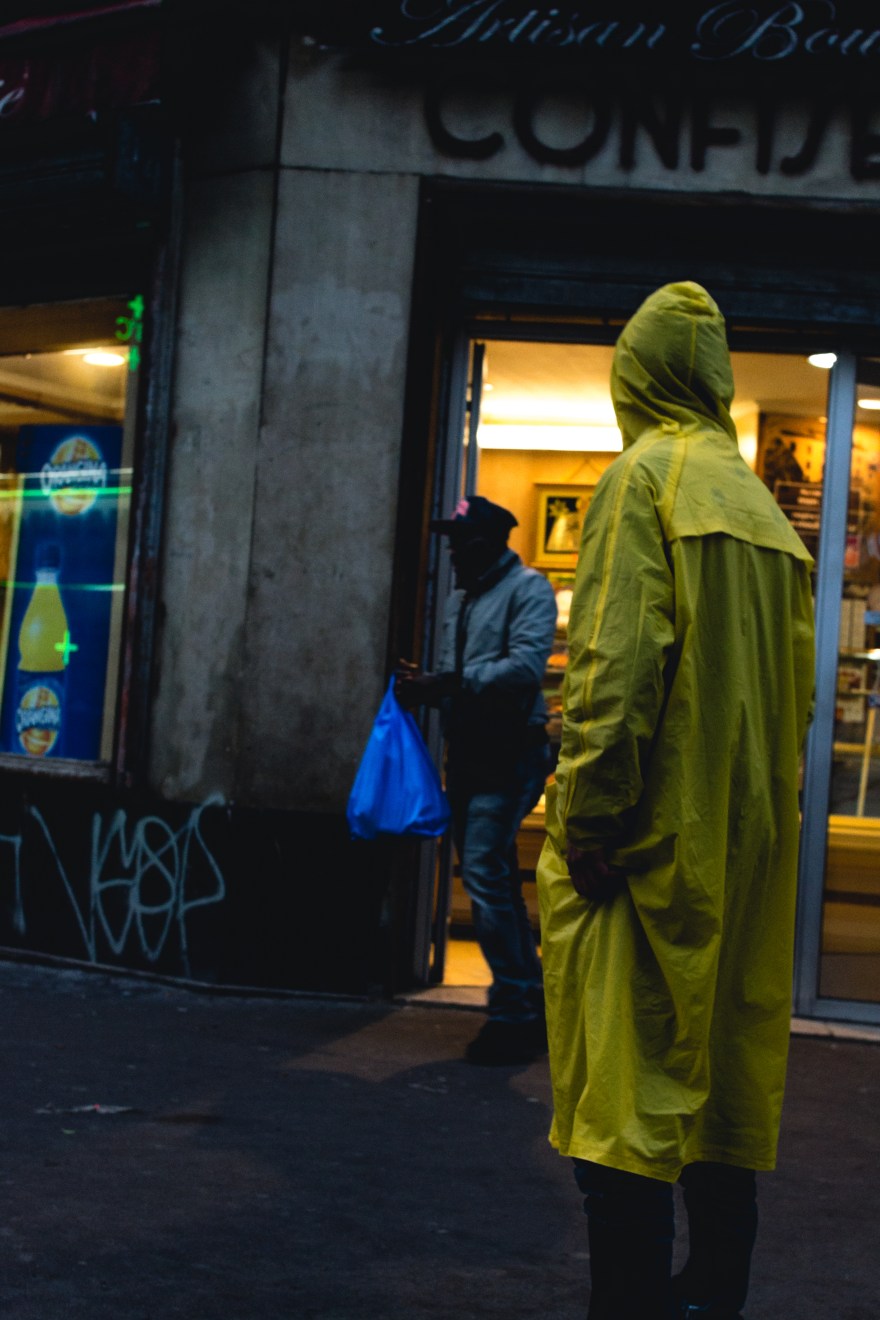
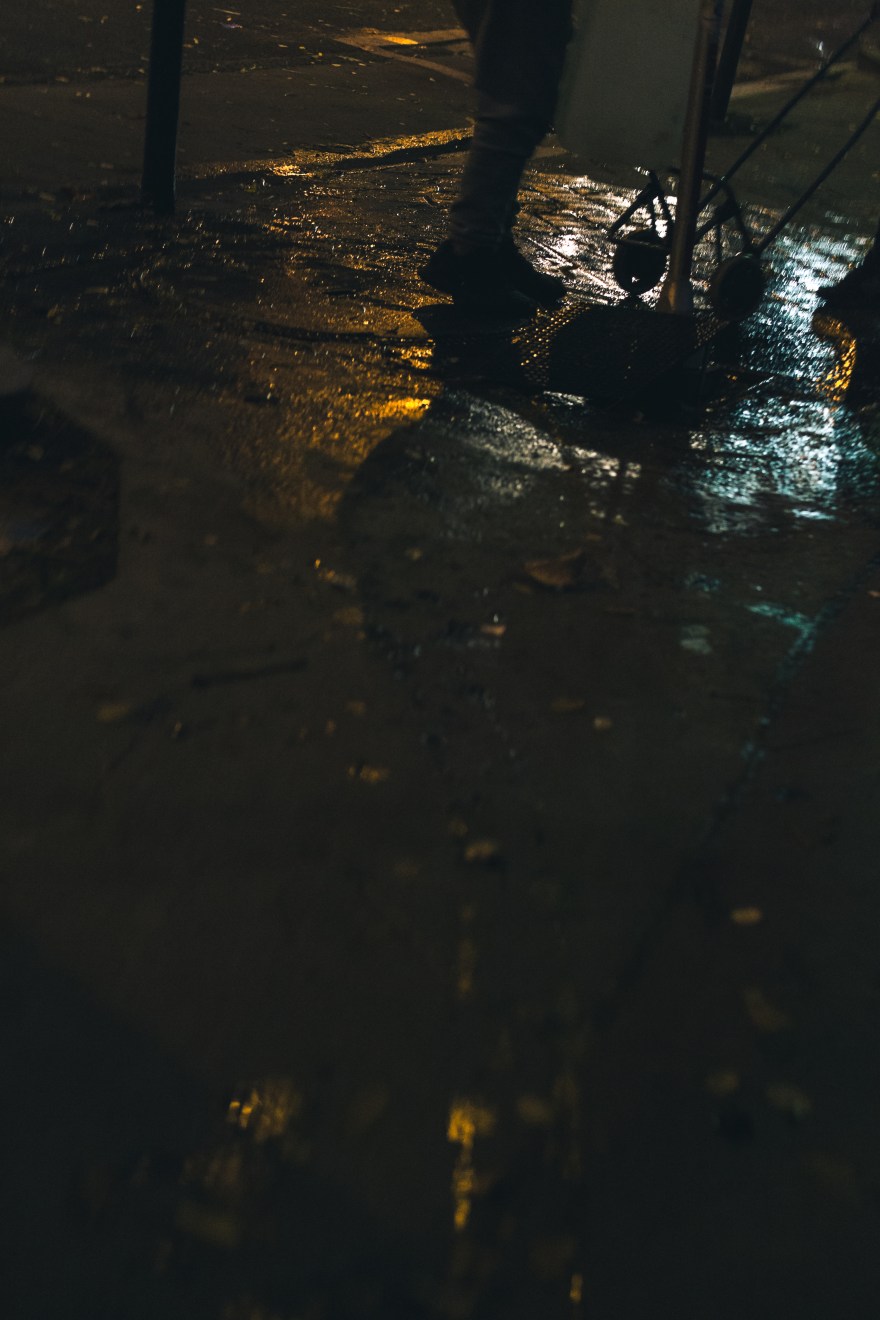
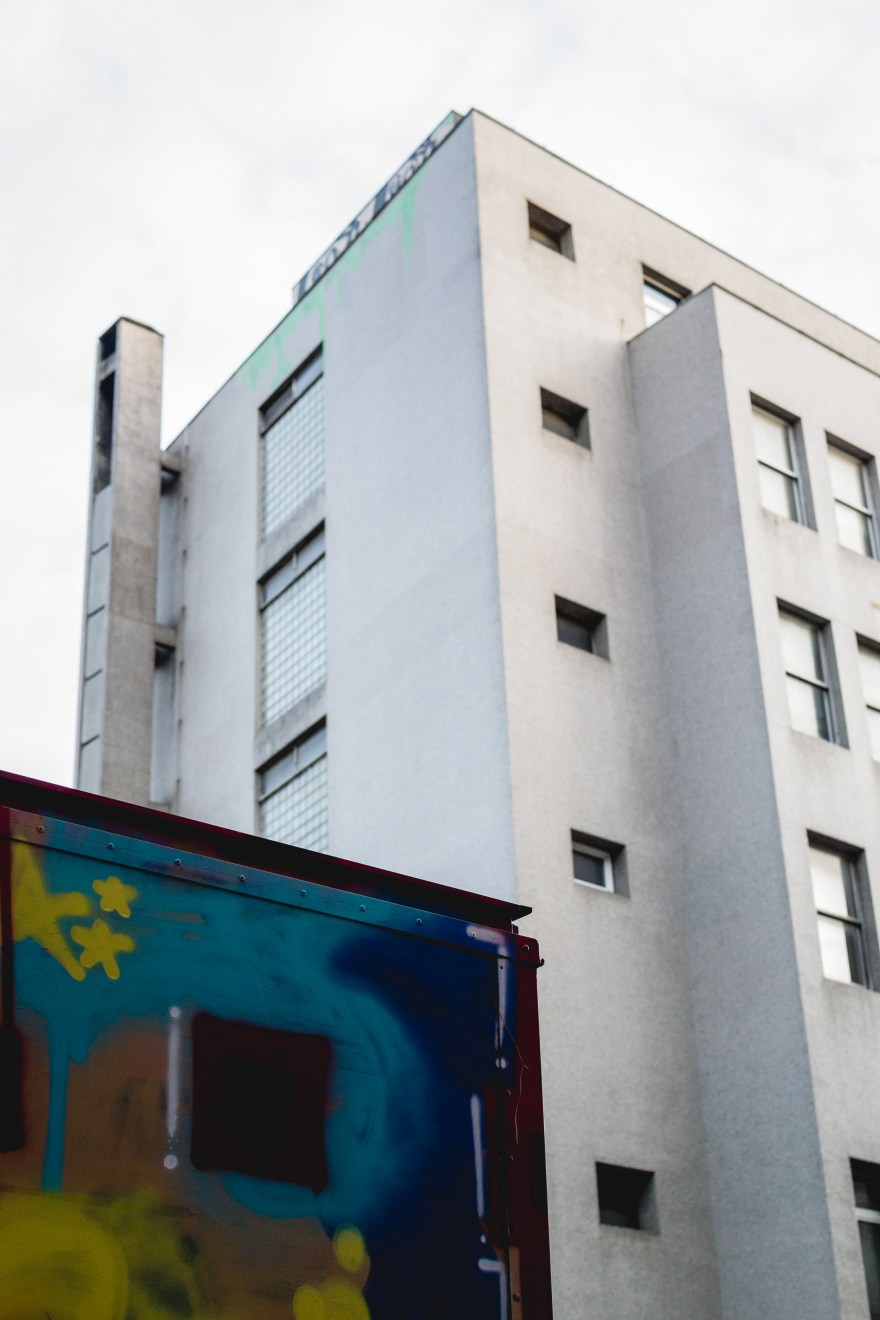
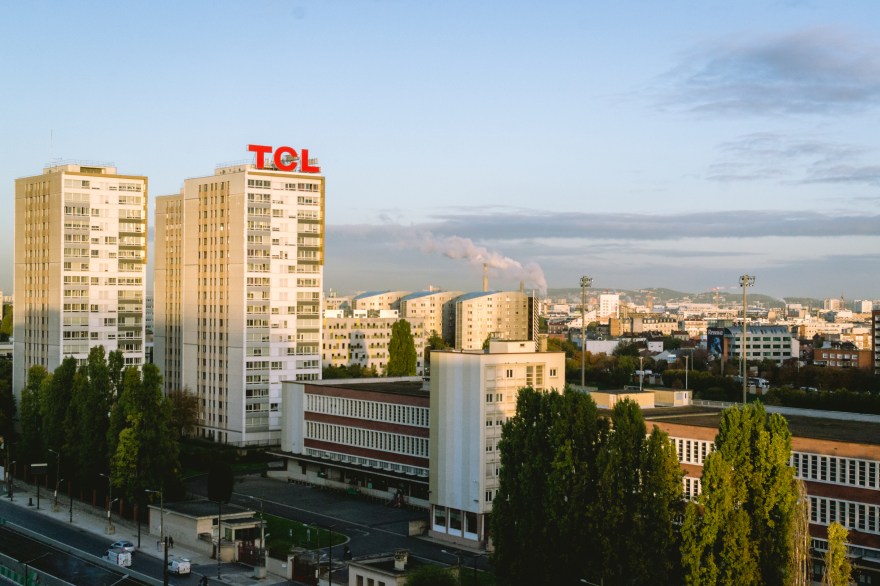
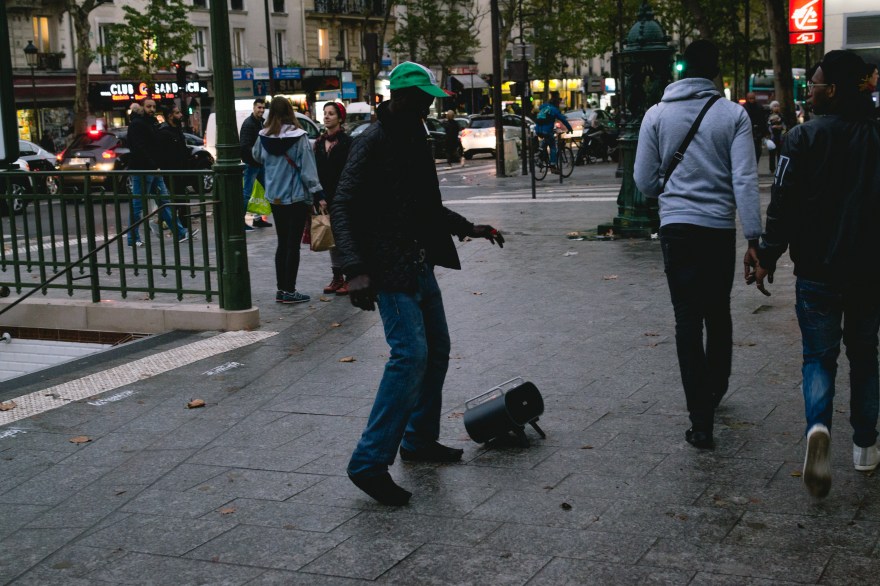
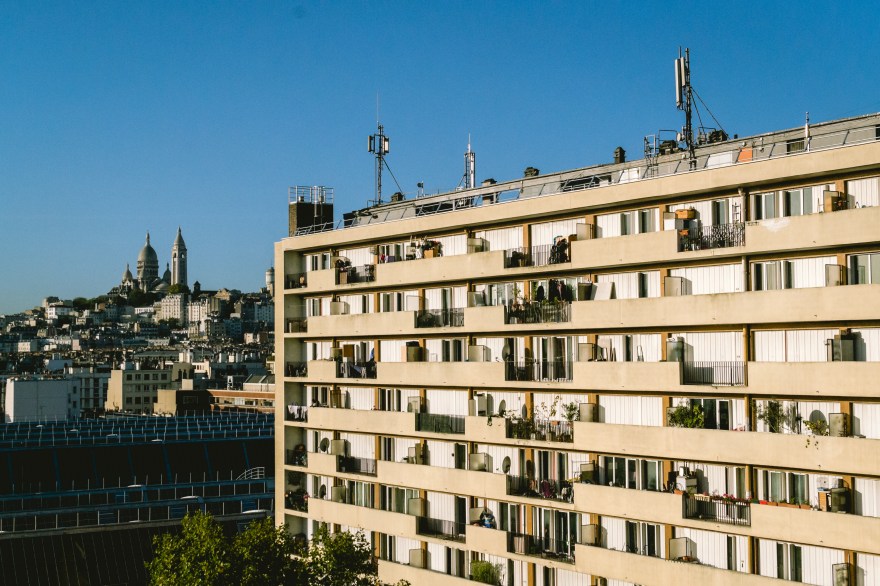
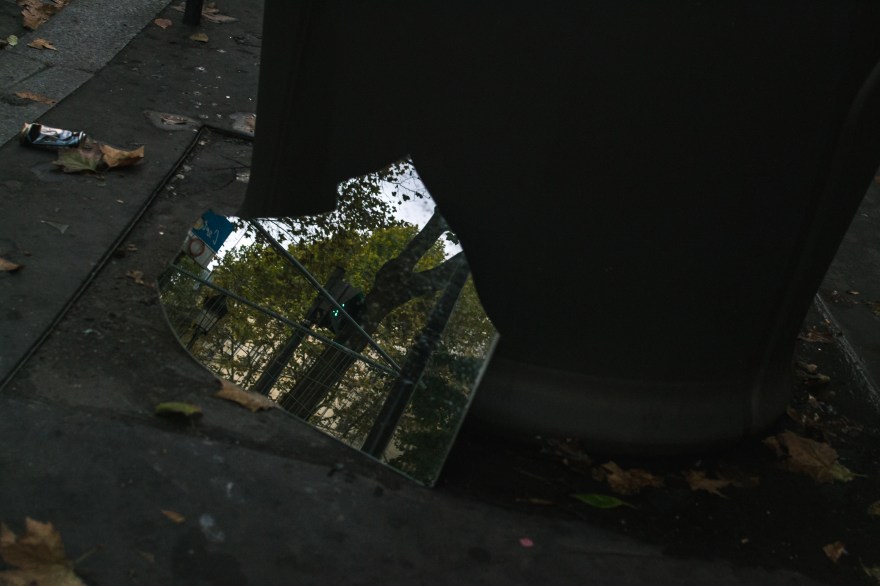
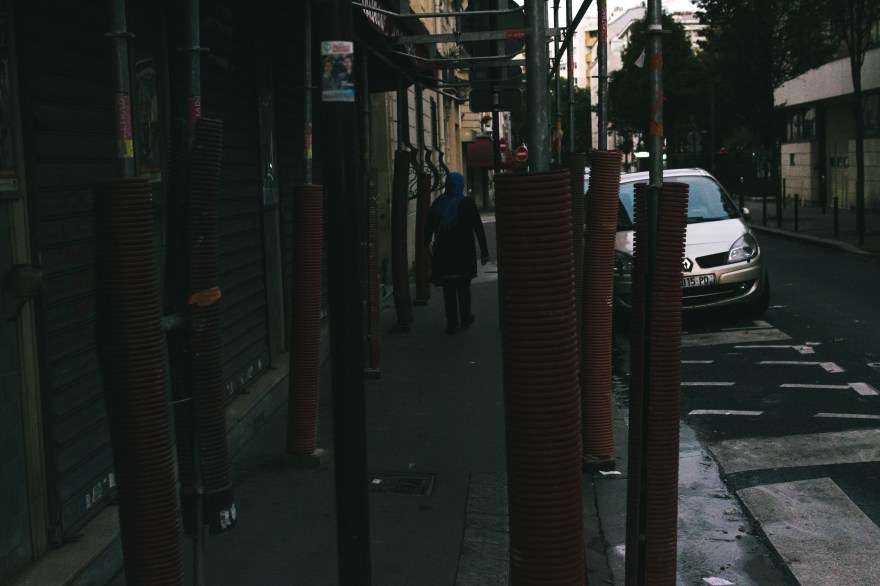
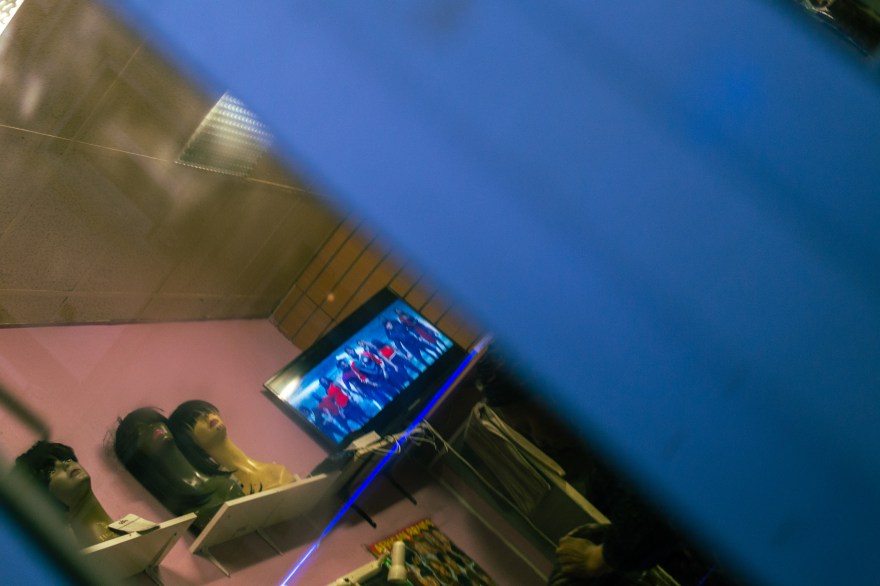
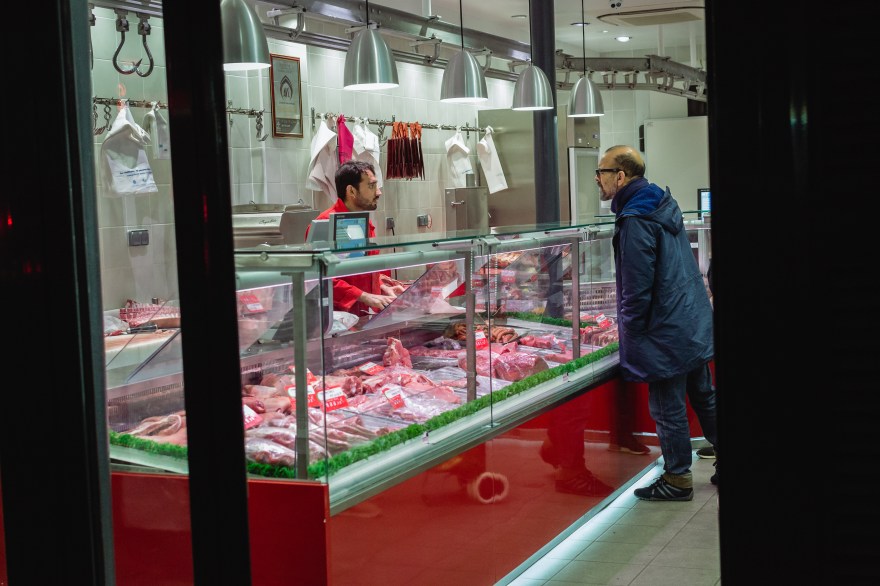
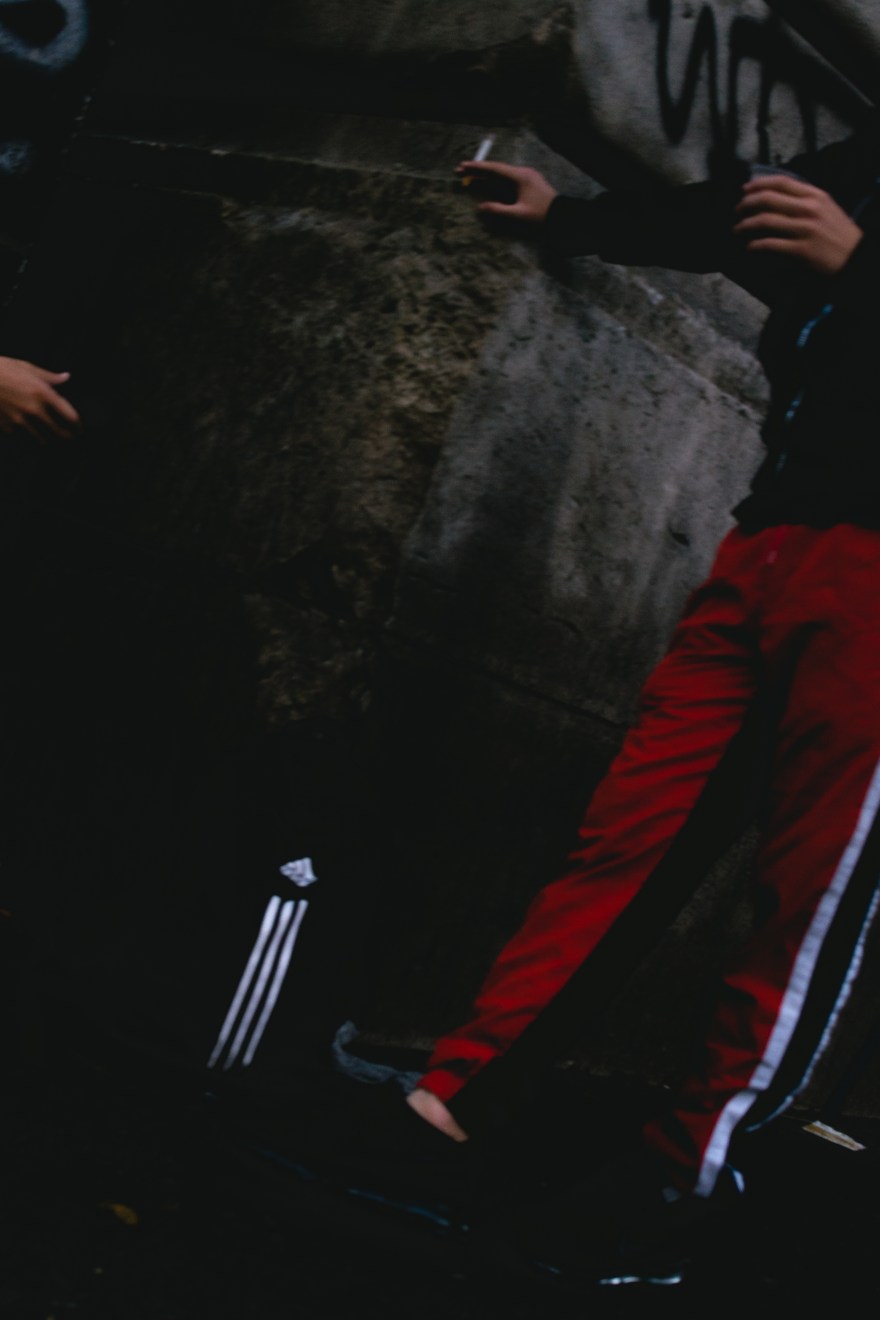
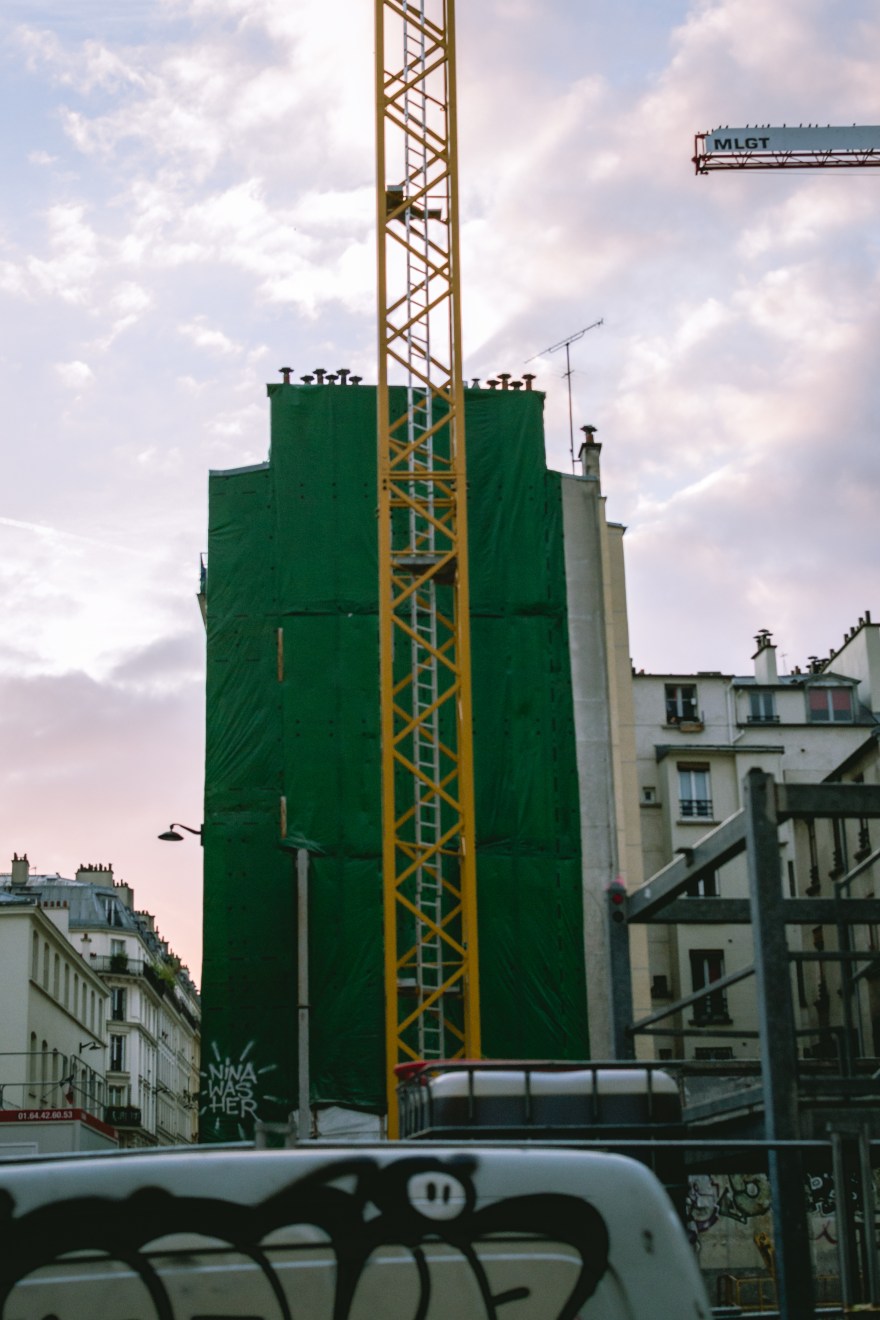
Paris’ 18th arrondissement, situated on the Northern edge of the city, is mainly associated with French bohemian culture of past centuries centred around the Montmartre district. These days you’re unlikely to find anything here as exciting as the creativity and debauchery of its long-gone glory years, but if you stray away from the hoards of tourists marching their way upwards to the Sacré Coeur you will encounter a grittier side of Paris unrivalled by the grandeur of the polished central arrondissements.
The relative low cost of living here on the outskirts of the French capital has resulted in the district being largely populated by low-income immigrants who can make an income by selling to or hustling tourists – creating a vibrant and exciting environment in the more touristy areas, and a mix of friendly, multi-ethnic community by day and seedy underbelly by night when you find yourself off the beaten track. All the while early signs of gentrification are also beginning to seep into some areas. These factors make the 18th a fascinating subject that paints a picture of a lesser-seen aspect of The City of Lights…
During a recent trip to Spain I paid a brief visit to a community living in the foothills of the Sierra Nevada mountain range in the Andalusian city of Granada. I travelled there with my girlfriend and arranged to meet up with an old school friend who had been travelling around Spain during the summer.
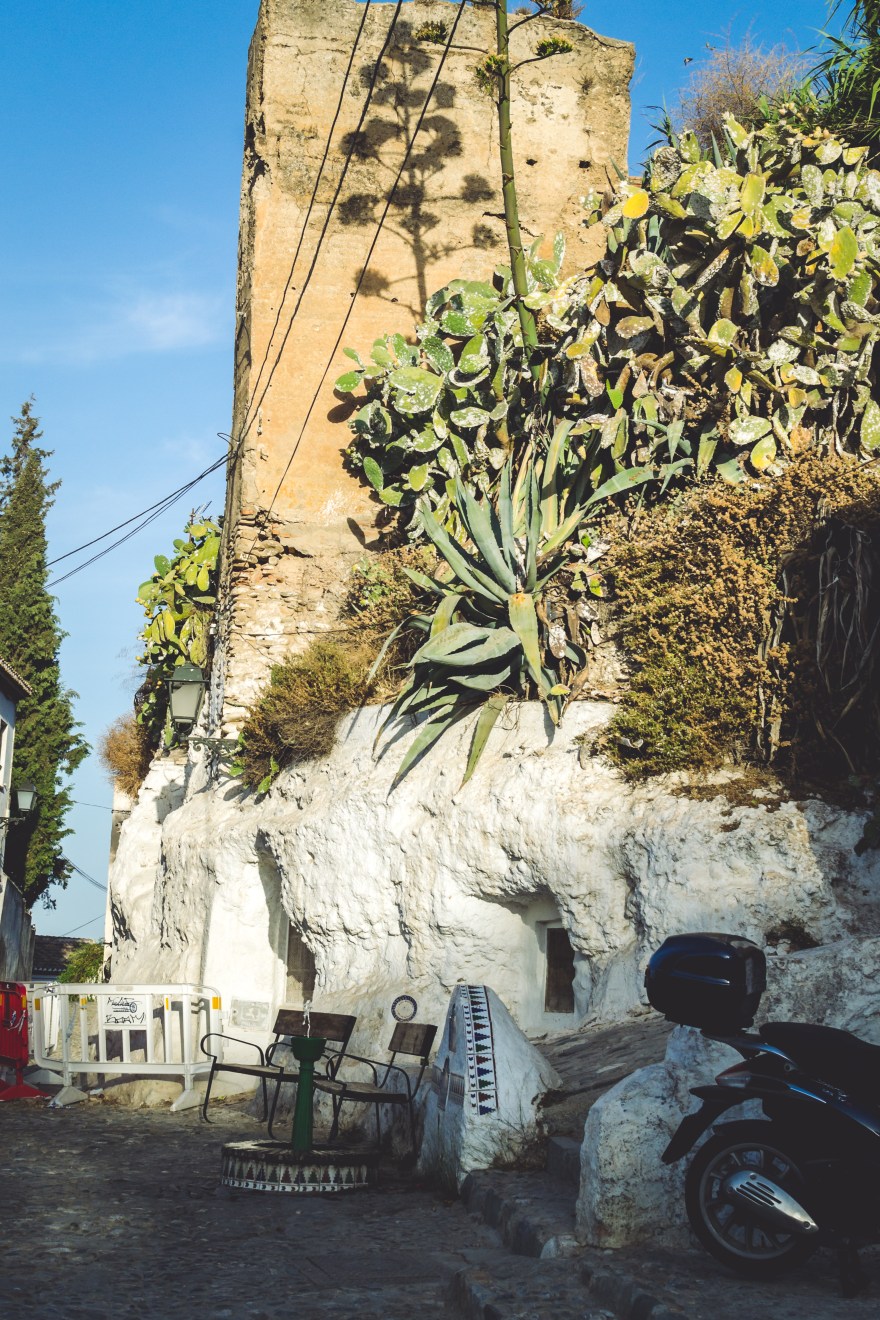
It’s a short bus ride from the city centre along steep, winding roads up to the district of Sacromonte on the city’s outskirts, where I had read about a community of people living in caves built into the hillside. The district itself is mainly a quaint suburban hamlet of small, white-washed dwellings that is renowned for its flamenco dances and association with Roma Gypsy culture due to the area becoming largely inhabited by communities of Roma Gypsies following the expulsion of the Moors from Spain in the 16th century. Roma Gypsies continued to live there even up until recent decades, but since then the majority of these caves have been transformed into modest houses filled with modern conveniences with everyday people living in them, and the perpetuation of any vibrant Roma Gypsy culture there is mostly just a show for tourists, at least from what I saw.
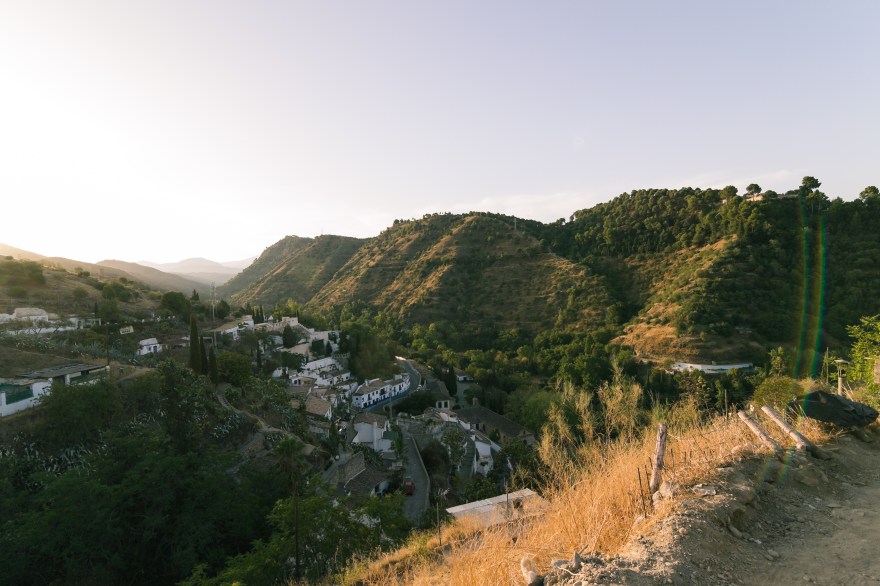
District of Sacromonte in the foothills of the Sierra Nevada mountains
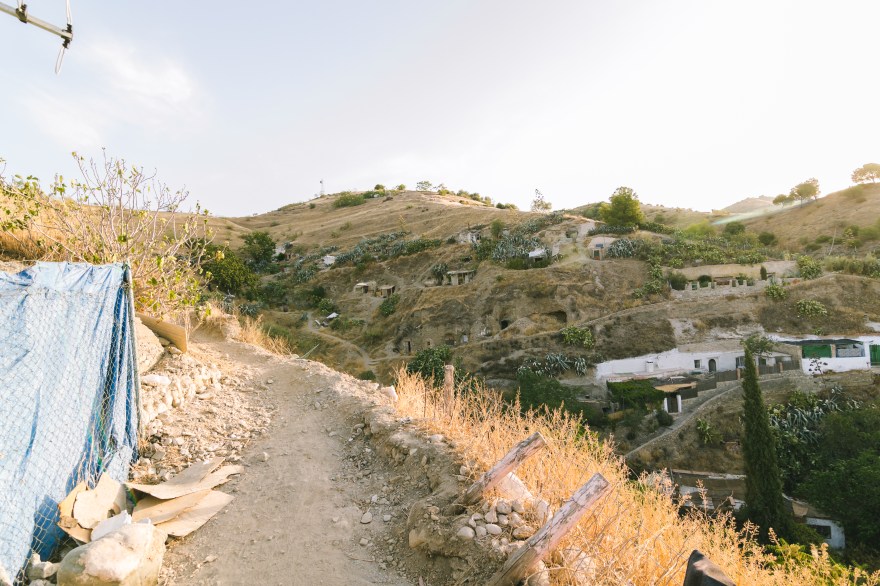
However, if you penetrate slightly deeper into the district and climb just a bit further up its slopes, you will wander into a more rustic landscape featuring cruder constructions with cave entrances spread all over the hillsides. These have become the homes of an ever-shifting mix of migrants, travellers and lifestylers who have adopted these caves forming a vibrant alternative community. After a little bit of exploring we found ourselves in an area of this community that they call ‘El Valle de las Naranjas’.
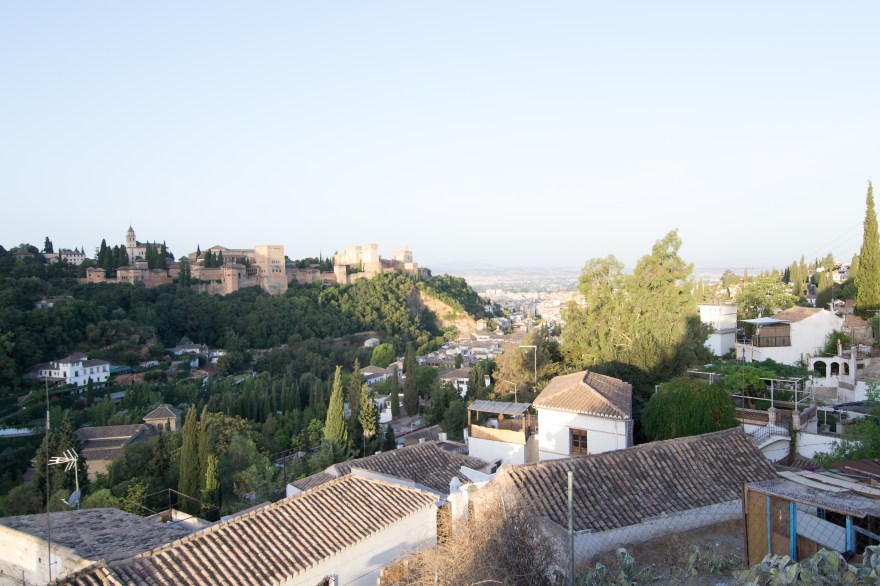
Here pebbled walkways and tiled roofs are left behind, replaced by dusty paths and canvas doors. The hillside that the caves are built into faces a stunning panoramic view stretching from the mountains down the valley over a sea of terracotta and further down into Granada. Looking out over the city, perched on the opposite side of the valley, is the enormous Moorish palace, the Alhambra dominating the landscape.
Looking down into Granada with the Alhambra palace dominating the landscape
At the time of the visit it was August and while wandering the dirt trail we came across a group of adolescent cats taking shelter from the blazing afternoon heat in shade cast from a patch of parched tall grass and cacti. It must have been siesta time for most of the locals as there was hardly a person in sight, with only barking dogs and screeching cicadas disturbing the otherwise tranquil setting. Stopping to dote on the cats a woman, who I had said “hola” to in passing earlier on the path, approached us. She seemed keen to engage in conversation and ended up inviting us into her home.
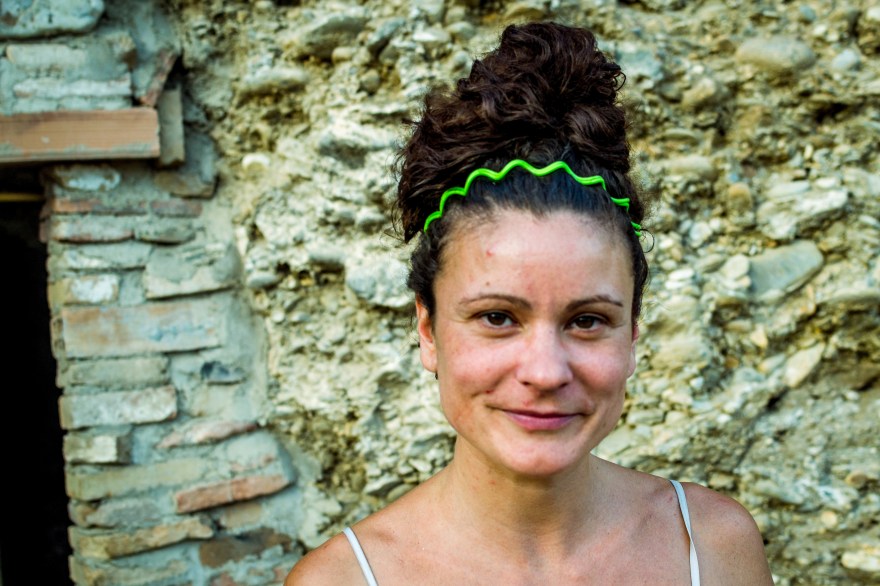
Her name was Daniela; she had been living in the cave since December and had subsequently decided to purchase it from the previous owner.
Daniela, with fresh scratch on her face in reward for rescuing a greedy cat from a dog’s dinner
She was originally from the Wirral area of England and began travelling after deciding that studying for a degree in Law in Northwest England wasn’t the life for her, then going on to travel around the world living in several different countries, which distorted the typically distinctive Merseyside accent. Inside, her cave was an open, relatively large and comfortable area with covered floors and furniture that led into a couple of other rooms. The space emanated a definite sense of home and was certainly more than just a rudimentary shelter, but it was also in need of some repairs, especially to make it more habitable during the approaching colder months. Up until recently an Italian person had been staying with her and helping with some work, but at the moment there was no one to help her.
Previously Daniela had earned a living growing and selling plants. Her hope was to plant a garden in the earth just outside of her cave. She explained the difficulty in this as the area gets so little rain for much of the year and the only free access to water was from a small fountain that was a short trek away but would be difficult to carry back up the hills by herself in any amounts sufficient to maintain a decent-sized garden. Daniela offered to show us around a bit – taking us to one of her neighbours who lived in the cave just up the slope directly above hers. Her neighbour, and good friend, was, Marino, who after a bit of rousing emerged slightly dazed from his cave entrance, but greeted us warmly. We all sat down together outside his cave in the warm sun of the early evening. After a short rendition on his guitar (which had two strings missing) we sat around talking. Marino was a half Italian, half Spanish with Roma Gypsy heritage. He made his living from busking in the city. He was a jolly character speaking good English and with a great sense of humour. But there was also a sadness to him – being slightly vague about his past, which of course he had every right to be if he chose. He also didn’t want his picture to be taken, which he alluded to that it could cause trouble for his family if it was seen online, but also because he was taught that having your picture taken takes a person’s soul.
As we sat around speaking I got the opportunity to learn more about the community from Daniela. She explained that the only other source of water was from a home on the opposite hillside only a stone’s throw from hers, but that the person who lived there was not always willing to give access to the water for free. Money seemed to have a great hold over the community, leading to some opportunistic behaviour including instances of stealing. One of the ways some people made money was by selling drugs to tourists. The day before a tour guide in the city had approached us who worked for a tour company that took people up into the cave community. One of the ways he tried selling this too us by saying that the ‘hippies there give you free beer’. Both sides were clearly taking advantage of the community being a pull for tourists, but it was a reciprocal relationship and a means of survival for some, I suppose. Daniela seemed amused by what I had told her about the tour guide, and also seemed to take some offence. She said that she had no money at all and relied on food donations from a food bank in a local church to get by. At one point a group of tourists did even appear on top of the opposite hillside and seemed to stop to watch us sitting and talking, which did create a strange feeling of being a kind of human spectacle or sightseeing attraction.
Tiny fountain – the closest free source of water for Daniela
It struck me that there didn’t seem to be a general, shared politics to the community giving it some kind of social cohesion, seeming quite fragmented and individualistic. Daniela felt that many people probably might identify themselves as punks or something similar but there was no hard ideology or general cooperation inherent in the community, except for the odd party where people drank to much and things tended to get out of hand, she told me almost wryly. This brought up some other problems with the community, such as alcoholism, which Daniela said was rampant in the community. This, mixed with the fact that there were very few women living there, resulted in the sad fact that she had had to defend herself from physical harassment from men on occasions; learning some important lessons early on about looking after herself in such situations, often meaning removing herself from them. Most of the people living here owned dogs, Daniela herself owning two, which now seemed an obvious practicality.
However, despite these issues, Daniela was generally very positive in her sentiment towards living here, particularly regarding the future of the community, saying that even in the months that she had been living here things were improving.
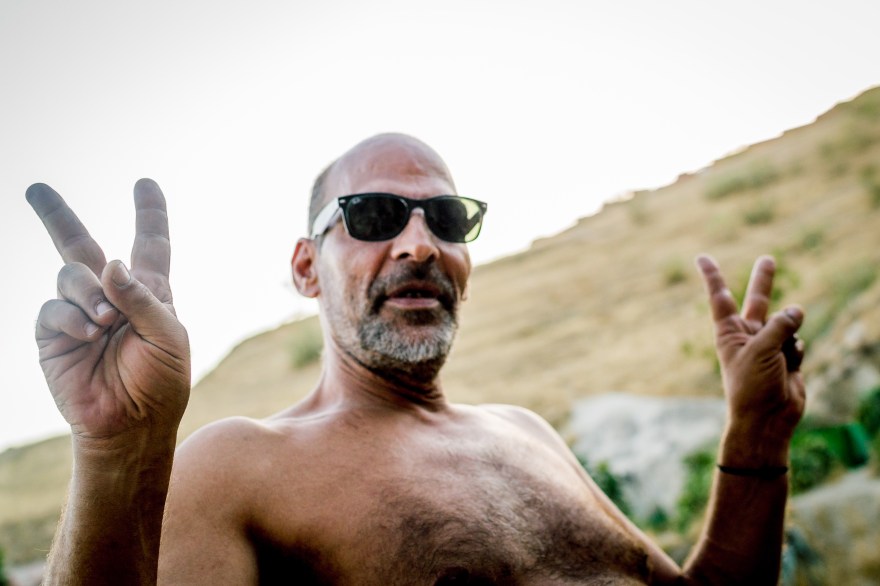
Eventually we were joined by another, a man named Placido. Placido was from Bulgaria; spoke very good Spanish but almost no English whatsoever, so conversation had to be translated both ways. He was extremely generous and had a constant smile. The more positive aspects of the community seemed to shine through Placido, straight away almost upon meeting him he wanted to share with us and to make friends. He brought with him his infant puppy that everyone wanted to play with. He also brought food and drinks, sharing them out to us. Daniela seemed very found of Placido, who came across as something close to a father figure. Placido also did not drink, saying that he did not like the way it affected his behaviour. After negotiating our way through a conversation between us all, Placido understood that I was interested in learning about the community and invited me into his home. His cave was a single room with white-washed walls, no larger than a typical sized bedroom, containing a good sized double bed, some furniture and a cooker. Daniela told me that he loved to cook and often cooked for her. Placido seemed to get a lot of joy from giving small gifts as tokens of friendship and something to remember him by. To my girlfriend he gave a dress, which he had been saving for his wife who still lived in Bulgaria and, from what I understood, was not keen on living in the cave community. To my friend he gave a piece of artwork that he had made and to me he gave a cast-iron teapot that he indicated was an antique.
Placido wearing my shades
At some point during the conversations we were joined by a slightly unsavoury local inhabitant that both Marino and Placido seemed to find distasteful. The man seemed drunk and made some inappropriate remarks towards my girlfriend, exemplifying some of the points that Daniela had made. The relaxed and fun atmosphere became slightly tainted with the man’s presence, but it wasn’t too much trouble despite him being slightly antagonistic.
By this point it was also getting dark so I felt it was time to leave soon. Unfortunately our parting with Daniela was quite abrupt, as she had had word that someone she knew had been injured in an incident, which she assumed was alcohol related. The last we saw of her, she was running down the path that we had entered on towards the apparent location of her friend so to try to be of help. Before she dashed off we made our goodbyes and she invited us to visit again.
After saying our goodbyes to Marino, Placido kindly walked us back into Granada, where we realised there was no need to have gotten a bus at all. After our grateful goodbyes to him, he left us at the top of a steep road that led down into the busy town centre where we were immediately engulfed by the sound of a live jazz band playing flamenco to an audience sitting around dining tables outside next to the river running beneath the Alhambra.
We left El Valle de las Naranjas with mixed feelings but glad for the interesting experience. I was certain I had only scratched the surface of gaining a full understanding of the community and would certainly be interested in visiting there again for a longer time. What I did take away from the brief visit was a greater recognition for the importance of there being an emphasis on a shared system of ideals in independent communities in order for the community to be sustainable. Inappropriate social behaviour, unwillingness to share resources or stealing are not common occurrences in communities where I would say there are a greater sense of social cohesion or communal organisation.
The next morning we woke up early so I could get a photo of the sunrise over the Alhambra from a viewpoint that we had walked past on the way back with Placido. I decided to quickly scramble all the way back up the slope to get a shot down onto El Valle de las Naranjas. Seeing this view for the first time in the daylight I was struck by the realisation of the totality of the beauty of the setting, with the odd character of each shack-like construction protruding from the hillside and the grandeur of its idyllic surroundings. Looking back at this image now, the strange beauty of El Valle de las Naranjas feels like an allegory of the conflicting nature of the community, which holds so much potential yet feels like it still has a lot to over-come. Hopefully I’ll return next year and see if any progress has been made…






 This appears to have little other explanation apart from pointing towards a globally shared experience deep, deep into antiquity where cultures have invariably used the imagery of a great fire-breathing horned sky serpent (or some variation) to describe the cataclysmic effects of its power with some form of a reemergence of humanity from this period of catastrophe.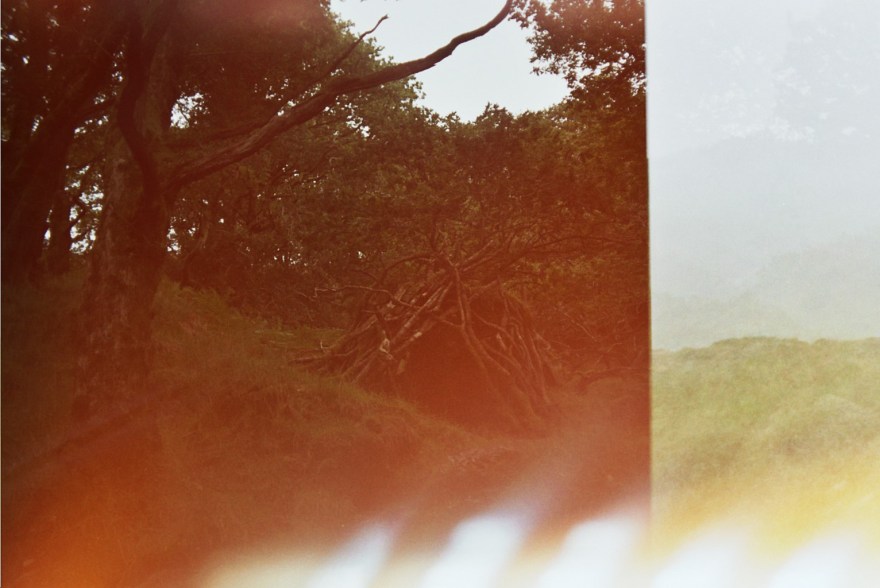
















 Glyn Owen