In early 2016 it began to emerge that the future of Port Talbot steelworks – the largest steelworks in Britain – was under threat. Unable to compete with Chinese ‘dumping’ of cheap steel and needing hundreds of millions of pounds in investment in order to do so; thousands of jobs were in jeopardy, as well as the entire lifeblood of Port Talbot’s local economy. This colossal production plant, which feeds infrastructure across the world, stood on the precipice of futility – another industrial megalith rotting on the Welsh landscape – its rust and ash a eulogy to industrialism following decades of devastating neoliberal policies. The path of destruction left by these policies since the 70s had finally flowed to the foot of the Welsh Valleys – a glaring demonstration of the fragility at the foundations of the current social and economic order imposed by capitalism.
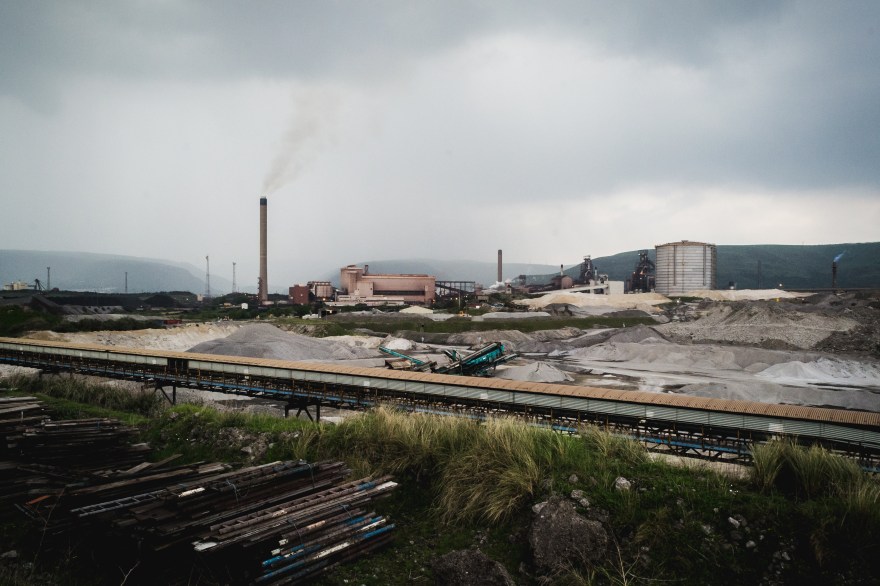
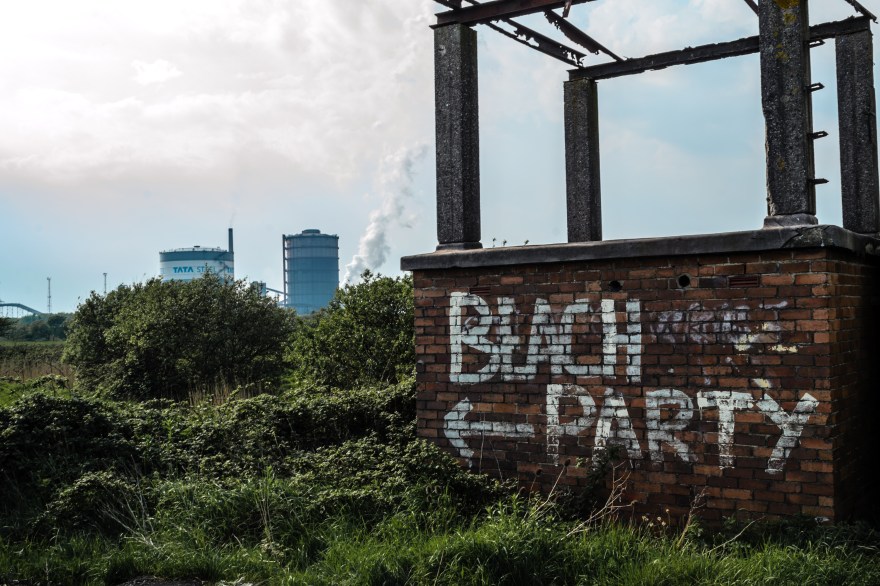
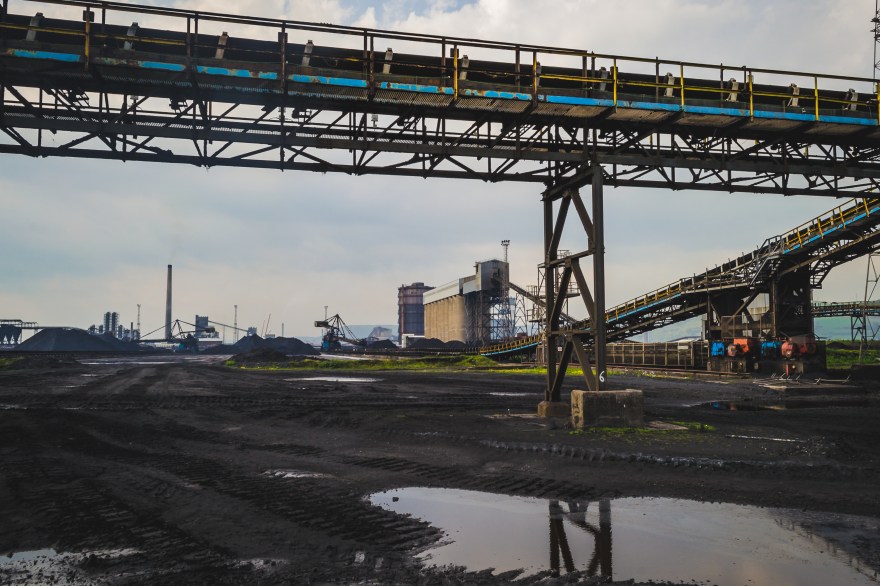
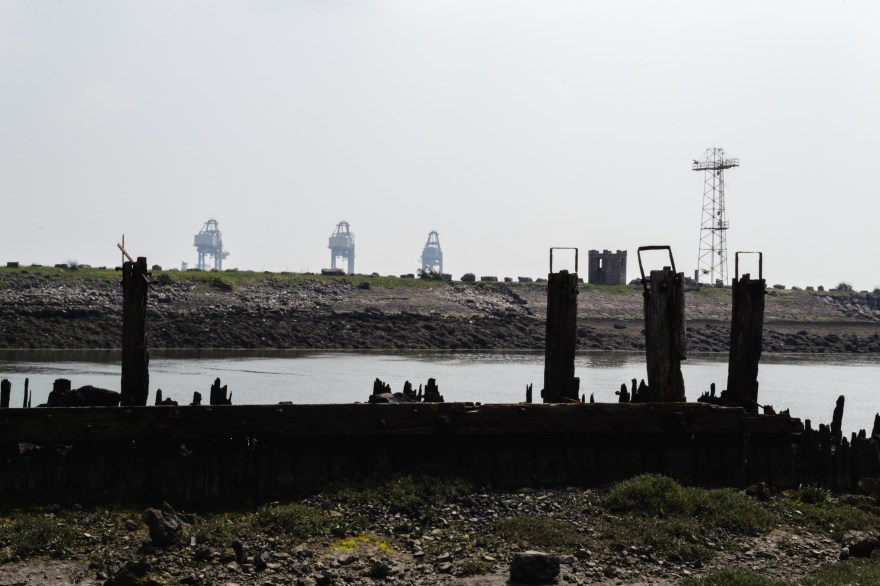
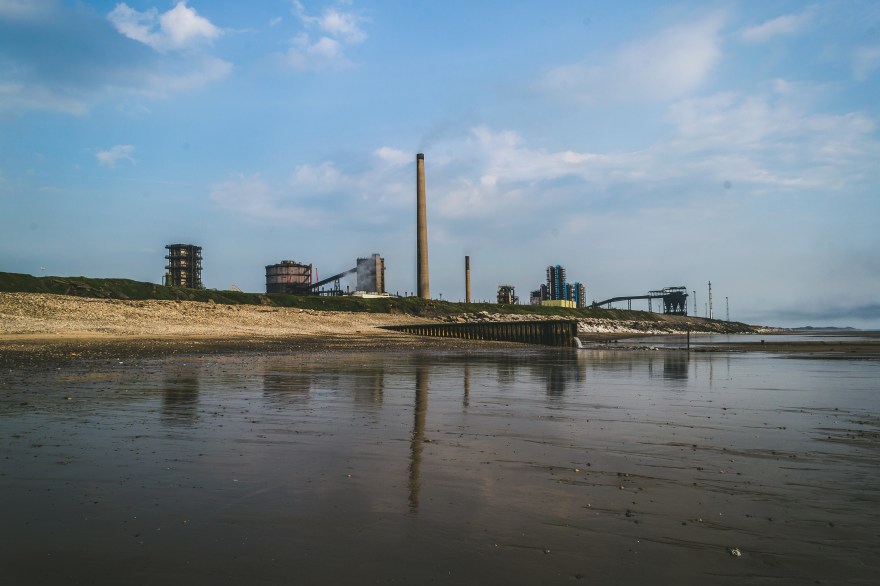
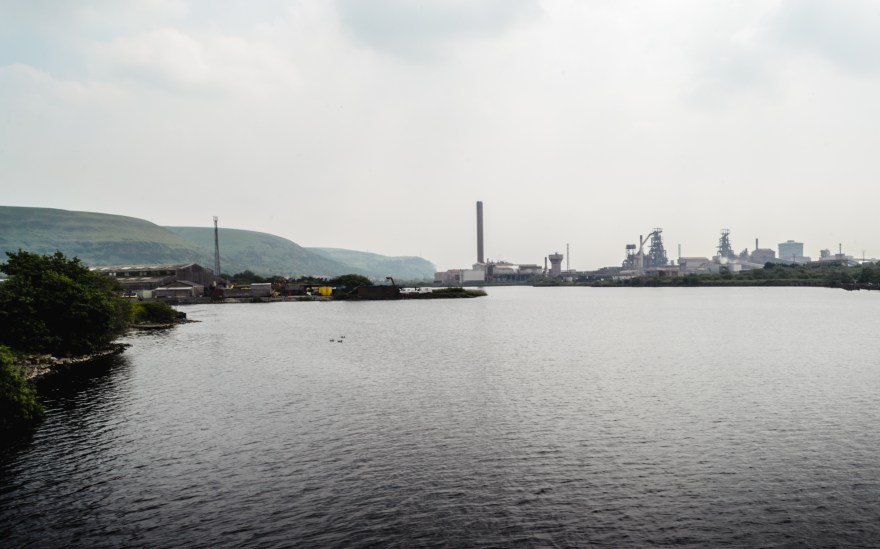
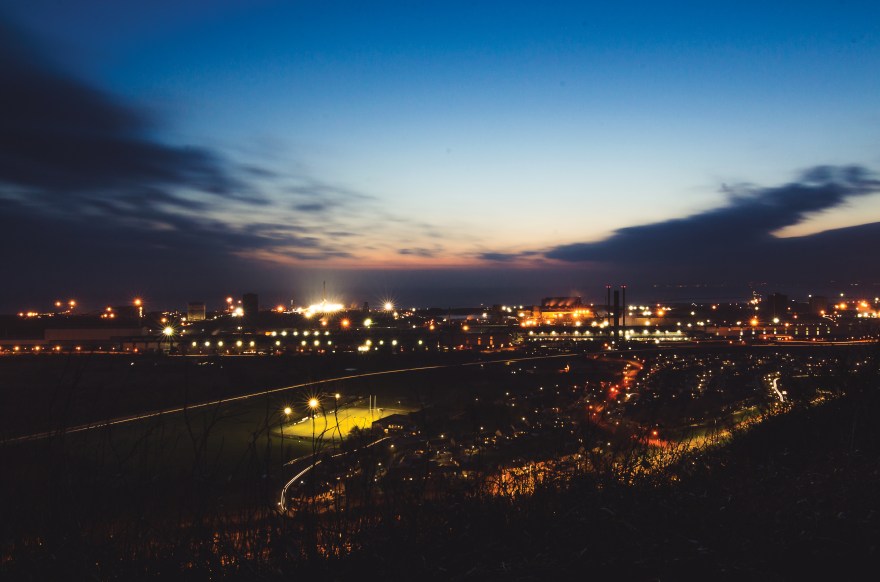
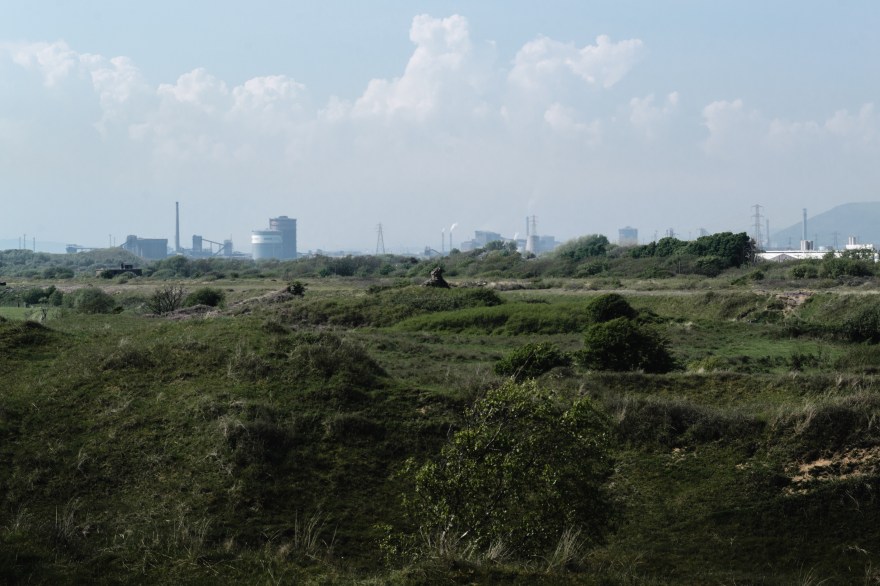
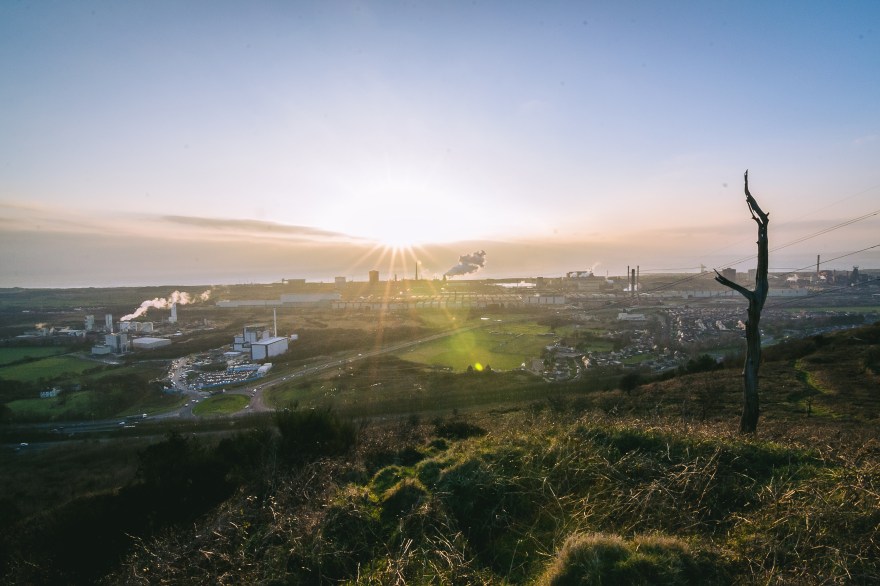
This exhibition offers a 360° exploration into the steelworks’ surrounding landscape. The monstrous scale of the plant, coupled with its melancholic beauty, offers a fascinating subject. The site conjures a distinctly dystopian image – a bleak, industrial stain on the otherwise picturesque seaside landscape. Despite this bleakness, surprisingly its surroundings are permeated with scenes of recreation and leisure activities. It is a subject littered with paradoxes interwoven with a rich cultural tapestry. The most significant paradox being the absurdity that this colossal entity; socially and economically crucial to so many, is also a figure of fragility and disposability – a standing metaphor for hegemonic globalisation.
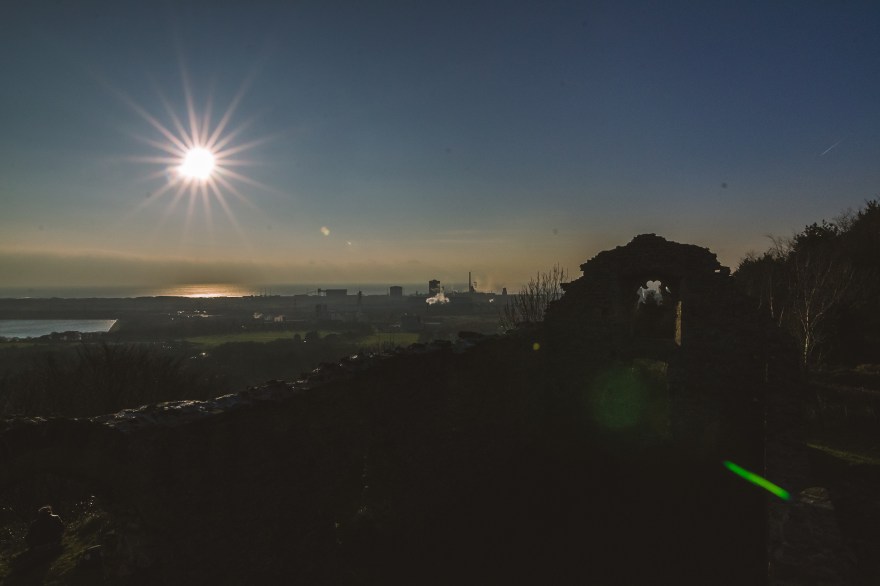
At this juncture of late capitalism, the potential closure of Port Talbot steelworks blazes as brightly as its furnaces against the failing hue of night ushering its surrounding sea-scape into the darkness. Capitalist dogma must be cast aside along with the ‘bad faith’ of its wiling victims in order to forge radical alternatives to the current social framework.
 Glyn Owen