Day 36. Jarama Valley
Day 37. Villanueva de la Cañada
Day 38. Madrid
Day 39. Burgos

Day 40. Burgos
Day 41. Albany Rd

Day 42. Cardiff
Day 36. Jarama Valley
Day 37. Villanueva de la Cañada
Day 38. Madrid
Day 39. Burgos
Day 40. Burgos
Day 41. Albany Rd
Day 42. Cardiff
As part of an ongoing photo project, I recently paid a second visit of 2019 to Catalonia. This time I was travelling north up the coast from Barcelona to the small seaside-town of Malgrat de Mar.
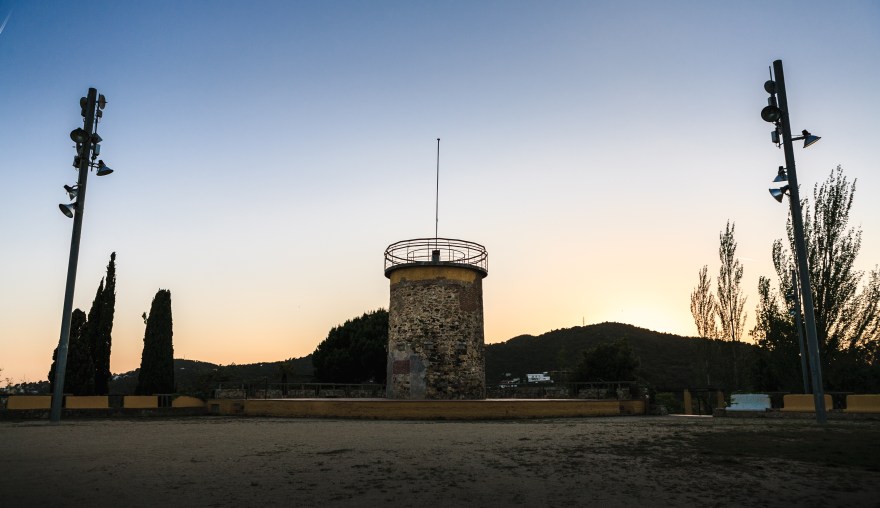
The purpose of the trip was to meet up with British-born artist Rob McDonald, who is based in Catalonia and is the creator of the community memorial campaign, Solidarity Park. The project commemorates an incident involving volunteers of the International Brigade, which took place at the height of the Spanish Civil War almost exactly 82 years to the day of our meeting.
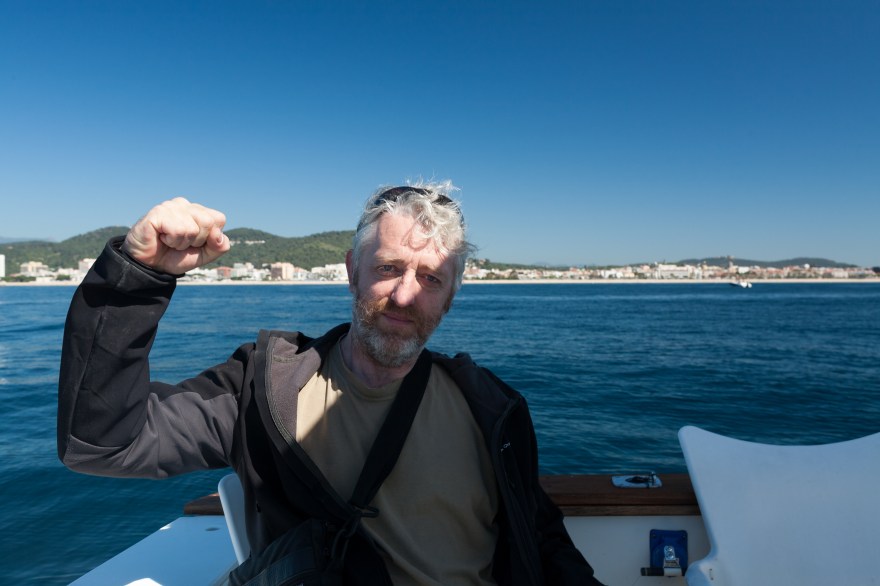
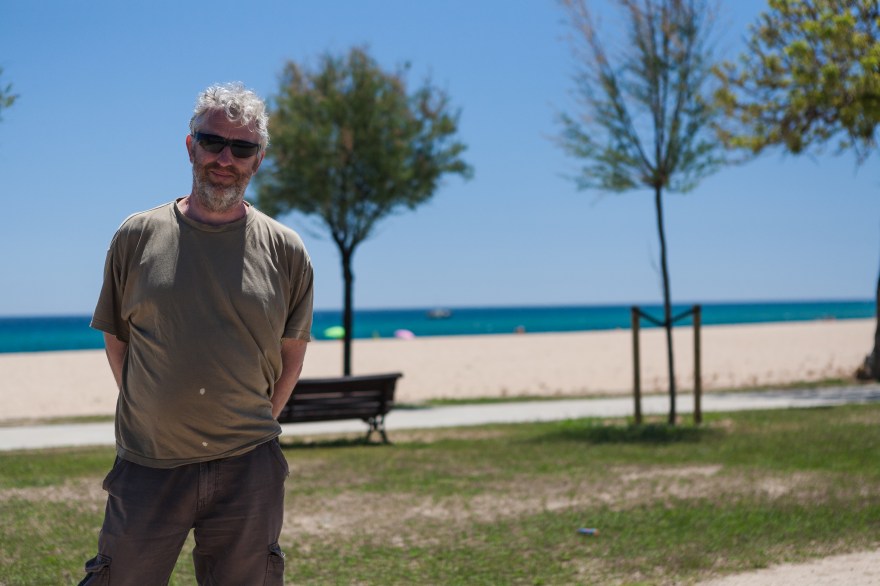
I was greeted warmly by Rob at his studio and exhibition space in Malgrat de Mar where I was also introduced to Chris, another British expat who has lived for many years in Catalonia and is active in relevant circles. We were then joined by Paco, a local politician and a supporter of the Solidarity Park project.

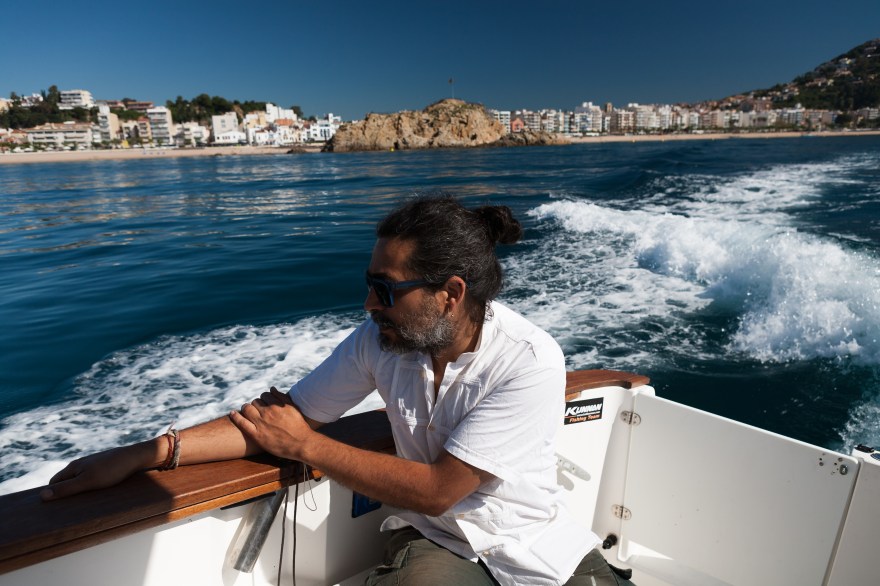
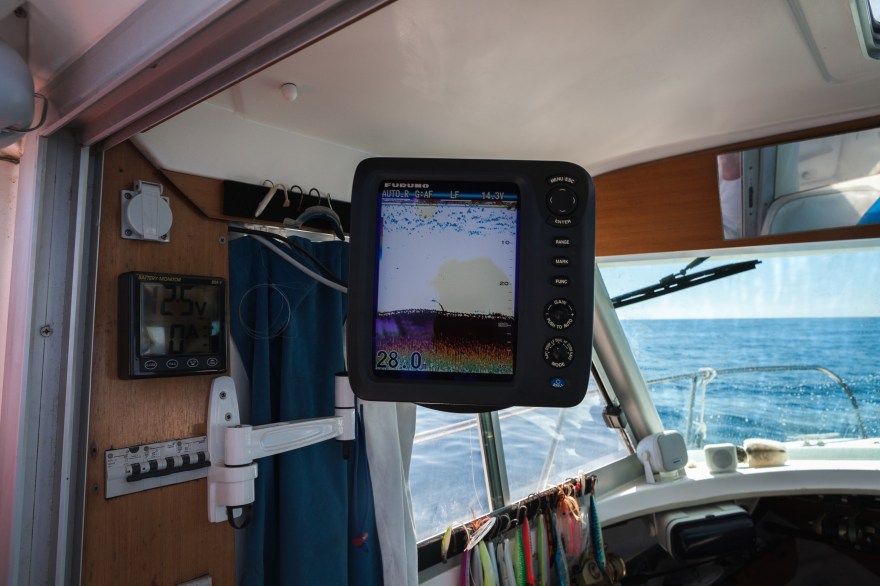
Together we were heading a further 15 minutes up the coast to the town of Blanes where a boat had been arranged to take us to a site approximately 2 kilometers off the coast of Malgrat de Mar.
The significance of this site was that it is the location of the wreckage of the Spanish liner, the MV Ciudad de Barcelona, which was sunk on May 30th, 1937. The ship had been travelling from Marseille to Spain carrying several hundred International Brigaders as well as military cargo for the Republican war effort when it was torpedoed by an Italian submarine belonging to General Franco’s nationalist forces.
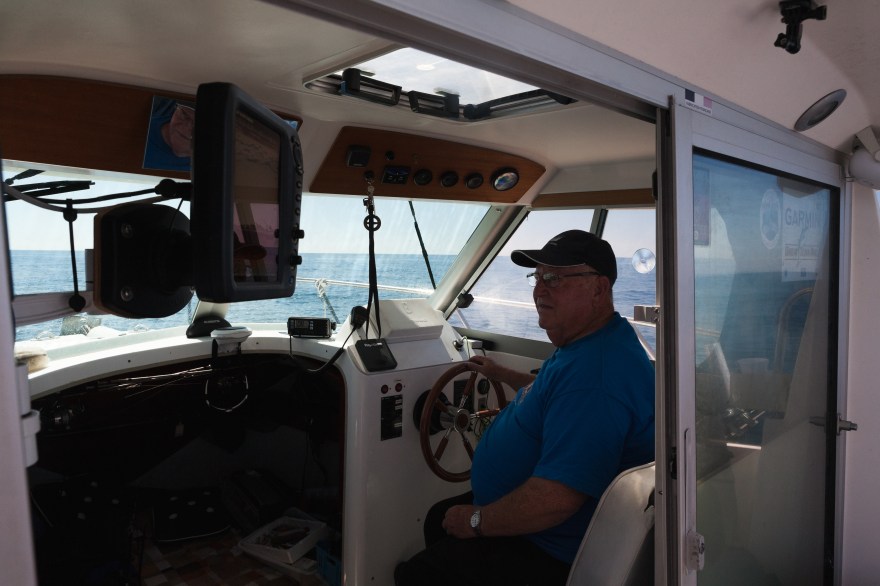
We arrived at the town’s harbour where we met with Noria, a local secondary school English teacher who had been responsible for arranging the boat trip with her father (also named Paco) who was to be ship’s Captain during our short voyage.
As we left the harbour in our modest fishing boat, Paco pointed to me the area further along the coast where the ship had initially been fired upon by the Italian submarine. The ship had received several warnings of enemy submarine activity in the area and was tightly hugging the coastline in case of attack. This first torpedo turned out to be a dud, missing its target and ending up ashore on the next coastal town over.
The pleasant weather of late spring had brought many of those on board up on deck despite orders to stay below. The Non-Intervention Agreement had made the process of volunteers entering into Spain a clandestine operation. Those on board represented a truly Internationalist force of volunteers from across the globe, including many Americans and Canadians, as well as some Australians and New Zealanders mixed with innumerable European nationals; all hoping to reach Spain to play their part in halting the rising threat that fascism posed to the world. Tragically, however, many of those volunteers would never manage to set foot on Spanish soil.
Just before 3 p.m. the Italian submarine fired a second torpedo, which plunged into the ship’s aft close to the engine room where it exploded; killing many instantly and trapping many more inside.
Chaotic scenes ensued. Volunteers darted around looking for life jackets as many jumped overboard without. The stern of the rapidly sinking ship was disappearing beneath the waves. Two of the lifeboats at the stern of the ship were underneath the water before they could be freed, another two were successfully launched while one overturned – throwing its occupants into the water and then crashing down on top of them. The hundreds of people now in the water clambered onto any piece of debris they could find or quickly swam away to escape the force of the sinking ship dragging them below with it.
The ship was completely submerged in a matter of minutes. Around the area of the sunken vessel, the crystal blue of the Balearic Sea was tinted crimson as bodies and flotsam bobbled on its oily surface. Many witness accounts of the incident tell how as the ship sank voices of volunteers still trapped within the boat could be heard singing ‘The Internationale’ – the anthem of the International Brigades.
According to prominent researcher Alan Warren, four of the 60 crew and 187 of the 312 passengers died. An exact number of volunteers is difficult to give due to them being smuggled on board. At least 23 of the survivors of the sinking of the Ciudad de Barcelona would later be killed fighting in the civil war.
My interest in this tragic incident was triggered by an account from Welshman, Alun Menai Williams of Gilfach Goch, who was one of a handful of Welshmen aboard the ship that day. They were; Harold Dobson of Blaenclydach, Alwyn Skinner of Neath, Emlyn Lloyd of Llanelli and Ron Brown of Aberaman, all of who survived. According to Williams, there was also an unknown man from Swansea aboard the ship who drowned.
For me, as compelling as Williams’ account of the sinking was, what I found just as compelling was his story leading to getting aboard the Ciudad de Barcelona. Having reached the Pyrenees, he had been arrested before reaching the border with a party of other volunteers aiming to cross into Spain. Williams had been in charge of the group’s money supplied by the French Communist Party in Paris. Having money meant he was able to avoid vagrancy charges and a prison sentence. Despite not being charged, Williams was ordered to return to the UK and was escorted by French authorities all the way back to Paris. Deciding against returning to the UK, Williams then attempted to reach Spain by travelling to Marseilles in hope of making contact with people who could aid him in doing so. Failing to make any contacts, and without any money, he was forced to finally return to Britain.
Upon arriving in the UK, Williams deliberated for a short period of time then headed back to the Communist Party headquarters in London before making his second trip into France. He eventually made his way south; this time to Bordeaux, where he spent a month waiting to be shipped to the Basque country. However, this became impossible as Franco’s army took over control of the Basque region. At this point, himself, as well as a large group of other volunteers who were also attempting to reach Spain via the Basque area, were sent to Marseille where the 200-250 or so volunteers were smuggled onto the Ciudad de Barcelona.
Williams had been one of those who opted to jump overboard. He describes his fear during the two hours he was in the water, a feeling described by many other witness accounts. Their ordeal continued as a Republican plane dropped depth charges close to the survivors in an attempt to hit the submarine; the force of the underwater explosions thrashing them around in the water. The confusion at this time was so much so that some believed it to be an enemy plane and huddled in terror thinking it was about to strafe their boat as it flew low over the water attempting to attack the submarine.
Survivors were eventually picked up by locals from Malgrat de Mar in fishing boats then taken ashore. Many describe the kindness shown to them by the locals who took care of them and their surprise to find out they were in fact, anarchists.
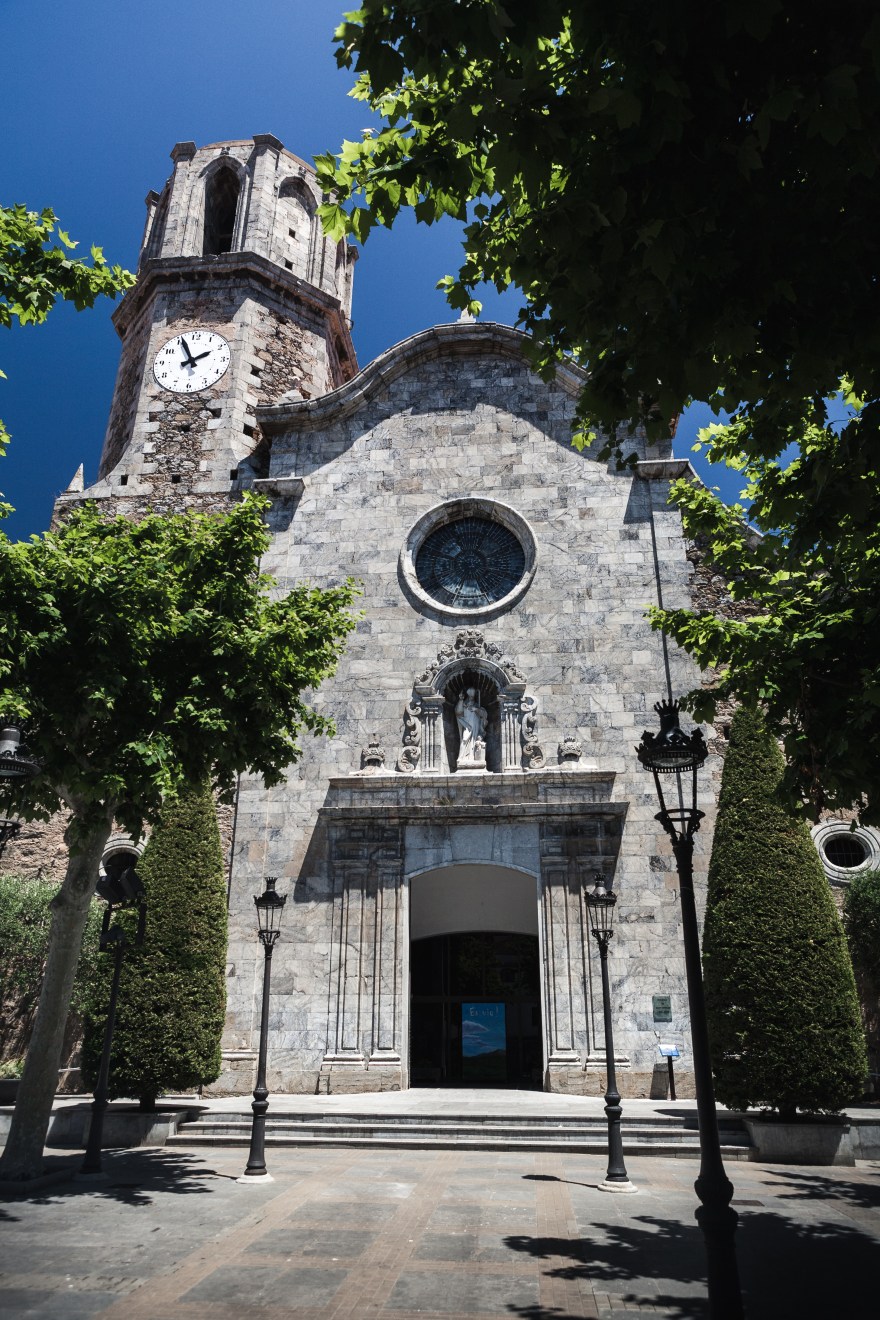
At this time, relations between the communists and the anarchists were fractious following the conflict between the two groups during the ‘May Days’ fighting earlier that same May. Volunteers had been told that should they be discovered by anarchists they would be shot for being aligned with the communists. The reality of how they were treated by the anarchist fishermen and locals of Malgrat de Mar compared to their perceptions demonstrates the turmoil of the political climate within the Republican side of the Spanish Civil War at that time.
After spending a night in Malgrat de Mar and being paid a visit by the Catalonian president, Lluis Companys, who wanted to apologise personally to the volunteers for the manner of their entrance into the war and welcome them. They were then transported to Barcelona under the cover of darkness to avoid being attacked by anarchists in Barcelona.
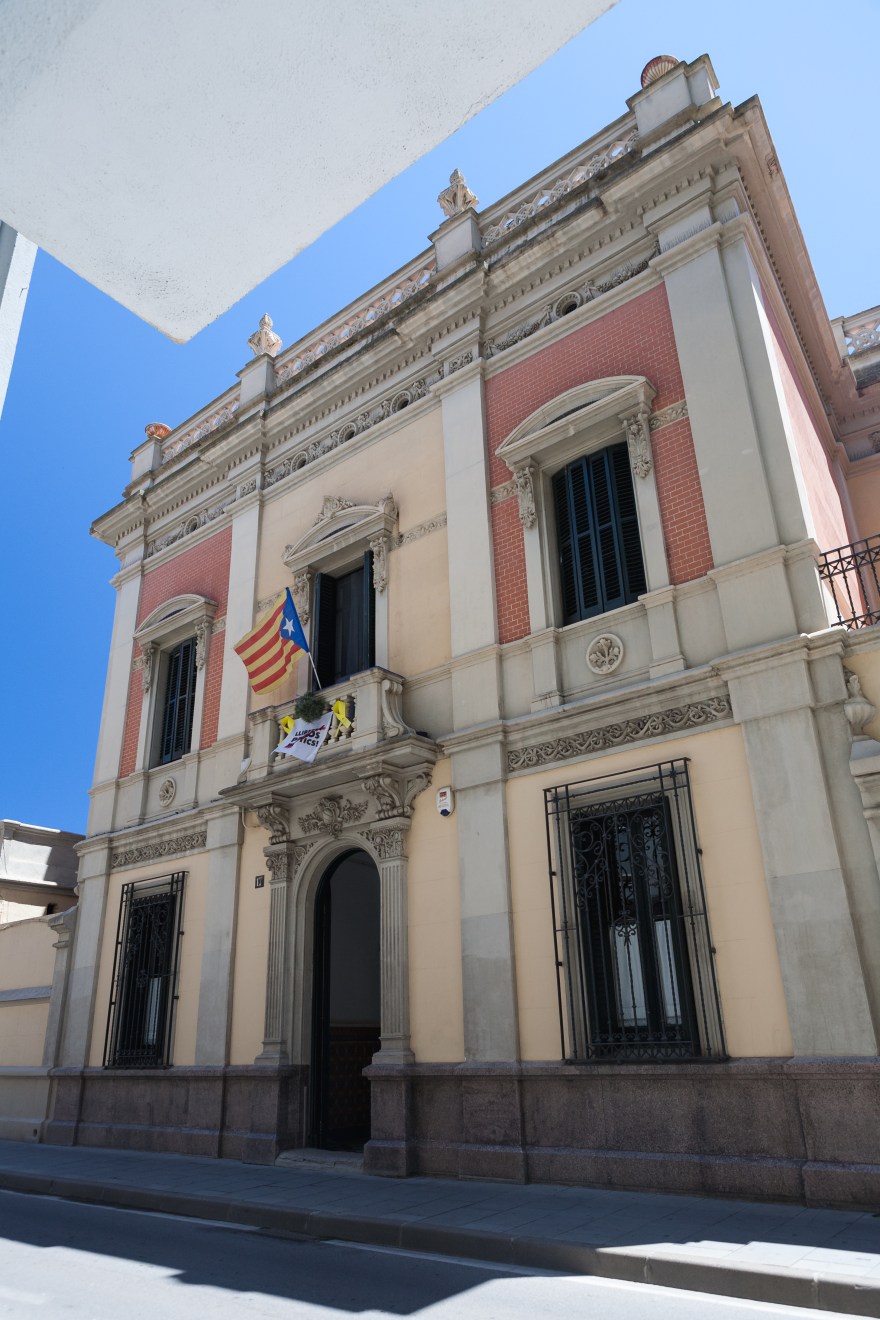
The volunteers were taken to the Karl Marx barracks where they were organised as a unit. Volunteers were then given the option to go home if they wished. Only one volunteer took the opportunity to do so. From then they were moved to the International Brigade headquarters in Albacete and entered into the fight for Spain.
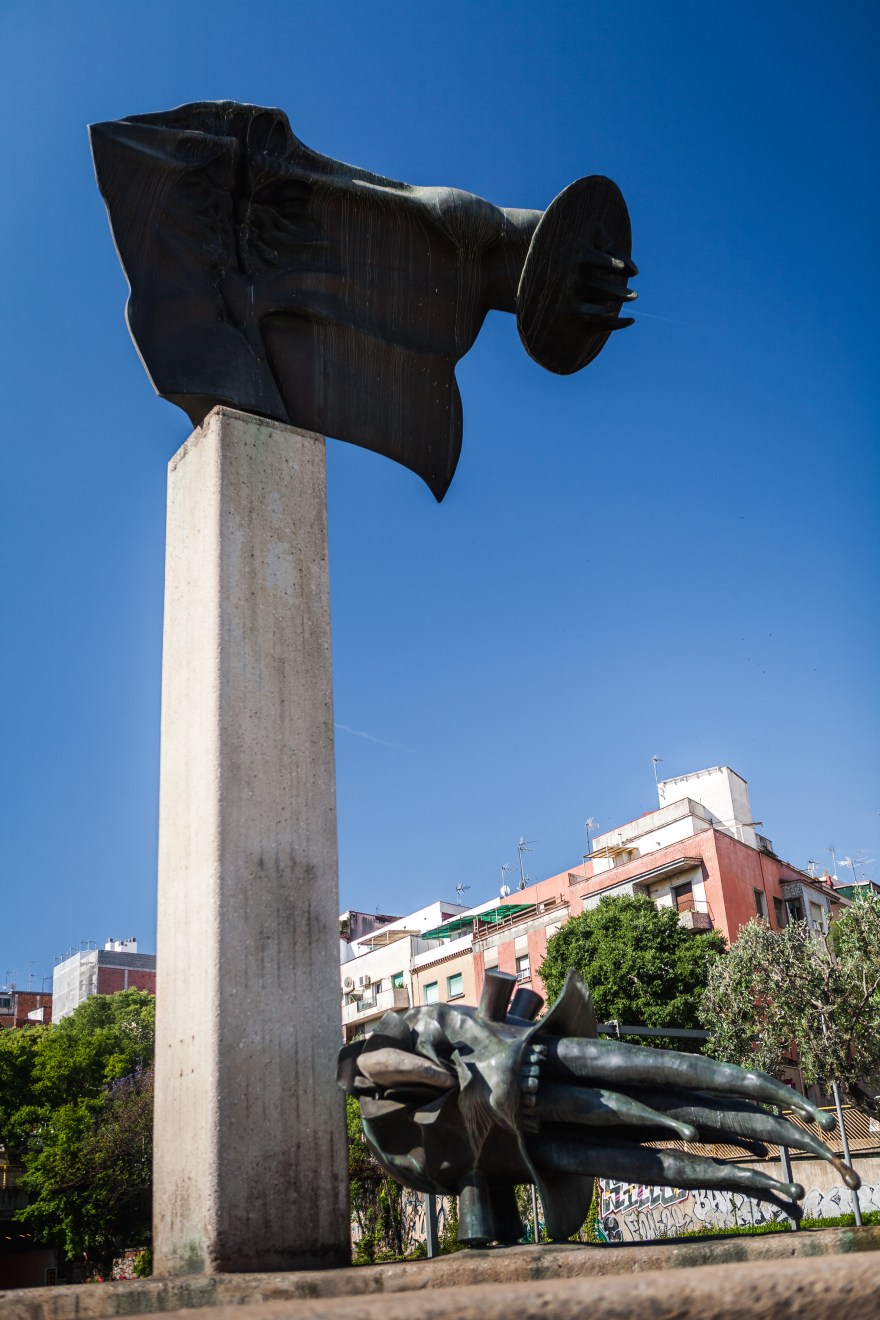
Keep up to date with the Solidarity Park project through their Facebook page.
– Glyn
The revolution that took place across Spain during the opening stages of the Spanish Civil War has fascinated me for some time. Chomsky’s chapter in his well-known treatise ‘On Anarchism’ served a tantalising first glimpse.
The perception of the war today is generally painted as a war between the fascist rebels led by General Franco against the democratically elected Republican government. However, international interests coupled with the fragmentation of the Spanish political structure made for a highly complicated and nuanced conflict.
The scars of war can still be seen while walking the ornate streets of Barcelona in the present day. Contemplating sites where possibly the most significant and enigmatic moments in the history of revolutionary struggle unfolded, was both exhilarating and haunting.
The neighbourhood of El Raval was home for the week — among the skaters and alternative types that inhabit the tall, narrow maze of streets anchored by one of the most well-known skate spots in the world, Barcelona Museum of Contemporary Art (Museu d’Art Contemporani de Barcelona), known as MACBA.


Despite its cool bars, vintage clothes shops, designer outlets, and other signs of gentrification, El Raval still clings to its traditional roots as the heartland of social radicalism in Barcelona. A stone’s throw away from MACBA, large red and black banners can be seen hanging from the Catalonian headquarters of the anarcho-syndicalist trade union, the CNT (Confederación Nacional del Trabajo or National Confederation of Labour), which played a primary role during the revolution of 1936-37.
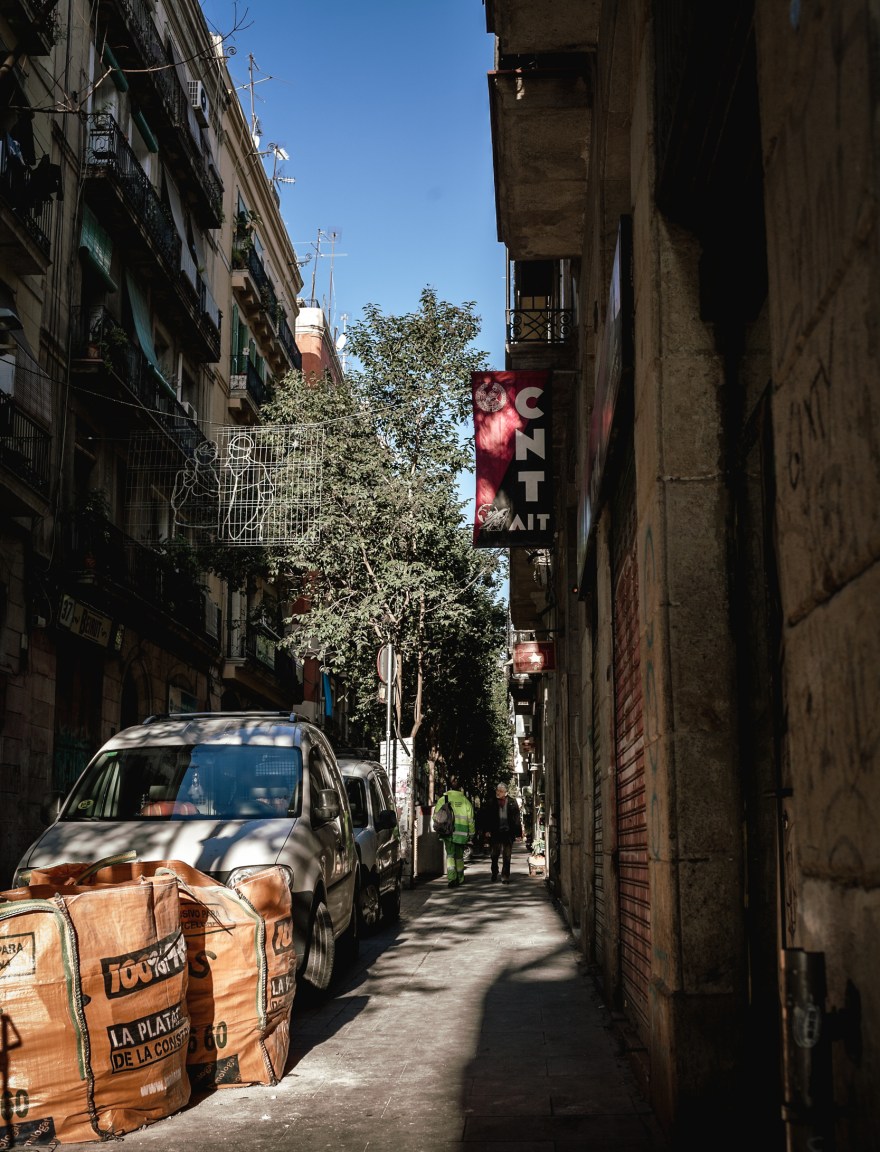
Not far from El Raval lies Plaça de Catalunya, at the head of the iconic boulevard, La Rambla. On 19 July 1936, Plaça de Catalunya became the staging ground for the first major battle of the civil war. At the southeastern perimeter of the square, stands the building that would arguably come to symbolise the beginning and the tragic end of the worker’s revolution in Spain.
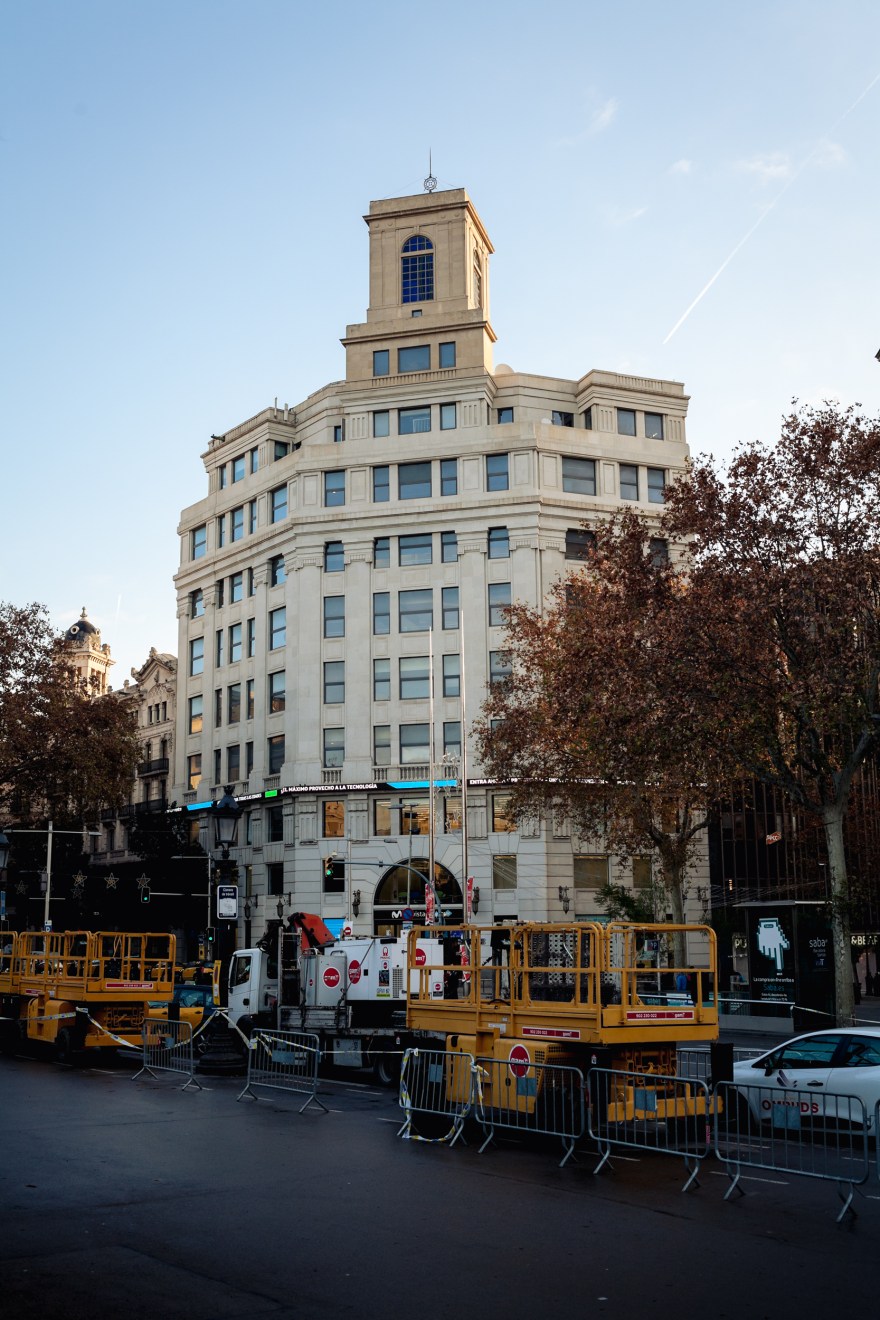
Facing inward onto the square is the Telefónica building. It controlled all communication within Spain, as well as with the rest of the world. The building was initially controlled by rebel soldiers taking part in the coup against the left-wing Republican government. They had been sent into the city with the objective of securing Barcelona’s crucial infrastructural buildings. However, over the course of the day, apart from certain pockets of the city, the rebels were gradually defeated by a somewhat unlikely alliance of armed police and organised workers — largely made up of anarchists and socialists from the worker’s unions. Following the fierce and bloody fighting in Plaça de Catalunya, the CNT took over control and collectivised the Telefónica building, along with the majority of the city’s other industries, as the power of the worker’s unions grew.
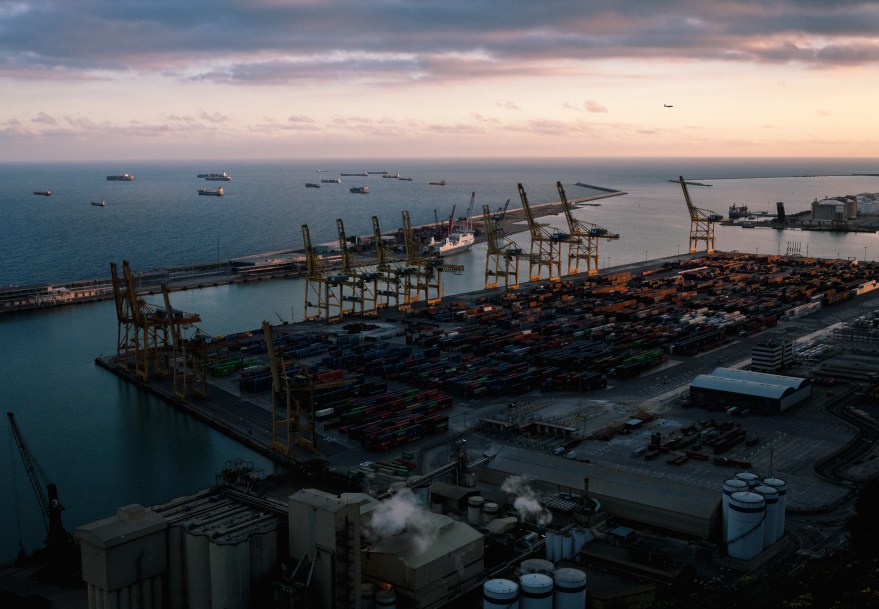
However, worker control was only to last for a matter of months; the Telefónica building taking centre stage in the events that would trigger the end of the revolution in Spain.
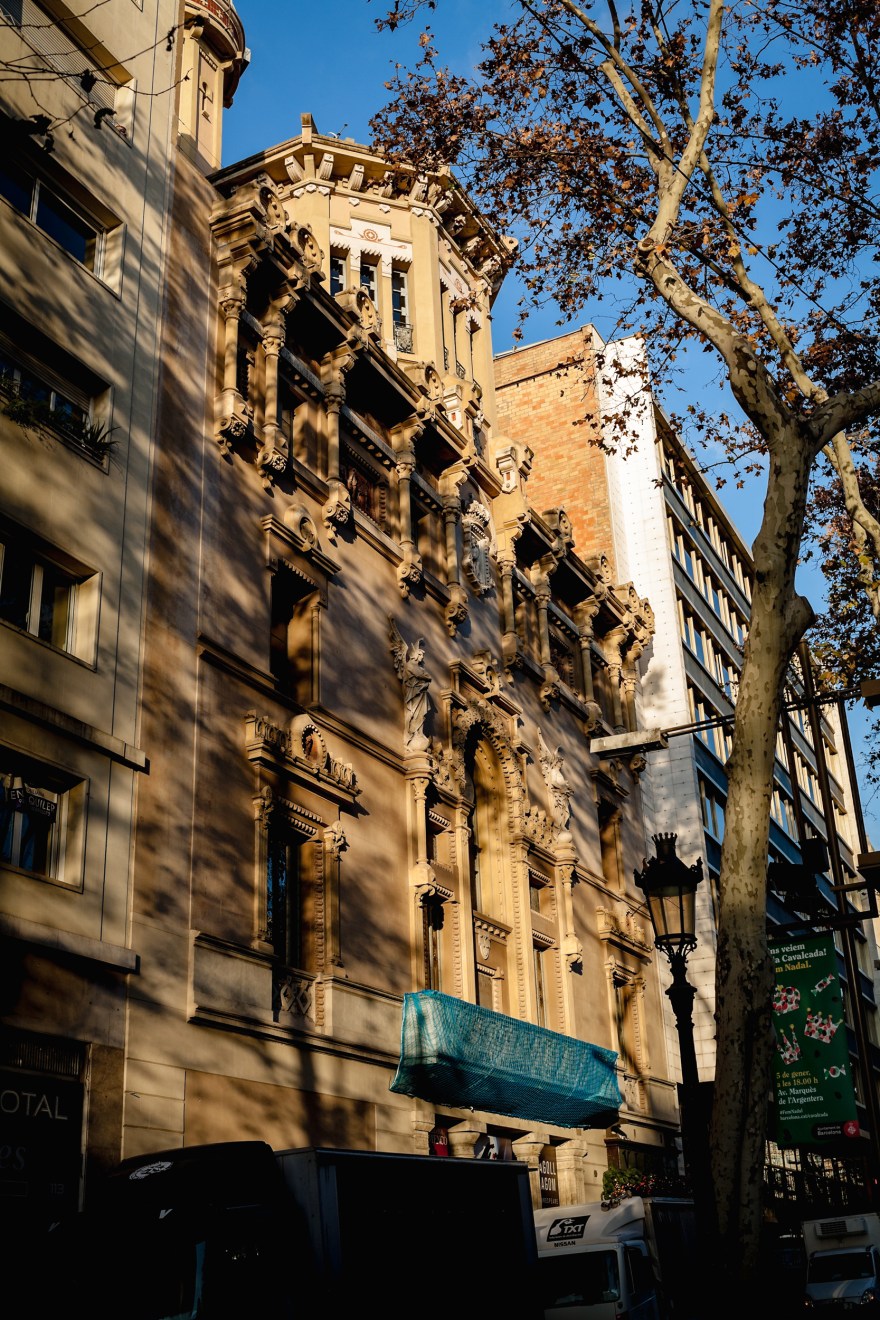
A short walk down La Rambla is Paliorama Theatre, where the author who wrote probably the most famous account of the war, George Orwell, was positioned on the roof as a sniper protecting the POUM headquarters on the opposite side of La Rambla during the infamous infighting between left-wing factions in May 1937. Orwell had joined and fought with the POUM fighting force; a Marxist anti-Stalinist political party that, along with the CNT, advocated for the civil war to be a revolutionary war, which was opposed to by the heavily Soviet-influenced Republican government.
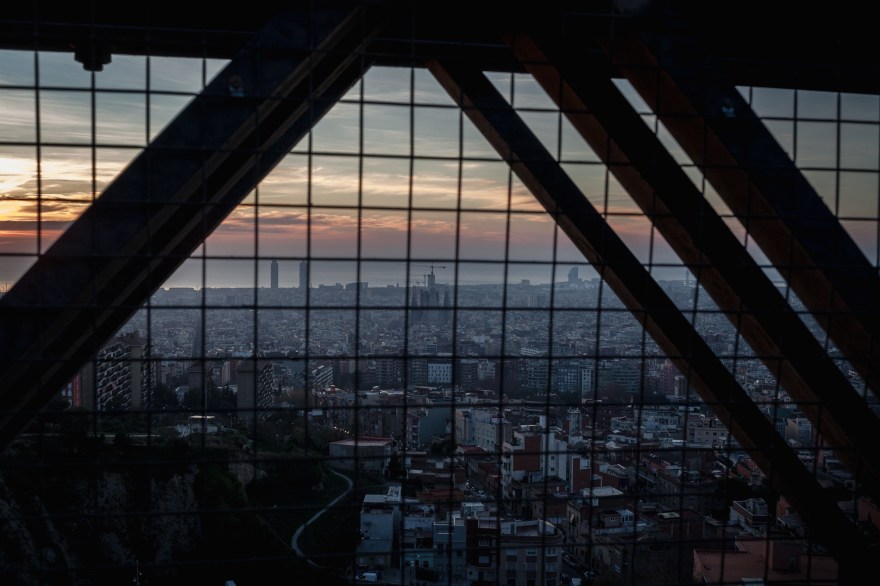
On 3 May 1937, an attempt was made by Republican soldiers, led by a communist minister, to seize back state control over the Telefónica building from the CNT workers. The following day Barcelona’s streets erupted into violent skirmishes across the city in response to the viewed repression of workers by the Republic government. The fighting and various complex political maneuverings that took place over the course of the following week would come to be known as the May Days. These events effectively spelled the end of the revolution, with the anarchist worker’s unions the CNT and FAI eventually ceding power to the state. Once fighting had died down, the POUM was forcefully repressed by the government and Stalinist organisations, leading to Orwell having to flee from the city in fear for his life. The events during the May Days, to this day, remain a source of friction amongst socialists. A complete and total understanding of the exact events amidst the chaos of war is still a matter that is strongly debated.
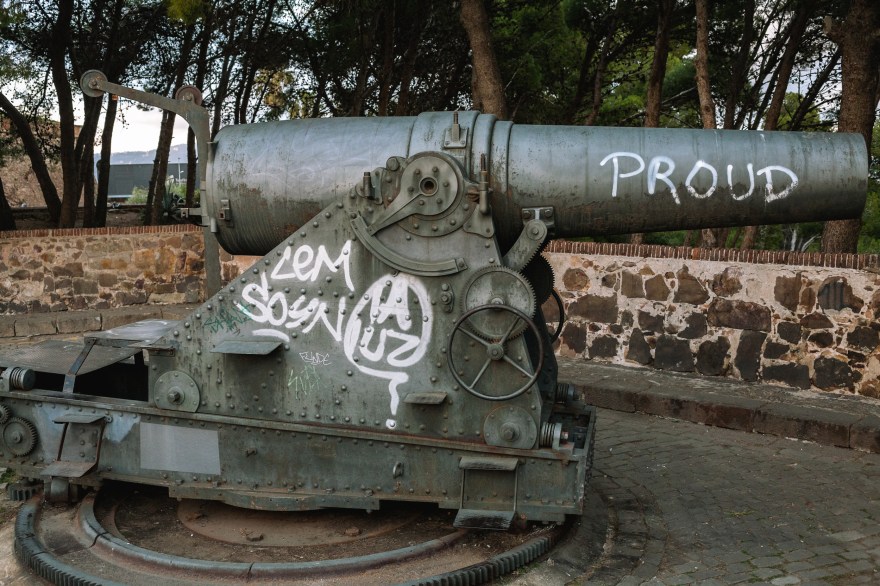
To the south of the city, rising up before the sea, is the large hill Montjuïc. Sitting on top of Montjuïc is an old fortress that saw a great deal of use by all sides during the civil war. The fortress was first taken by soldiers who supported the Republic from a garrison of rebel soldiers stationed there. Anti-aircraft guns were soon installed in an attempt to protect the city from aerial bombings.
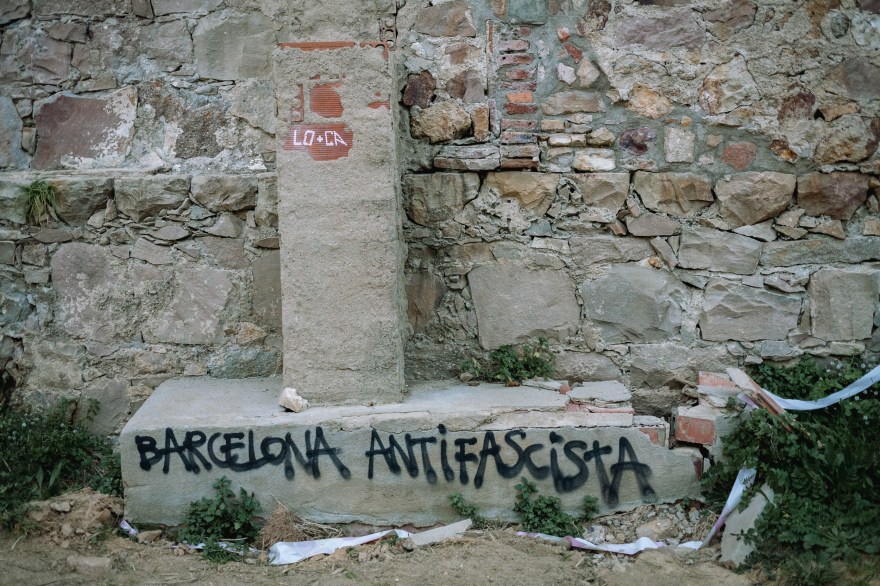
Following the May Days fighting, many POUM members and anarchists were imprisoned in the fortress and only released moments before Barcelona was captured by General Franco’s rebel forces, at the closing stages of the civil war.
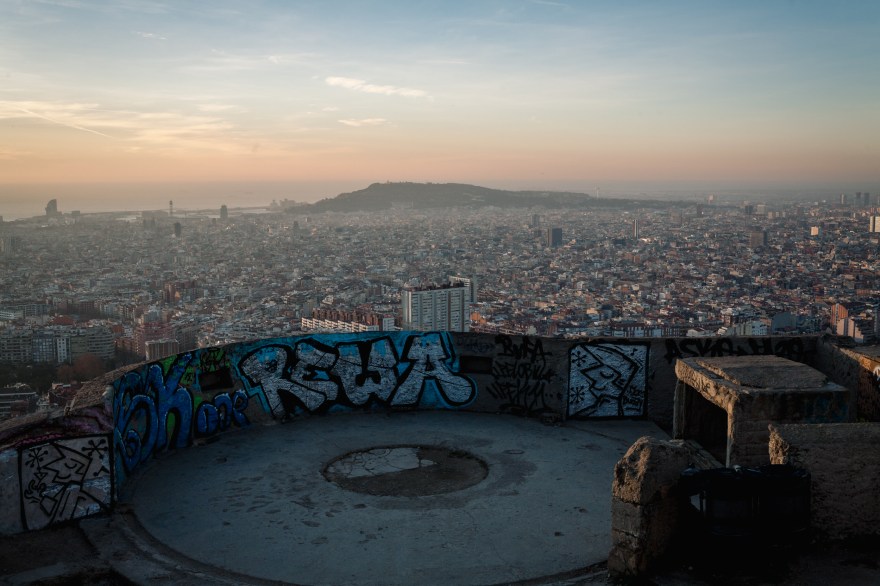
In the north of the city, in the district of Horta-Guinardó, is the steep hill of Turó de la Rovira. It is at this site that the Republic built its main defences against aerial attack from German and Italian bomber planes, supplied by Hitler and Mussolini.
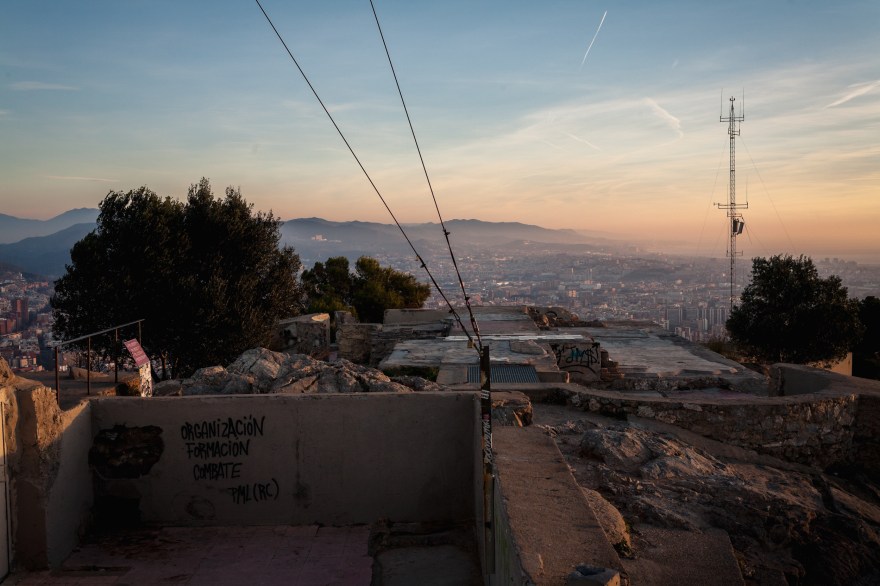
During the course of the war, Barcelona was systematically attacked by air, killing close to 3,000 people and injuring many more thousands in what was the first large-scale bombardments of a city in history, and a precursor to the atrocities committed against civilians during WW2.
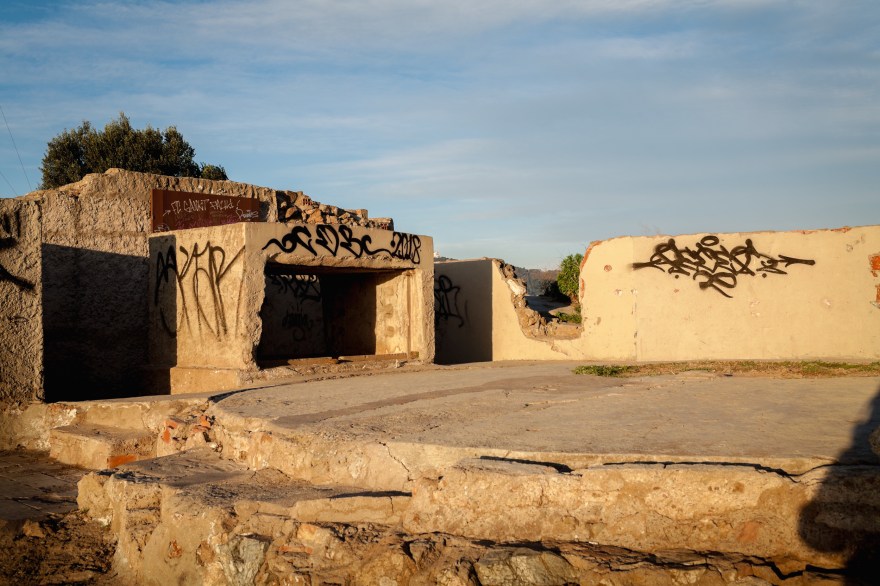
Today the bunkers serve as a museum and as a monument to the events of the war, as well as offering spectacular panoramic views over Barcelona towards the foothills of the Pyrenees.
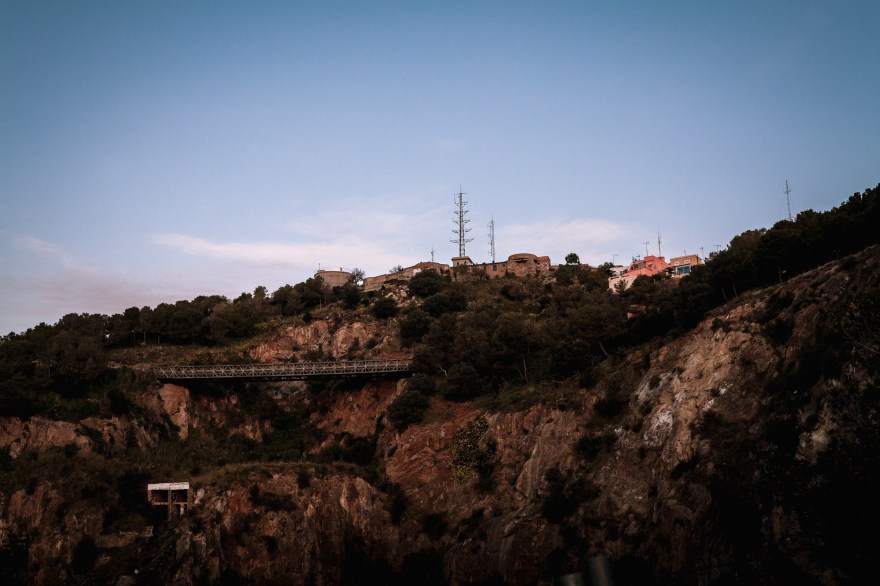
The anti-air defences were eventually destroyed in late January 1939 by the Republican troops as they retreated from General Franco’s army entering the city, in what was then an inevitable defeat for the Republic.
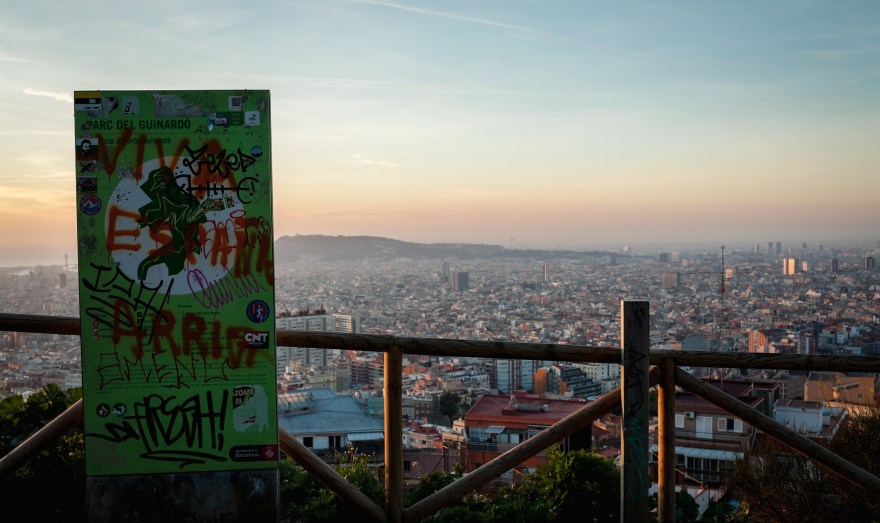
However, prior to the fall of Barcelona, the defences of Turó de la Rovira served a crucial role in protecting the skies over the city, when, at the end of October 1938, the Republic deployed the majority of its meager force of fighter aircraft during the farewell parade to the thousands of international volunteers who fought on the side of the Republic. The International Brigades had been pulled from the front at the end of September 1938 in order to be sent back to their respective countries in an effort by the Republic government to appease France and Britain, in what was a final desperate act to gain support to prevent the Republic’s imminent, and almost certain, defeat.
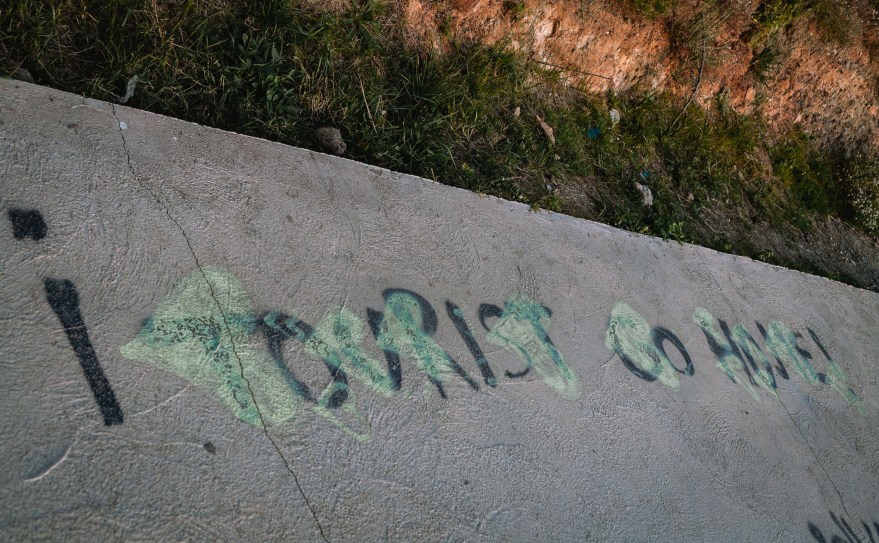
On the way to Bunkers del Carmel, I came across anti-tourist graffiti covering the path to the summit of the hill. Sadly, these former defences, which had once protected the International Brigades, while the whole of Barcelona turned out to praise the efforts of the anti-fascist internationalist, were now an opportunity to showcase locals’ anger towards tourists. Ironically, in the same area of the city, not too far from Turó de la Rovira, stands the monument to those foreign volunteers who were willing to give their lives to protect Spain, and humanity, from the looming threat of fascism.
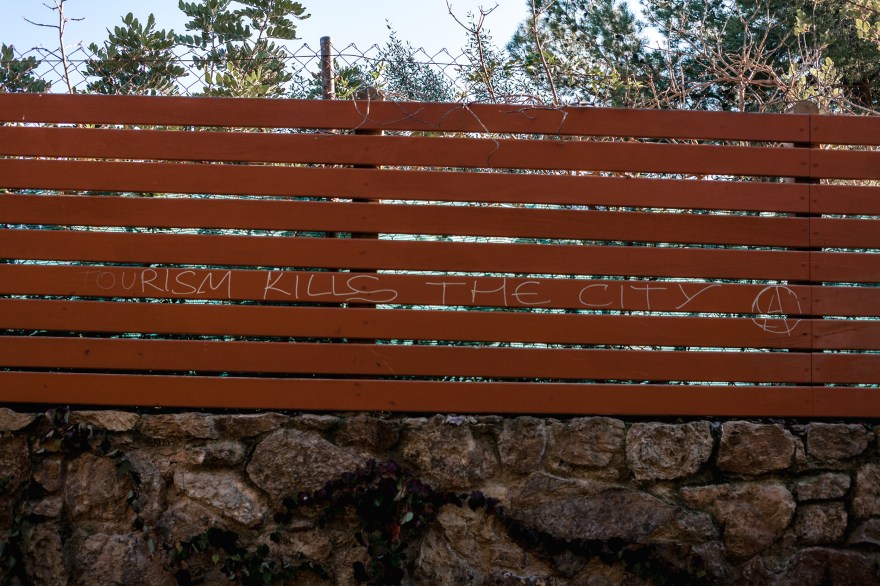
Similar messages expressing animosity towards tourism are prevalent all over the city, especially the sightseeing hotspots. Unfortunately, over the past several years, tourism in Barcelona has skyrocketed. So much so, that the burgeoning industry surrounding tourism is causing havoc for the lives of locals. I briefly witnessed Barcelona’s infamous overcrowding on New Year’s Eve, while swarms of people converged for the night’s celebrations. After a short bit of jostling through the densely packed hordes, I decided to celebrate elsewhere.
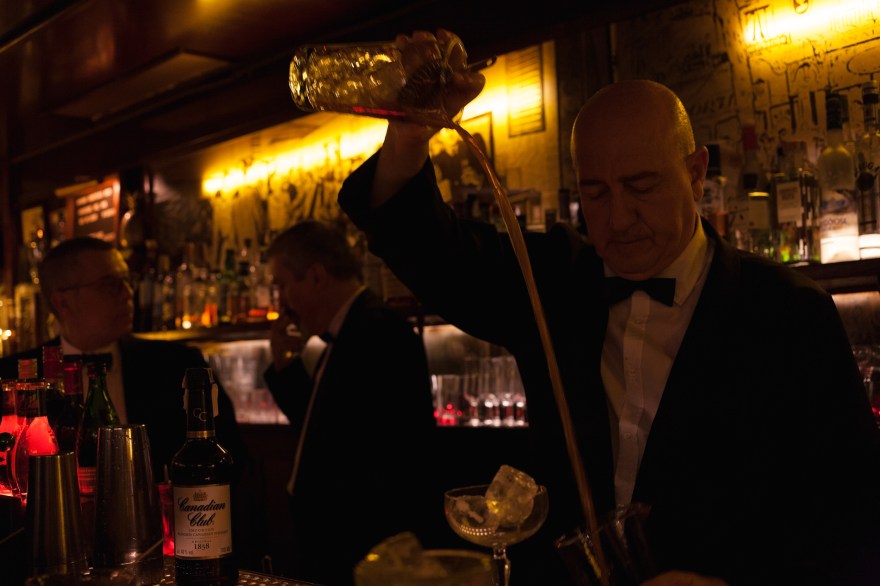
The favourite haunt to unwind at on the way home after a day of exploring was Barcelona’s first and oldest surviving cocktail bar, Boadas. It sits just off La Rambla on the fringes of El Raval, opening three years before the outset of the war in 1933. Beyond the bar’s low-key exterior the small, dimly-lit Art Deco room, where suited barmen stand ready to throw together a stiff cocktail amidst a background of dulcet jazz, creates a hazy, boozy atmosphere, transporting you back to Barcelona’s pre-war heyday. At that time, famous intellectuals and artists such as Miró and Picasso would frequent the bar. Though its most known patron — and likely its most indulgent — was another author who wrote on the Spanish Civil War: Ernest Hemingway.
While taking Hemingway’s advice and opting for the daiquiri, I dwelt on Barcelona’s problem of excessive tourism. This city, which had once so vehemently celebrated the international solidarity shown by the International Brigades, was now being plundered by a tourism industry that is quickly bringing it to its knees. Thoughts of Marxist theories on the contradictions of capitalism, and some vague notion of a correlation between the situation and the decline of left-wing politics in the face of rising right-wing nationalism steadily eroded with the second round of drinks, as the subtle haze took hold.
End.
Glyn Owen
I would like to thank Nick Lloyd whose insights hugely informed my research into Barcelona during the Spanish Civil War. If you would like a more in-depth explanation of the topics and places discussed in this post then I would highly recommend his book: ‘Forgotten Places – Barcelona and the Spanish Civil War‘.
The Red Dragon of Wales is a symbol that has been associated with the country for many centuries. Various Kings, Princes, and armies have marched into battle with the Dragon symbol flying on their banners – there are even accounts of this going as far back to the times of Roman Britain. The extent of its use is so much so that it has even given rise to the claim of the Welsh flag being the oldest national flag to still be in use. Whether the symbol was brought to Britain by the Romans or was a pre-existing symbol to native cultures is unclear, but what is certain is that this mythological creature is, for some reason, deeply entrenched in the cultural history of Wales.
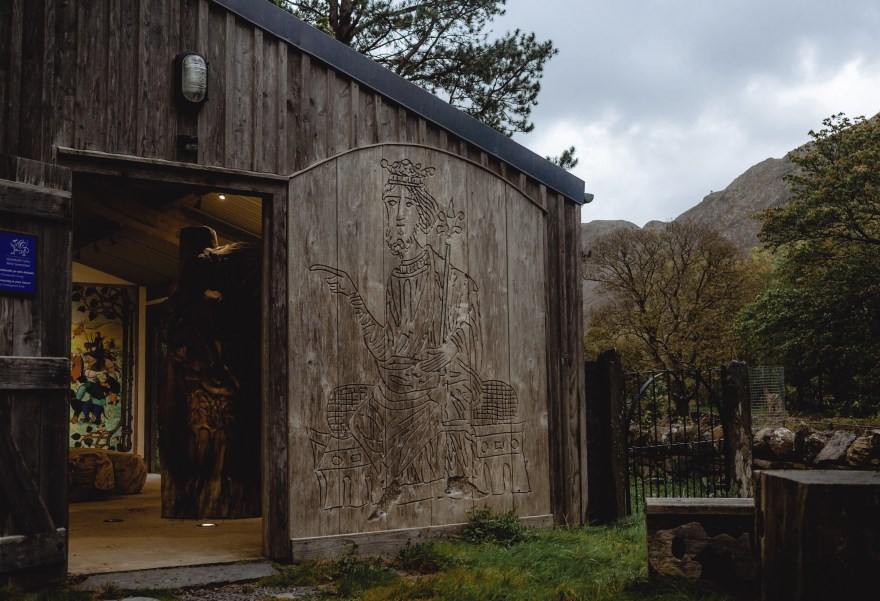
The legend of the Red Dragon has its setting on the rocky and wooded hillock, Dinas Emrys, on the western fringes of the Snowdonia mountains – a landscape steeped in Celtic mythology, Arthurian legend, and mysticism. Atop the small mountain is the ruins of an ancient hill fort that was the supposed location of an exchange between the Brythonic warlord Vortigern and a young Merlin – where Merlin first gives a full account of the tail of the Red Dragon.

But why a dragon? Why a fictional creature that never existed? What links the Red Dragon of Wales to cultures where mythical dragons feature so prominently, such as Eastern cultures? Why are stories of dragons consistently contained within the mythos and legend of almost every existing culture today and almost every culture known to have ever existed?
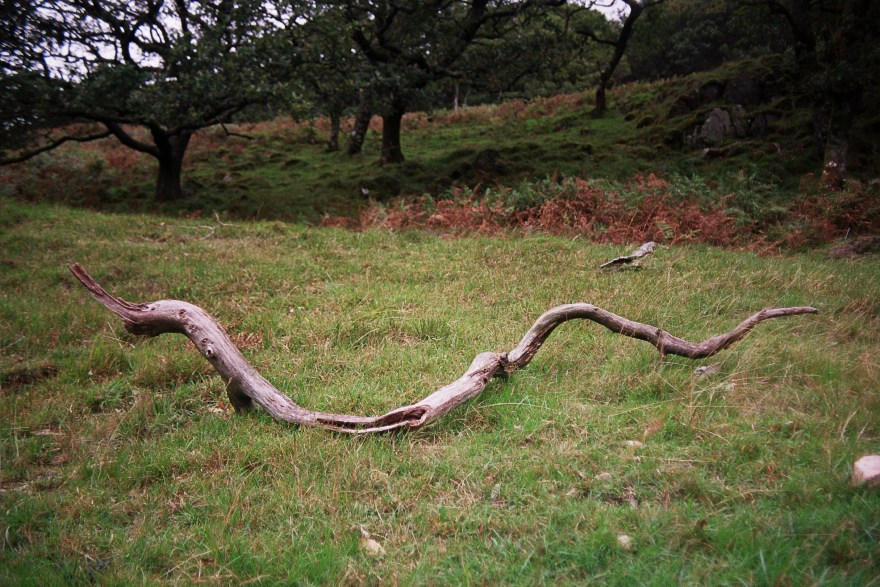
The story of the Welsh Dragon has been passed down through Britain’s most ancient texts, which derived from much older sources. The general narrative is of a white ice dragon causing a perpetual winter on the land, bringing disease, famine, and misery to its people. A sleeping red fire dragon is awoken by this freeze and fights, then defeats, the white dragon – returning the land to normal and saving the people. The earliest written version is found in the story of ‘Lludd a Llyfelys’ from the medieval collection of Welsh prose known as the Mabinogion. In this tale, Lludd and Llyfelys are regarded as the sons of the very first leader of Celtic Britain, and it is the fighting between the white and red dragons that cause a plague. They bring an end to the curse of the dragons by confining them in the ground beneath what later becomes known as Dinas Emrys.
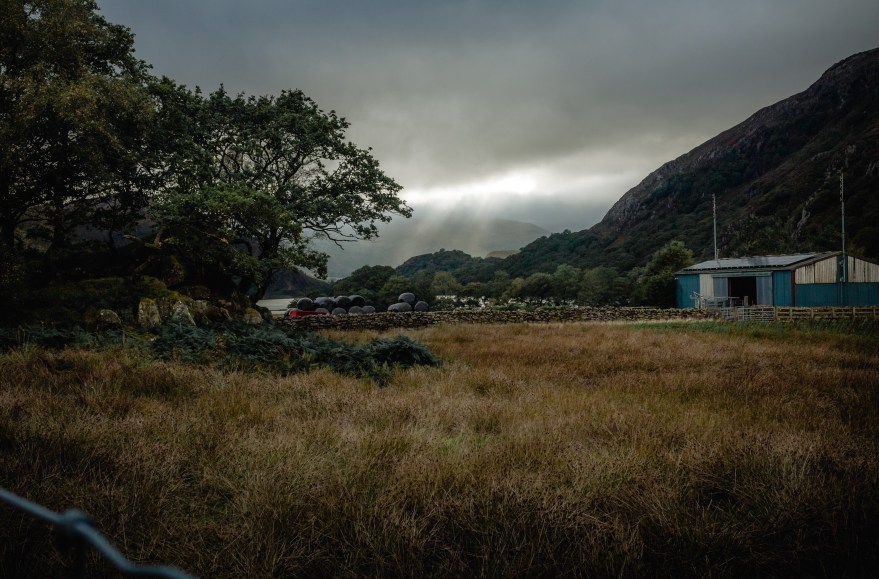
What makes this legend fascinating is the correlation of this Celtic myth with depictions of dragons in virtually every other culture throughout the entire world. Over and over again dragons are associated with apocalyptic events from which humanity emerged.
In China, the earliest depictions of Dragons reach as far back as The Xinglongwa culture (6200-5400 BC) wherein premodern times the dragon is associated with commanding the power water-related weather phenomena, with droughts or floods attributed to this power. In ancient Akkadian and Mesopotamian mythology the dragon ‘Uma Na-Iru’, which translates to the “roaring weather beast”, is associated with stories of a great deluge and the re-beginning of humanity. A similar myth is found in ancient Japanese mythology with Ukasima – a white-scaled dragon that brings misery and devastating climate change to the people and land. This myth even spans throughout Native American cultures, such as found in the Lakota tribe mythology with the stories of Unhcegila or Unktehi – giant horned-serpents that caused great floods and killed many people. Again and again, from the Greeks to Sumerians to the Australian Aboriginals to India, as well as throughout European cultures, this similar mythology of powerful dragons that were able to cause devastating climatic changes is found, with similar details between cultures with seemingly no connection whatsoever to one another.
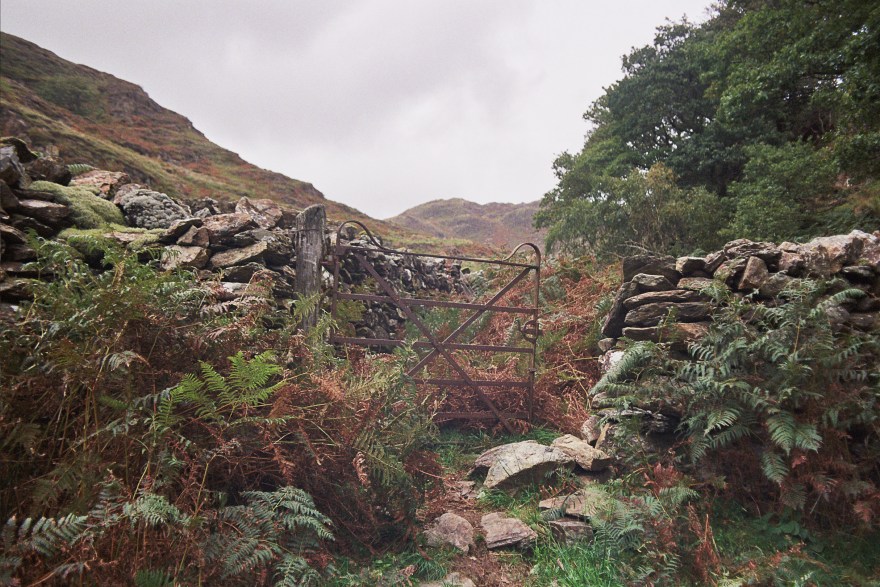 This appears to have little other explanation apart from pointing towards a globally shared experience deep, deep into antiquity where cultures have invariably used the imagery of a great fire-breathing horned sky serpent (or some variation) to describe the cataclysmic effects of its power with some form of a reemergence of humanity from this period of catastrophe.
An explanation for the origin of these myths surprisingly may be found in a very recent controversial scientific hypothesis that is gradually gaining traction amongst scientists known as the ‘Younger Dryas impact hypothesis’. The theory posits that around 12,800 years ago the earth was abruptly plunged into an ice age that lasted approximately 1,200 years before, just as abruptly, the planet began to suddenly warm to the temperatures we experience today. During the cold period, many species became extinct and the ancient peoples of that time would have perished save for those who were able to adapt or migrate to warmer climates where other peoples already inhabiting such places may have also been able to survive. Some researchers attribute the cause of these dramatic changes in climate to a large comet or several pieces of a comet impacting the earth, including on the ice sheets covering North America. Such comets would have caused enormous wildfires that would produce enough soot and debris in the atmosphere that it would be sufficient to block out the sun, plunging the earth into a deep freeze. Melting ice sheets and ocean impacts would also cause huge flooding events globally.
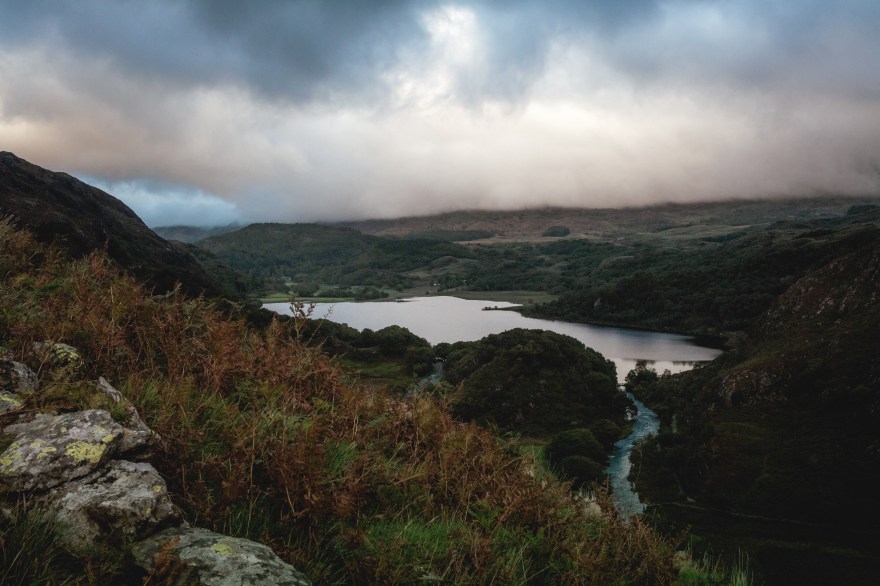
The theory remains highly disputed, but could the sight of huge fiery meteorites in the sky hurtling towards the earth, bringing with them utter climactic devastation be the source of this shared, ancient cultural description and memory of fire-breathing sky serpents that freeze the land and cause catastrophic flooding?
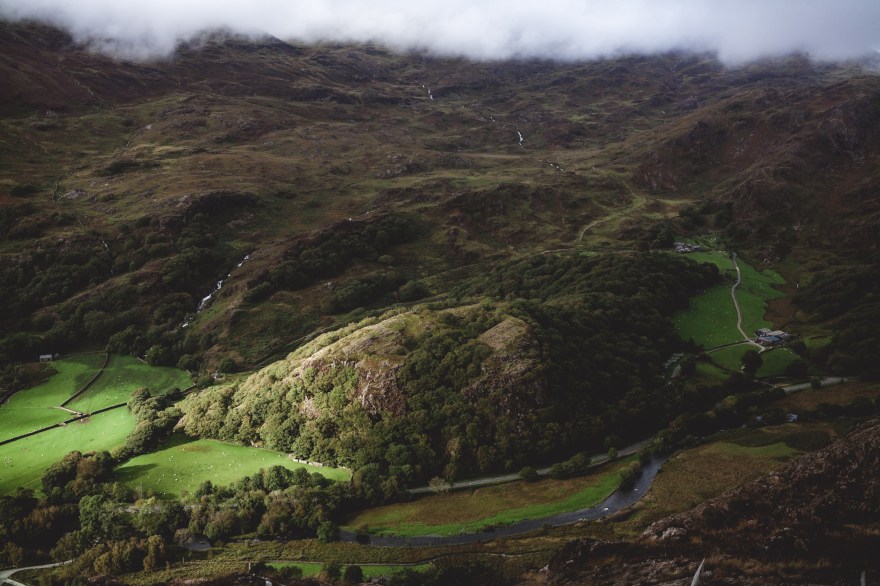
This project is an exploration of myth and the extent to which fragments of memory are woven into the stories of our ancestors, as well as what lessons can be plucked from these legends which can offer insight into the mysteries of the long-forgotten human past. Myths are much more than merely conjured stories that sprung from nothingness. These are ancient recordings containing elements of experience.

 Glyn Owen