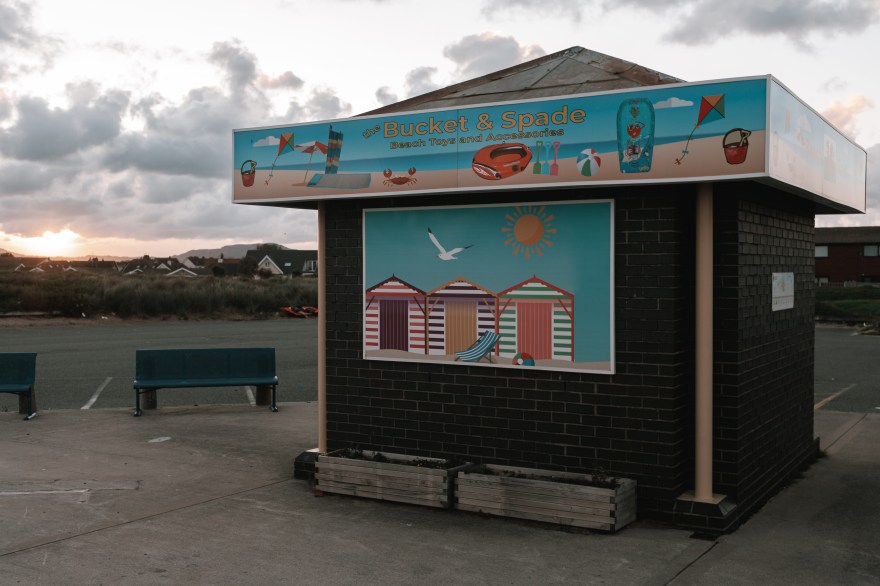
265. Kinmel Bay 
Kinmel Bay 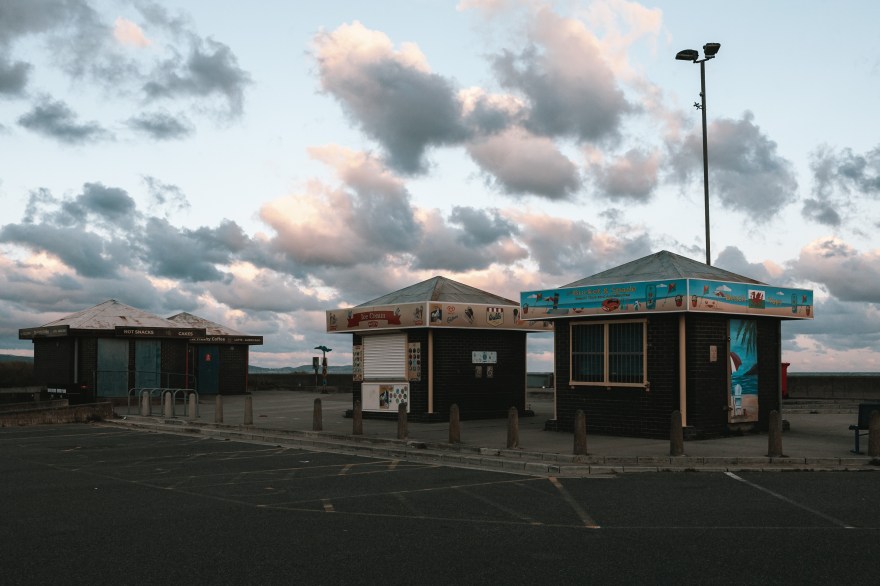
Kinmel Bay 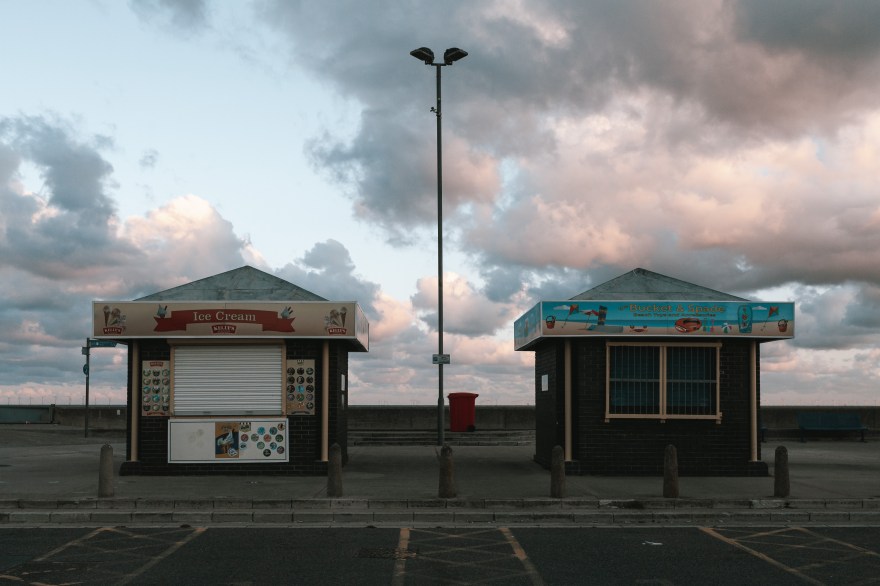
Kinmel Bay 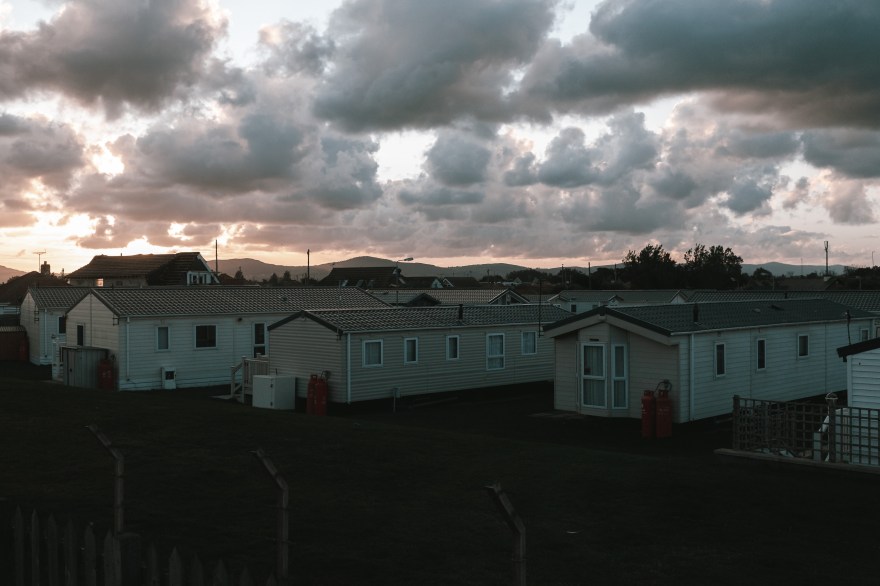
Kinmel Bay 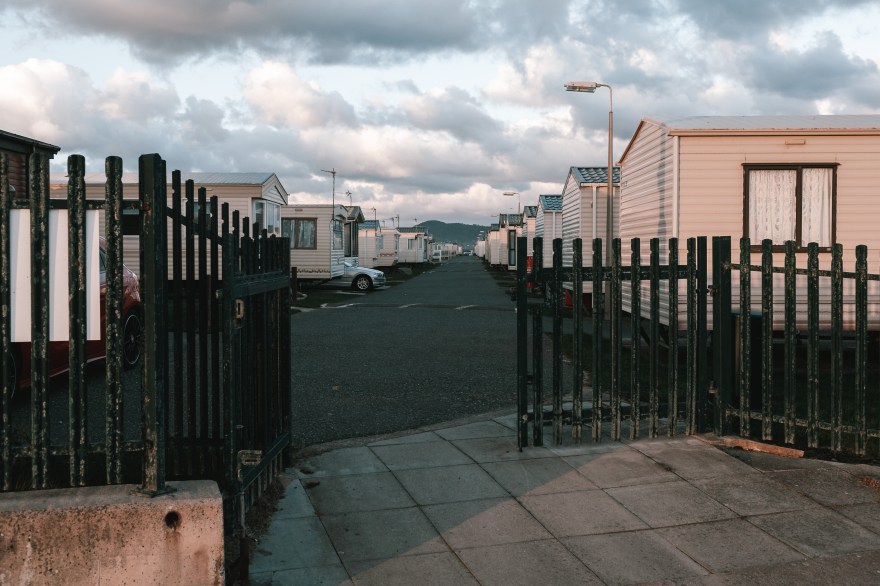
Kinmel Bay 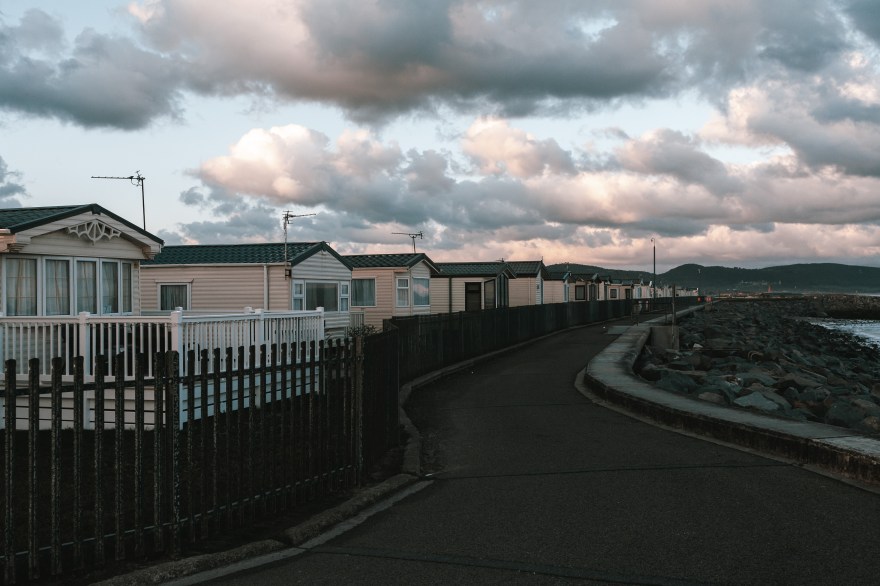
Kinmel Bay 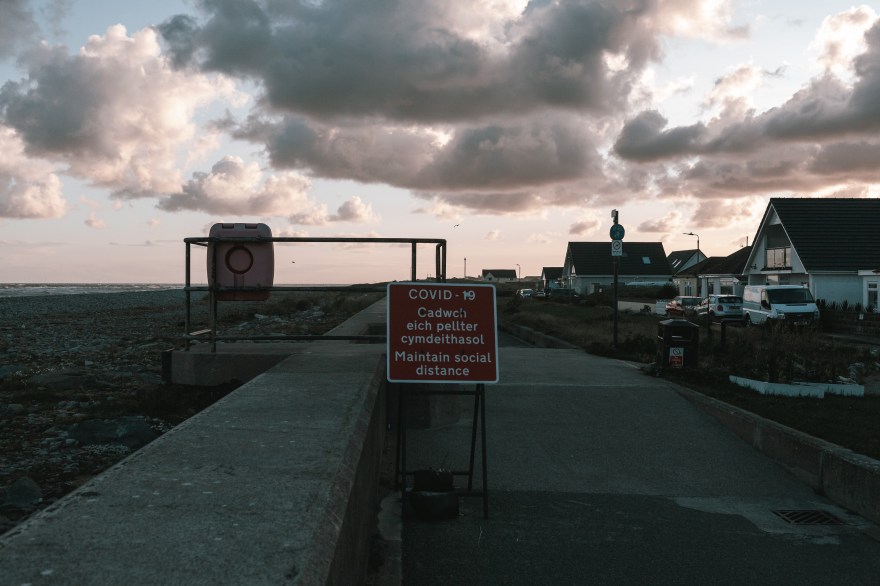
Kinmel Bay 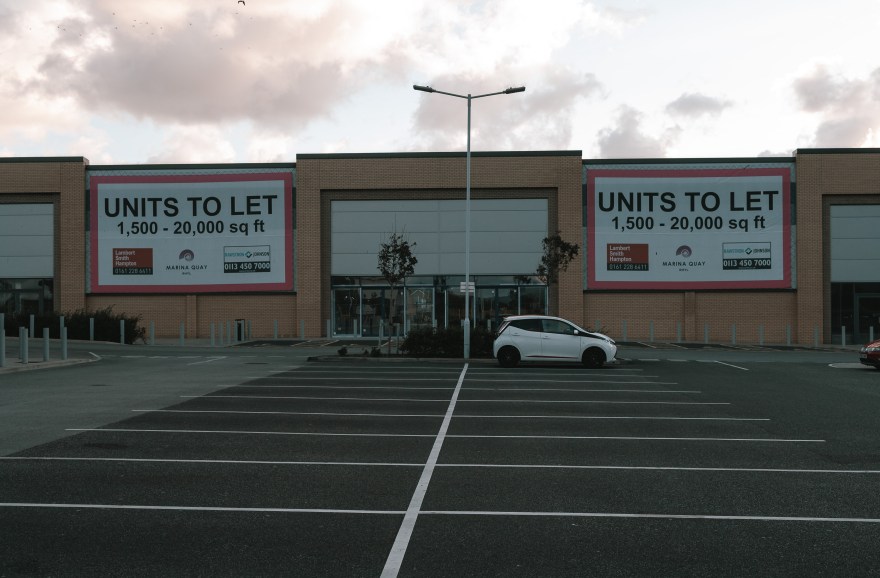
Rhyl 
Rhyl 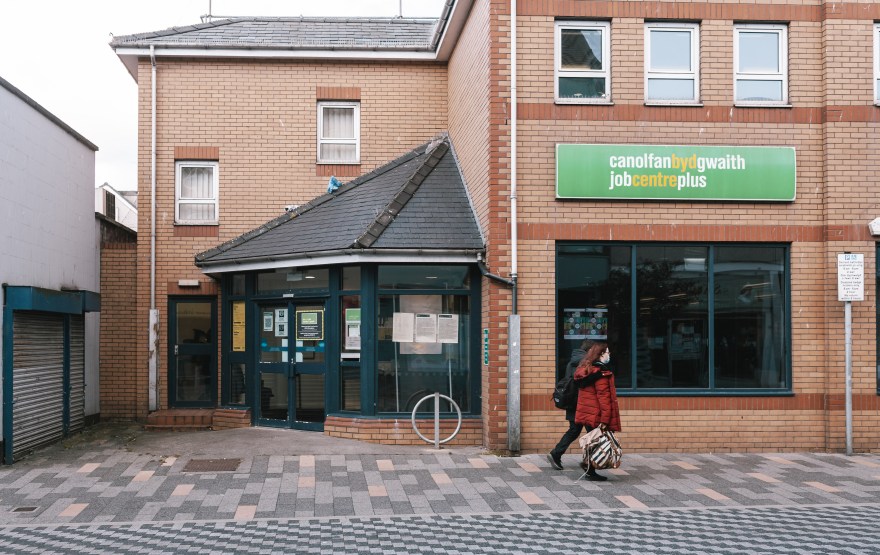
Rhyl 
Rhyl 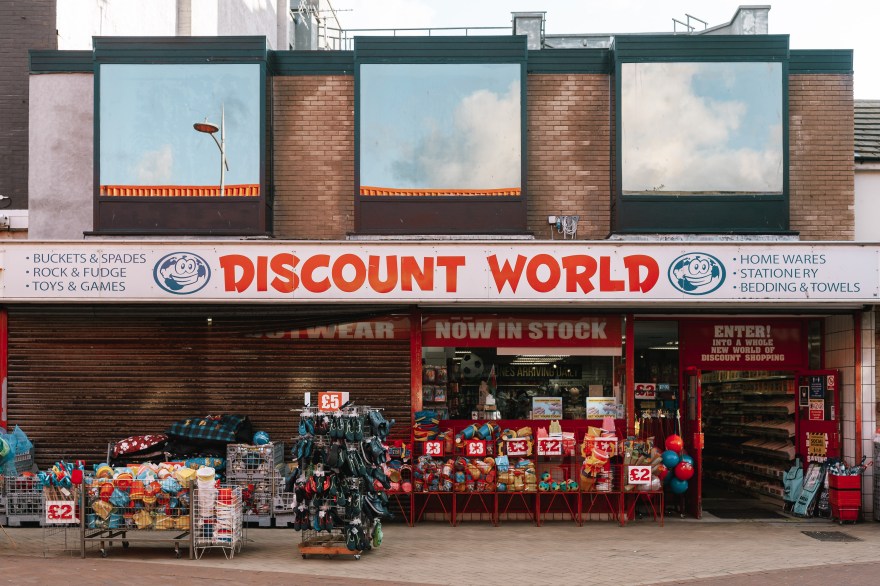
Rhyl 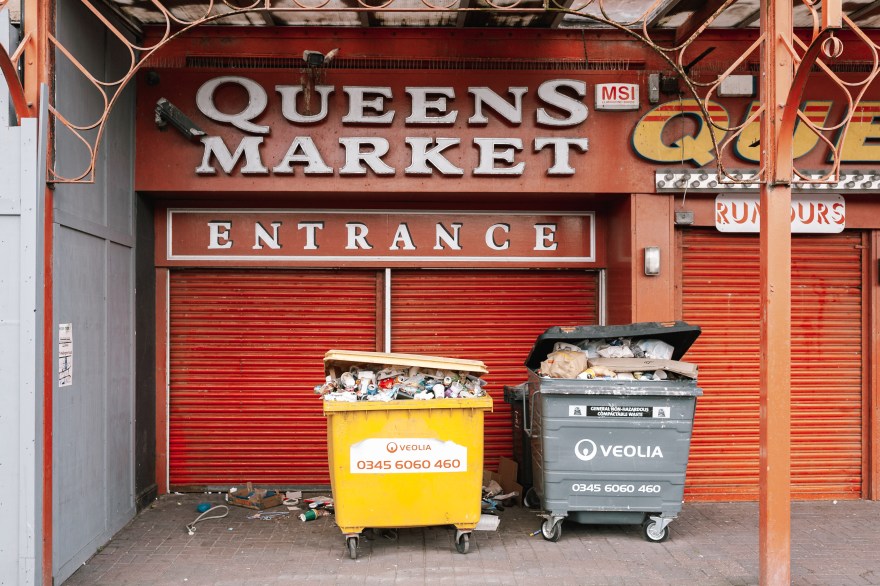
Rhyl 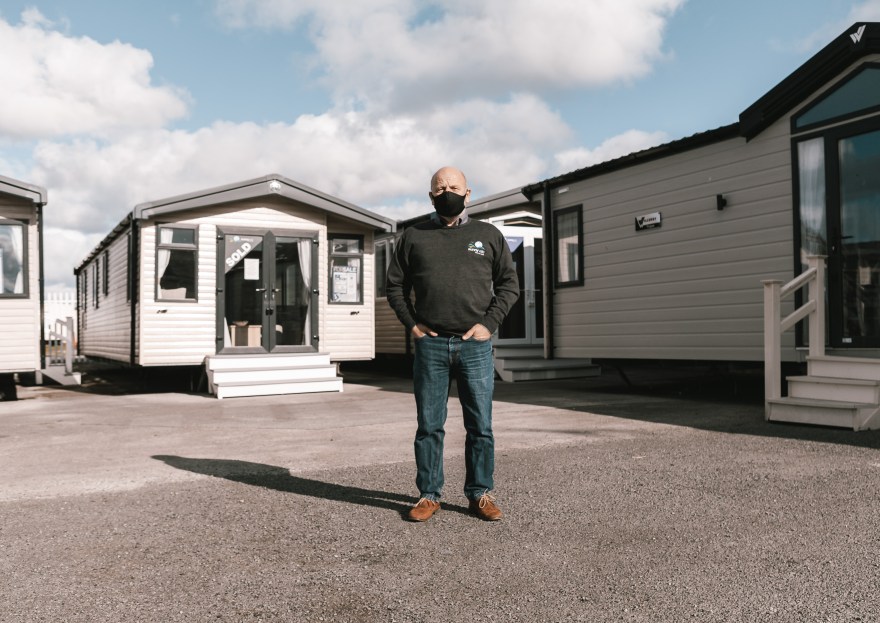
266. Kinmel Bay 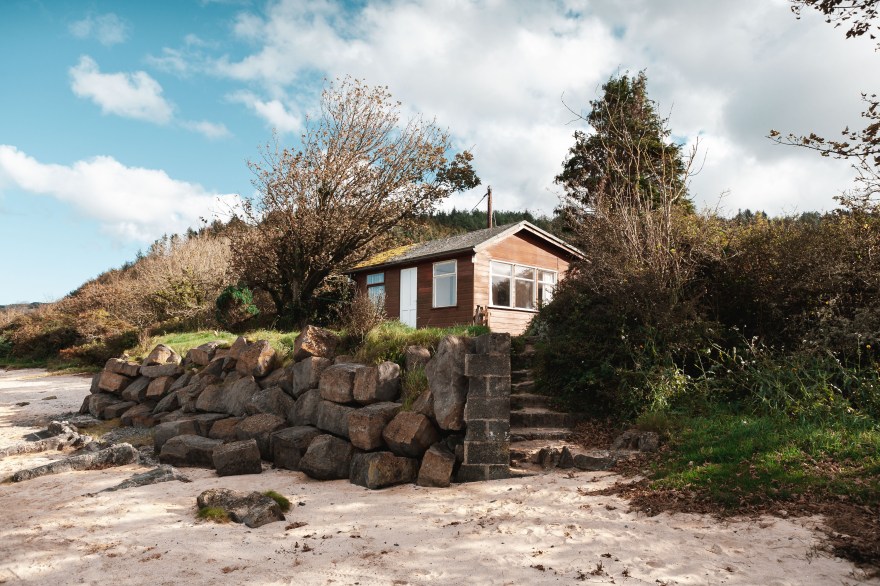
Red Wharf Bay 
267. Wellfield Rd 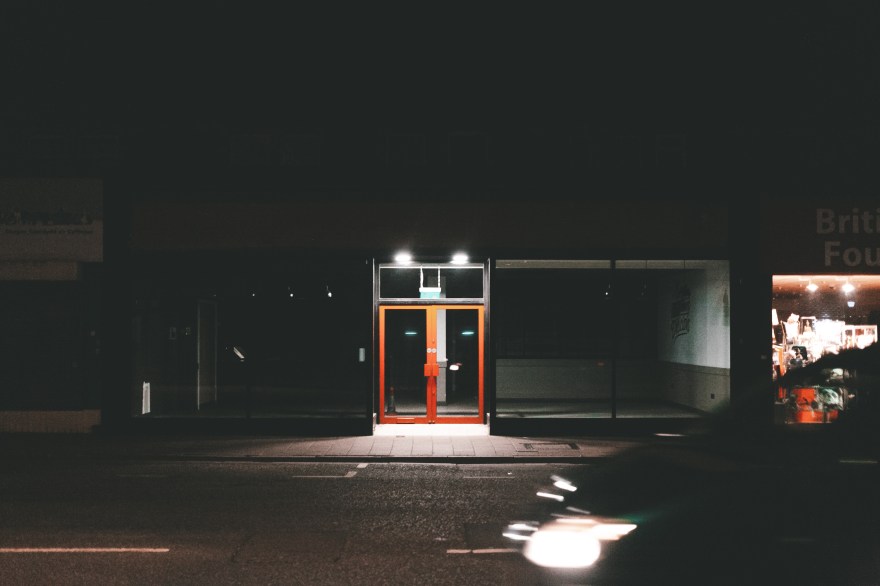
Albany Rd 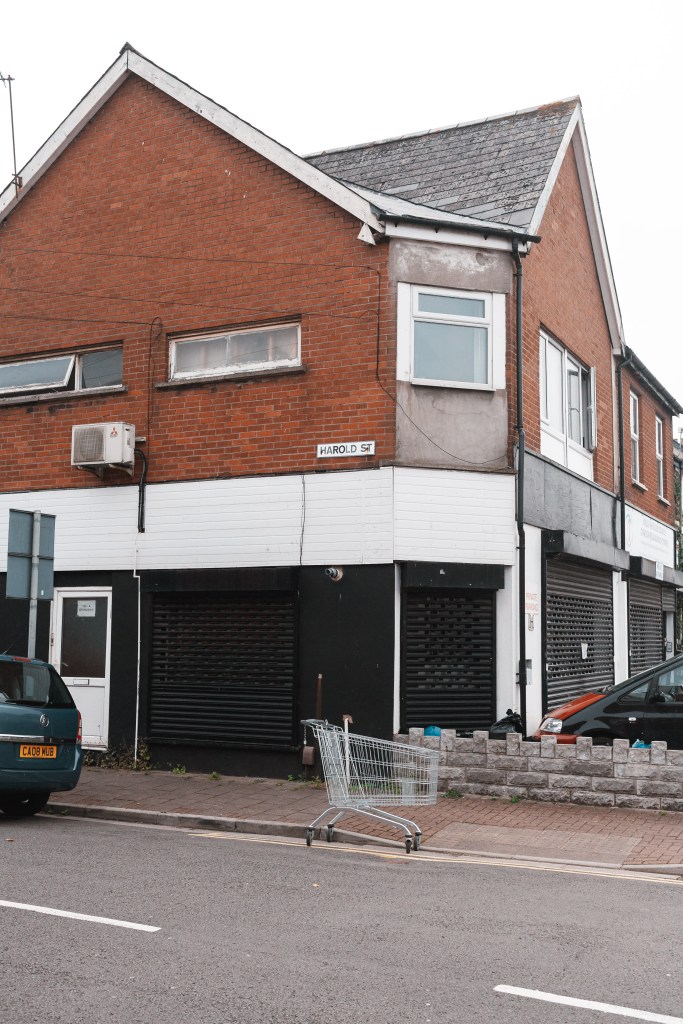
268. Broadway 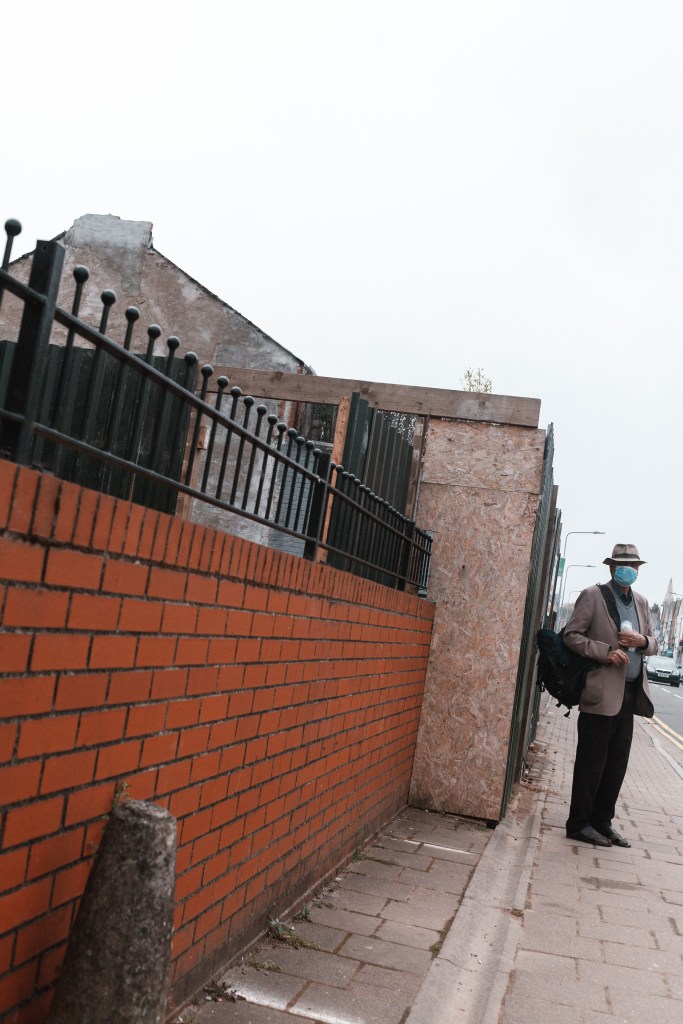
Broadway 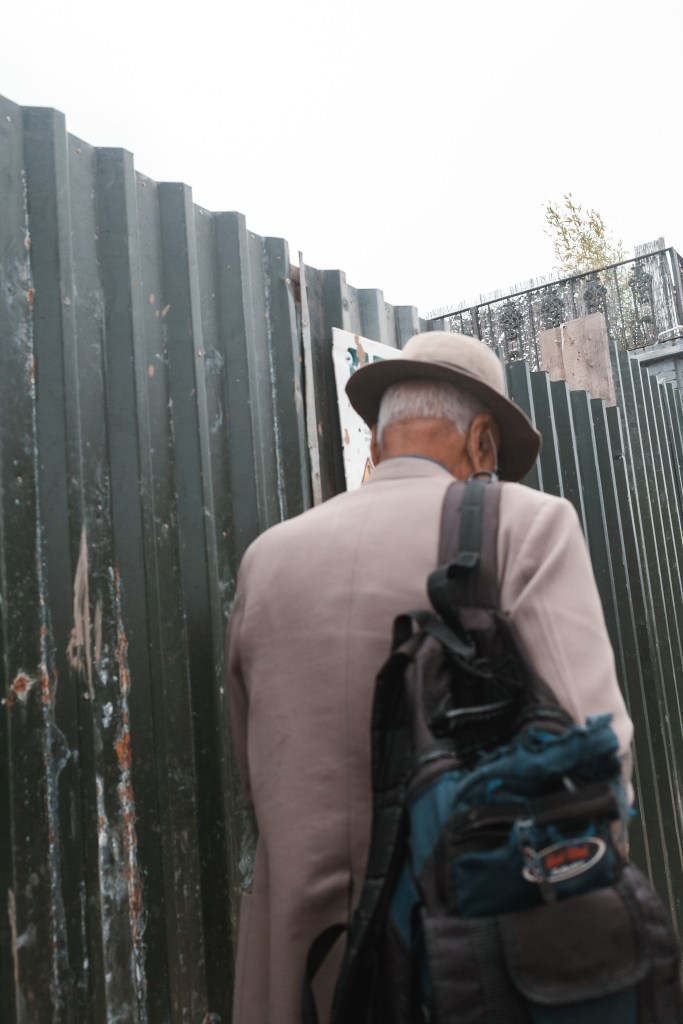
Broadway 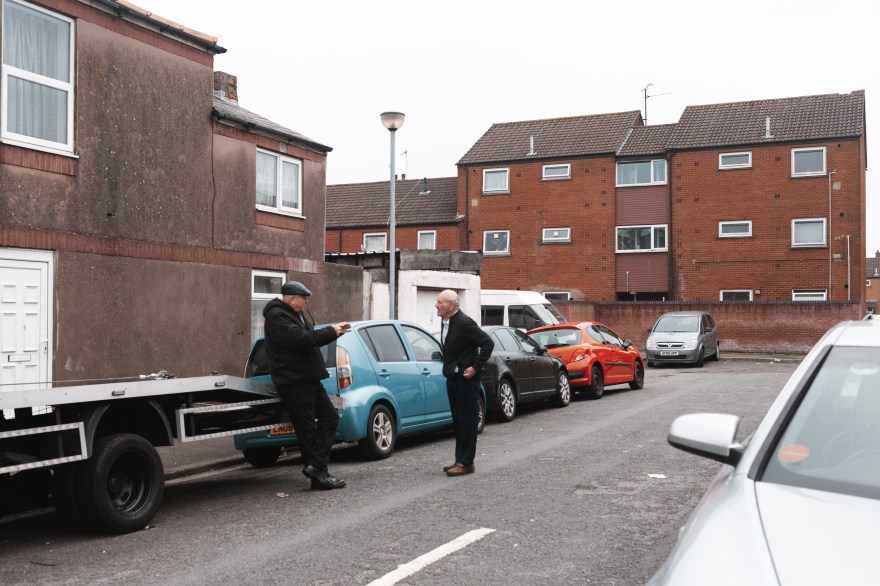
Broadway 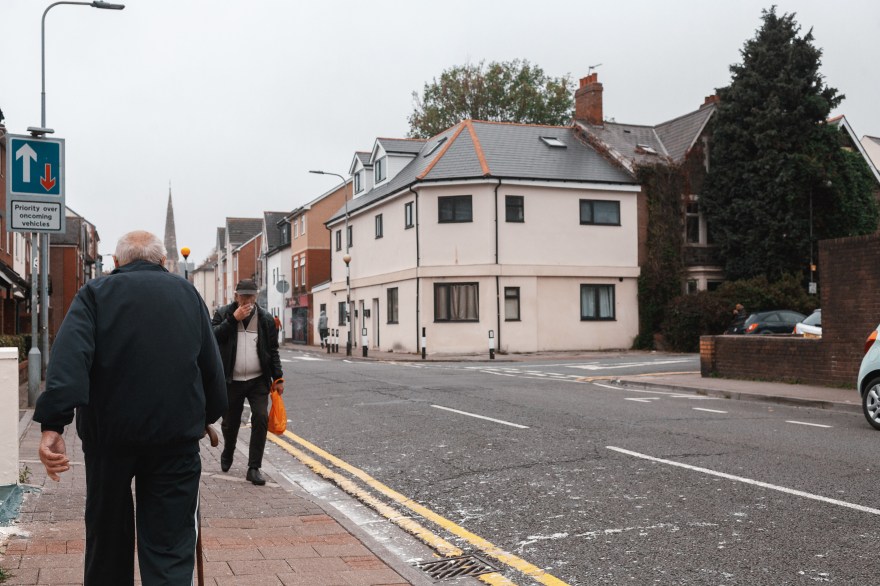
Broadway 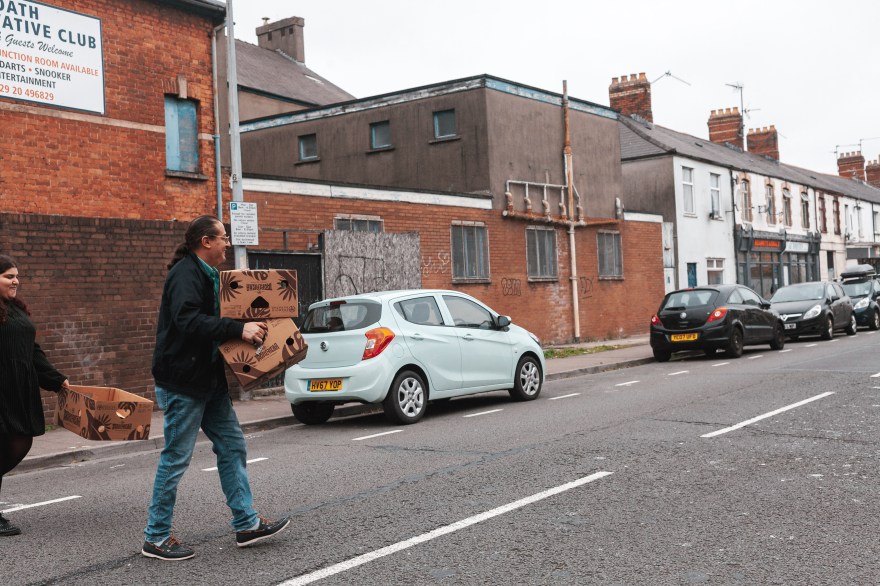
Broadway 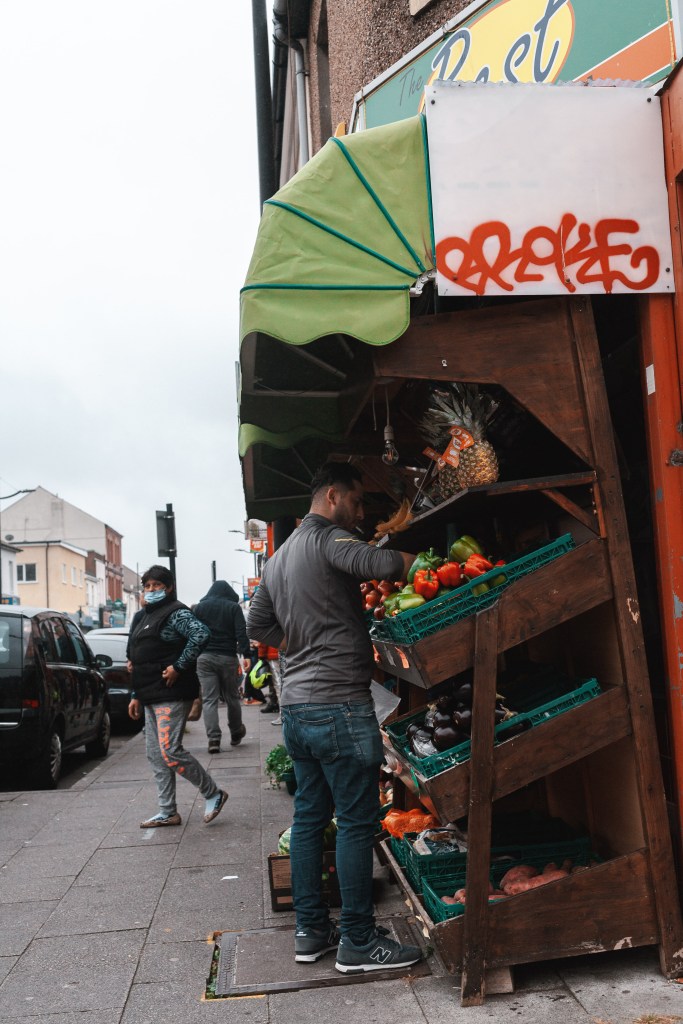
Clifton St 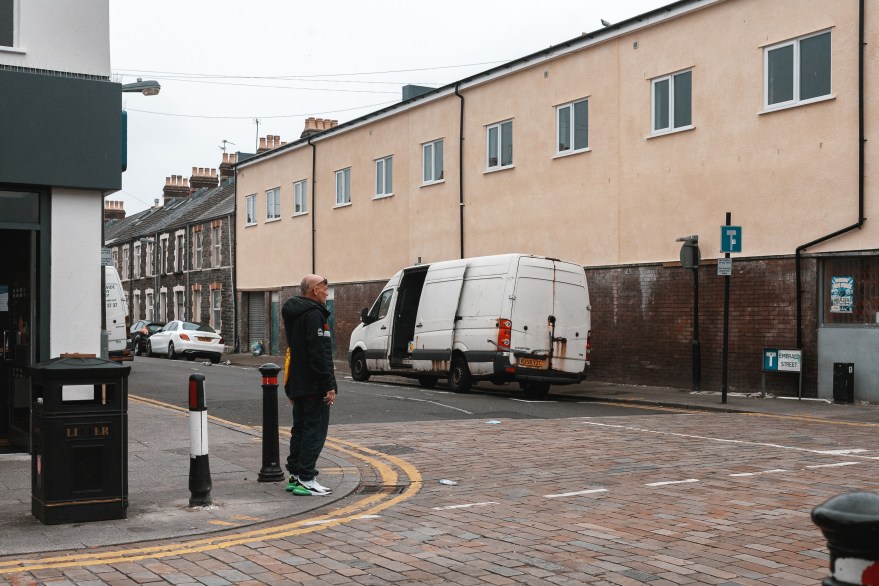
Clifton St 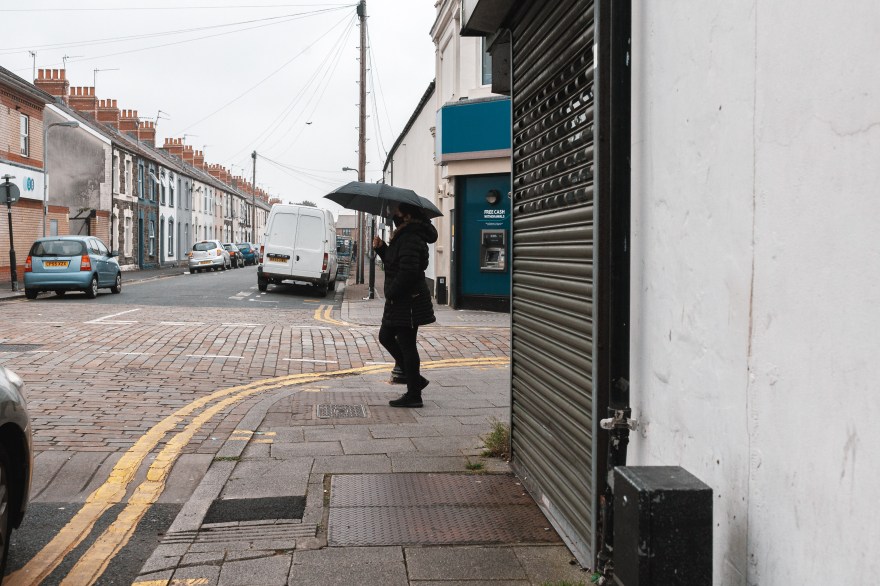
Clifton St 
Clifton St 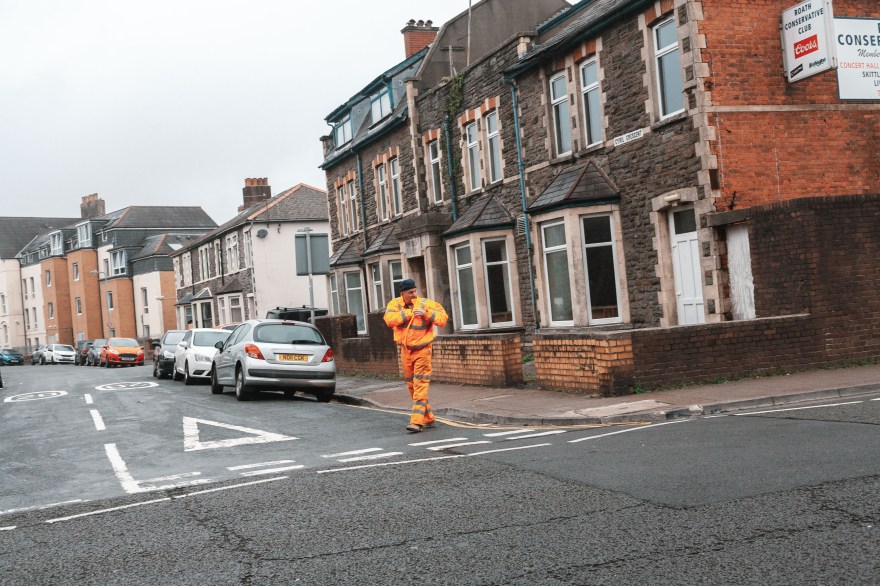
Broadway 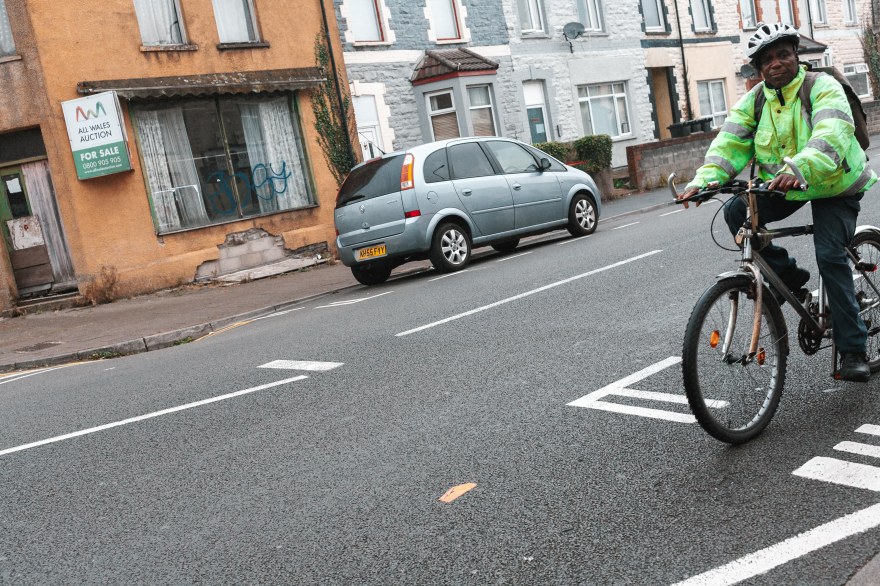
Broadway 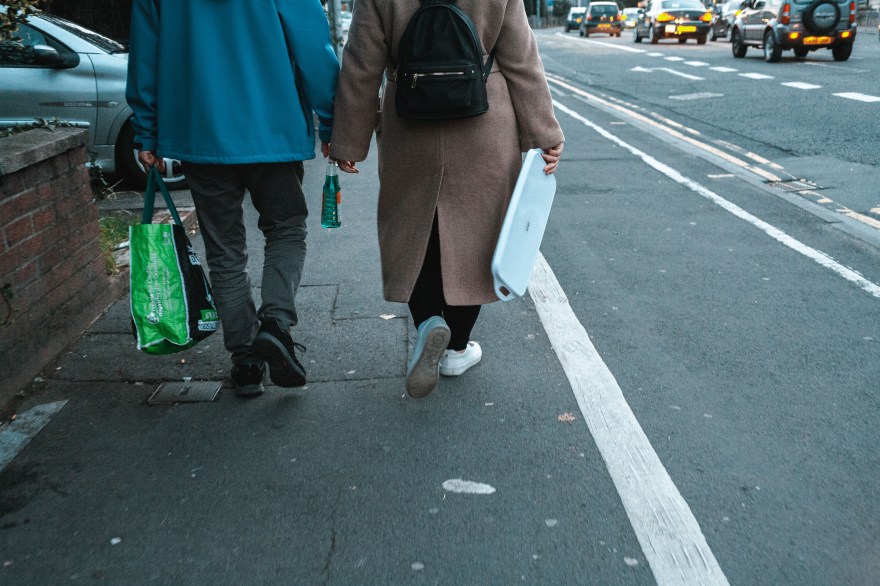
269. Newport Rd 
270. Broadway 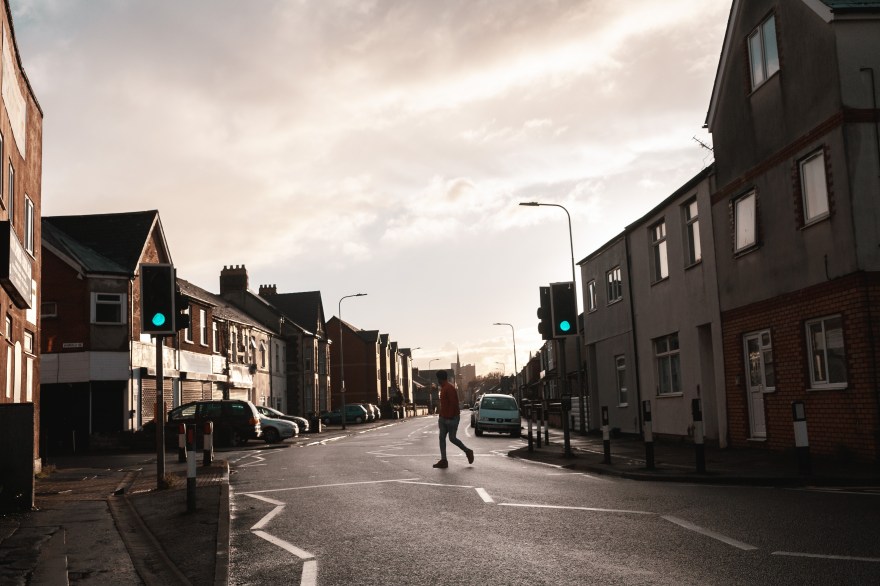
Broadway 
Broadway 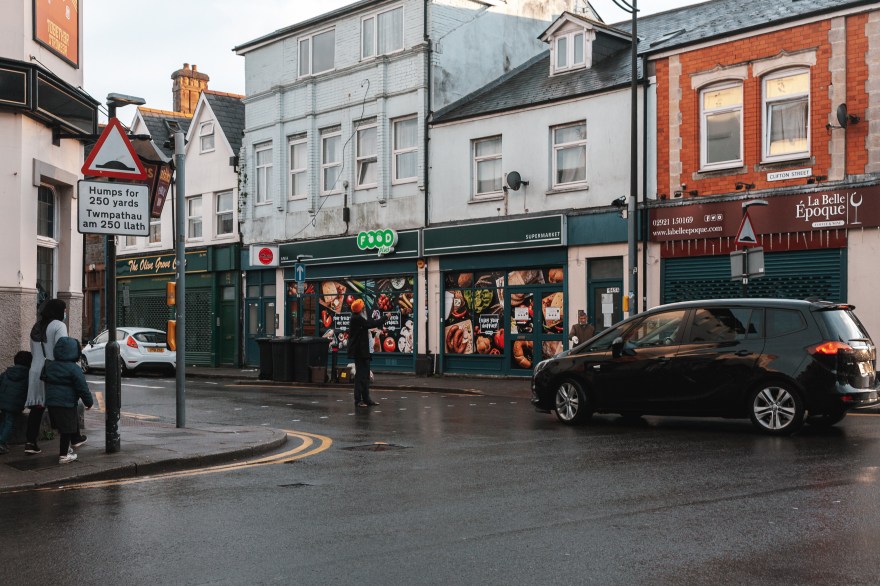
Clifton St 
Newport Rd 
Newport Rd 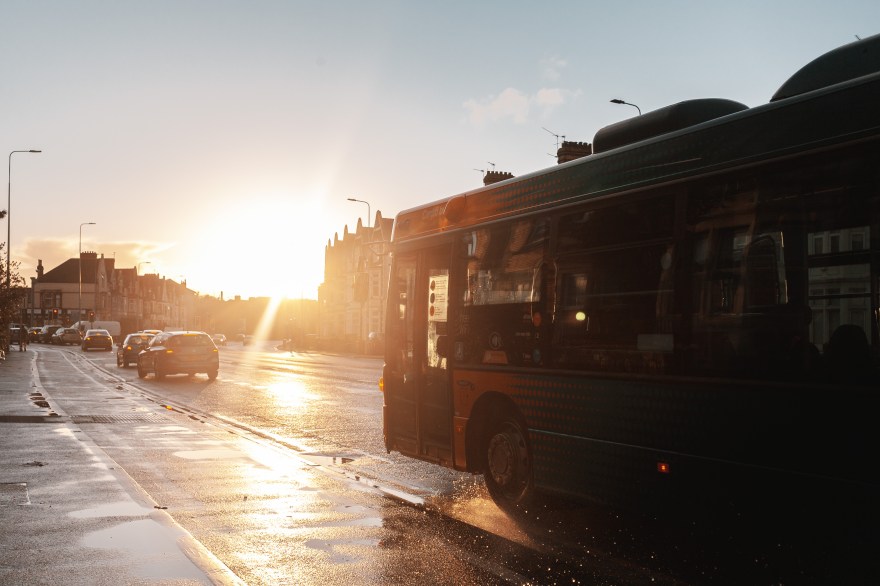
Newport Rd 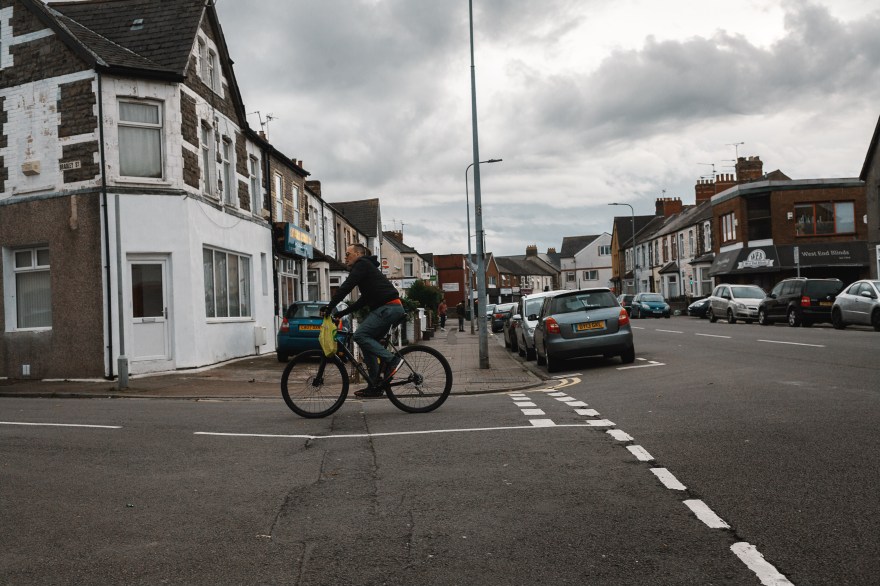
271. Broadway 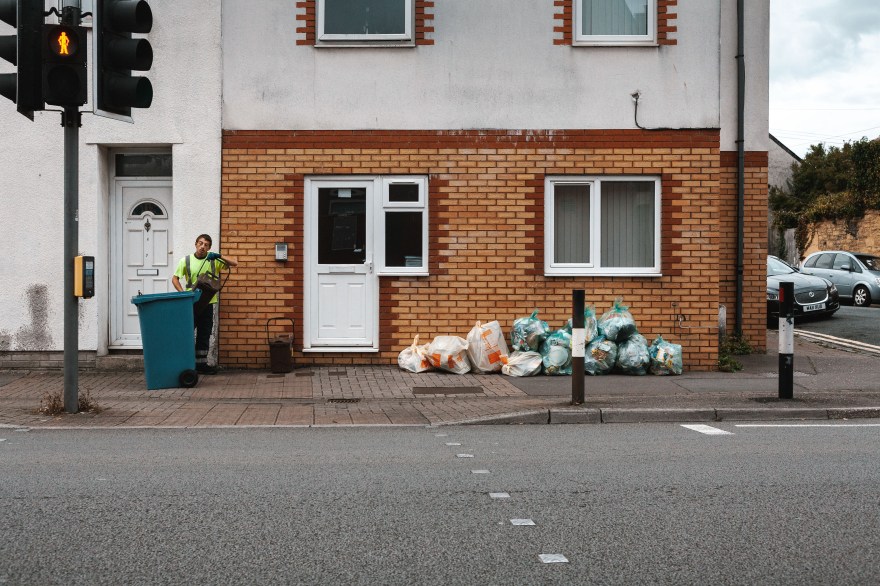
Broadway 
Broadway
Tag: photojournalism
2020 365 Photo Challenge – Week 38
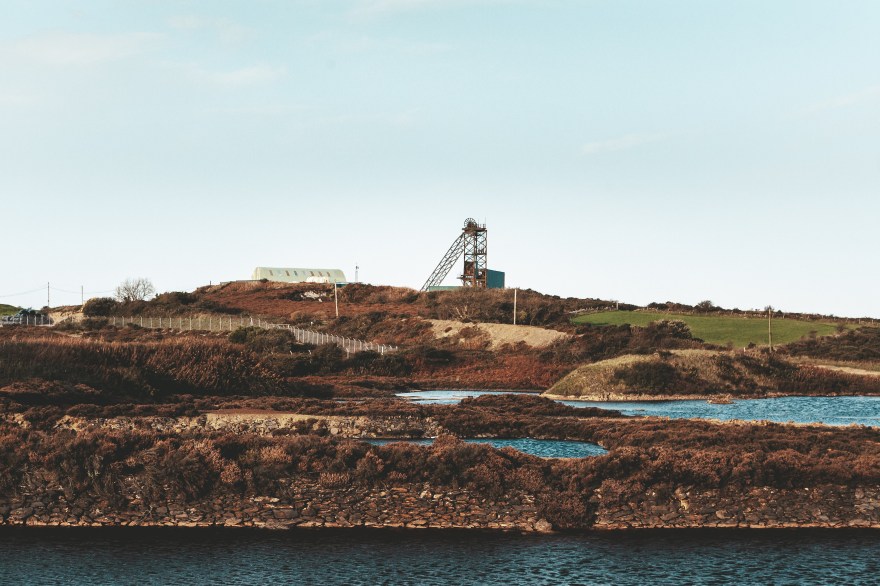
259. Parys Mountain 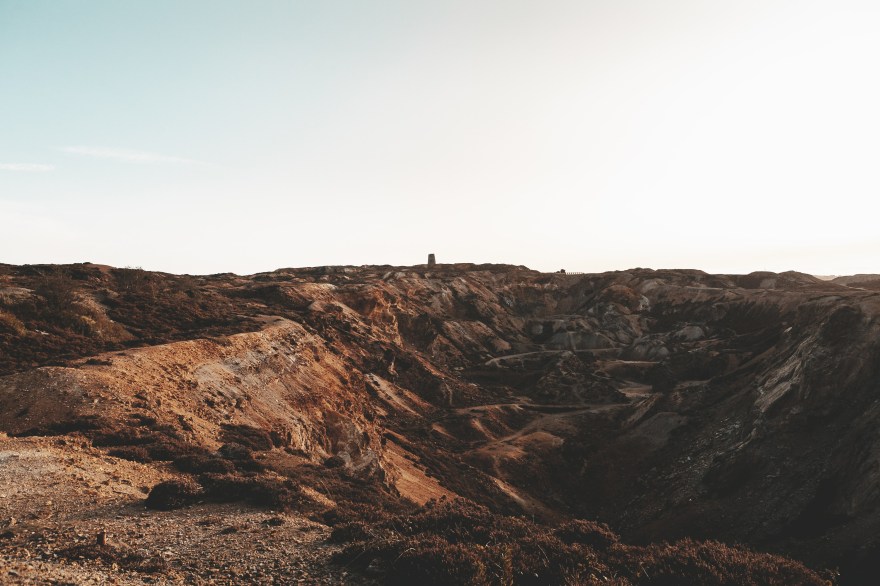
Parys Mountain 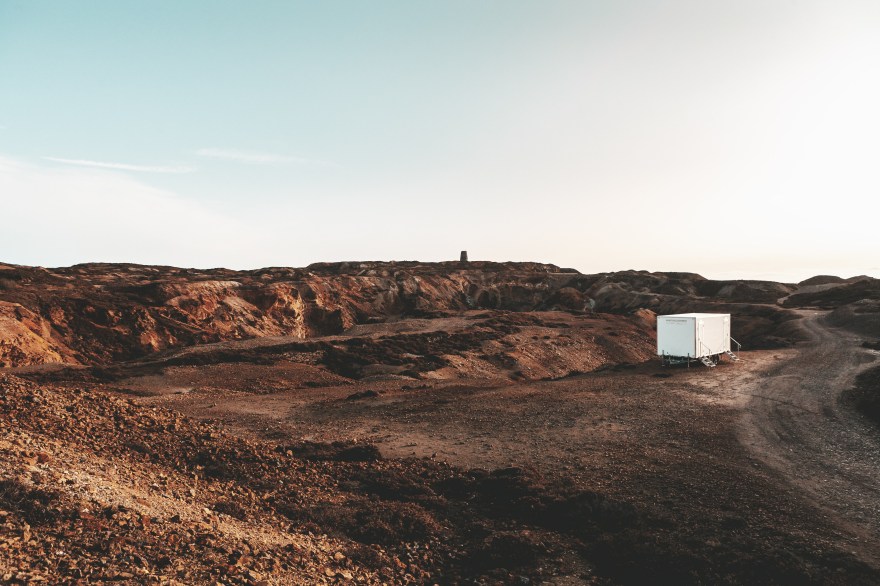
Parys Mountain 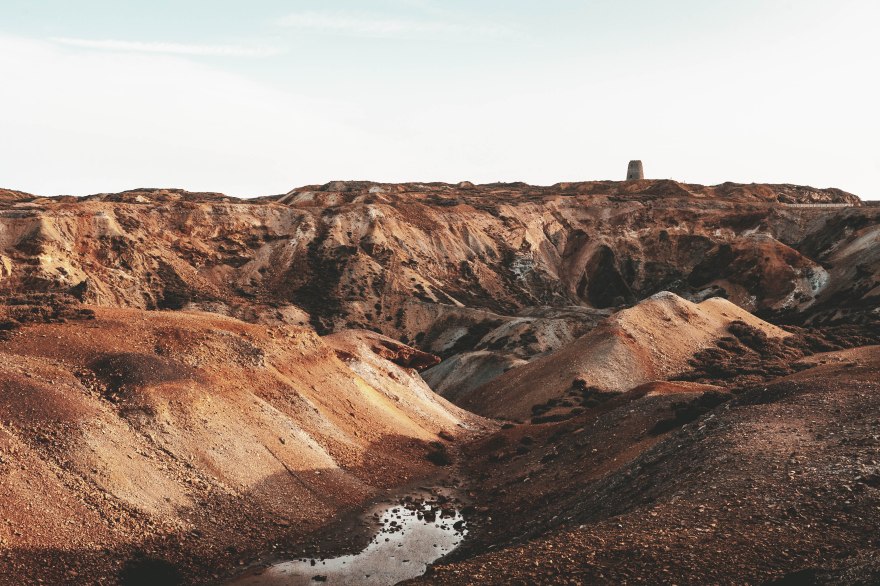
Parys Mountain 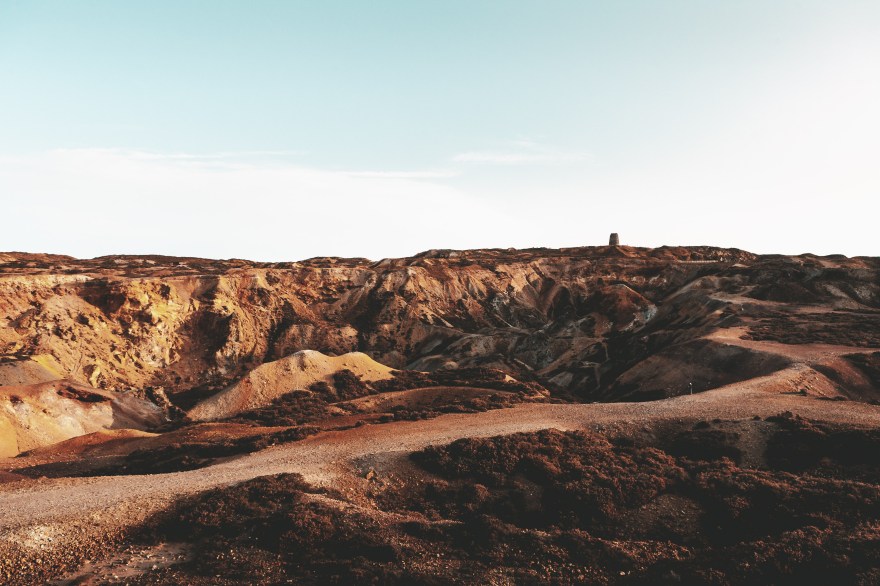
Parys Mountain 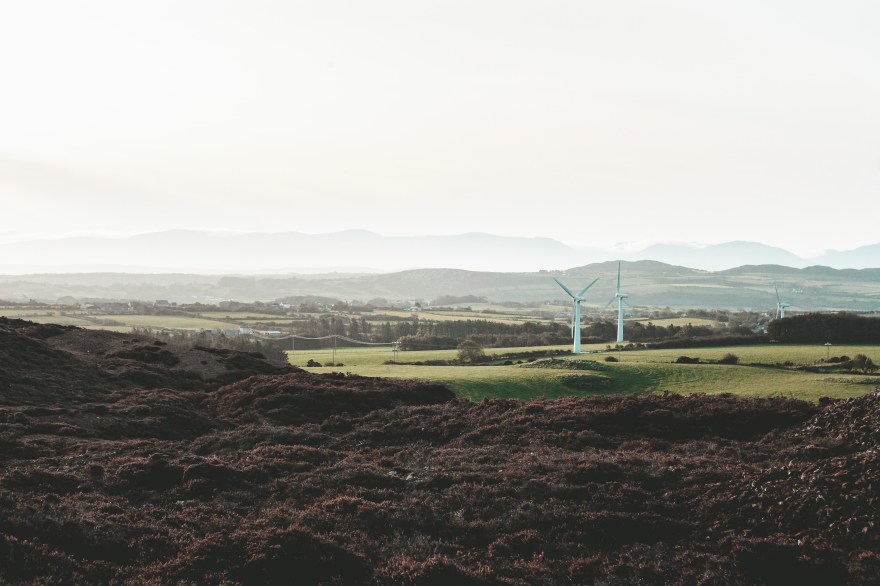
Parys Mountain 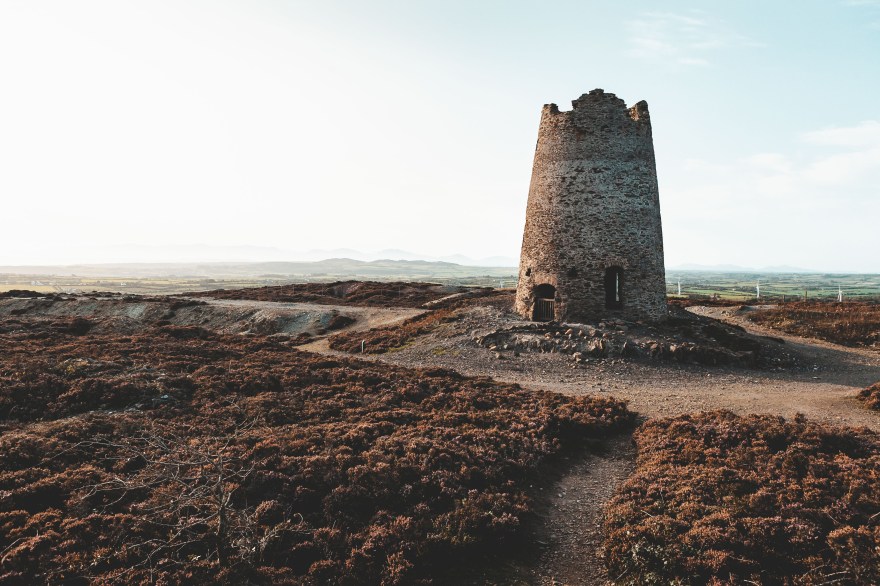
Parys Mountain 
Parys Mountain 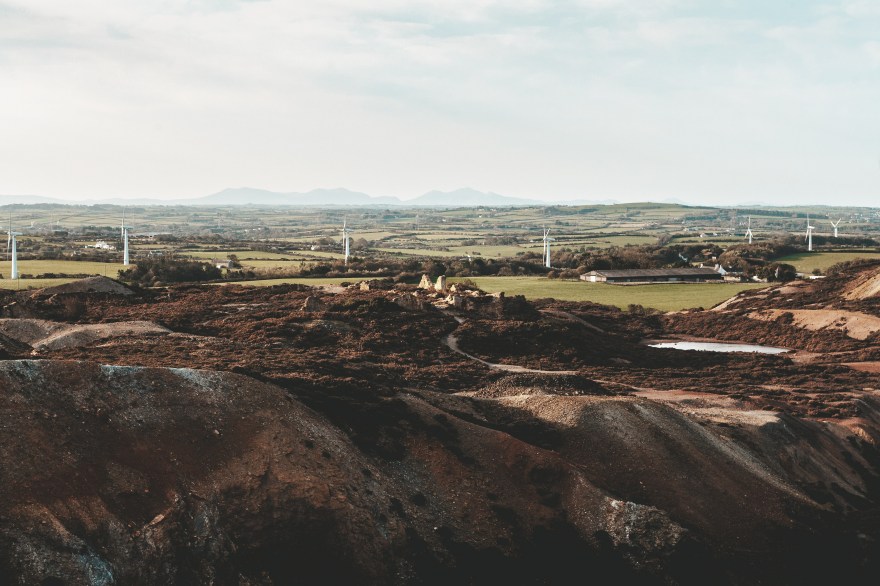
Parys mountain 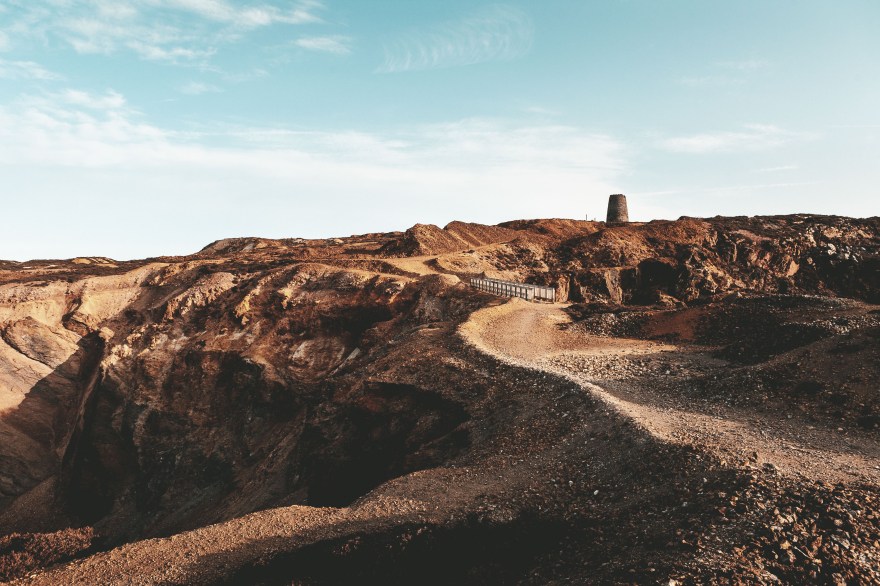
Parys Mountain 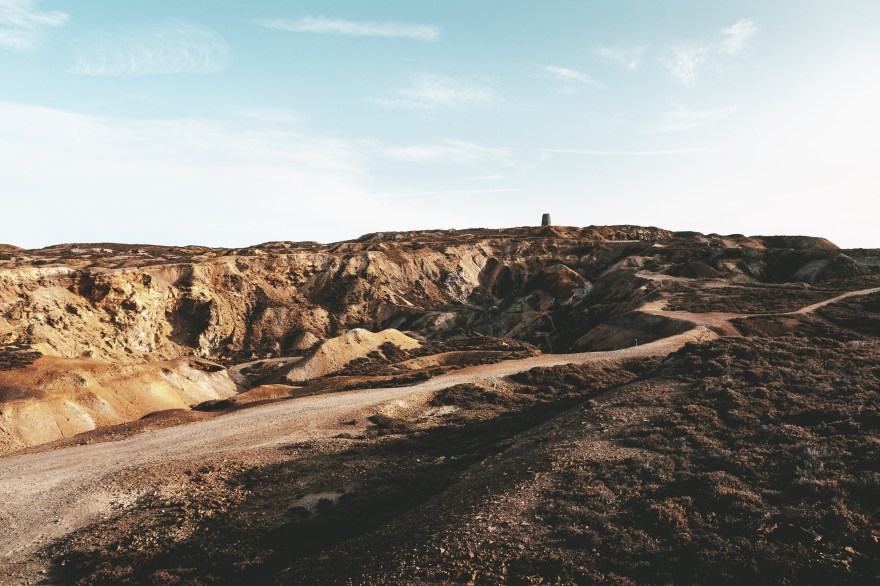
Parys Mountain 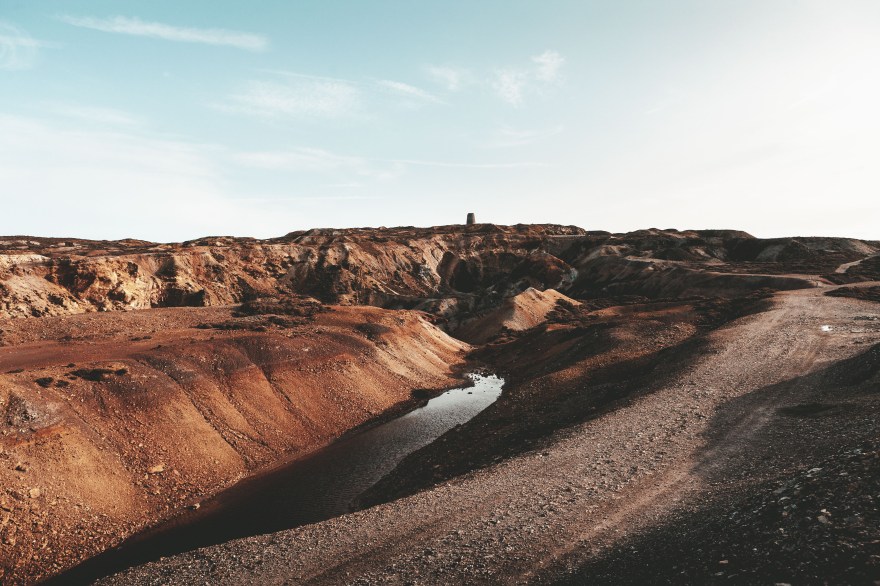
Parys Mountain 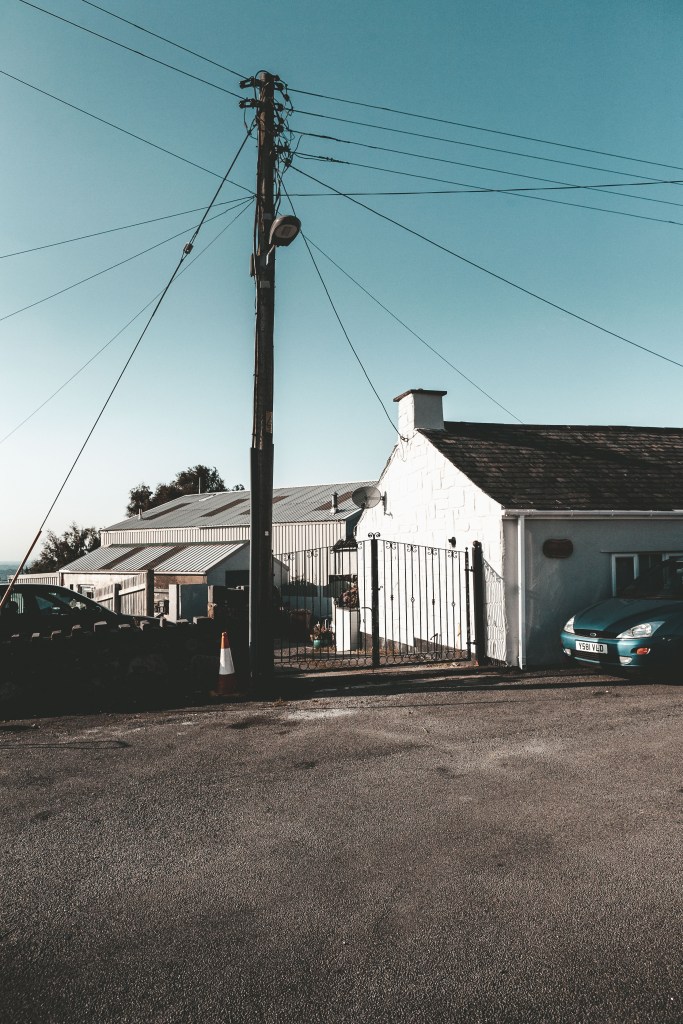
260. Rachub 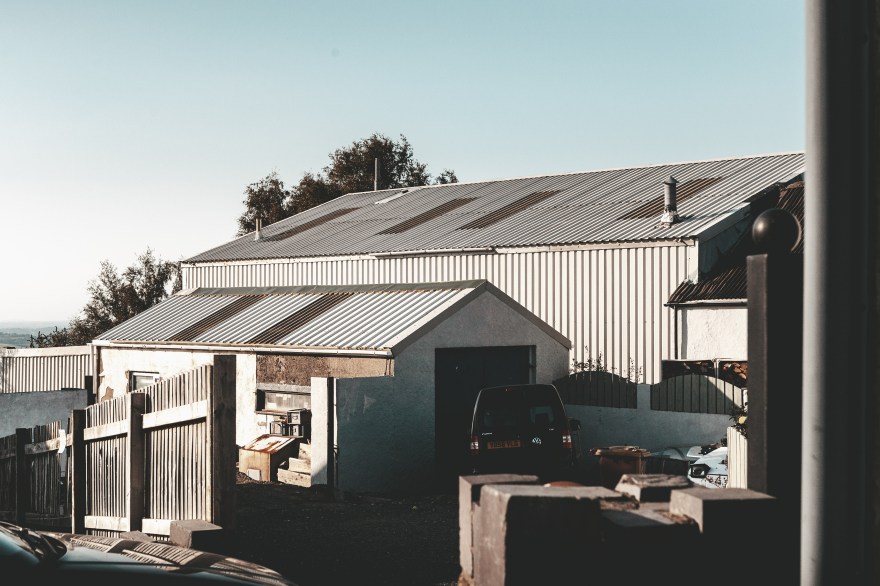
Rachub 
Rachub 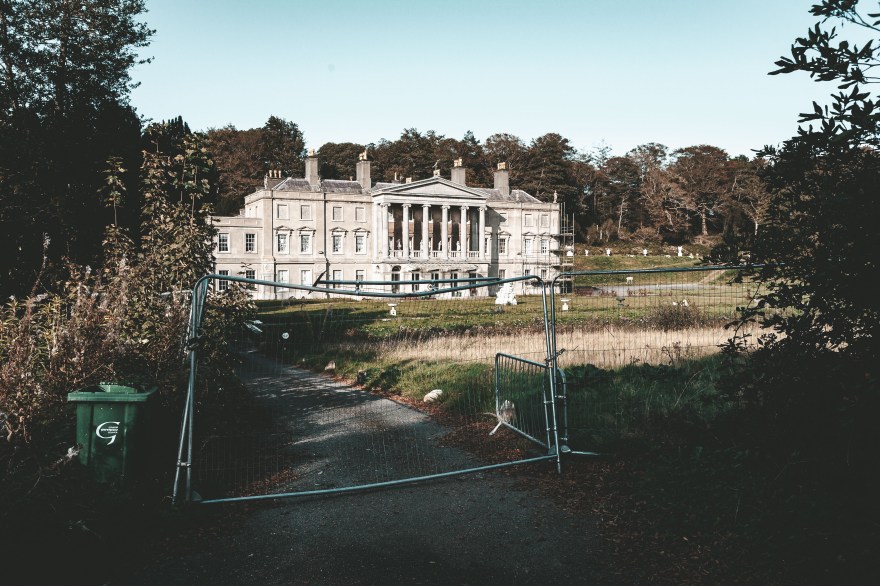
Glynllifon Mansion 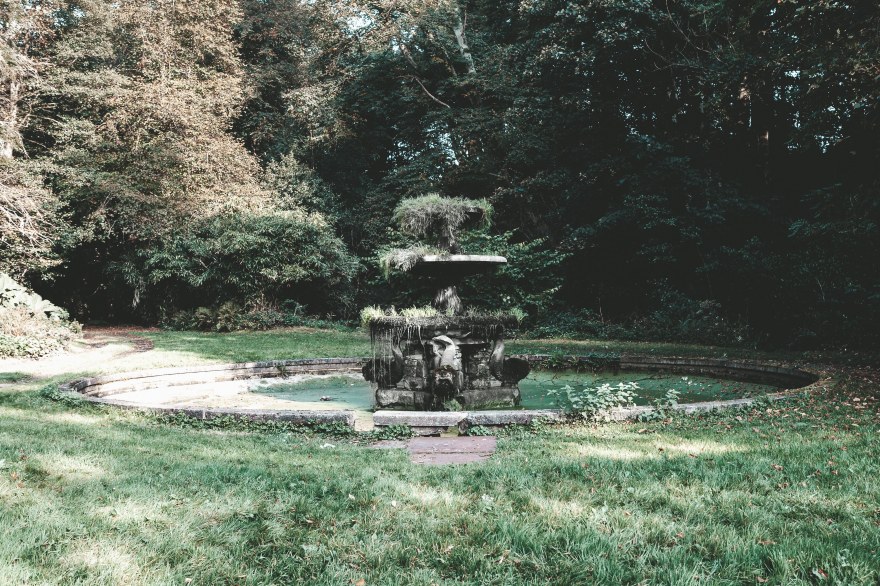
Glynllifon Mansion 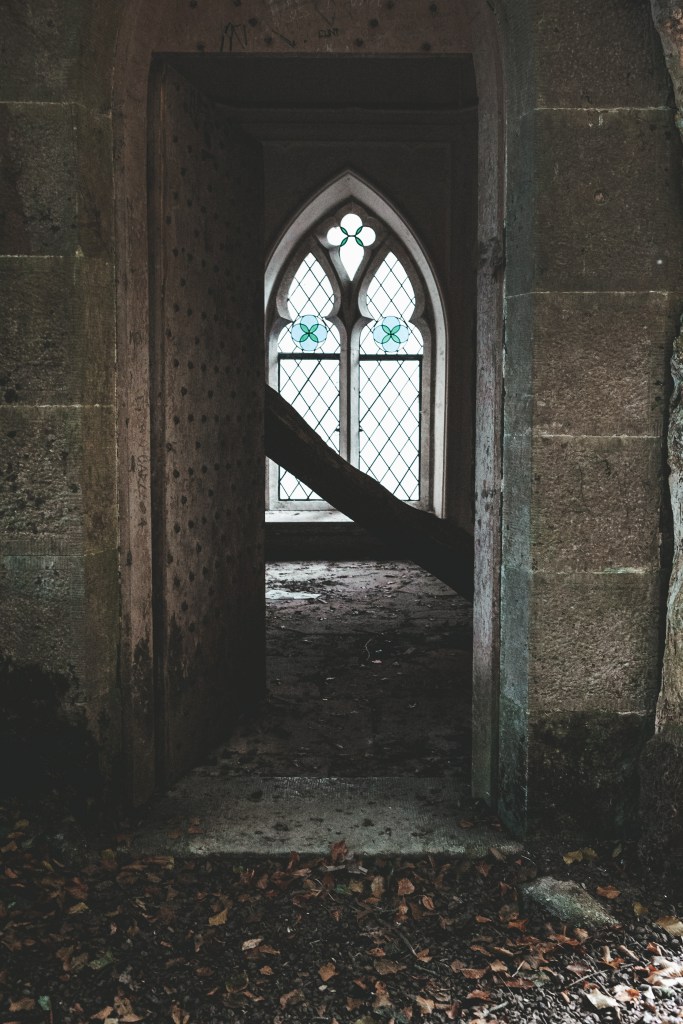
Glynllifon Mansion 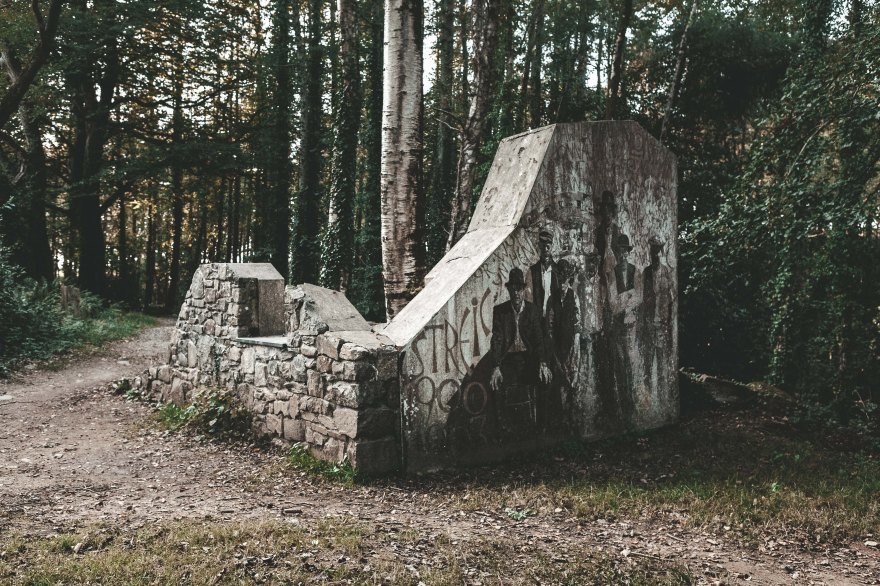
Glynllifon Mansion 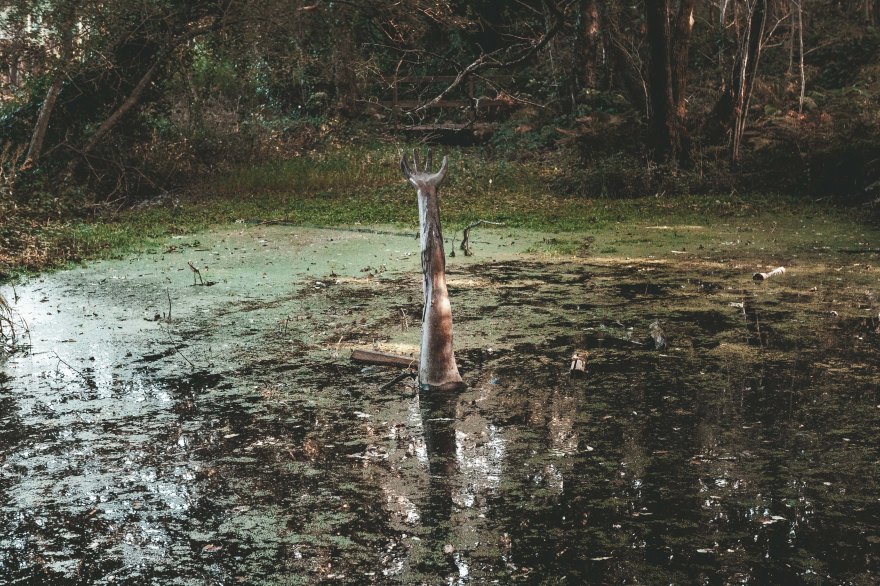
Glynllifon Mansion 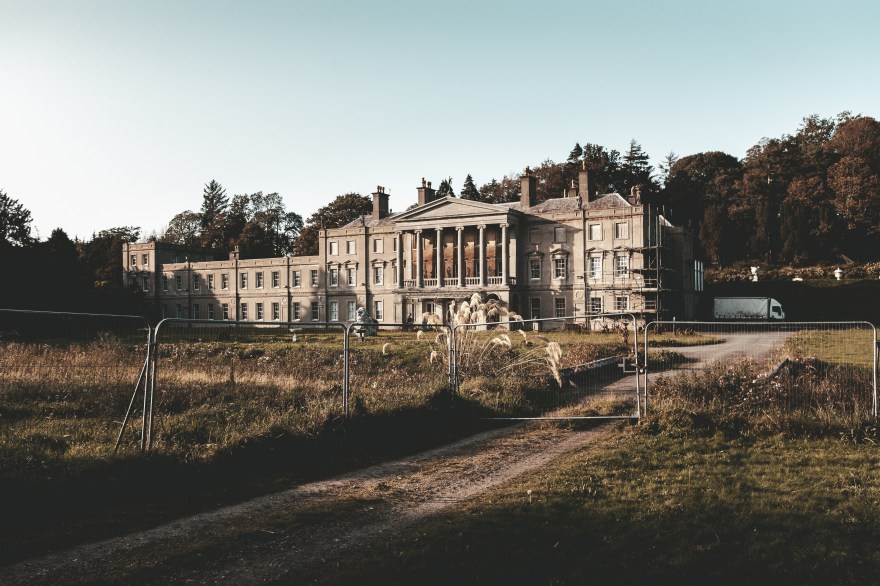
Glynllifon Mansion 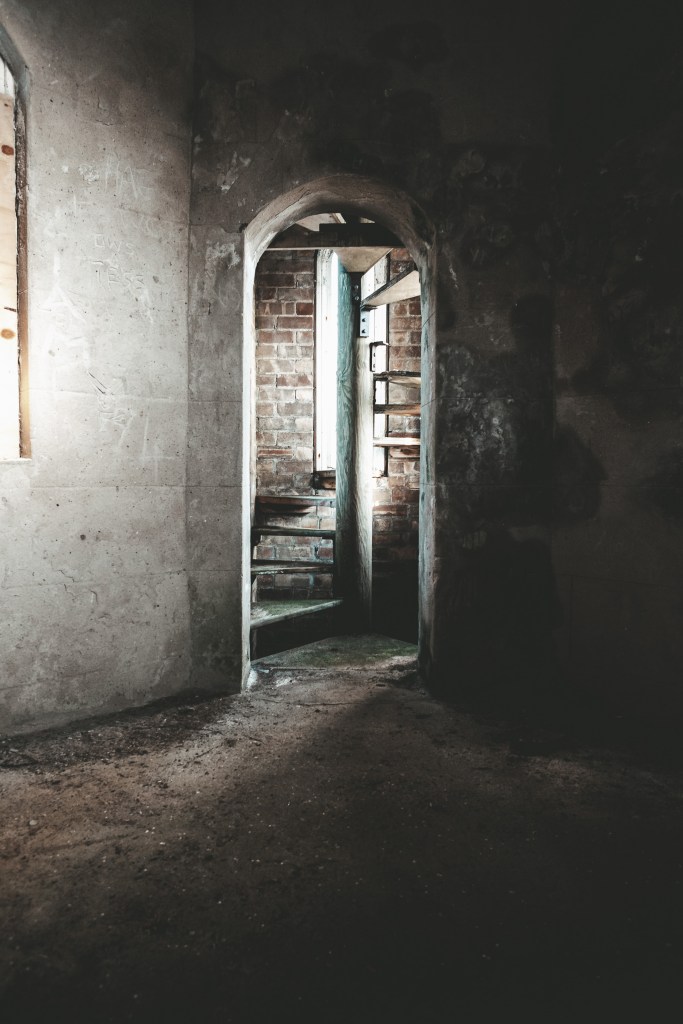
Glynllifon Mansion 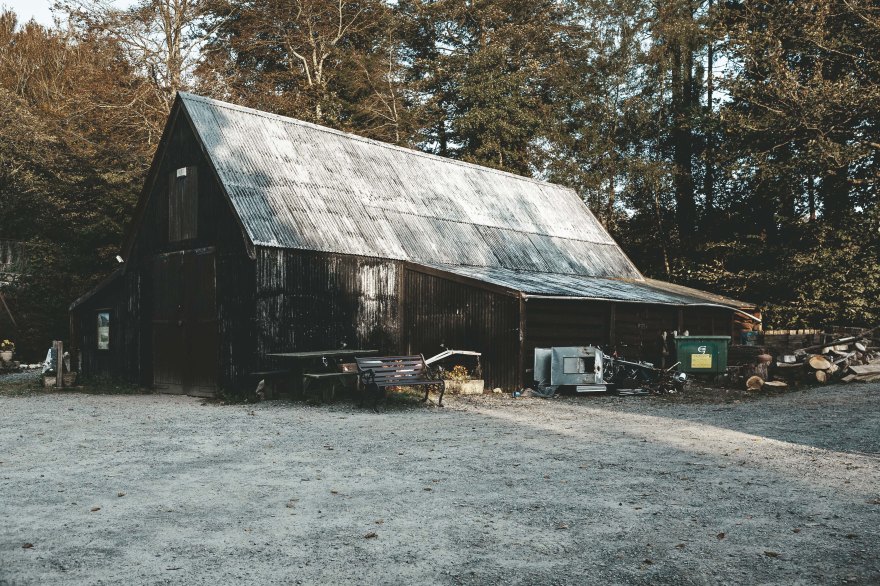
Glynllifon Mansion 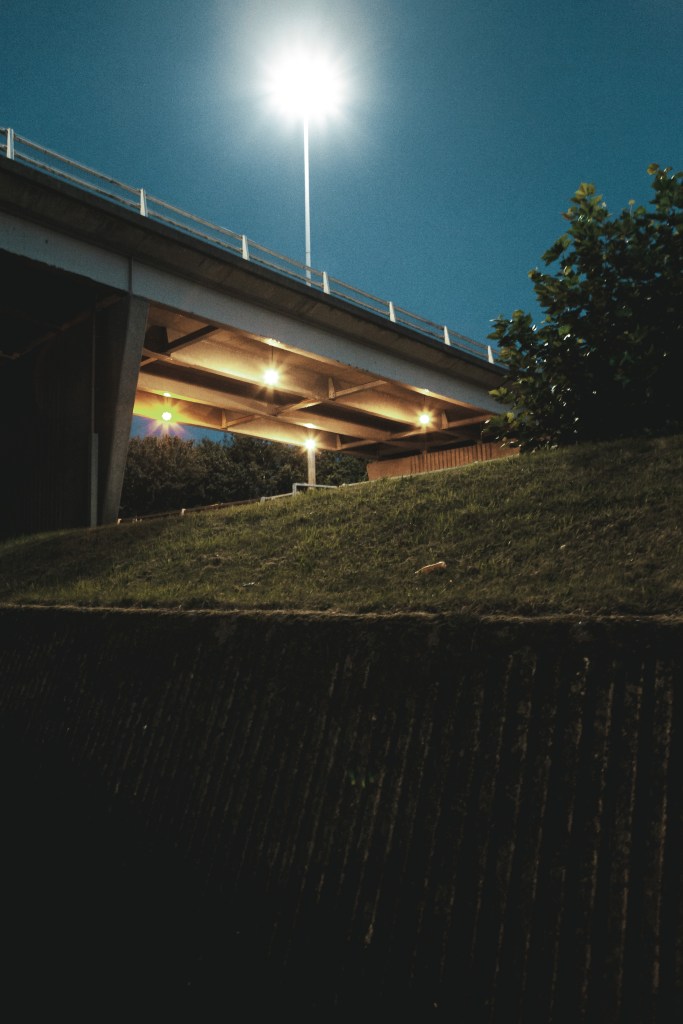
Caernarfon 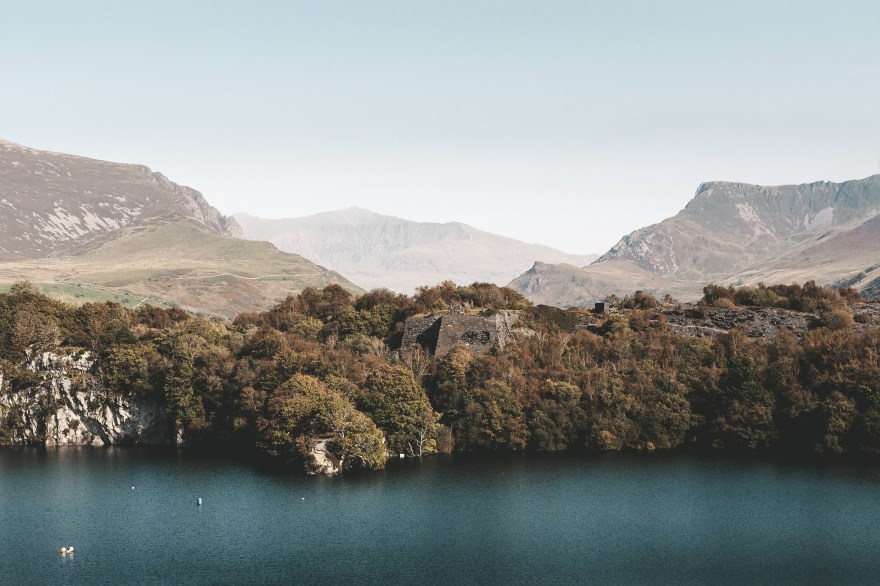
261. Nantlle Quarries 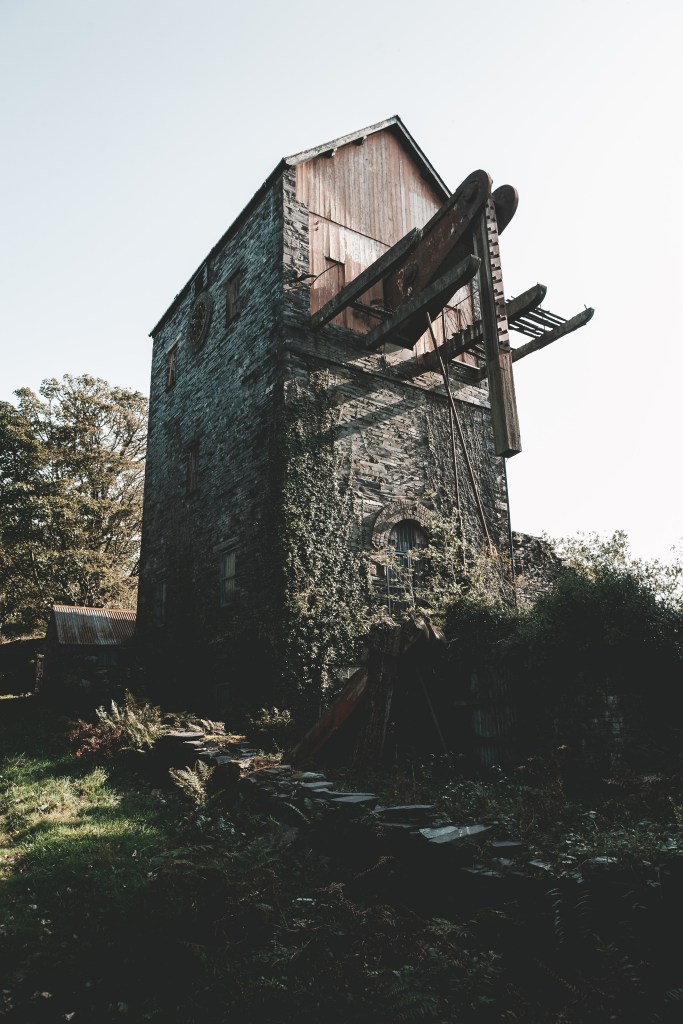
Nantlle Quaries 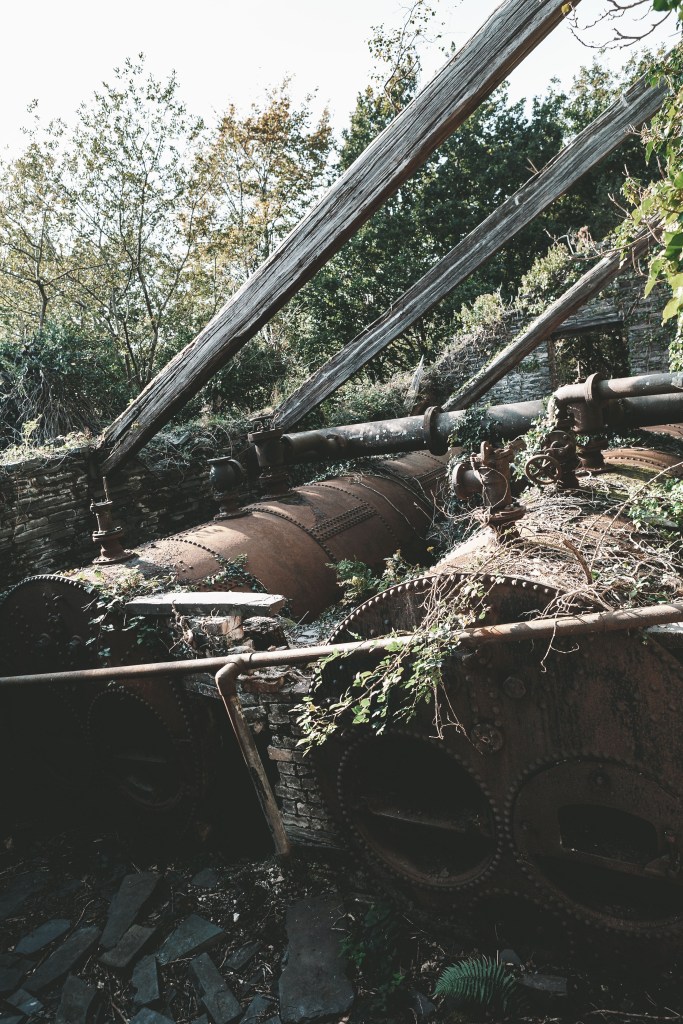
Nantlle Quarries 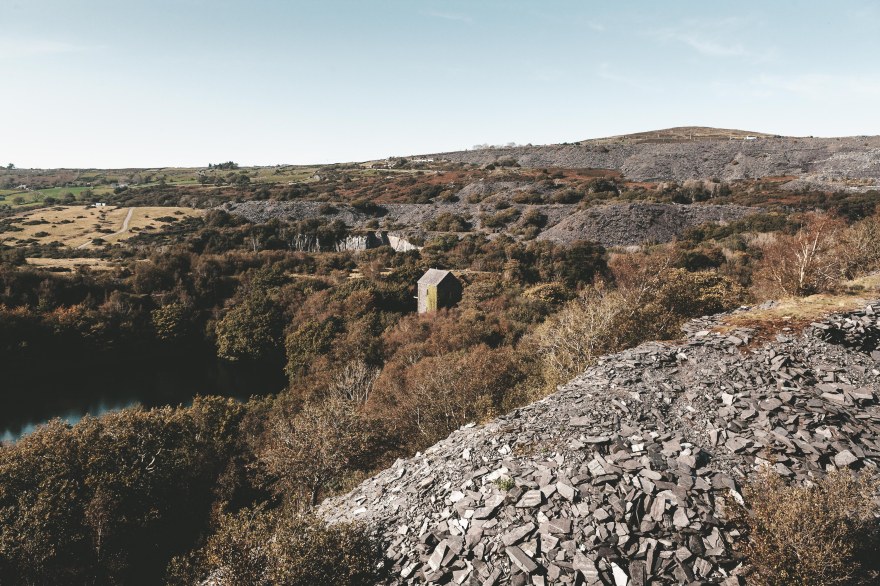
Nantlle Quaries 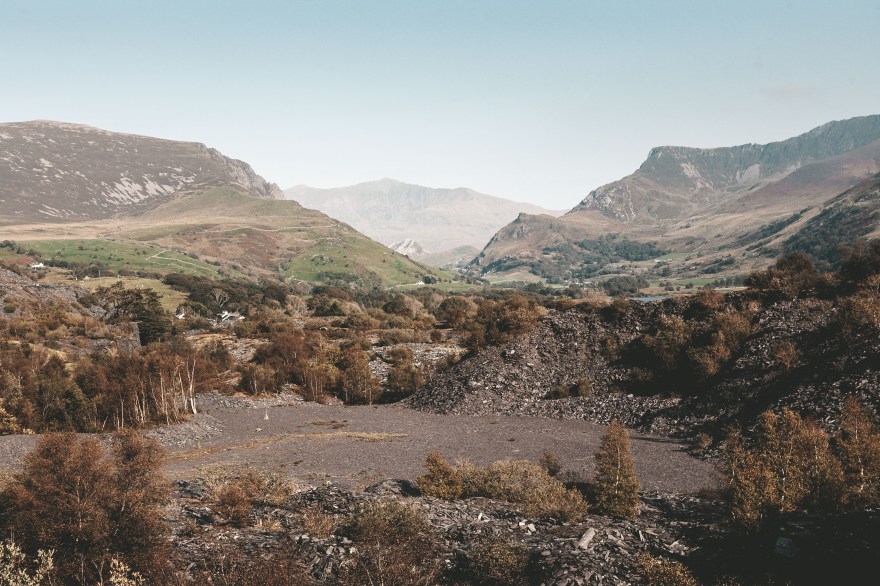
Nantlle Quarries 
Nantlee Quarries 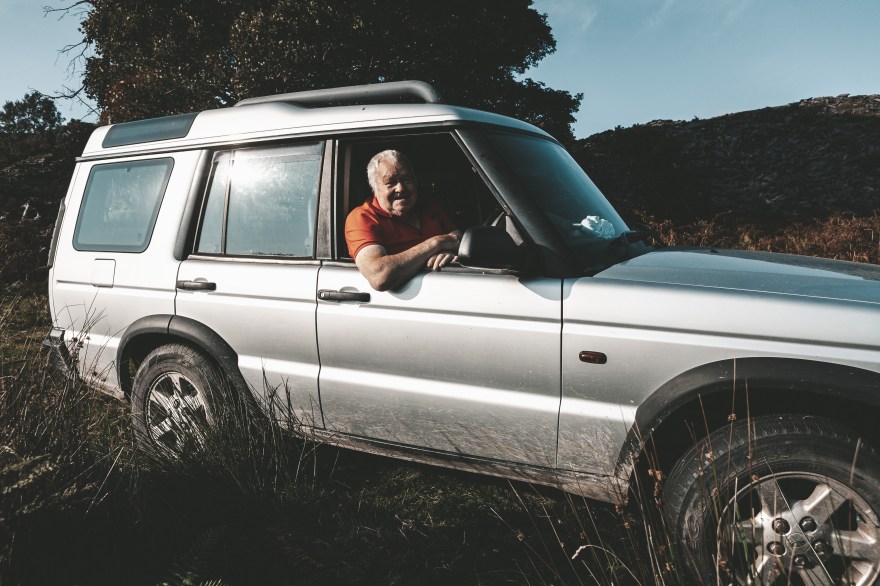
Nantlle Quarries 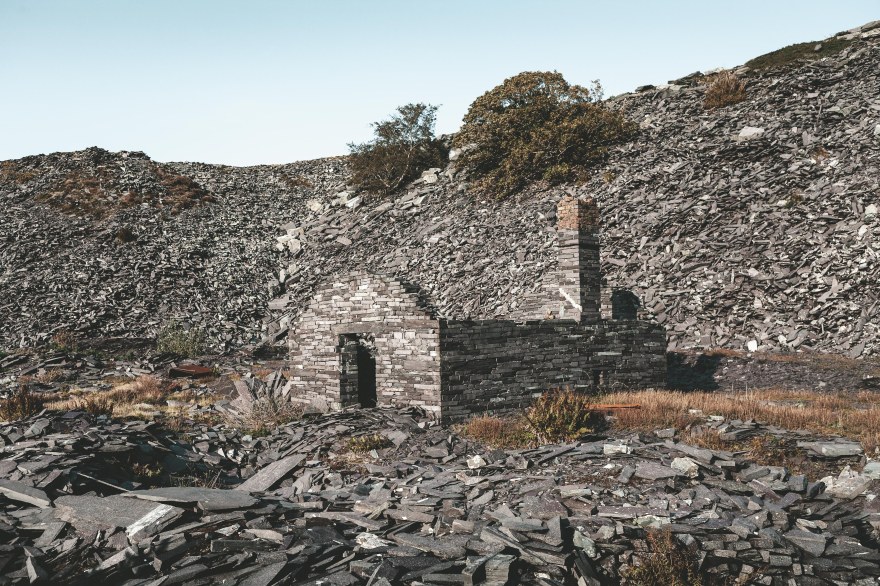
Nantlle Quarries 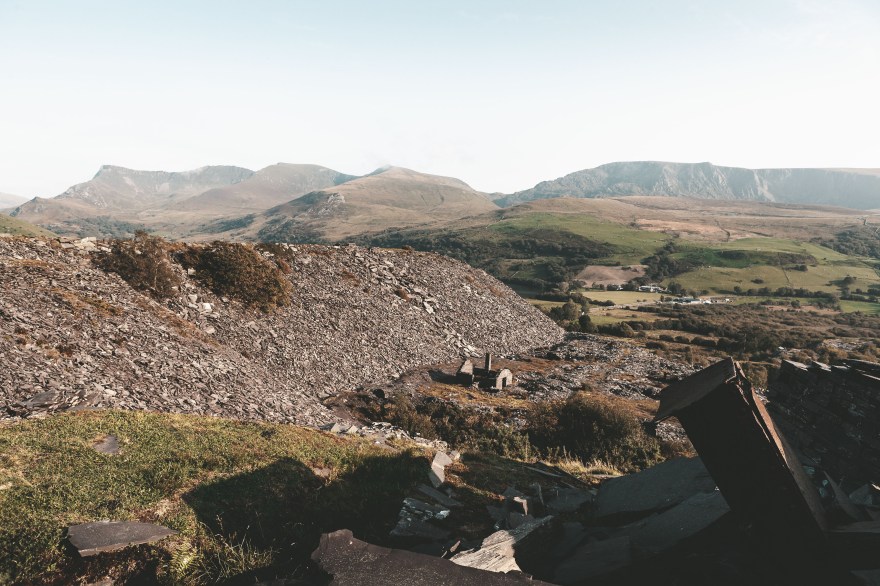
Nantlle Quarries 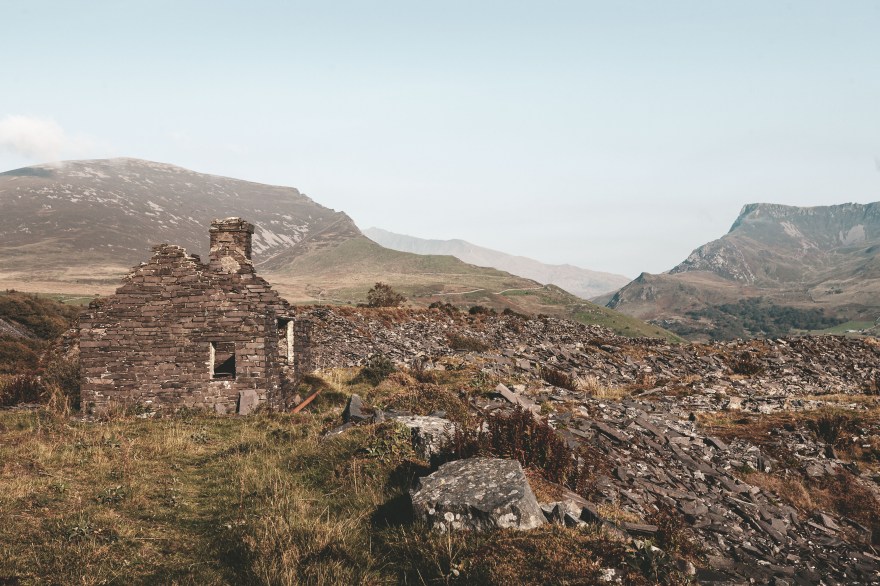
Nantlle Quarries 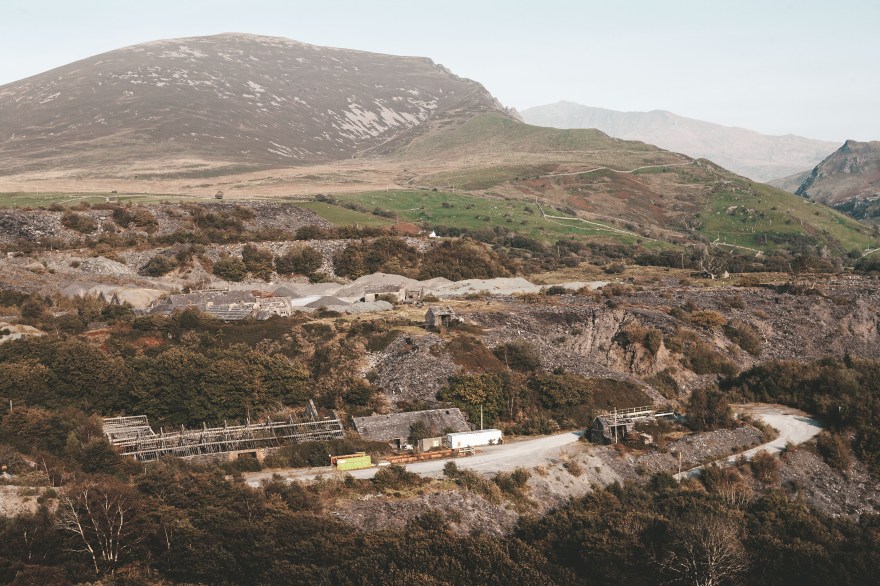
Nantlle Quarries 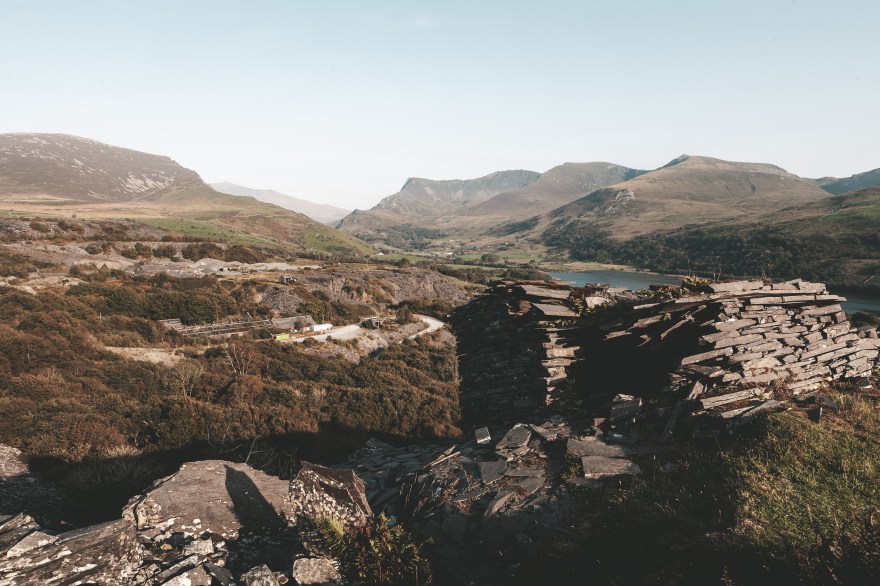
Nantlle Quarries 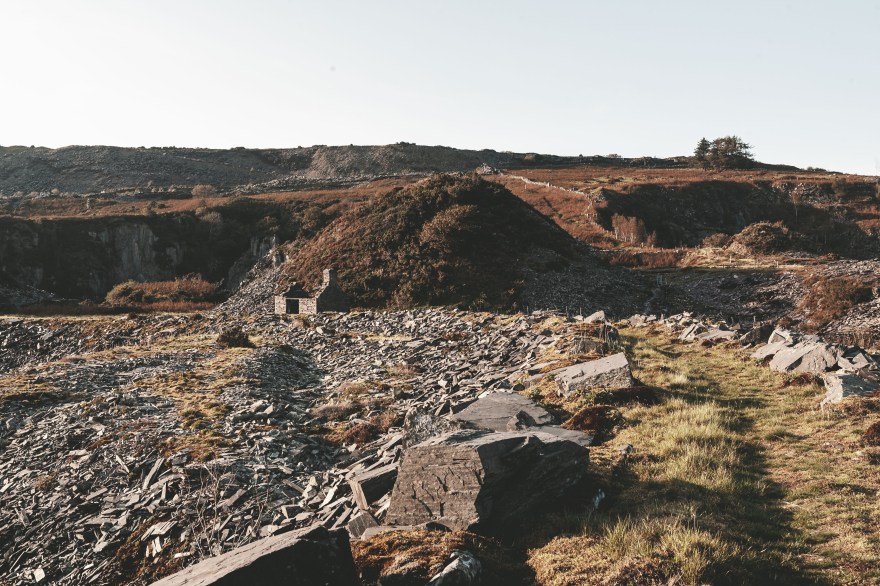
Nantlle Quarries 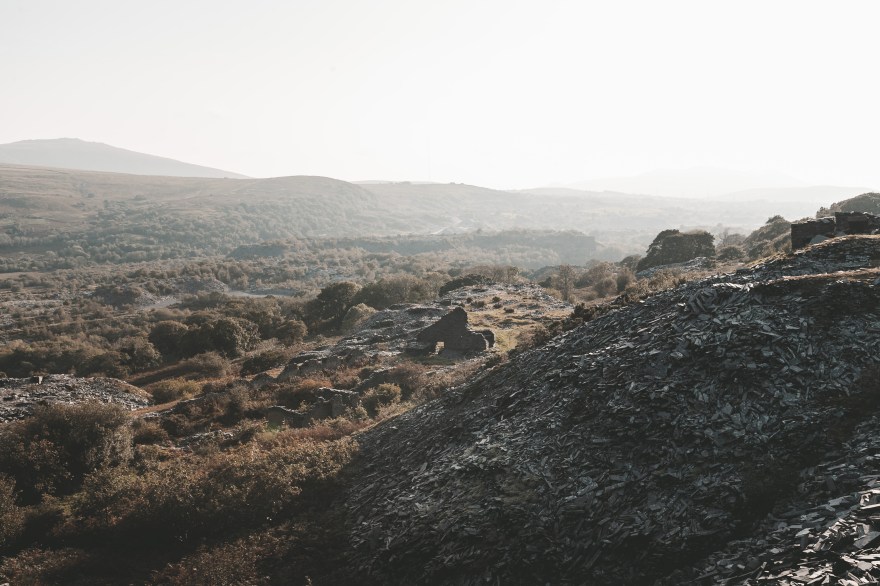
Nantlle Quarries 
262. Moel y Ci 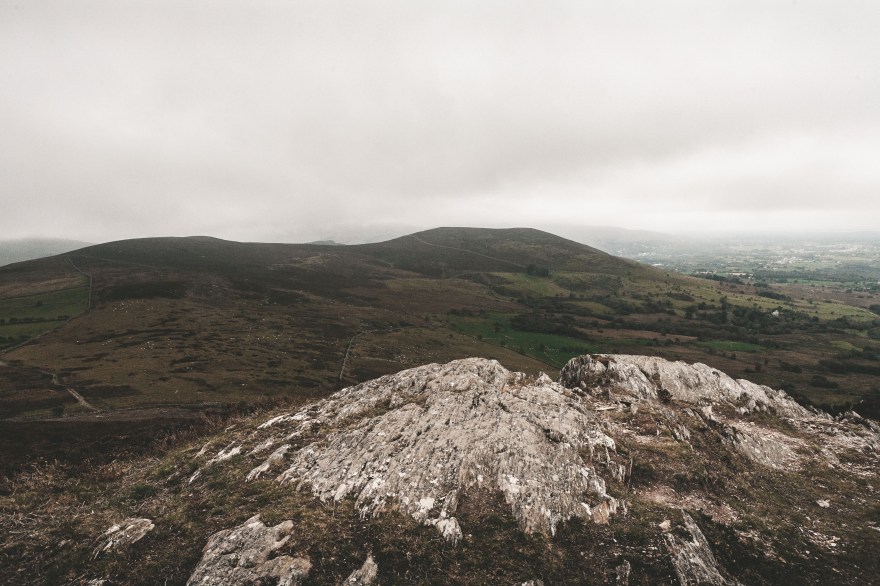
Moel y Ci 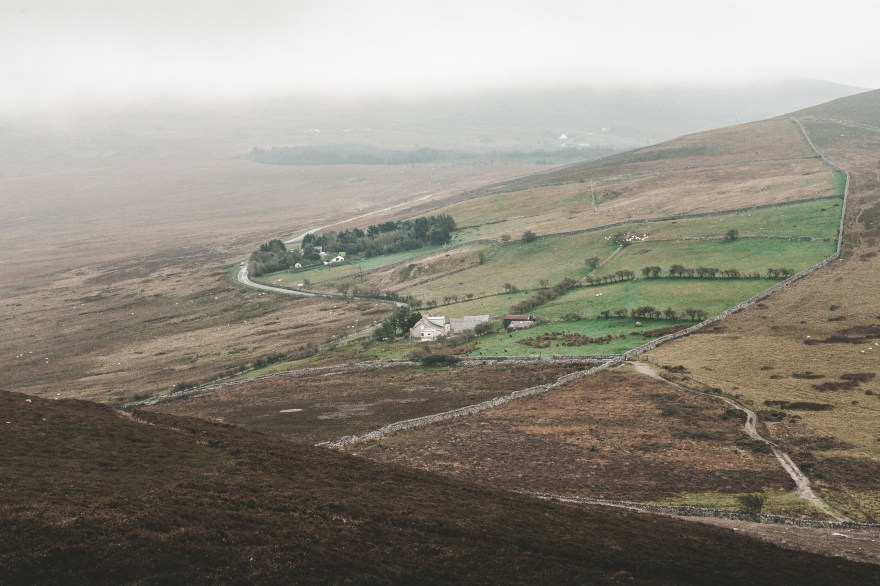
Moel y Ci 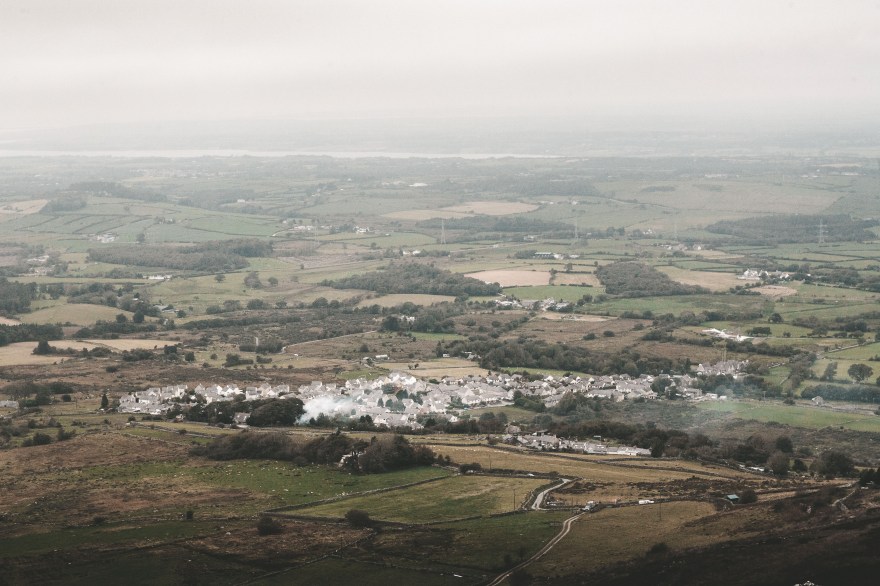
Moel y Ci 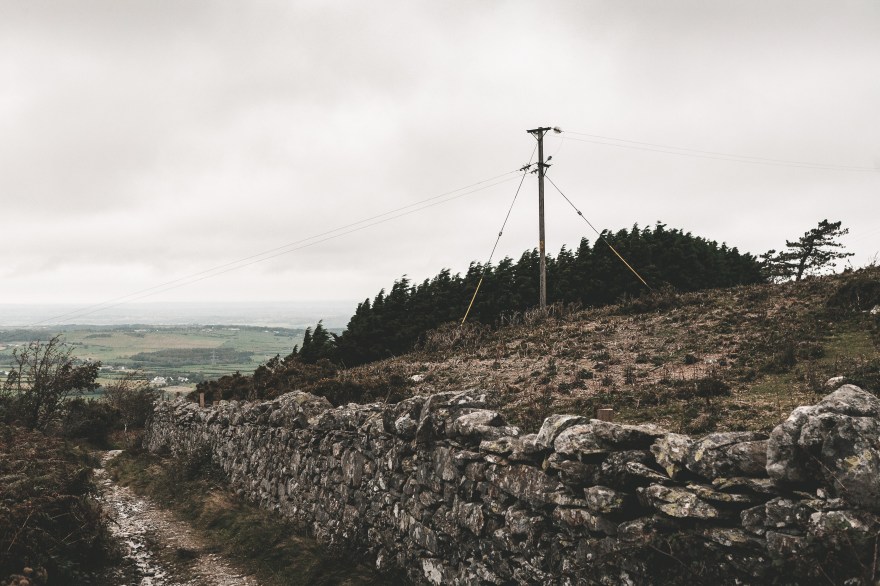
Moel y Ci 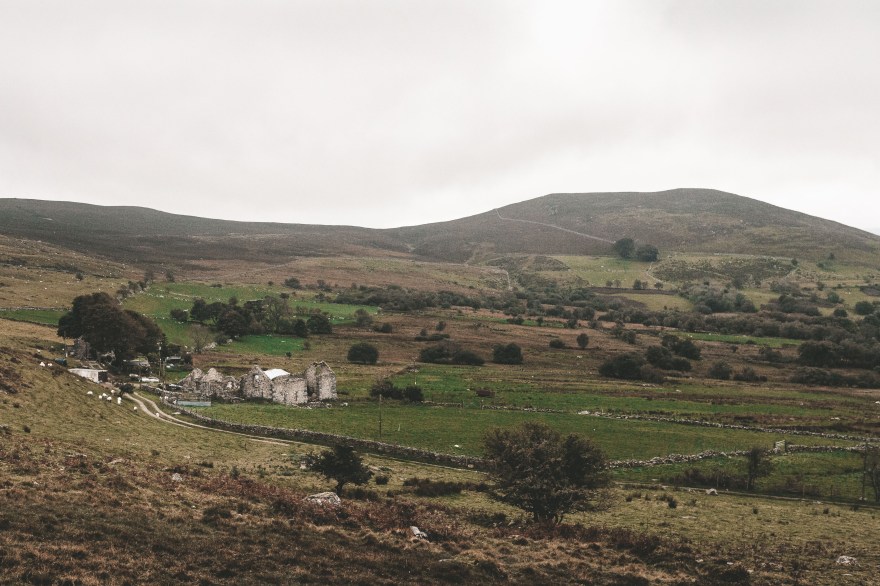
Moel y Ci 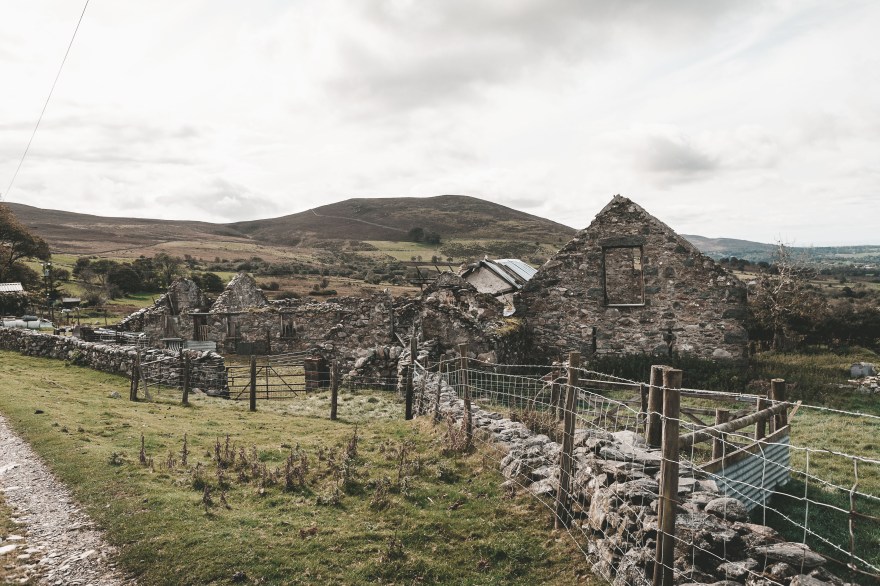
263. Moel y Ci 
Moel y Ci 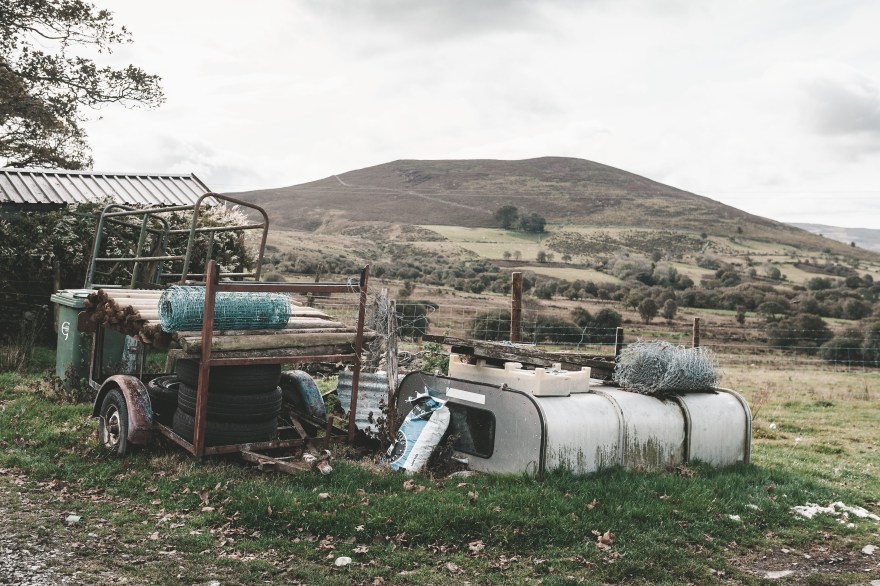
Moel y Ci 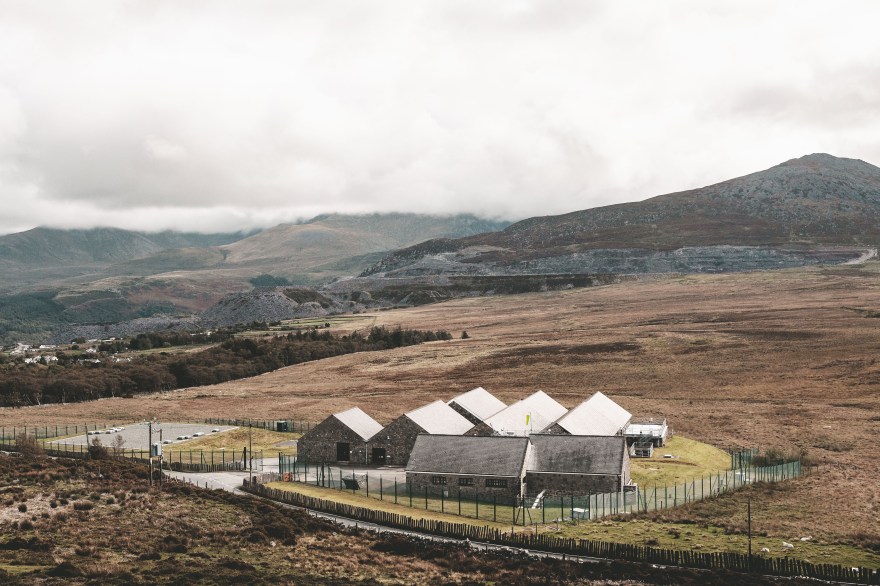
Moel y Ci 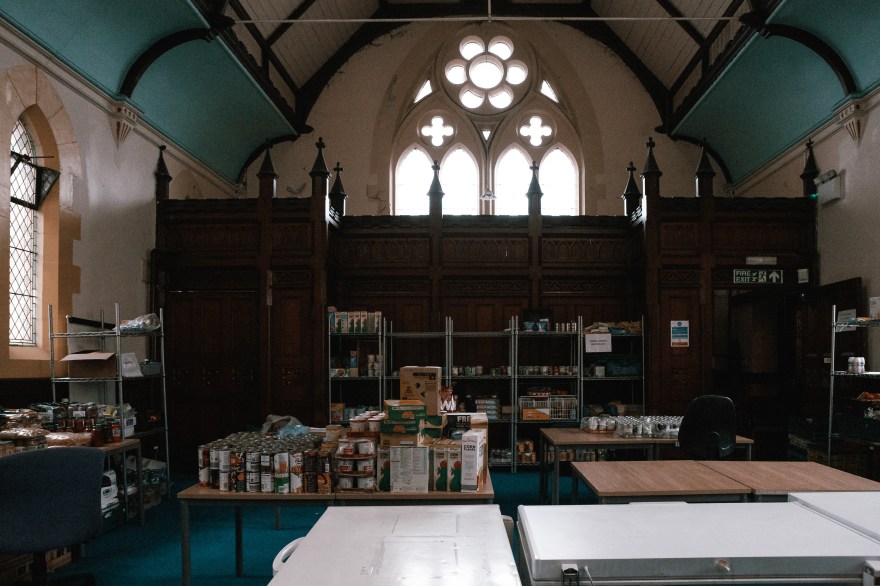
264. Rhyl 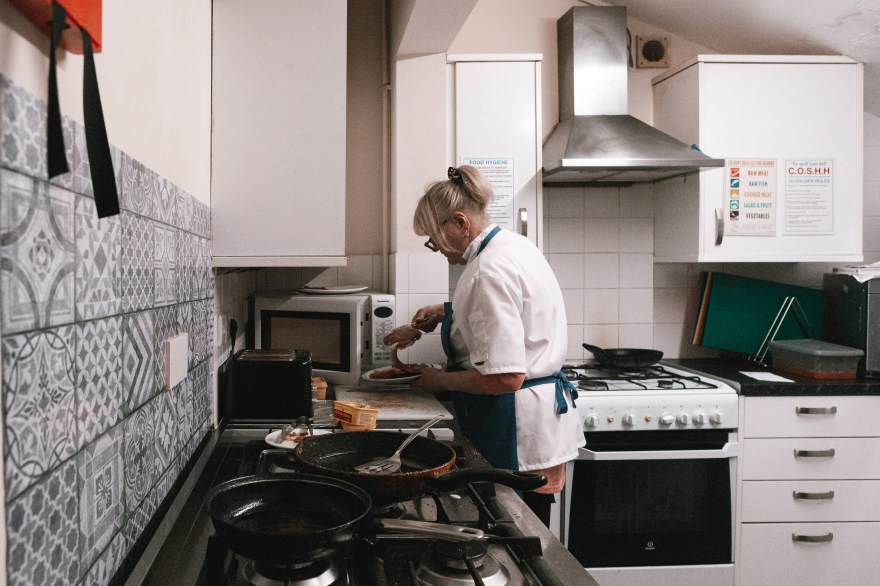
Rhyl 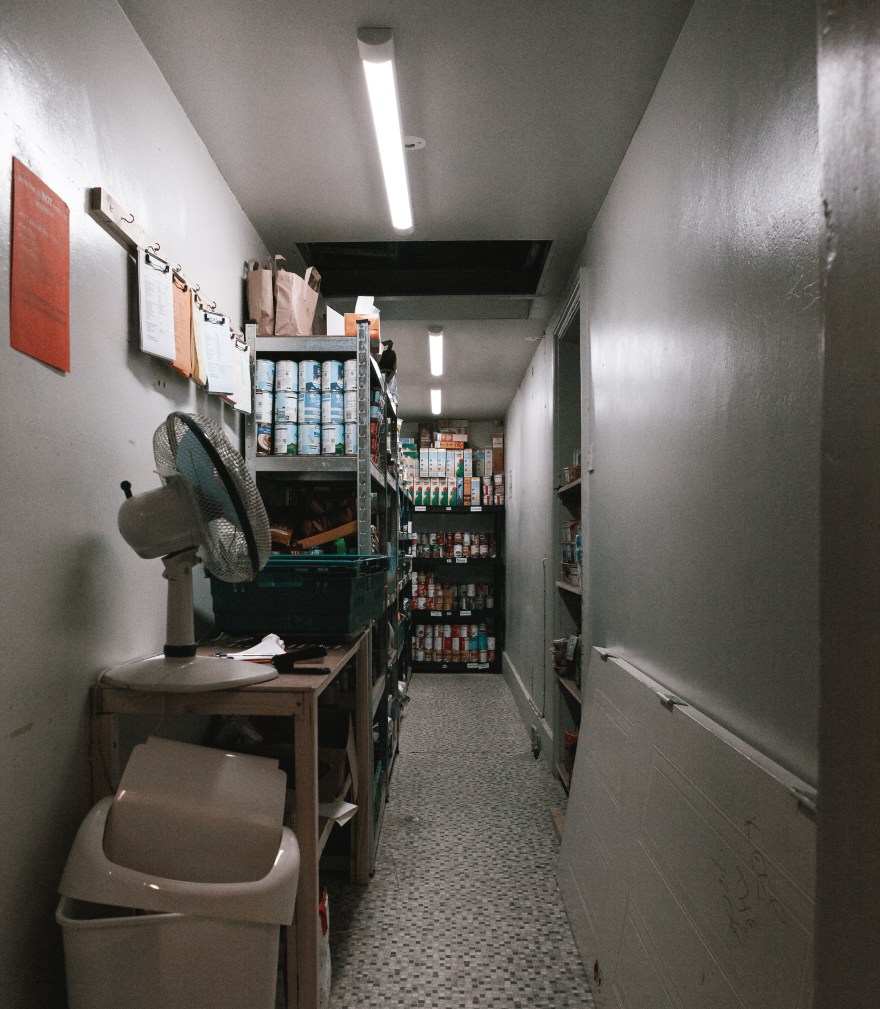
Rhyl 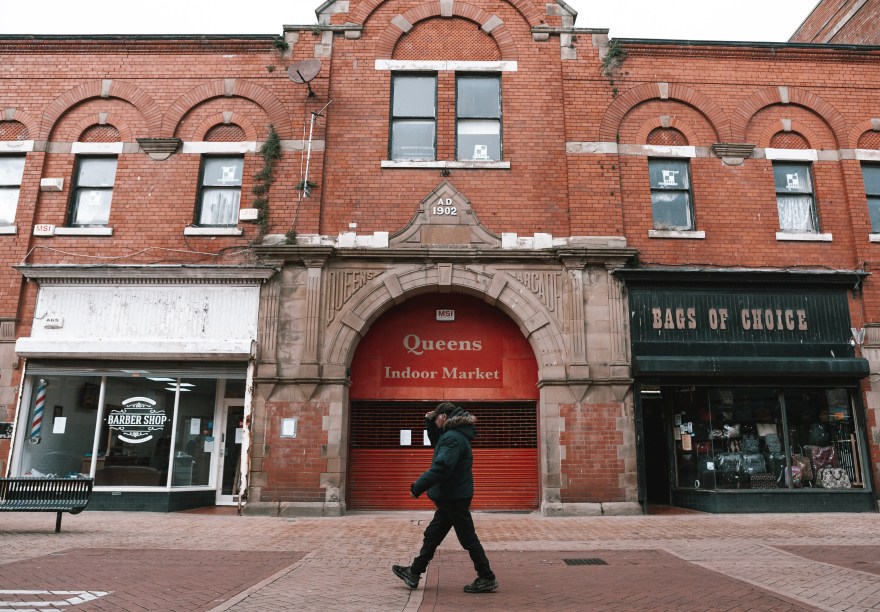
Rhyl 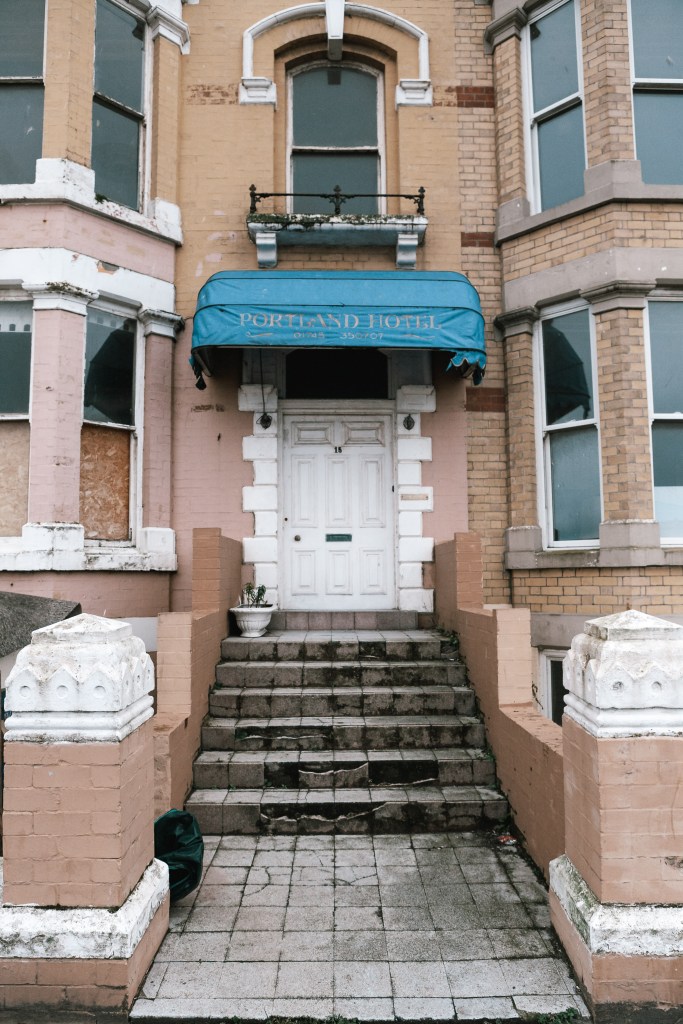
Rhyl 
Rhyl 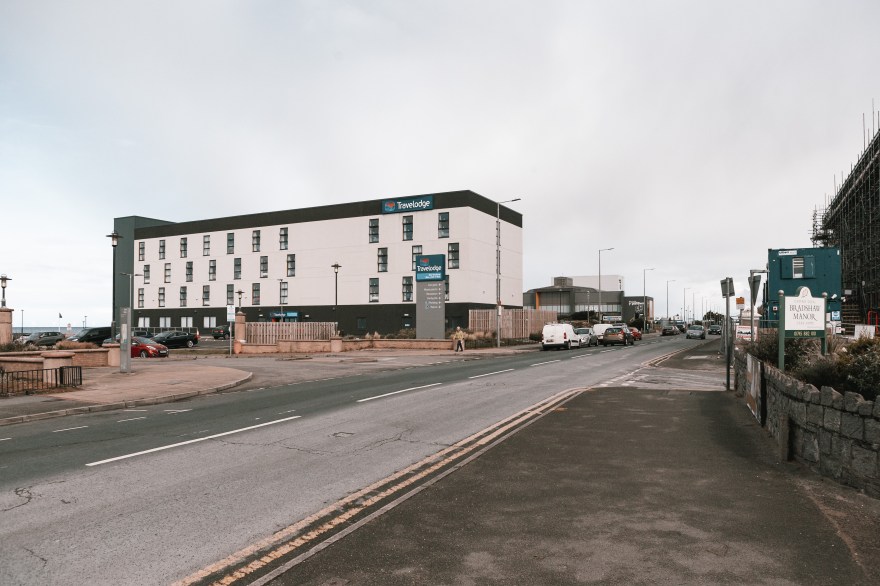
Rhyl 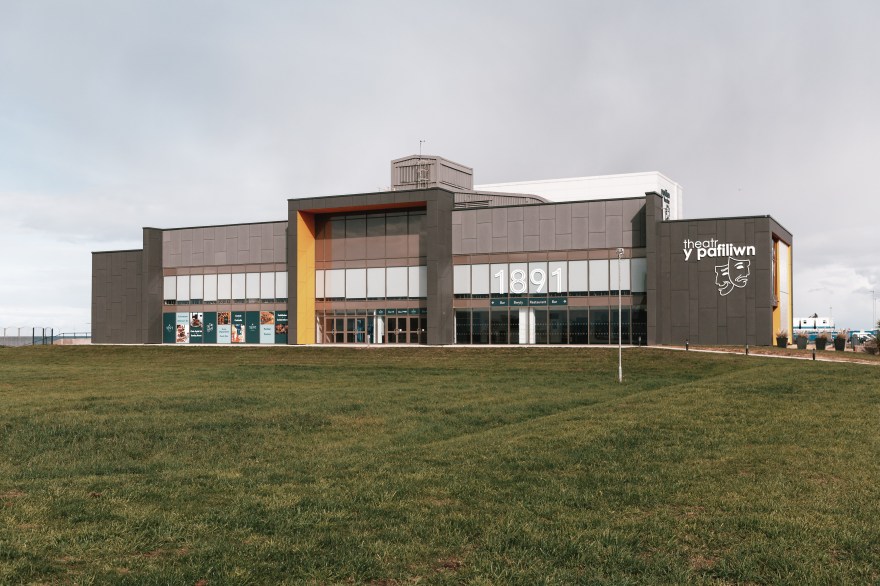
Rhyl
One Billion Miles, Cheap Valium and Even Cheaper Cigarettes: India Photoblog
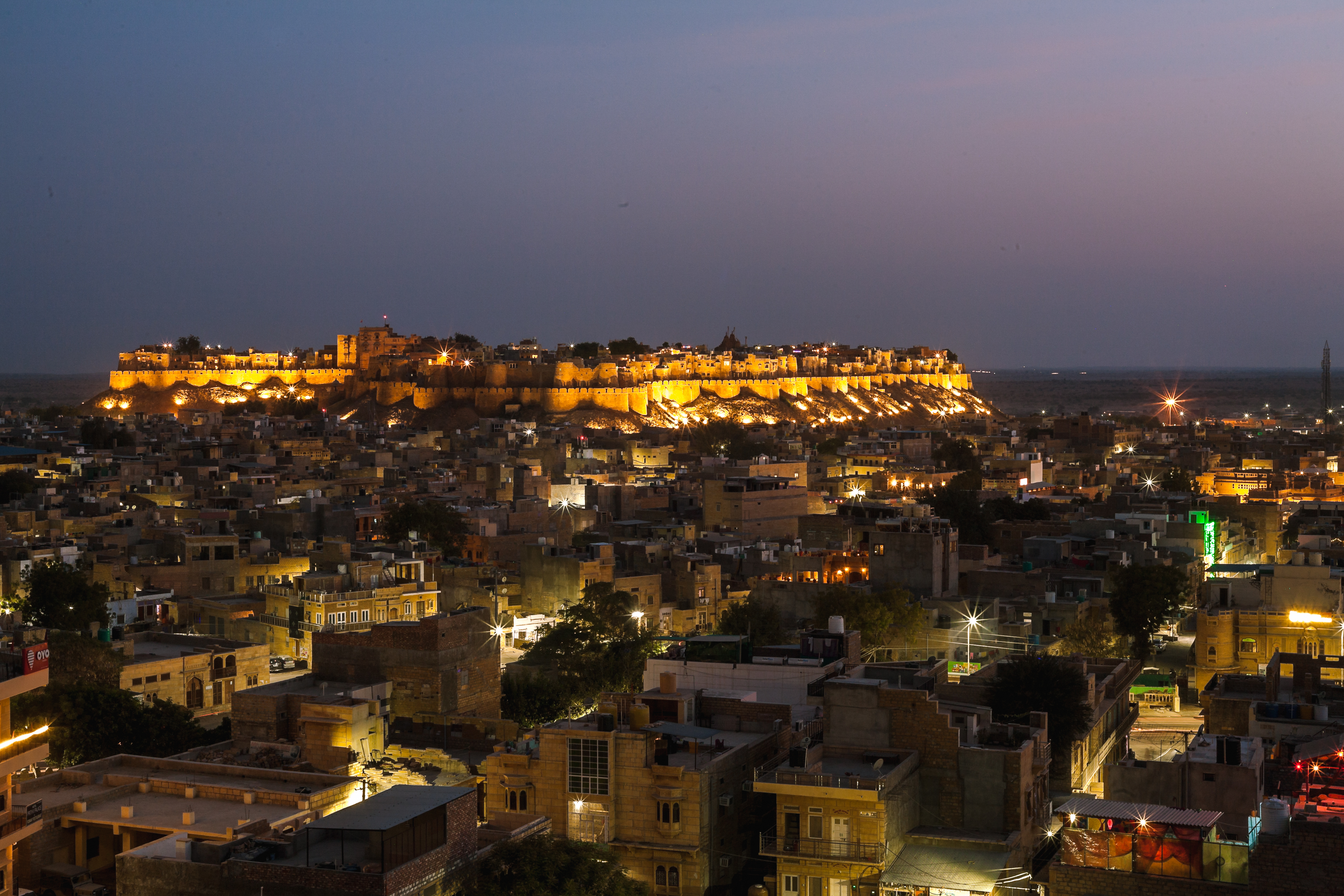
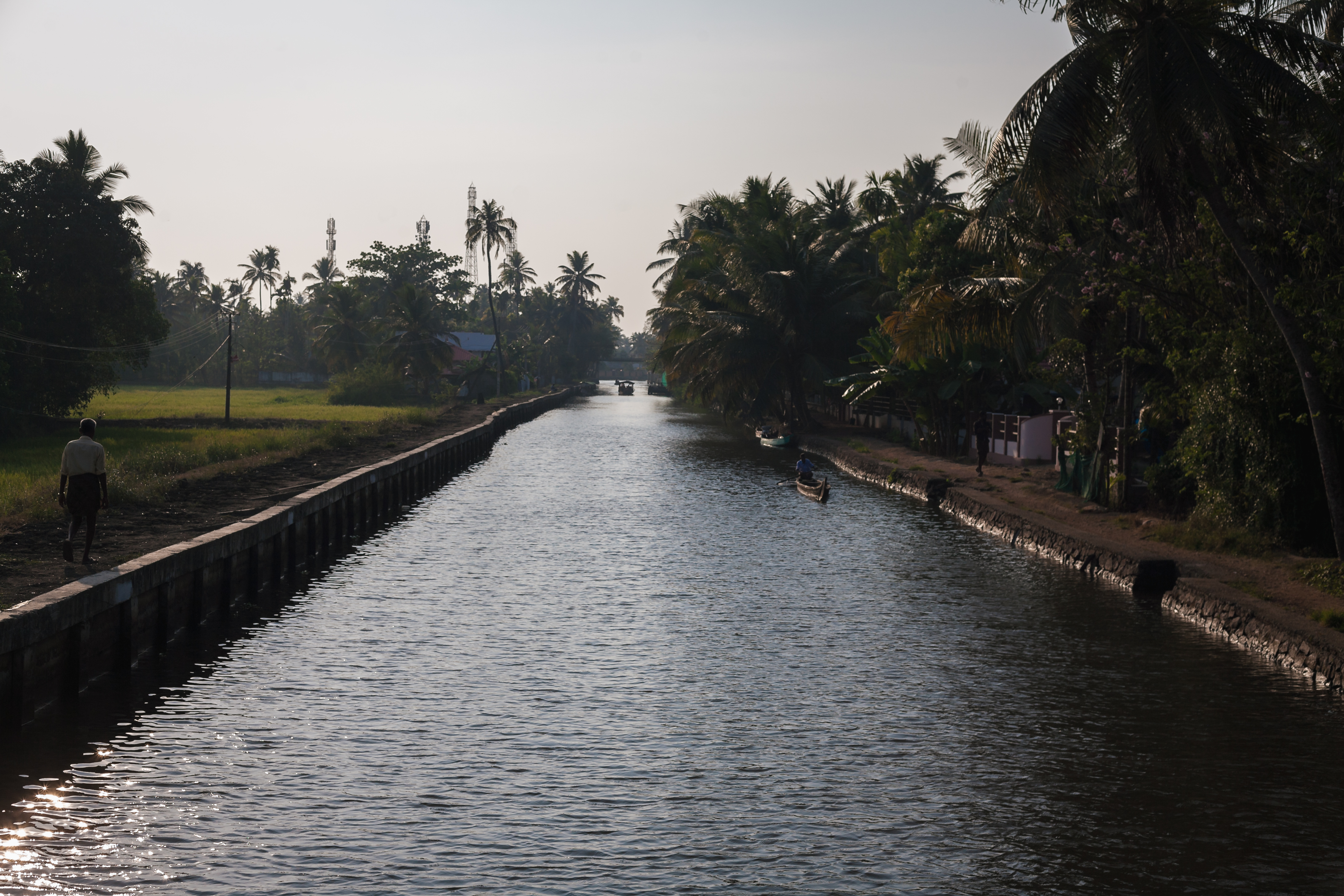
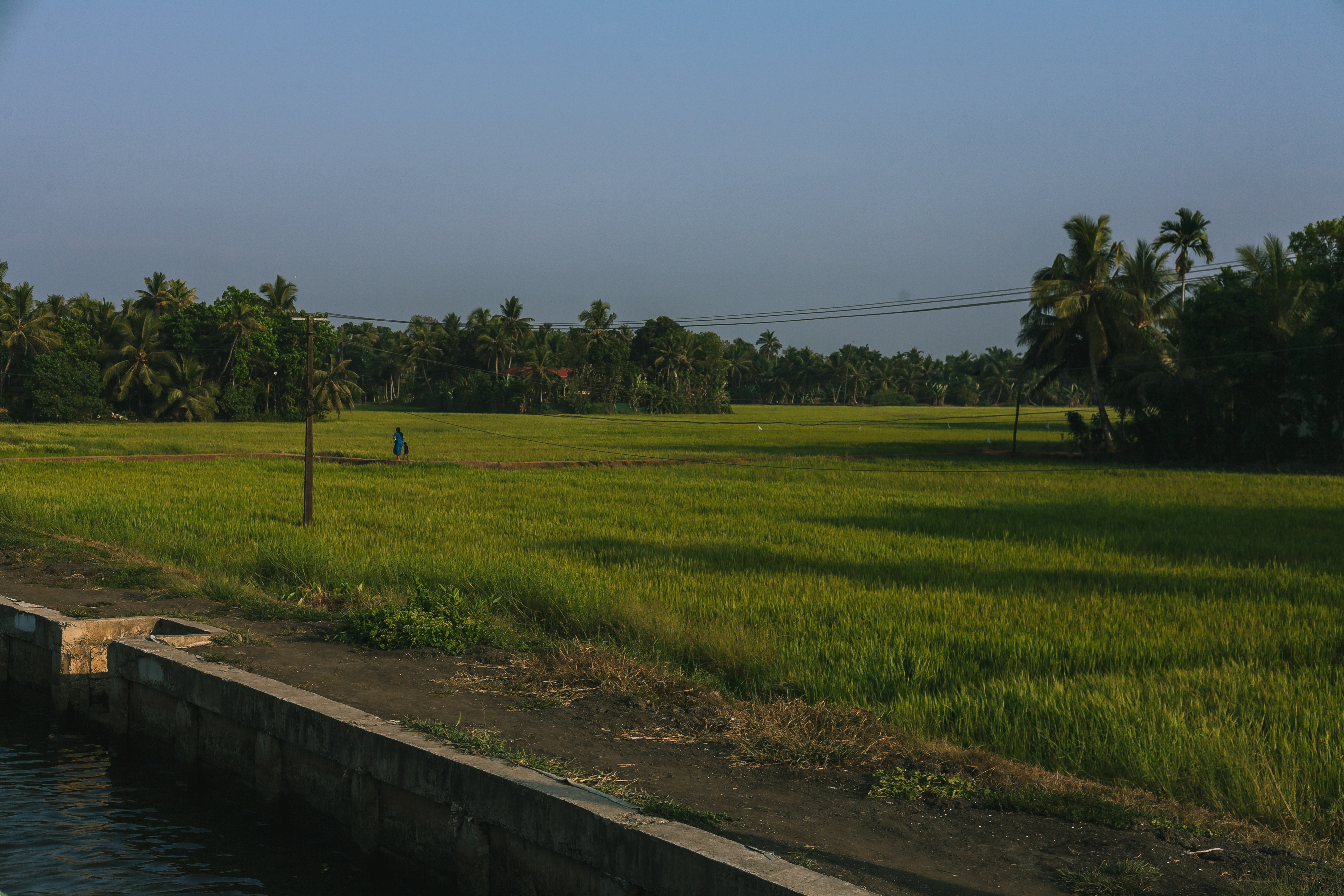
These are a selection of images documenting my travels across India. From the Himalayan foothills of the north-west state of Uttarakhand to the Goan beaches on the Arabian ocean – spanning mountain, desert, waterways, jungle and city.
Between shooting the shit with the most immediately located chaiwala, smoking 10p cigarettes, hunting down decent chess players and contemplating radical politics, this is what I saw.
“Very hot today, sir…”
“Yes – very hot. Good chai today, thank you.”
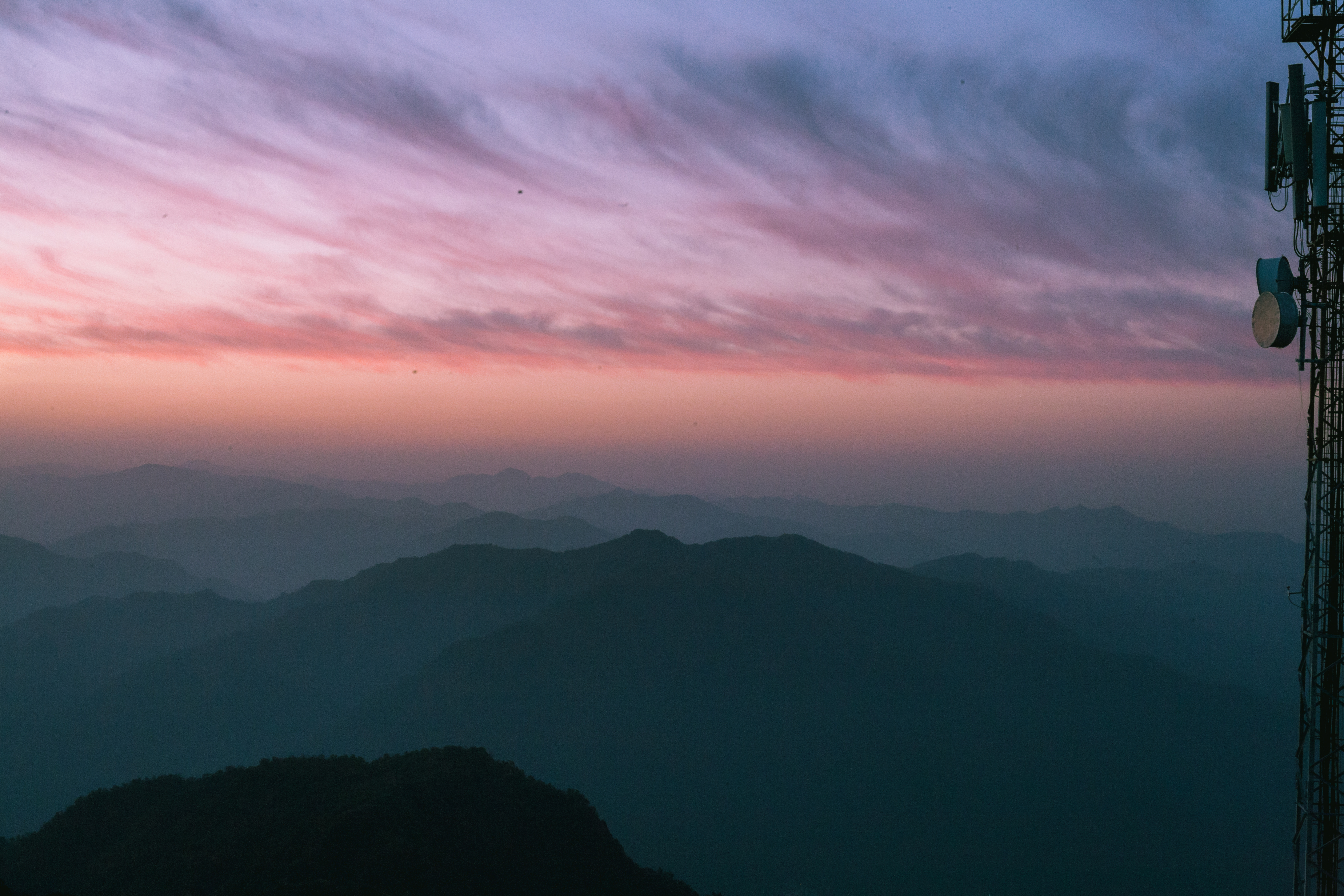
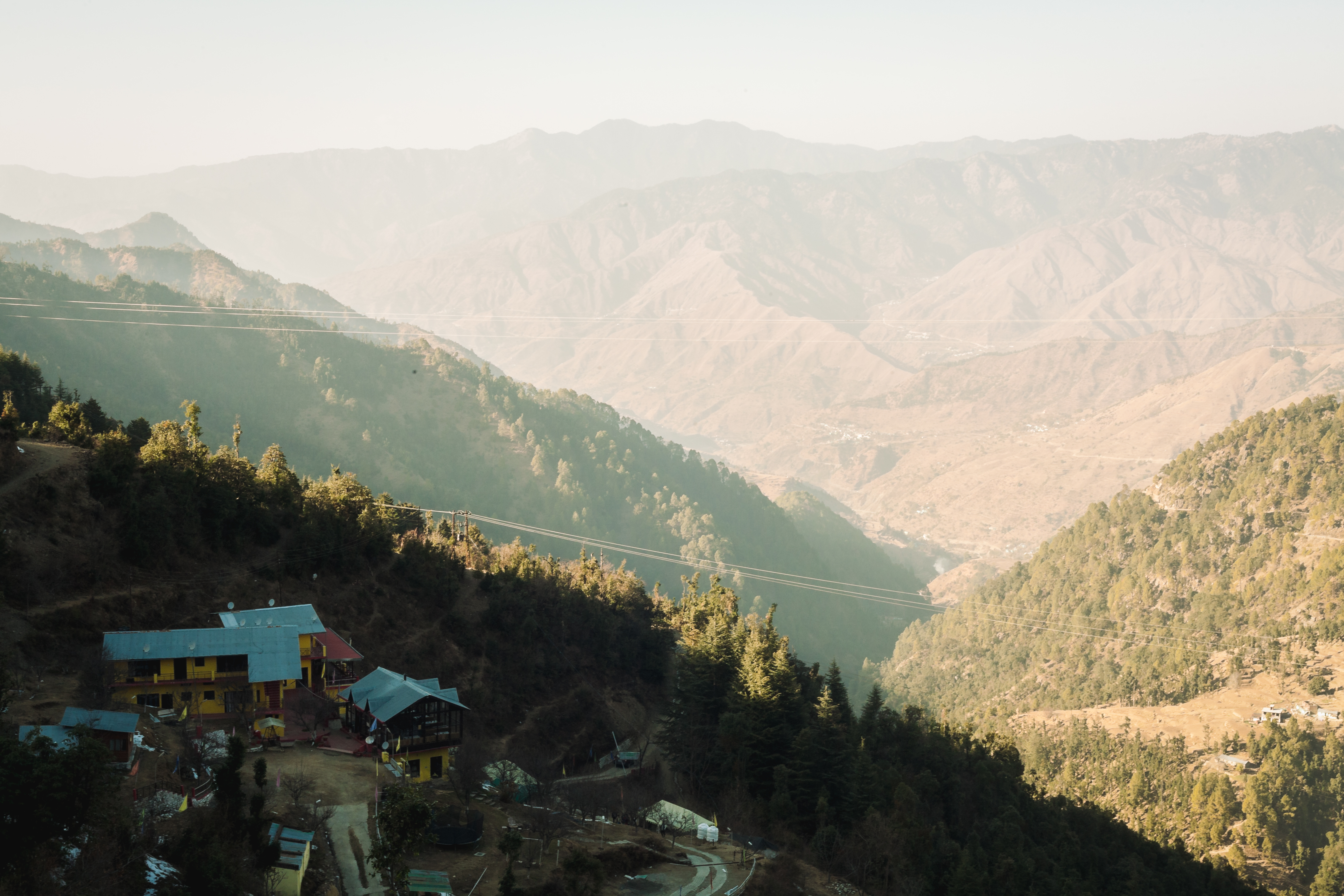
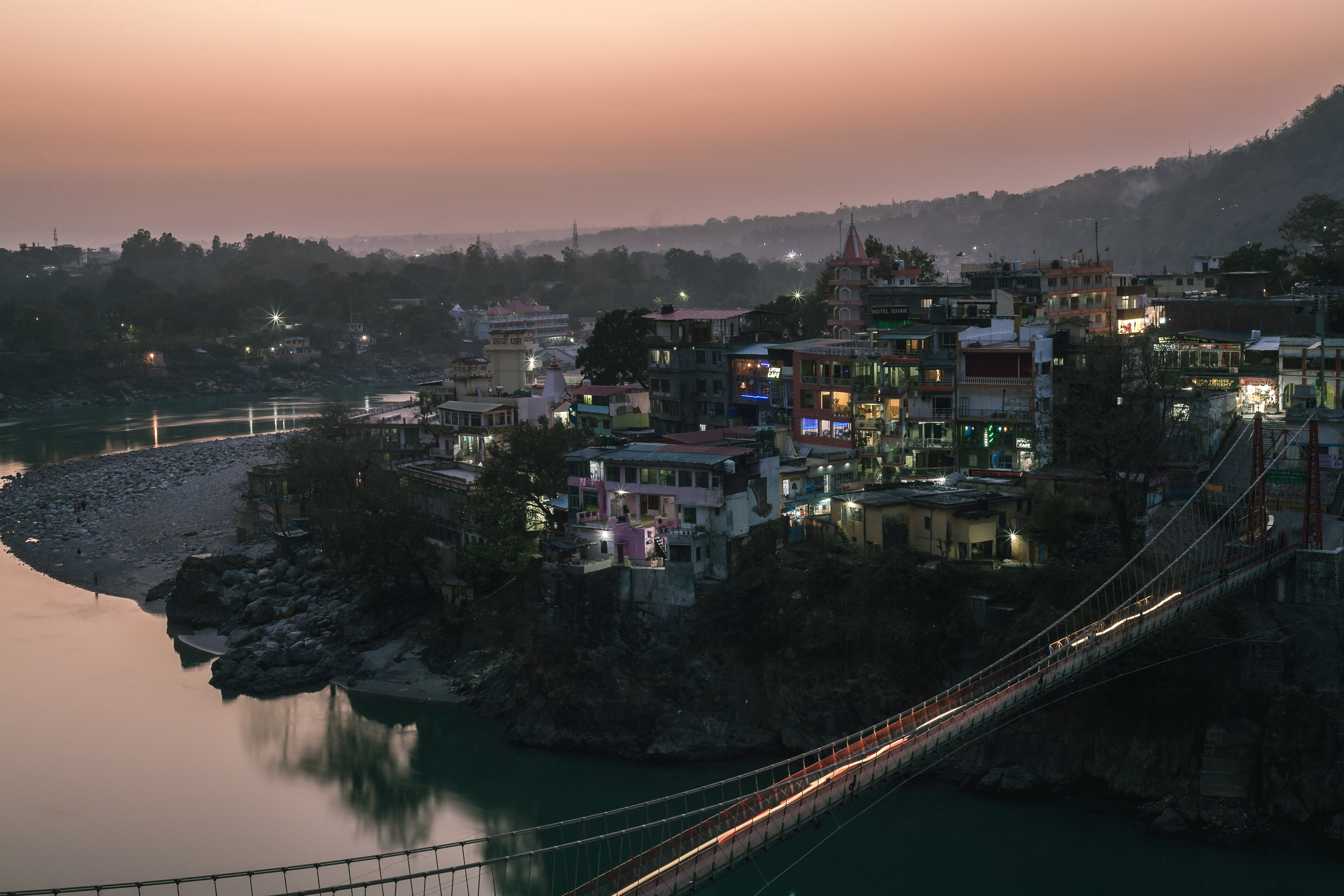
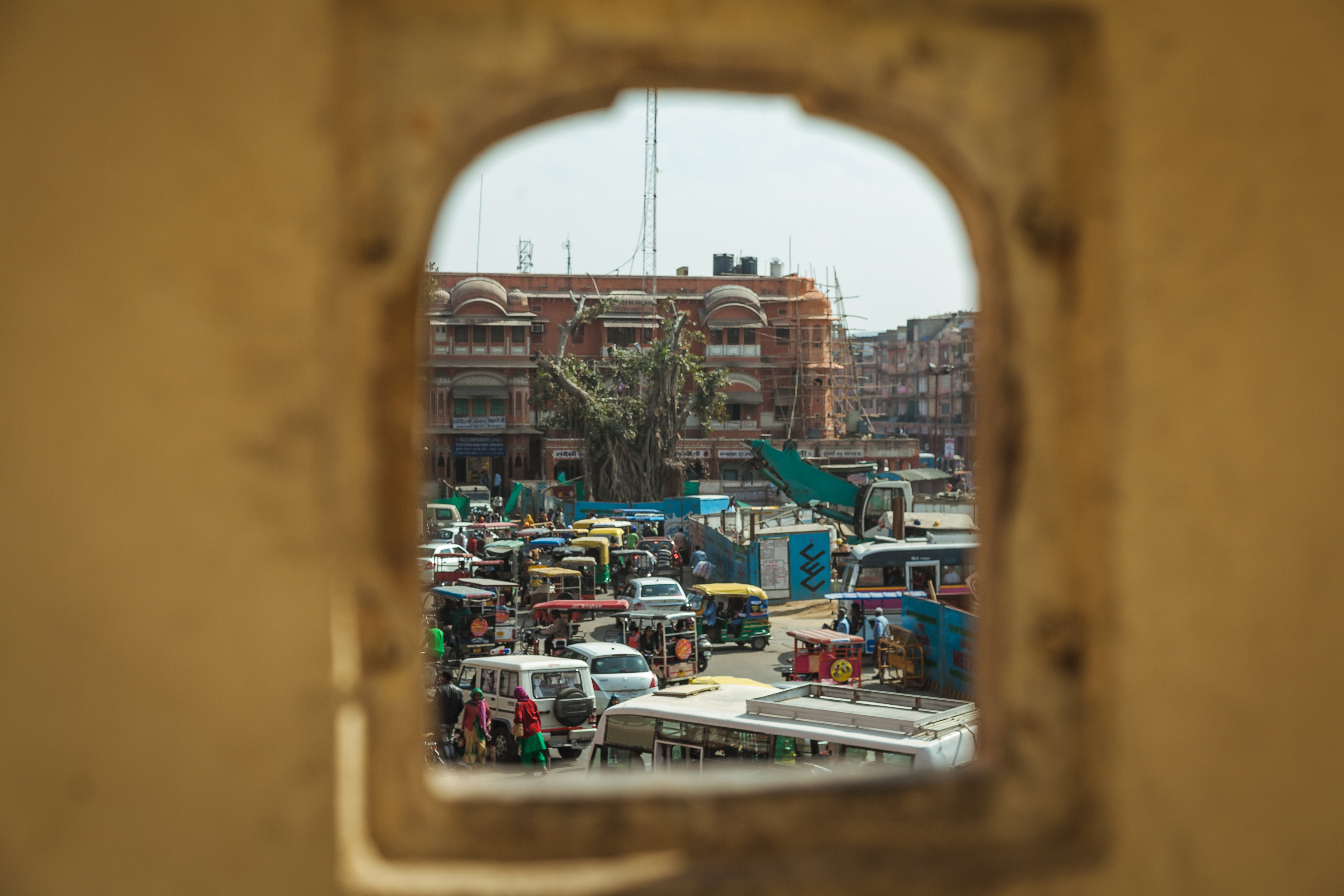
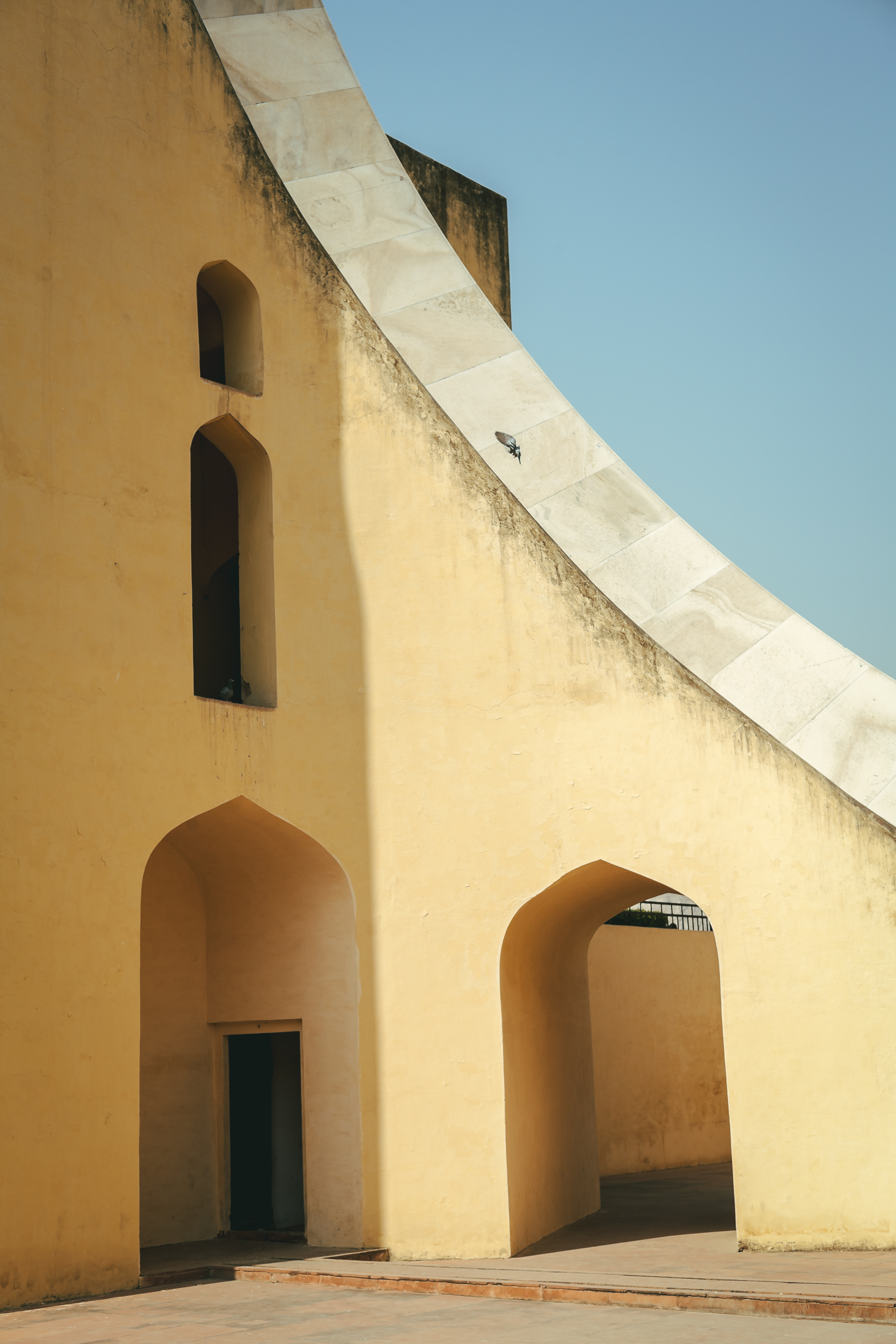
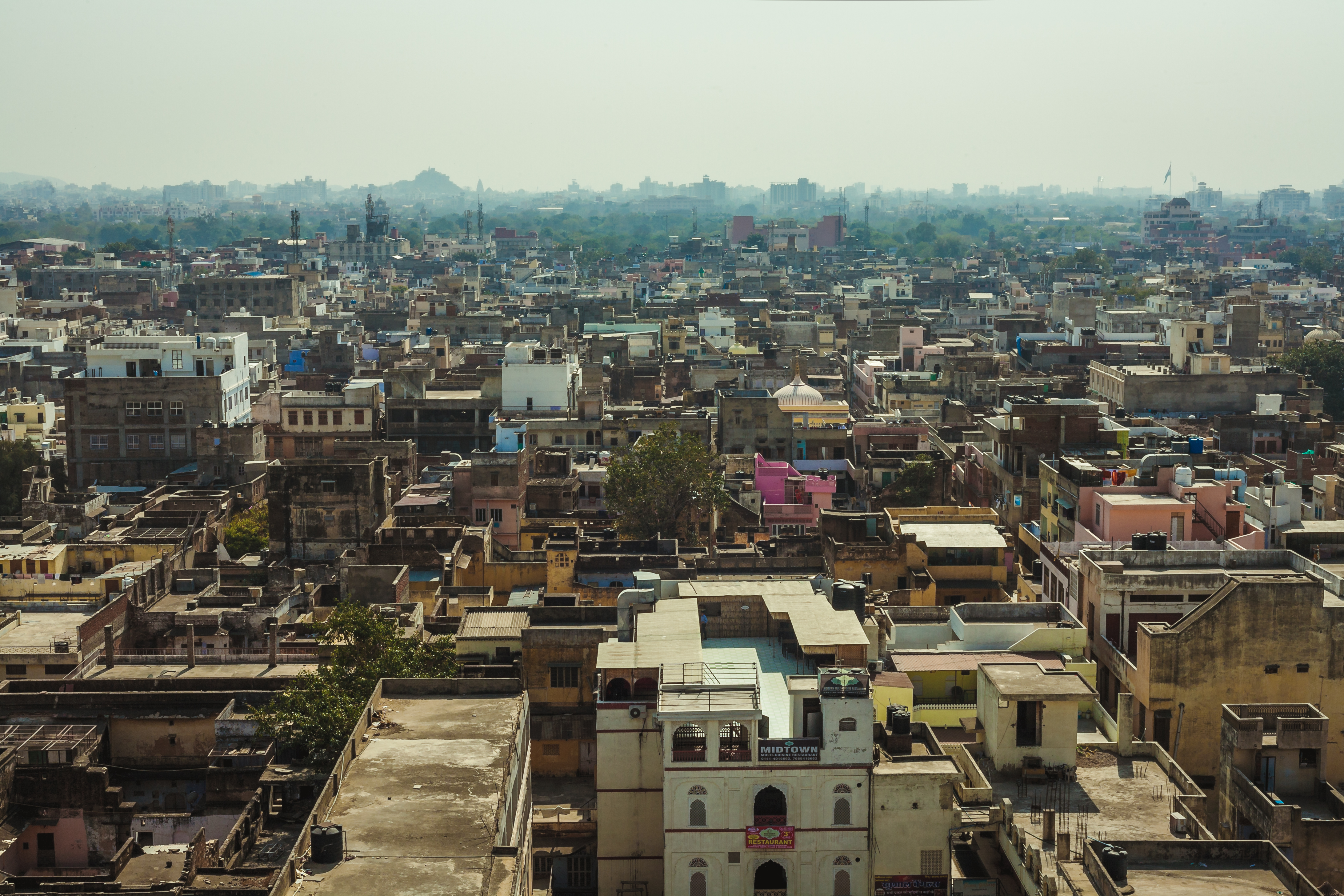
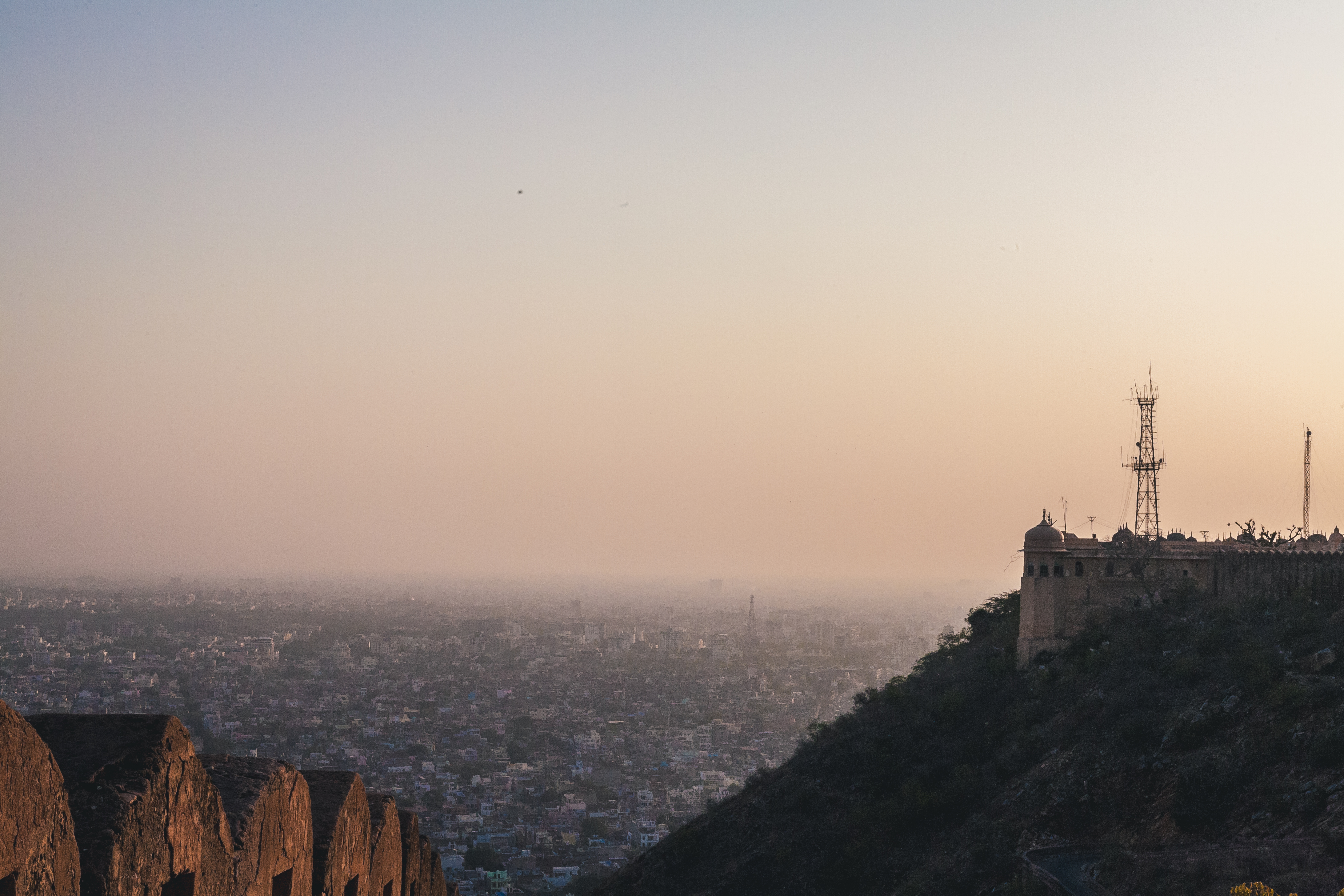
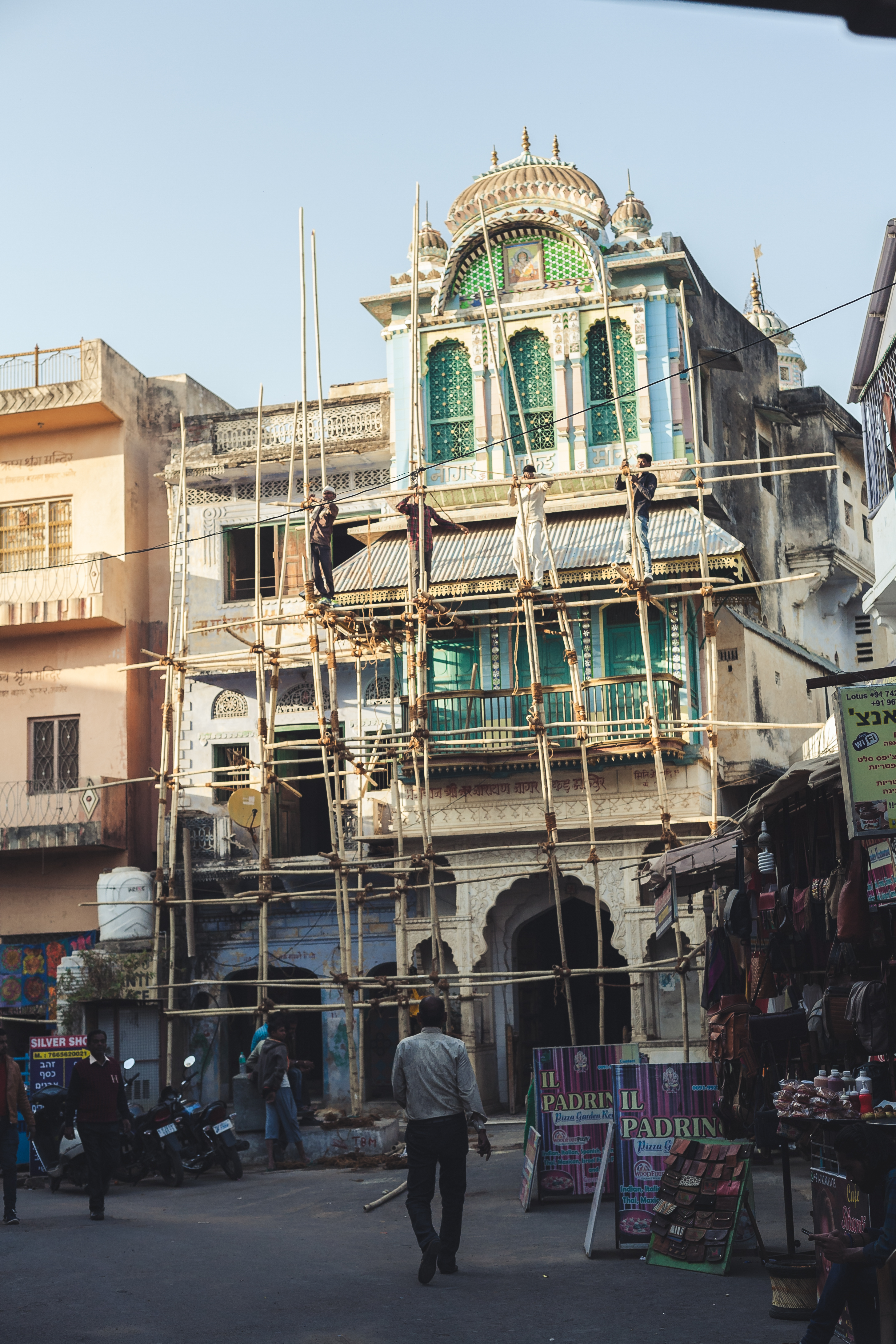
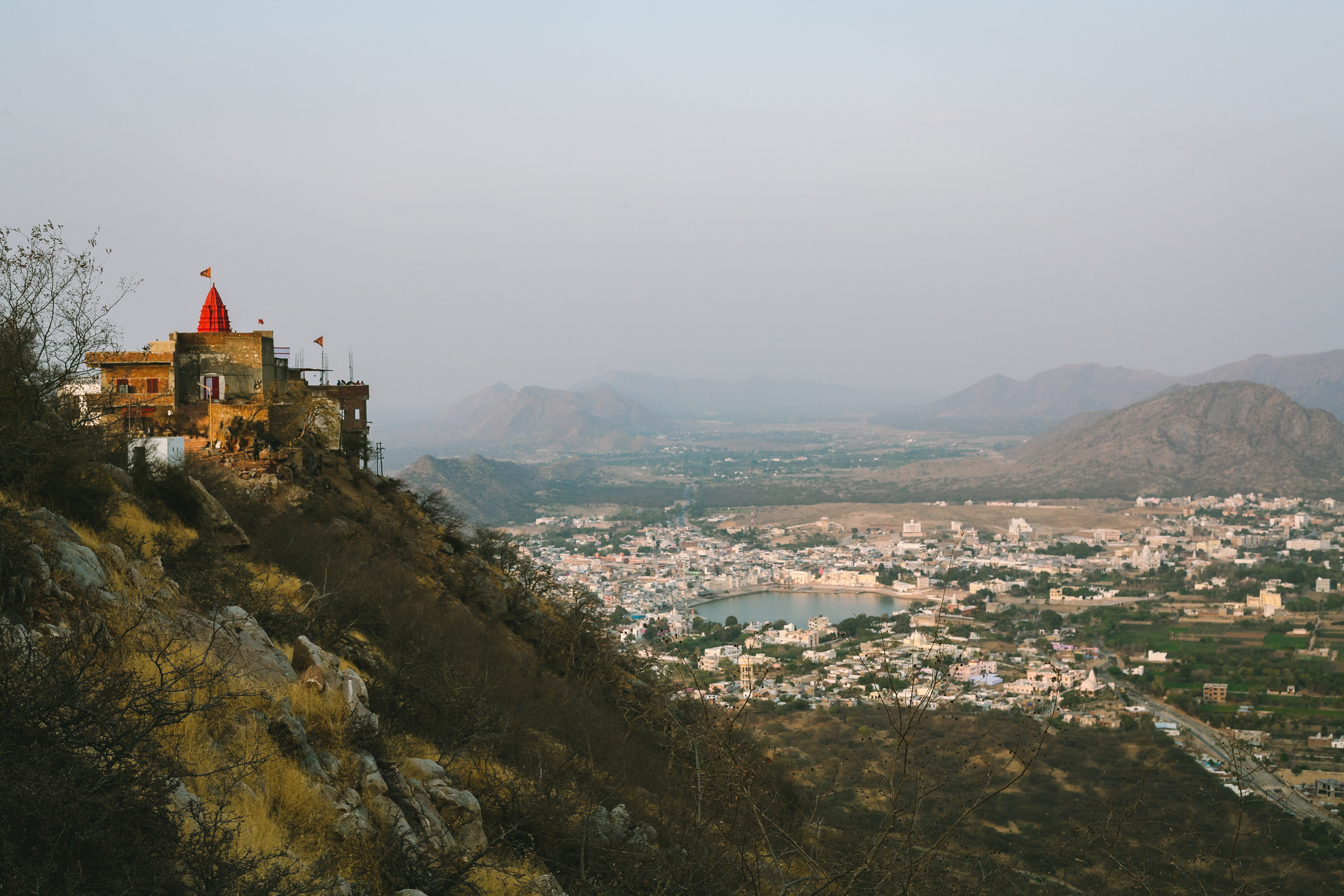
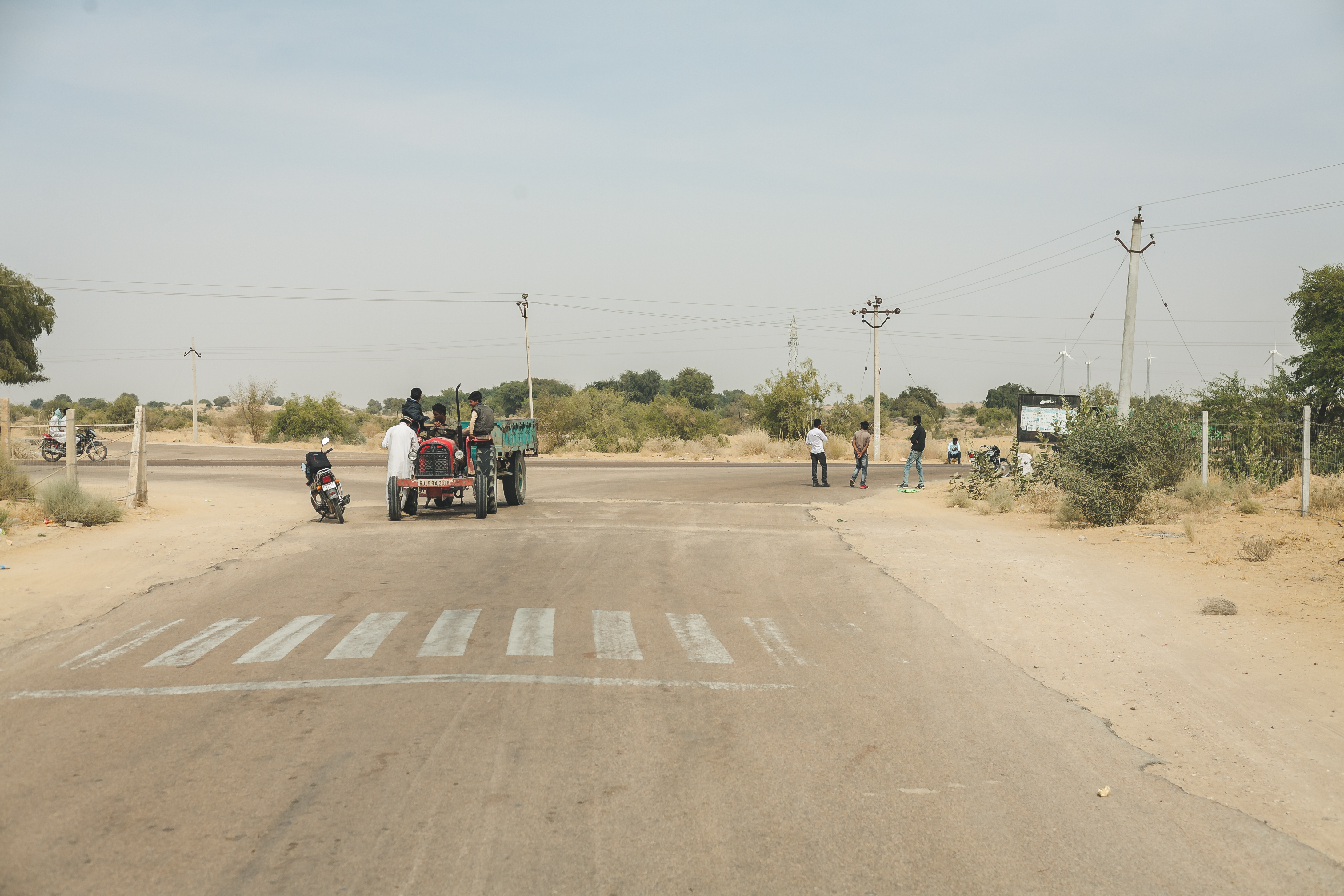
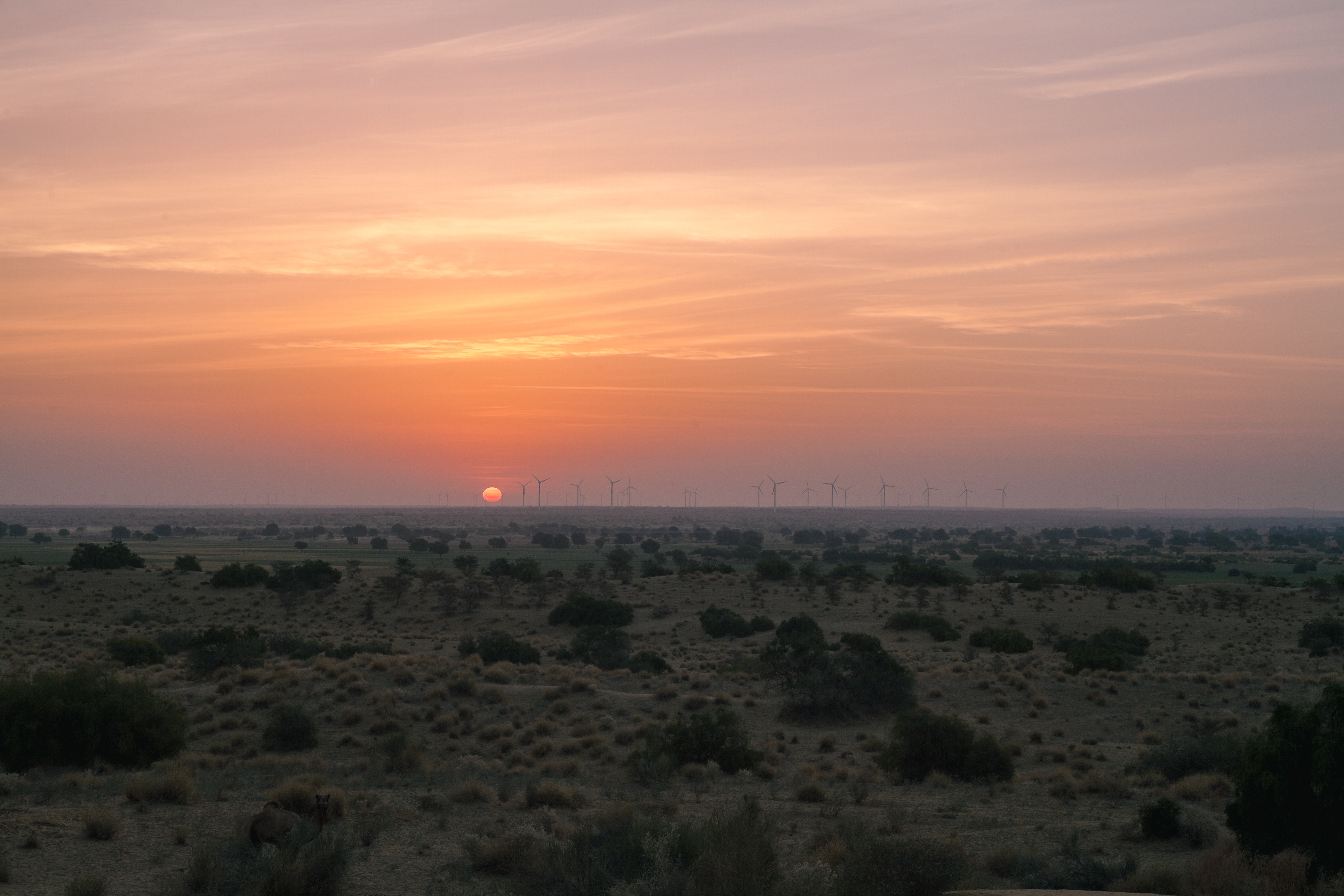
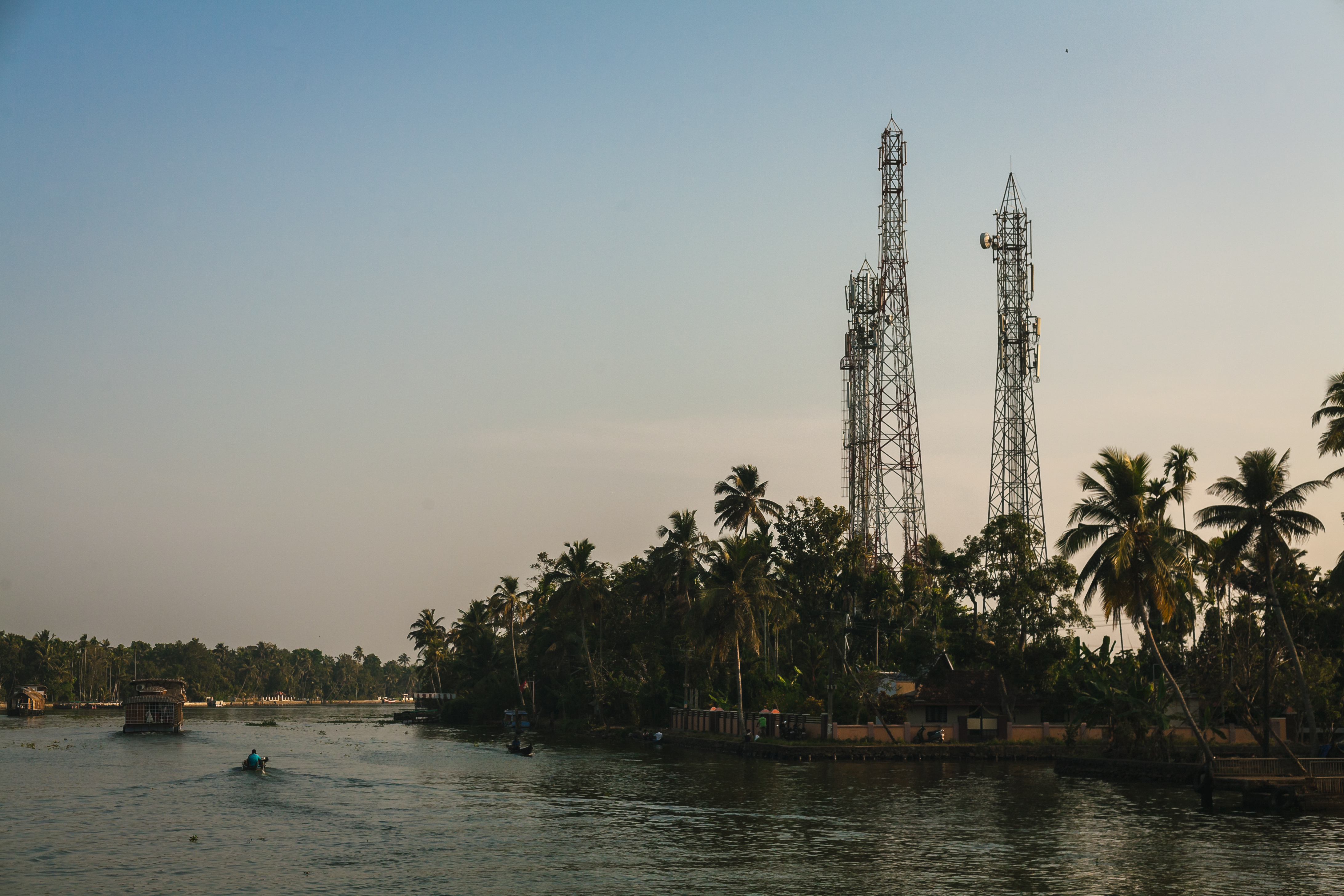

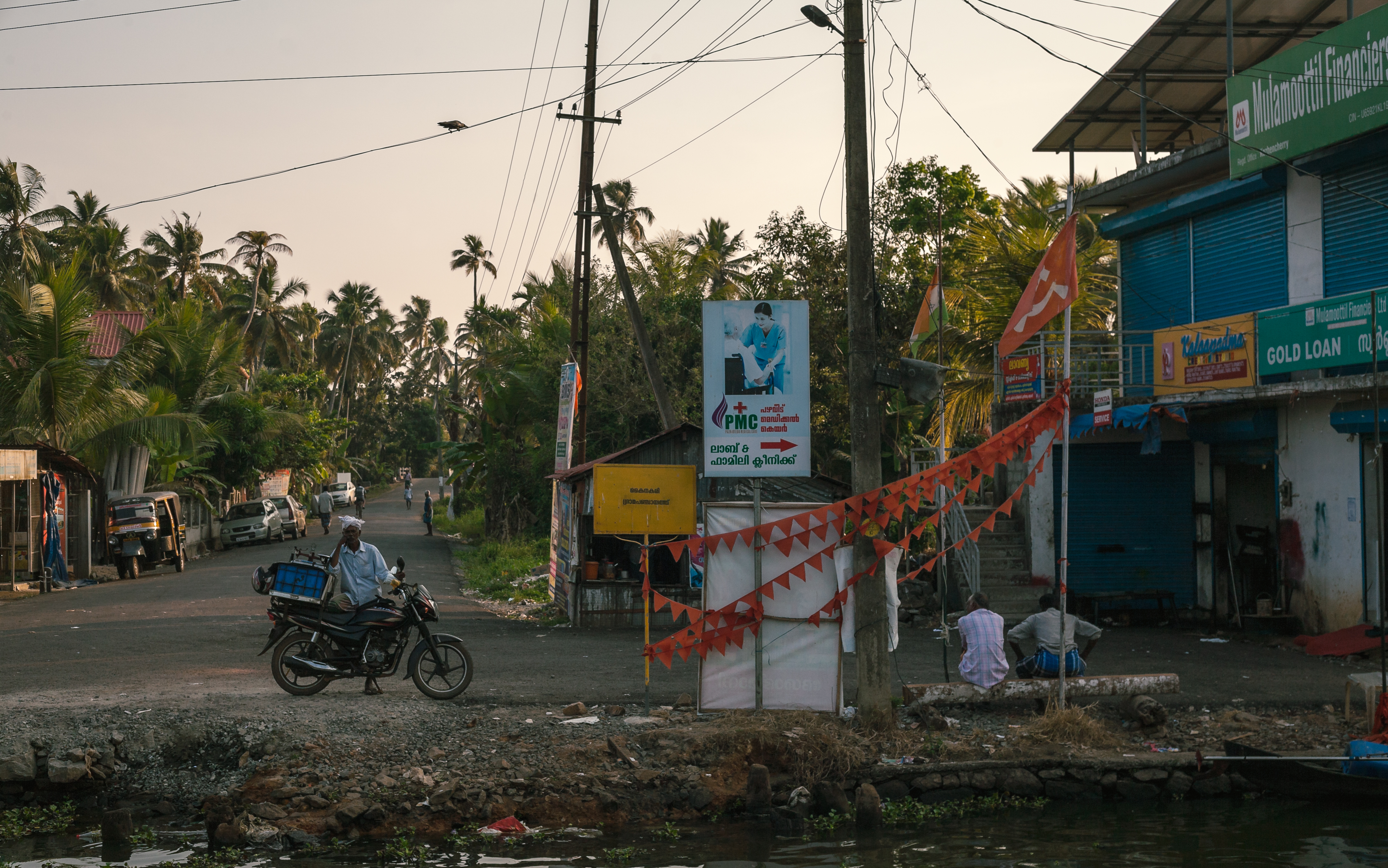
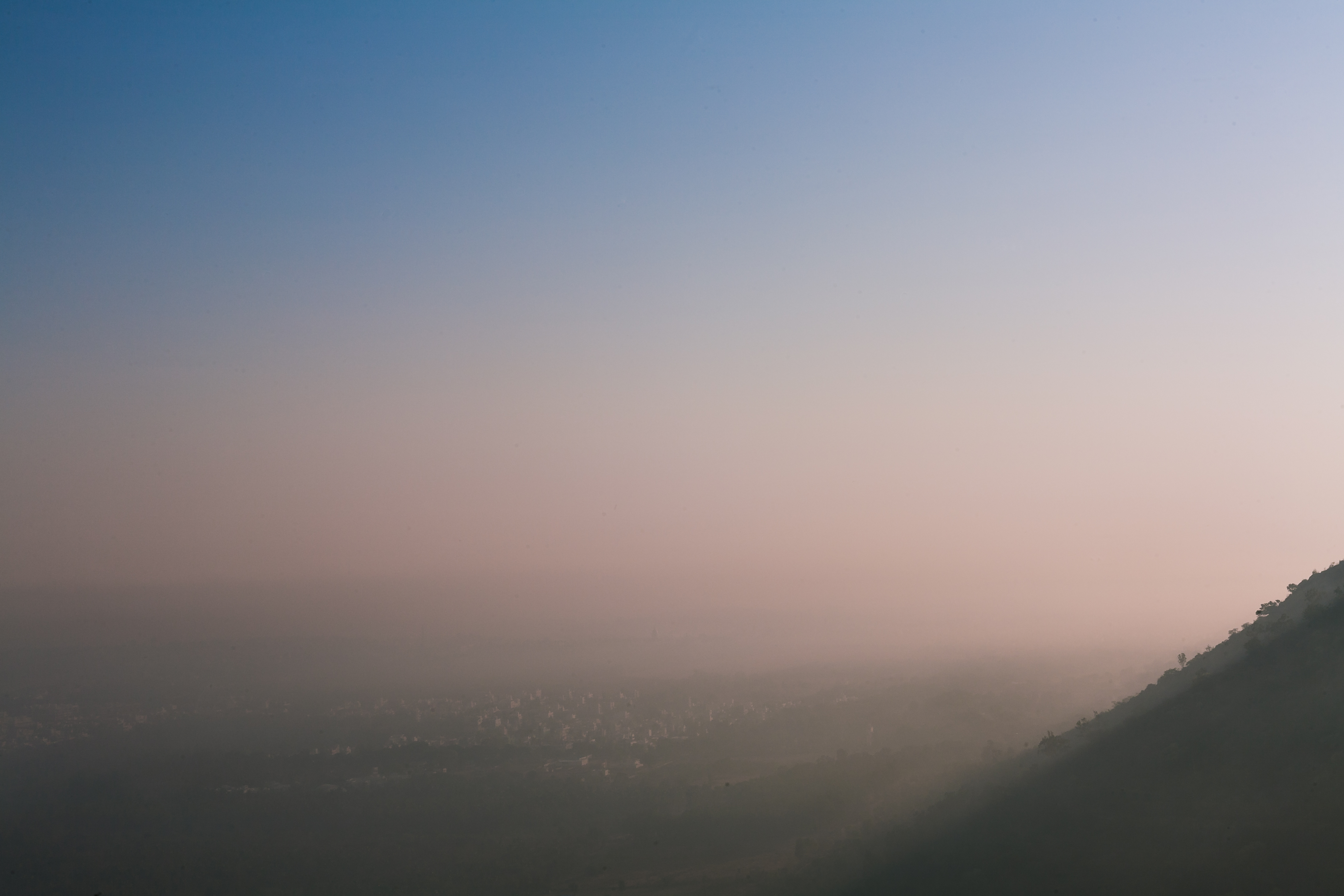
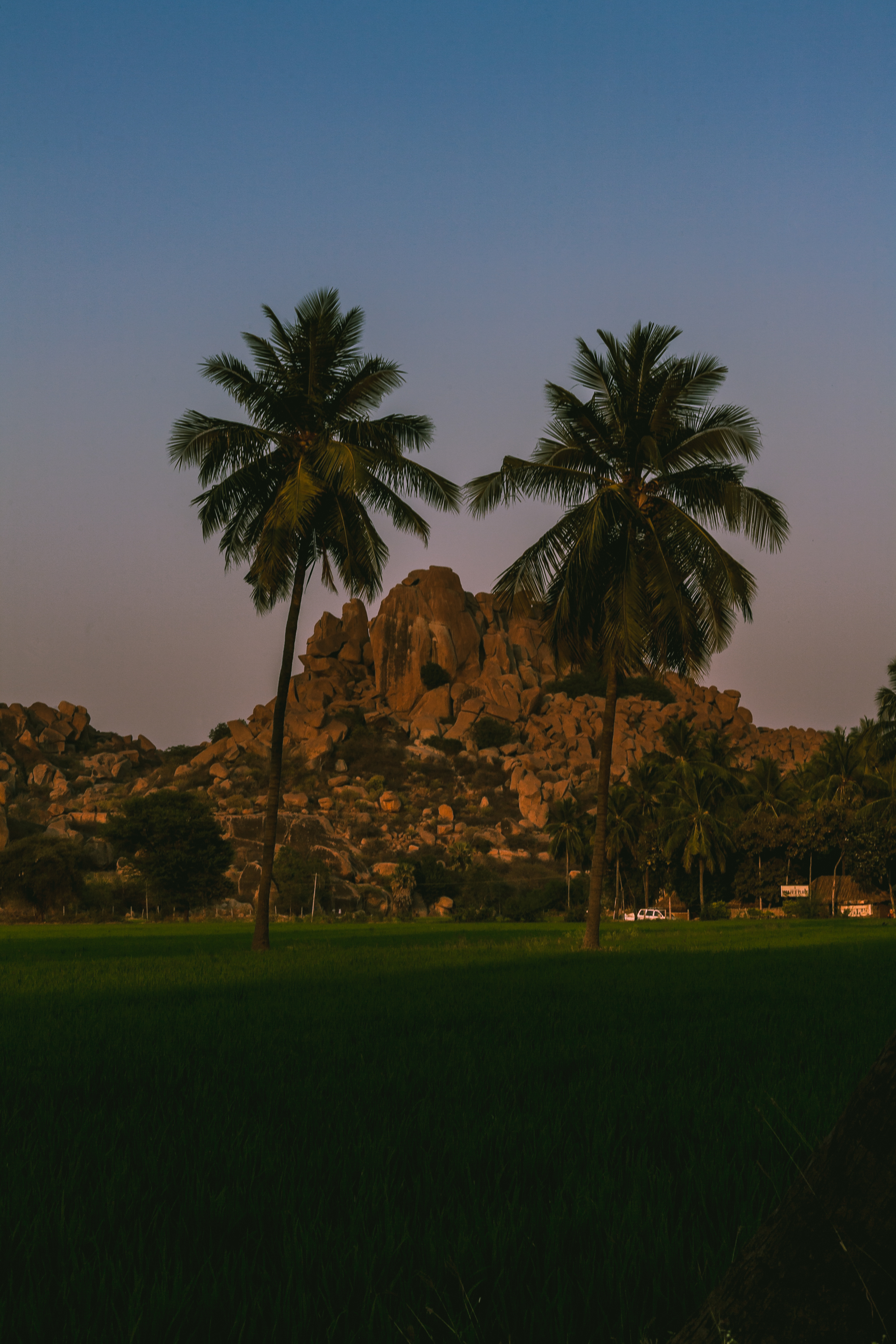
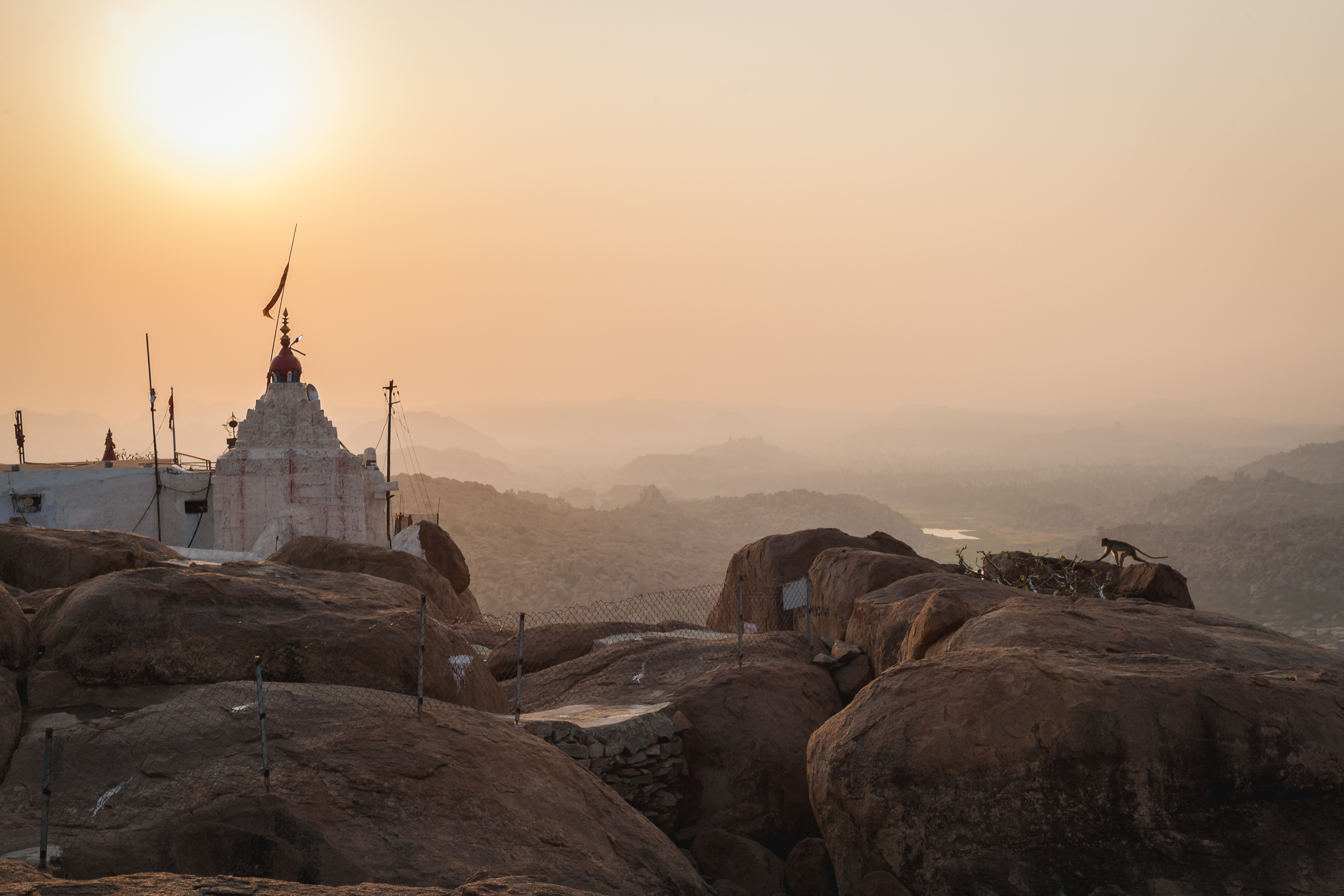
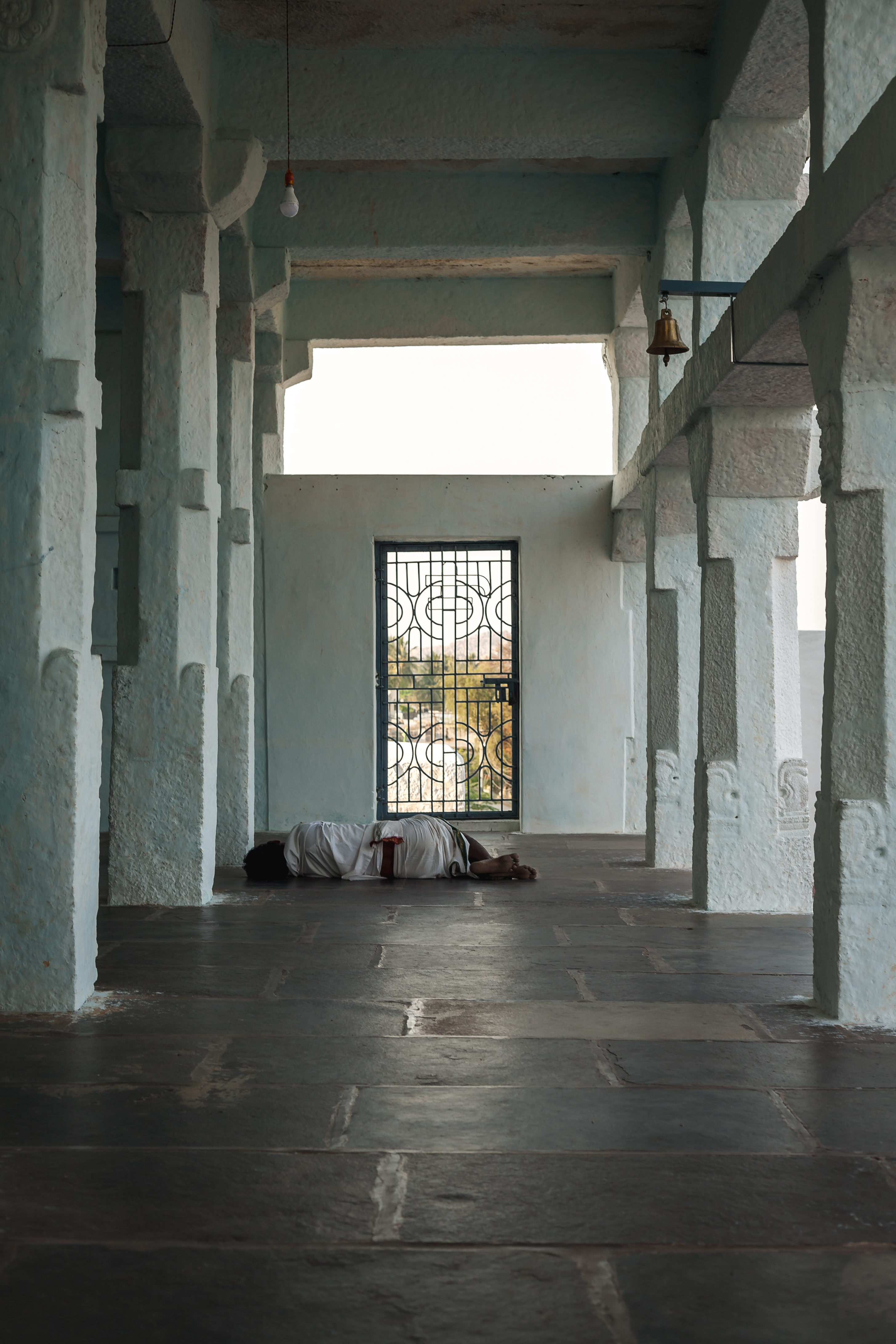
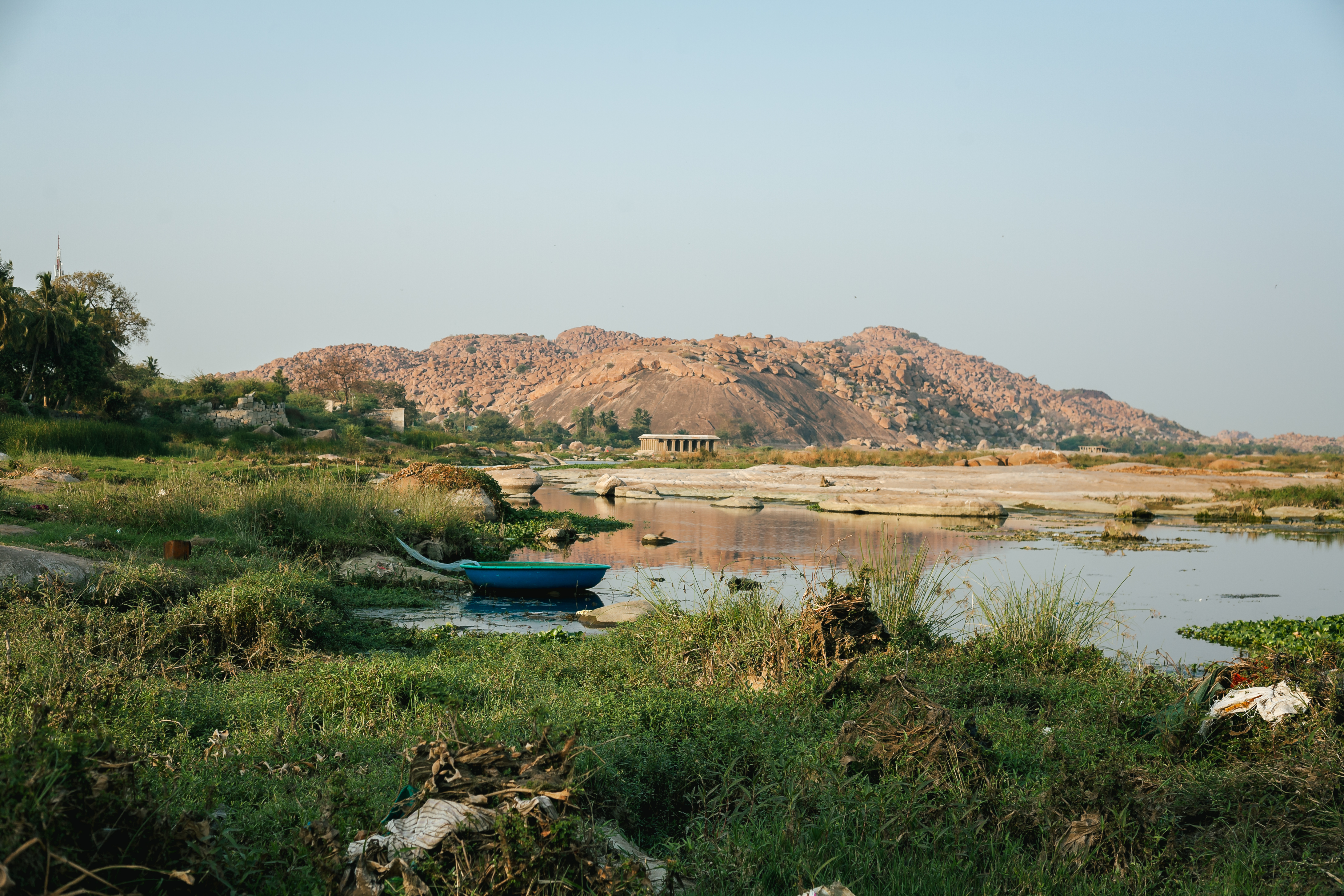
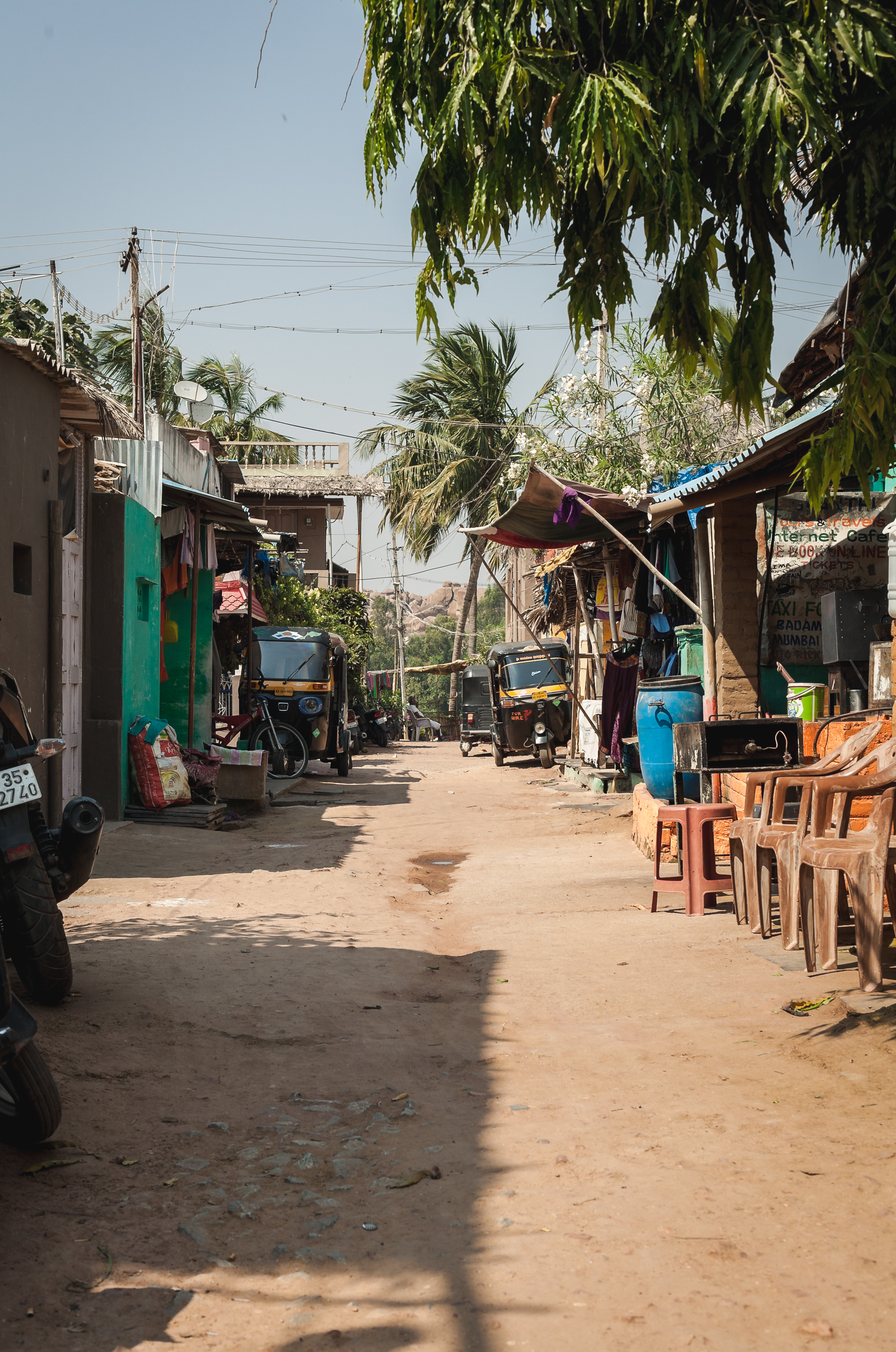
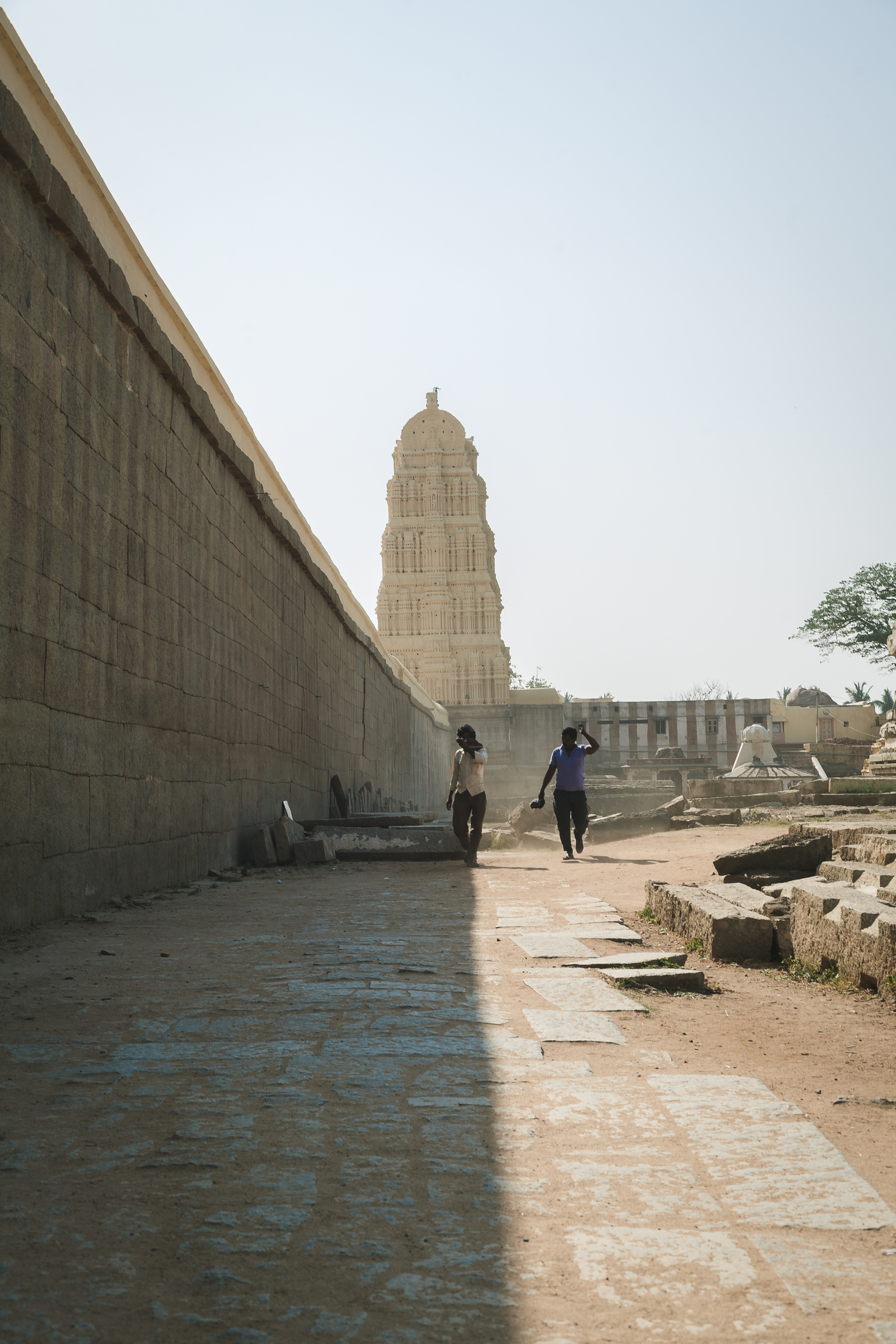
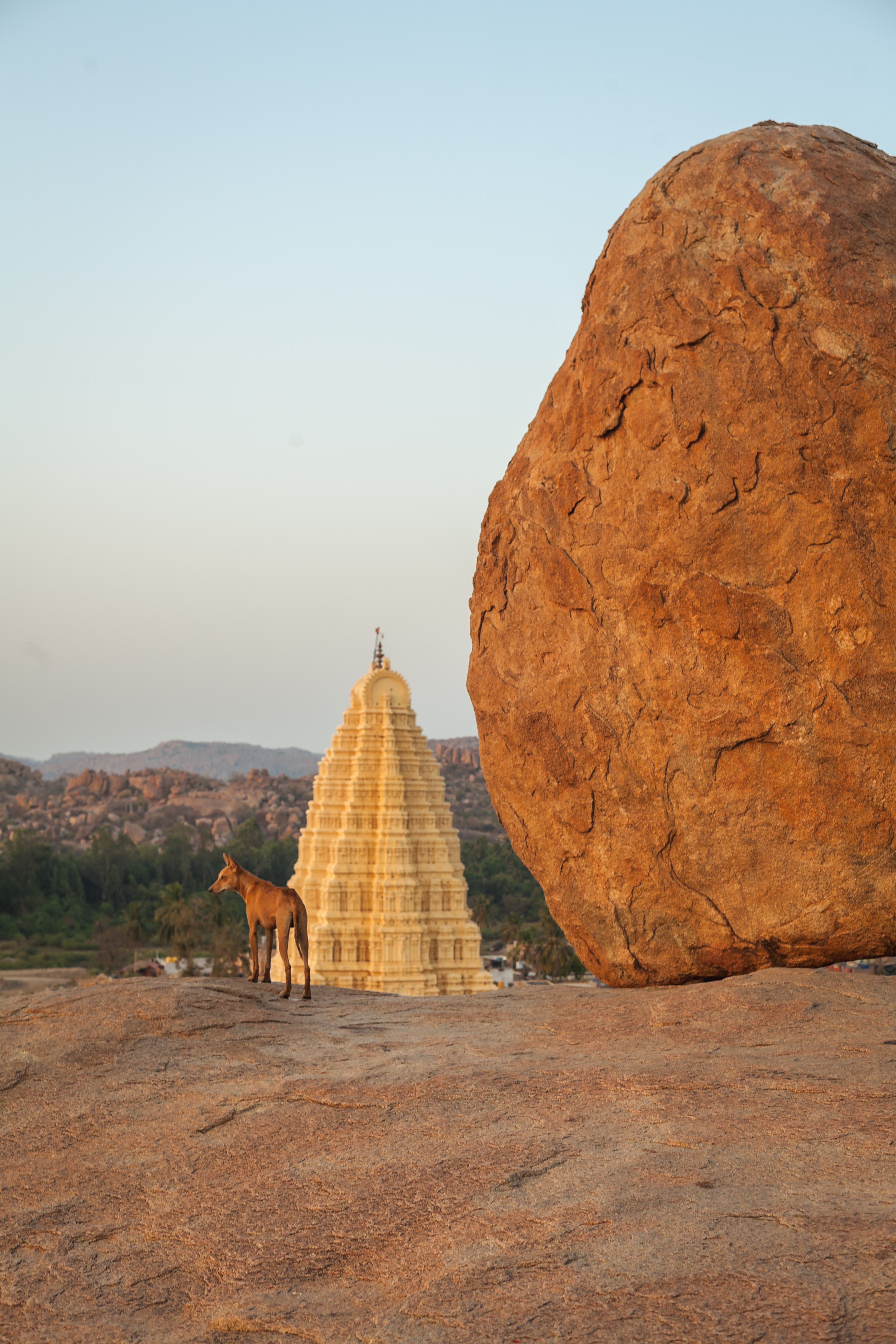
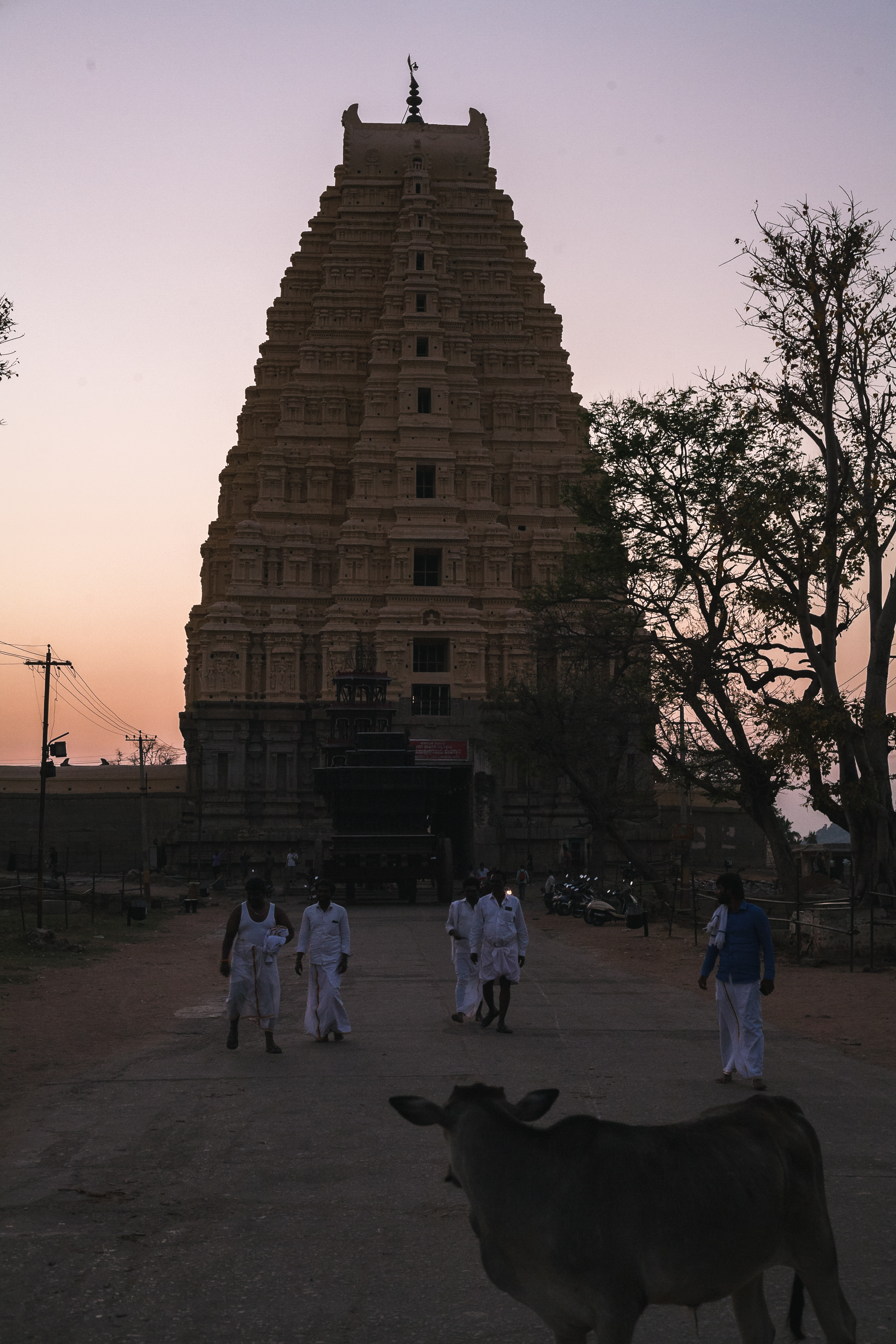
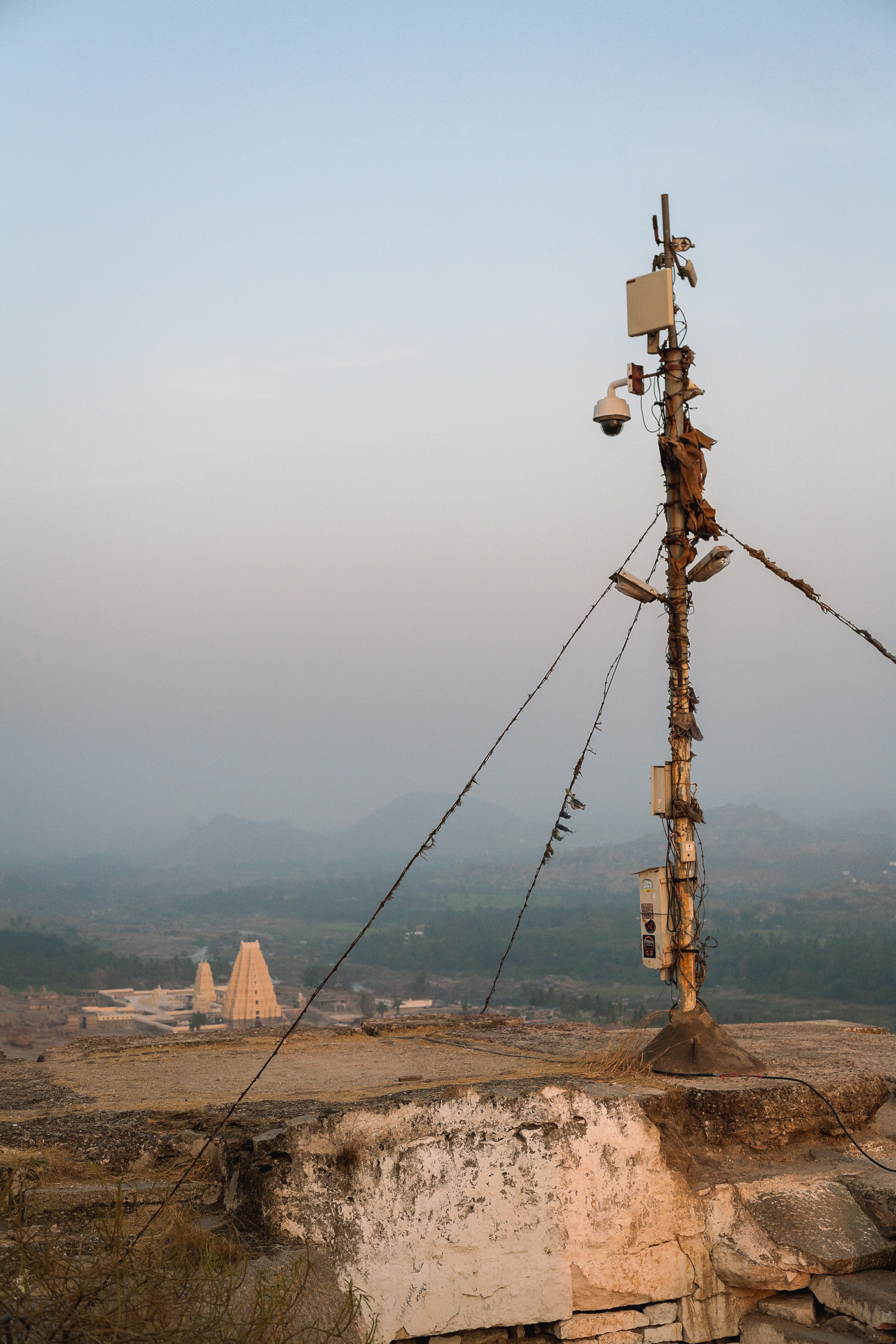
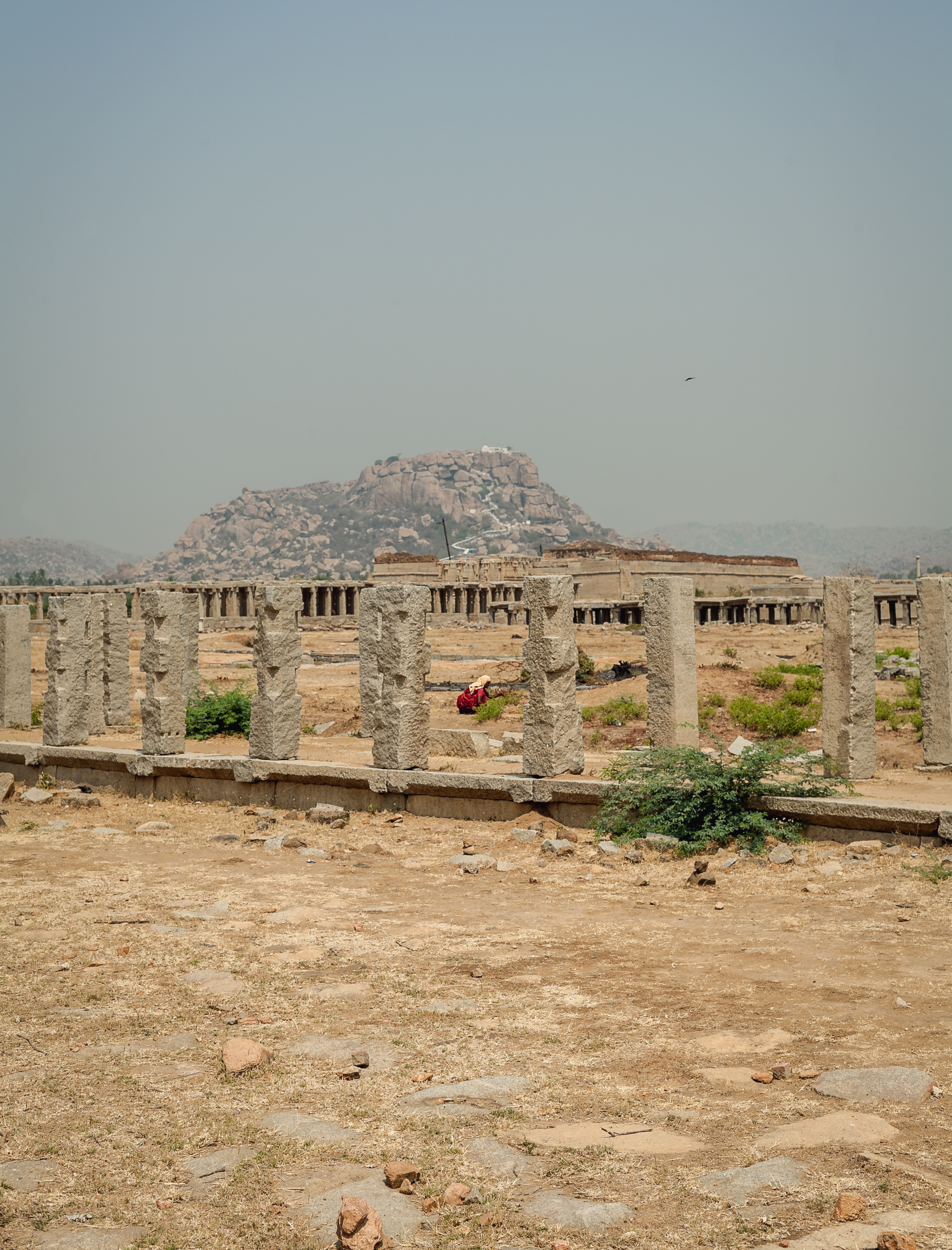
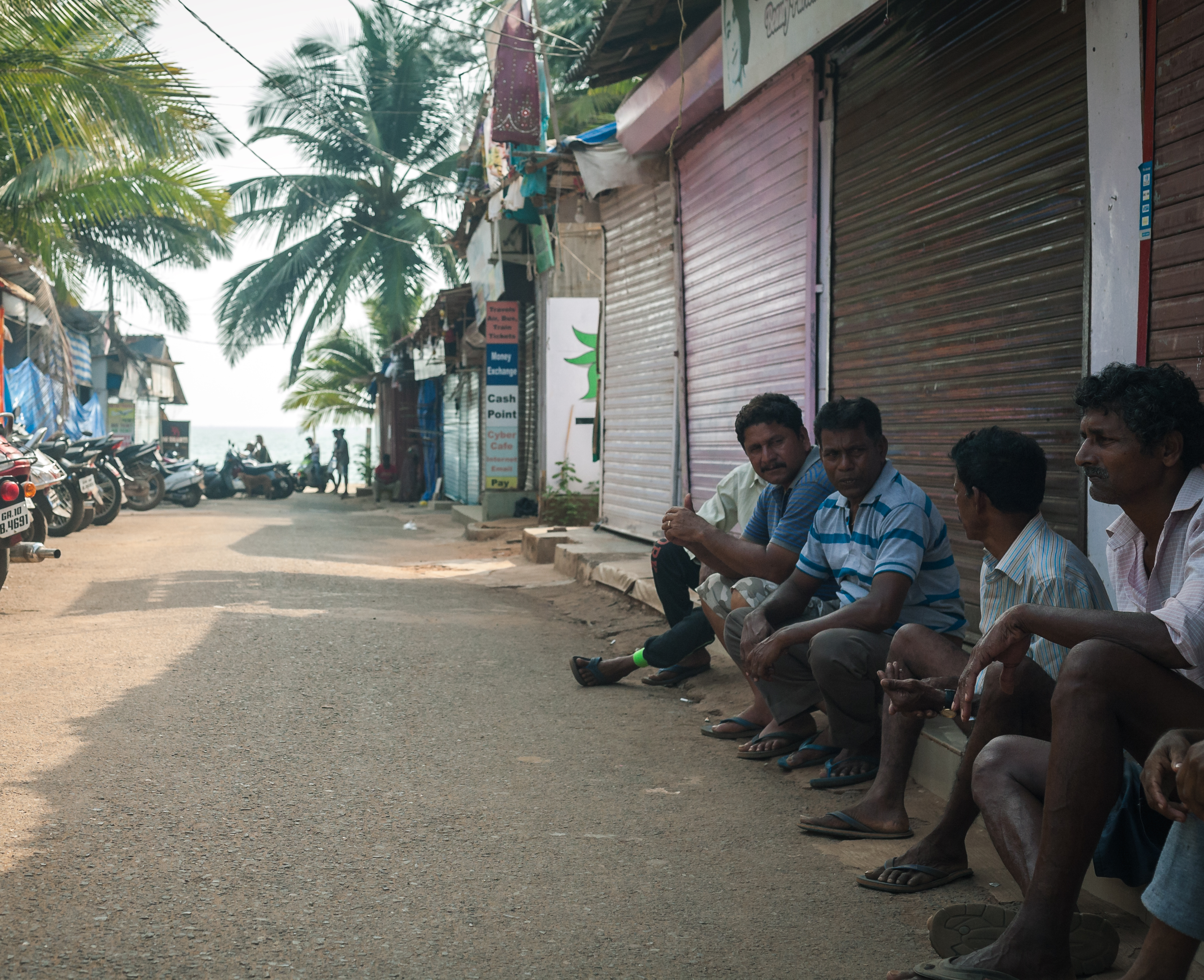
India is a country which, for almost my entire adult life, I had wanted to experience – well before photography became my passion.
Despite my excitement at the prospect of photographing my journey, I admittedly was cynical about photographing a culture and a country that I had no stake in – wanting to avoid taking generic and exploitative images, which can so easily occur from the perspective of an ‘outsider’.
Romantic notions swirled around my mind of getting lost in the foothills of the Himalayas fighting off wild leopards, befriending locals and becoming sincerely immersed in Indian culture… However, in reality, I certainly and completely was a tourist. This caused me constant conflict when selecting a subject matter: Should I live and experience the moments that I found so fascinating and compelling? should I constantly capture and document what I am experiencing? is it possible to do both as a ‘travel’ photographer? I’m still not sure of the answer. Sometimes I would do one or the other; sometimes both; sometimes none of them at all. I feel it’s also important to state that I, by no stretch of the imagination, consider myself a travel photographer. So, after an initial ‘easing-in’ period attempting to acclimatise to the barrage of sensations and complications associated with travelling India, I resigned myself to this frame of mind – sometimes chasing an image, other times letting the moment just happen for the pure pleasure of the experience.
After finally letting my Ideals subside, I began to find some kind of photographic rhythm. The initial aspect that began to strike me the most about India was its sheer and unrelenting vastness. While this is not an attribute wholly unique to India, the vastness of India is wholly unique. Not only in the scale of the landscape but geologically, meteorically, culturally, socially, theologically, historically, aesthetically, politically, economically and so on… This was something I wanted to permeate through my images while also adhering to my own stylistic photographic approach – an emphasis on the abstract, the mundane, urban decay, industry, and the political.
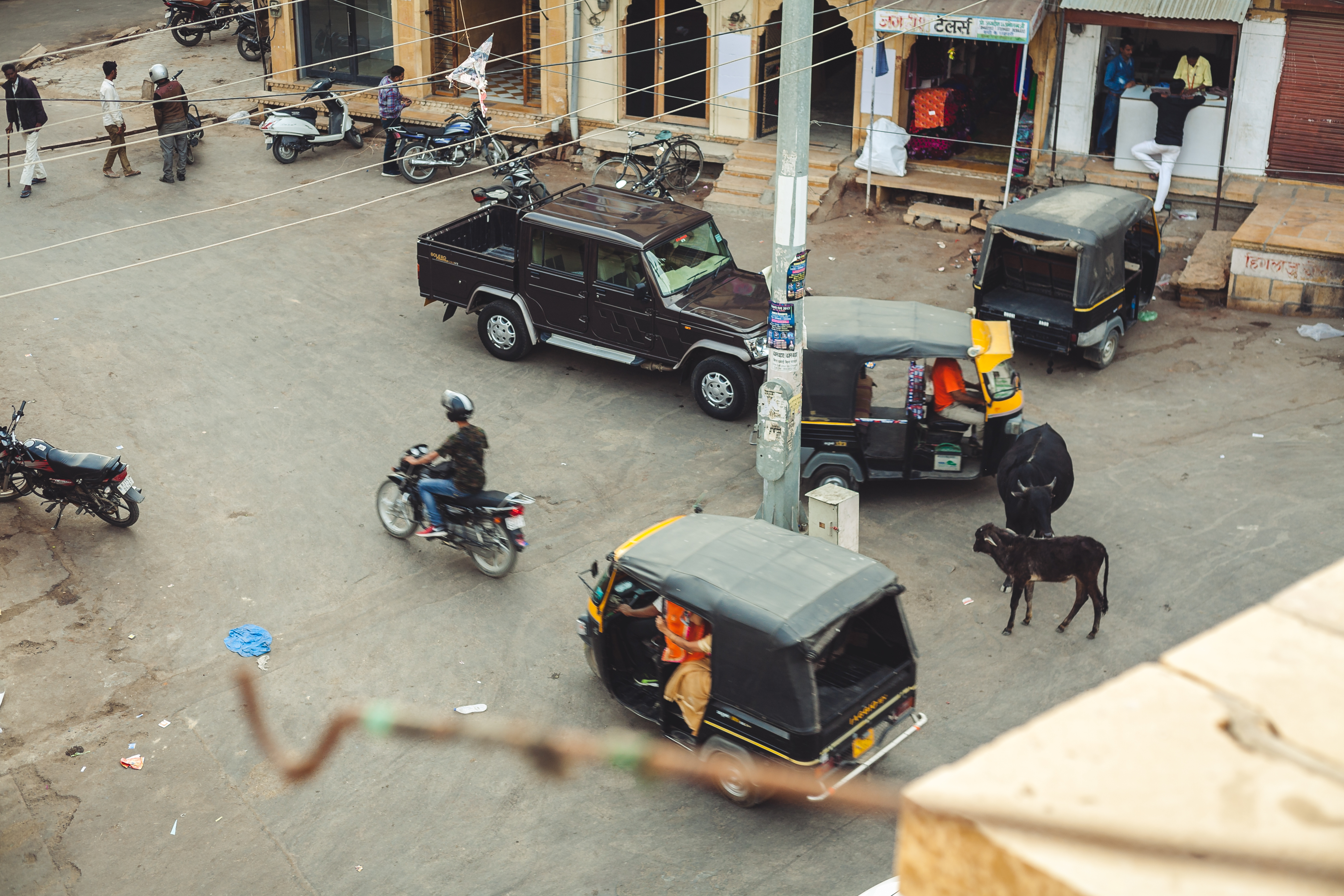
I suppose any decent travel photographer would tell you things like a good travel photographer presents a culture through images such as its food and religion. Although these are of course hugely insightful subjects into any culture, I had no artistic interest in what I suppose would be considered typical travel images, such as those. But of course, there are certain images that tick the boxes of ‘no trip to India is complete without…’ [fill in the blank]. Such as: No trip to India is complete without a highspeed rickshaw ride through bumper-to-bumper chaotic traffic before the whole city is ground to a halt because of a stubborn bull in the middle of the road who has decided that this is a good spot to cool itself in the shade while you’re doing your damn best not to shit yourself from your latest bout of Delhi belly. So yes: pictures of rickshaws, cows and blokes not doing much.
One of the most fascinating aspects of travelling India, for me, was witnessing first-hand the astonishing economic transformation that the country is currently going through. Led by president Modi and his leading political party the BJP, with support from a burgeoning, well educated, young population desperate for modern jobs, the country is being dragged into the 21st century on a political platform of job creation and infrastructural development. India’s shop door has been flung wide-open to the global markets to the extent that it is now on the verge of becoming a global superpower – it’s economy projected to overtake the UK’s in 2018. The most telling mark of this new epoch is the evident demise of ideology and values of Mahatma Gandhi, a pillar of Indian cultural identity. Despite Gandhi still being greatly revered and idolised by Indians, this affinity sadly appears to be becoming, on the whole, one of superficiality. Instead, individualistic values are quickly gaining more and more stock within Indian society. The irony that only a few generations ago vast swathes of the Indian population – led by Gandhi – ploughed all its endeavour into casting off the shackles of imperial colonialism, only for it now to be replaced by a neo-colonialism in the form of neoliberal globalisation seems completely lost on most Indians. That or they don’t care. And why should they? India has just as much right to prosperity as any other country, of course. But this sudden transition from third world country (to use an archaic term) to hyper-capitalism produces masses of compelling imagery and scenes. Watching the construction of a twenty story office block likely to house the headquarters of some global software company surrounded by bamboo scaffolding being erected by labourers with zero safety gear sixty feet up in the air with absolutely zero rigging gear to speak of kind of changes things… y’know?
– Glyn Owen
‘El Valle de las Naranjas,’ Spain 2017
During a recent trip to Spain I paid a brief visit to a community living in the foothills of the Sierra Nevada mountain range in the Andalusian city of Granada. I travelled there with my girlfriend and arranged to meet up with an old school friend who had been travelling around Spain during the summer.
It’s a short bus ride from the city centre along steep, winding roads up to the district of Sacromonte on the city’s outskirts, where I had read about a community of people living in caves built into the hillside. The district itself is mainly a quaint suburban hamlet of small, white-washed dwellings that is renowned for its flamenco dances and association with Roma Gypsy culture due to the area becoming largely inhabited by communities of Roma Gypsies following the expulsion of the Moors from Spain in the 16th century. Roma Gypsies continued to live there even up until recent decades, but since then the majority of these caves have been transformed into modest houses filled with modern conveniences with everyday people living in them, and the perpetuation of any vibrant Roma Gypsy culture there is mostly just a show for tourists, at least from what I saw.
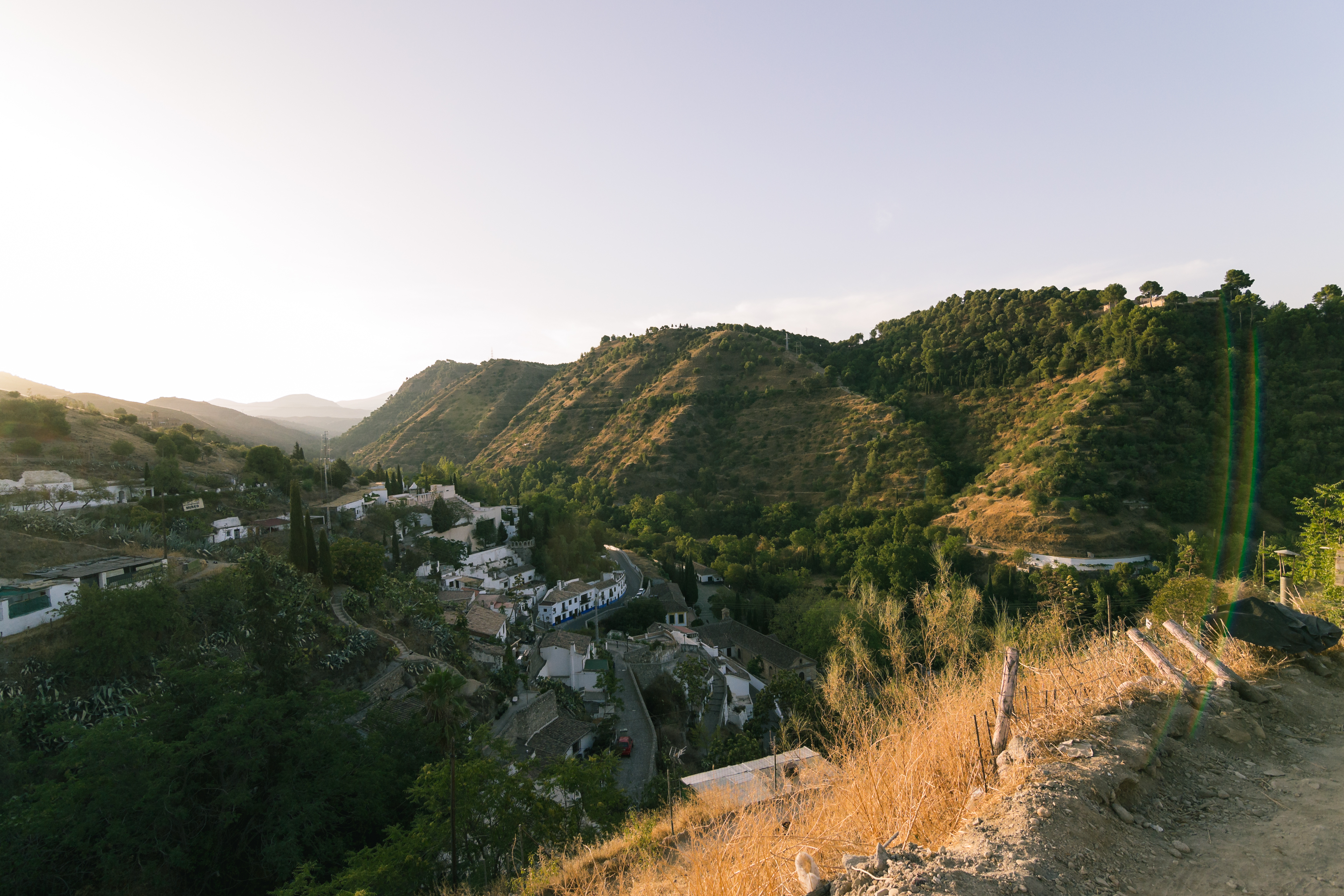
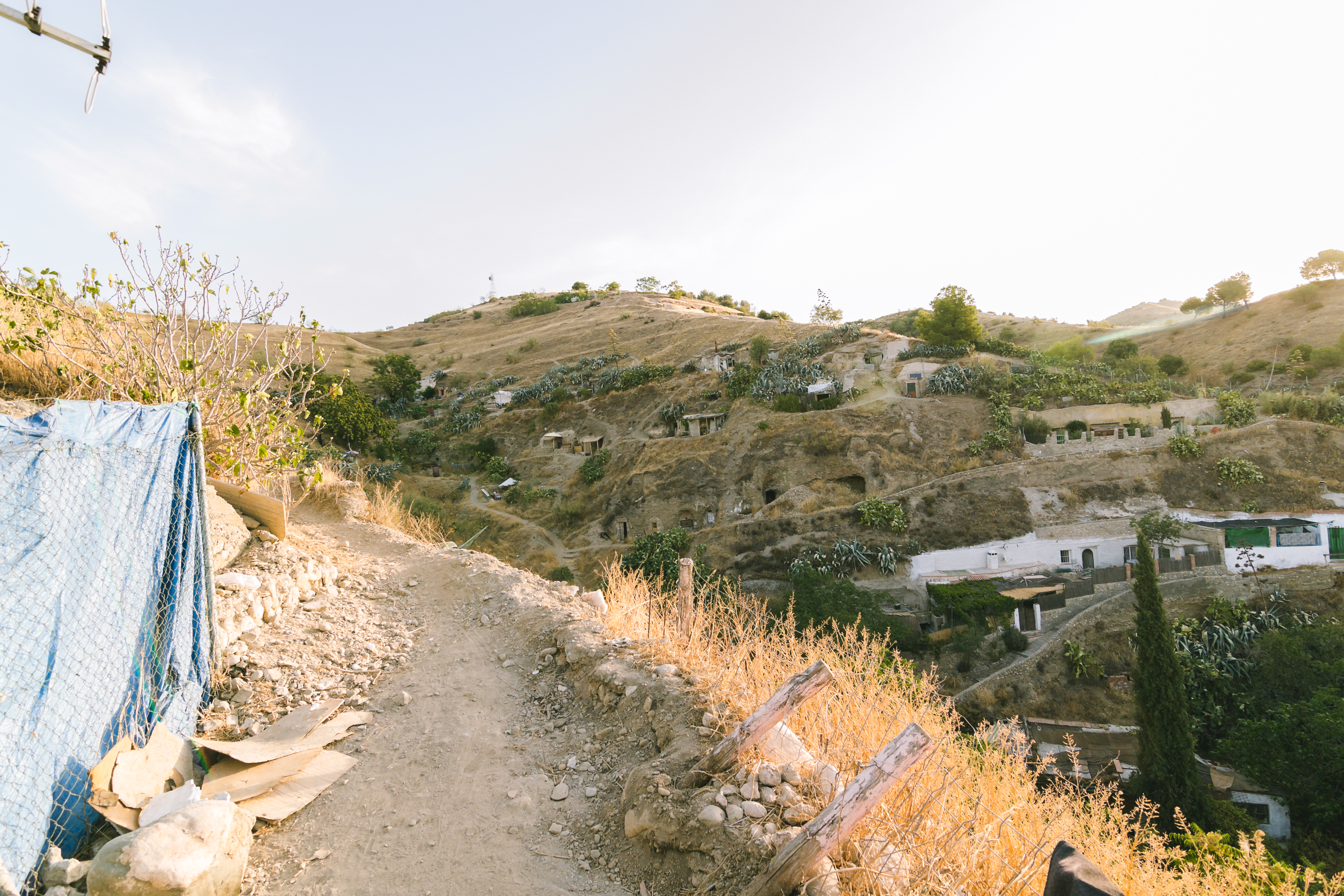
However, if you penetrate slightly deeper into the district and climb just a bit further up its slopes, you will wander into a more rustic landscape featuring cruder constructions with cave entrances spread all over the hillsides. These have become the homes of an ever-shifting mix of migrants, travellers and lifestylers who have adopted these caves forming a vibrant alternative community. After a little bit of exploring we found ourselves in an area of this community that they call ‘El Valle de las Naranjas’.
Here pebbled walkways and tiled roofs are left behind, replaced by dusty paths and canvas doors. The hillside that the caves are built into faces a stunning panoramic view stretching from the mountains down the valley over a sea of terracotta and further down into Granada. Looking out over the city, perched on the opposite side of the valley, is the enormous Moorish palace, the Alhambra dominating the landscape.
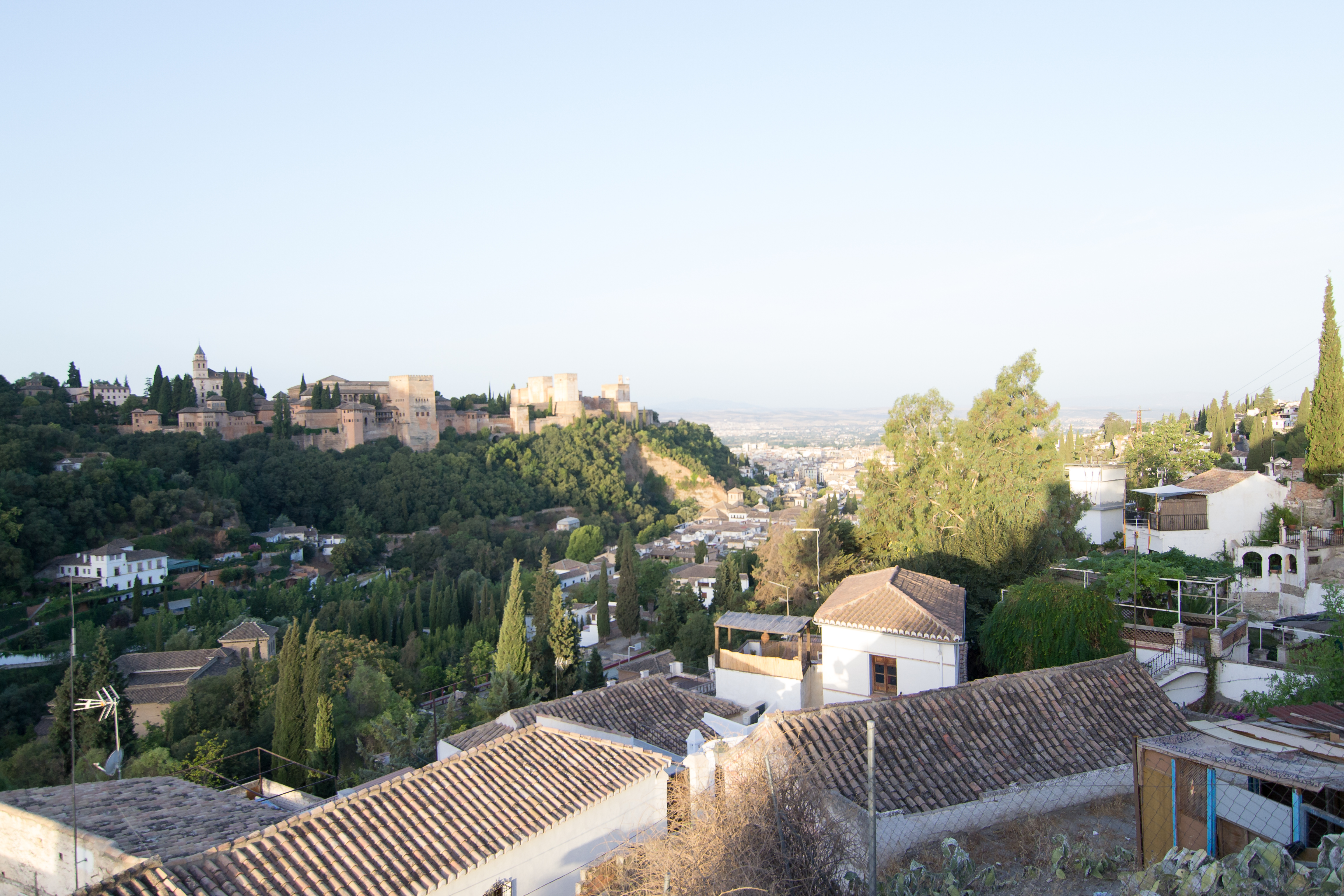
At the time of the visit it was August and while wandering the dirt trail we came across a group of adolescent cats taking shelter from the blazing afternoon heat in shade cast from a patch of parched tall grass and cacti. It must have been siesta time for most of the locals as there was hardly a person in sight, with only barking dogs and screeching cicadas disturbing the otherwise tranquil setting. Stopping to dote on the cats a woman, who I had said “hola” to in passing earlier on the path, approached us. She seemed keen to engage in conversation and ended up inviting us into her home.
Her name was Daniela; she had been living in the cave since December and had subsequently decided to purchase it from the previous owner.
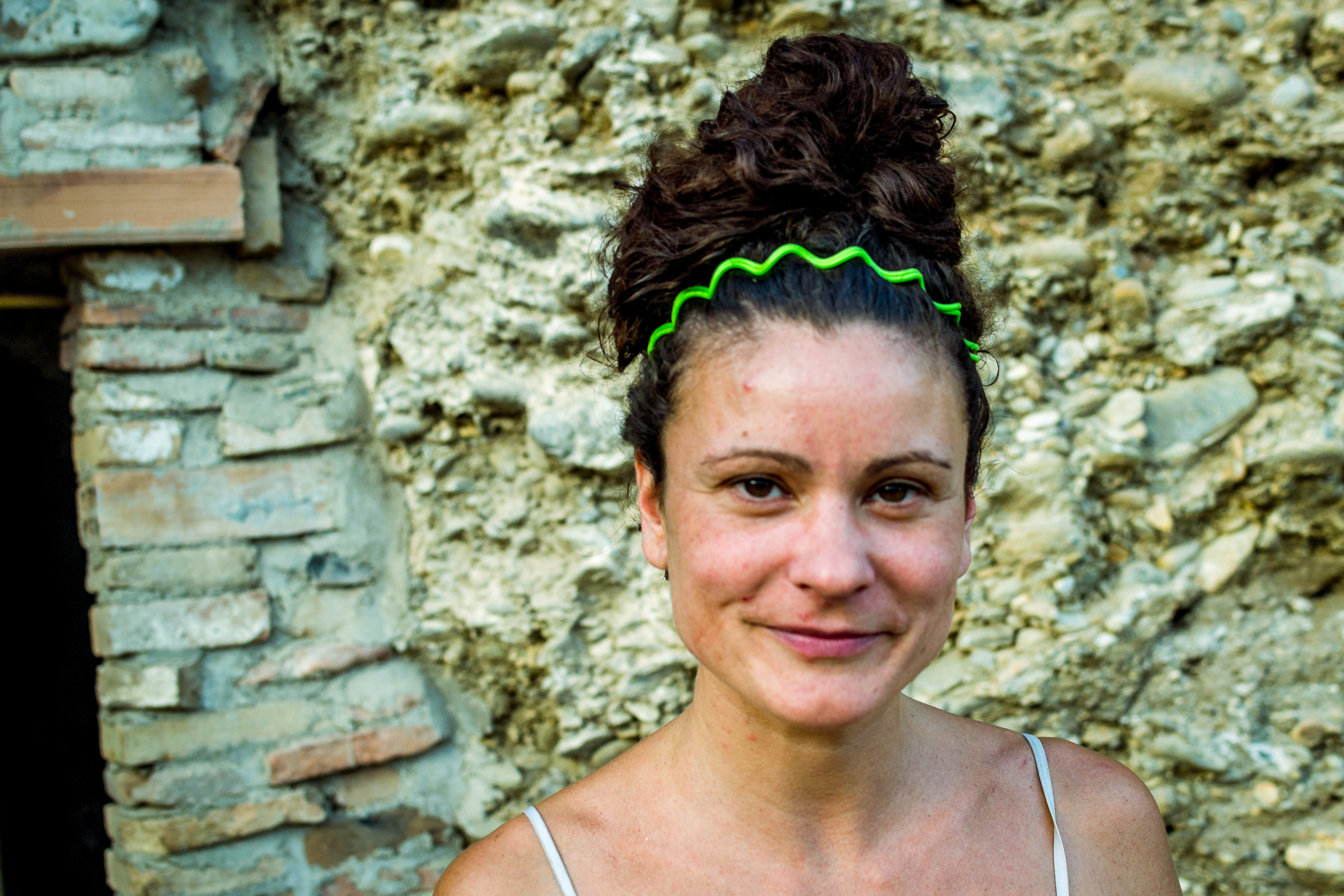
She was originally from the Wirral area of England and began travelling after deciding that studying for a degree in Law in Northwest England wasn’t the life for her, then going on to travel around the world living in several different countries, which distorted the typically distinctive Merseyside accent. Inside, her cave was an open, relatively large and comfortable area with covered floors and furniture that led into a couple of other rooms. The space emanated a definite sense of home and was certainly more than just a rudimentary shelter, but it was also in need of some repairs, especially to make it more habitable during the approaching colder months. Up until recently an Italian person had been staying with her and helping with some work, but at the moment there was no one to help her.
Previously Daniela had earned a living growing and selling plants. Her hope was to plant a garden in the earth just outside of her cave. She explained the difficulty in this as the area gets so little rain for much of the year and the only free access to water was from a small fountain that was a short trek away but would be difficult to carry back up the hills by herself in any amounts sufficient to maintain a decent-sized garden. Daniela offered to show us around a bit – taking us to one of her neighbours who lived in the cave just up the slope directly above hers. Her neighbour, and good friend, was, Marino, who after a bit of rousing emerged slightly dazed from his cave entrance, but greeted us warmly. We all sat down together outside his cave in the warm sun of the early evening. After a short rendition on his guitar (which had two strings missing) we sat around talking. Marino was a half Italian, half Spanish with Roma Gypsy heritage. He made his living from busking in the city. He was a jolly character speaking good English and with a great sense of humour. But there was also a sadness to him – being slightly vague about his past, which of course he had every right to be if he chose. He also didn’t want his picture to be taken, which he alluded to that it could cause trouble for his family if it was seen online, but also because he was taught that having your picture taken takes a person’s soul.
As we sat around speaking I got the opportunity to learn more about the community from Daniela. She explained that the only other source of water was from a home on the opposite hillside only a stone’s throw from hers, but that the person who lived there was not always willing to give access to the water for free. Money seemed to have a great hold over the community, leading to some opportunistic behaviour including instances of stealing. One of the ways some people made money was by selling drugs to tourists. The day before a tour guide in the city had approached us who worked for a tour company that took people up into the cave community. One of the ways he tried selling this too us by saying that the ‘hippies there give you free beer’. Both sides were clearly taking advantage of the community being a pull for tourists, but it was a reciprocal relationship and a means of survival for some, I suppose. Daniela seemed amused by what I had told her about the tour guide, and also seemed to take some offence. She said that she had no money at all and relied on food donations from a food bank in a local church to get by. At one point a group of tourists did even appear on top of the opposite hillside and seemed to stop to watch us sitting and talking, which did create a strange feeling of being a kind of human spectacle or sightseeing attraction.
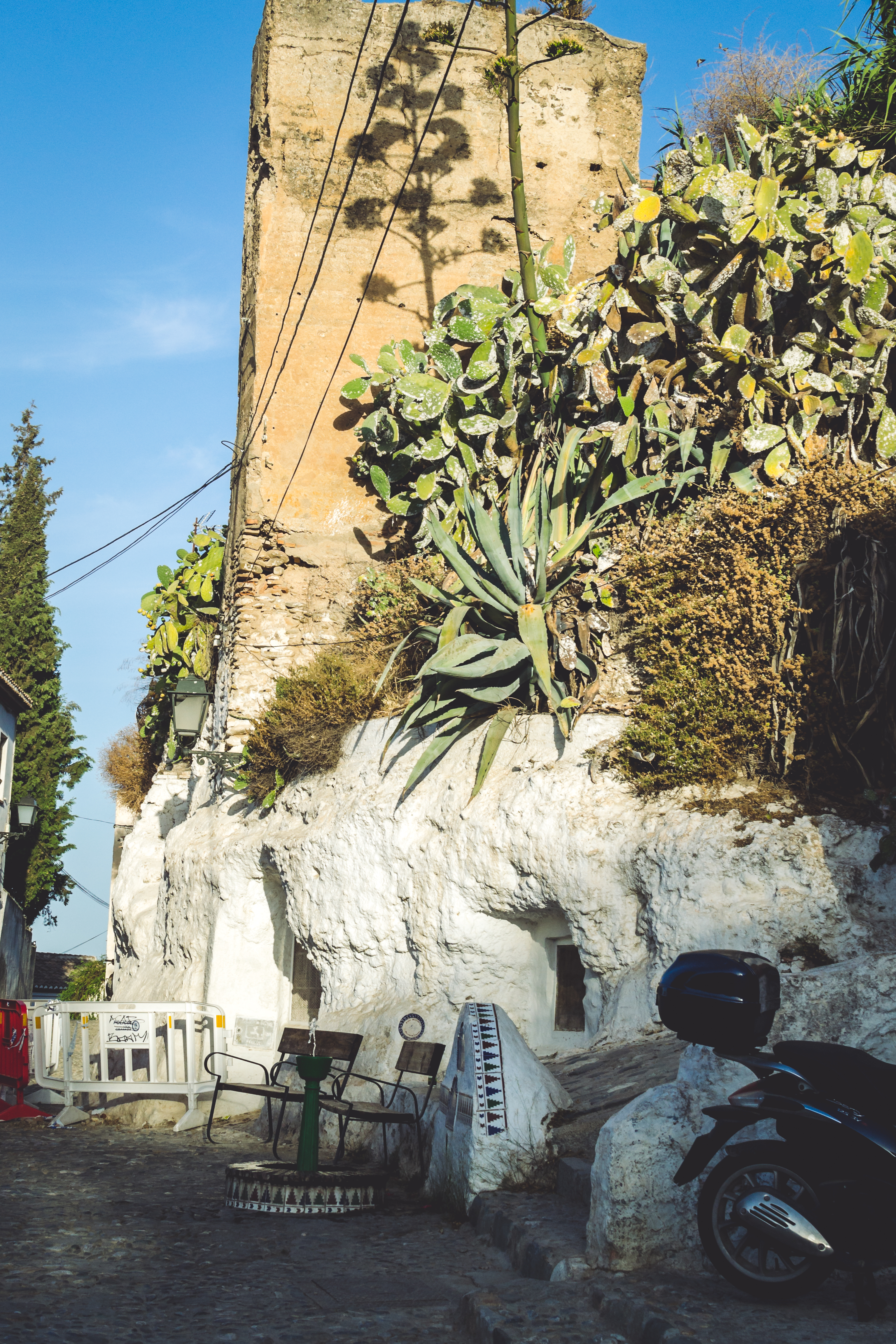
It struck me that there didn’t seem to be a general, shared politics to the community giving it some kind of social cohesion, seeming quite fragmented and individualistic. Daniela felt that many people probably might identify themselves as punks or something similar but there was no hard ideology or general cooperation inherent in the community, except for the odd party where people drank to much and things tended to get out of hand, she told me almost wryly. This brought up some other problems with the community, such as alcoholism, which Daniela said was rampant in the community. This, mixed with the fact that there were very few women living there, resulted in the sad fact that she had had to defend herself from physical harassment from men on occasions; learning some important lessons early on about looking after herself in such situations, often meaning removing herself from them. Most of the people living here owned dogs, Daniela herself owning two, which now seemed an obvious practicality.
However, despite these issues, Daniela was generally very positive in her sentiment towards living here, particularly regarding the future of the community, saying that even in the months that she had been living here things were improving.
Eventually we were joined by another, a man named Placido. Placido was from Bulgaria; spoke very good Spanish but almost no English whatsoever, so conversation had to be translated both ways. He was extremely generous and had a constant smile. The more positive aspects of the community seemed to shine through Placido, straight away almost upon meeting him he wanted to share with us and to make friends. He brought with him his infant puppy that everyone wanted to play with. He also brought food and drinks, sharing them out to us. Daniela seemed very found of Placido, who came across as something close to a father figure. Placido also did not drink, saying that he did not like the way it affected his behaviour. After negotiating our way through a conversation between us all, Placido understood that I was interested in learning about the community and invited me into his home. His cave was a single room with white-washed walls, no larger than a typical sized bedroom, containing a good sized double bed, some furniture and a cooker. Daniela told me that he loved to cook and often cooked for her. Placido seemed to get a lot of joy from giving small gifts as tokens of friendship and something to remember him by. To my girlfriend he gave a dress, which he had been saving for his wife who still lived in Bulgaria and, from what I understood, was not keen on living in the cave community. To my friend he gave a piece of artwork that he had made and to me he gave a cast-iron teapot that he indicated was an antique.
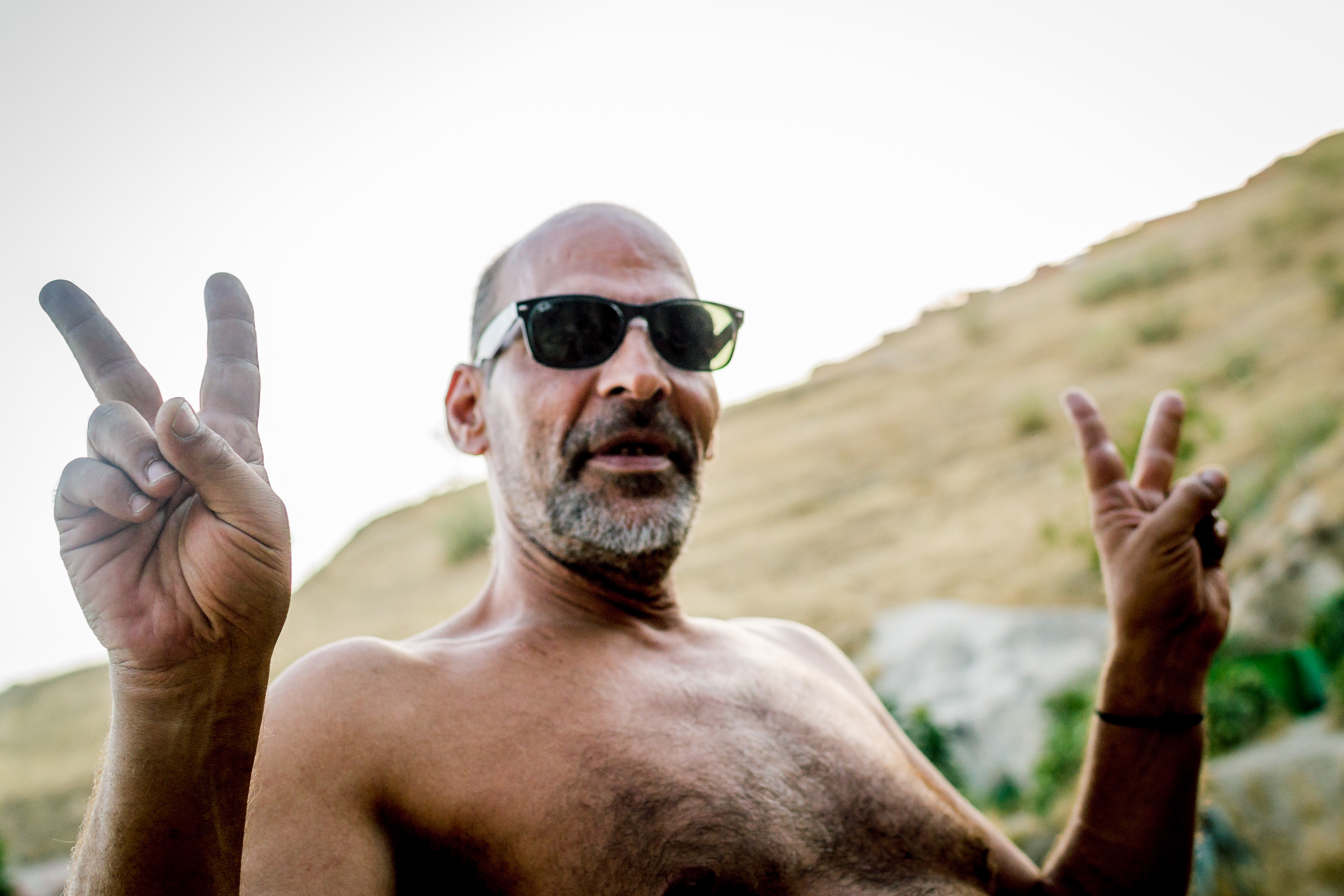
At some point during the conversations we were joined by a slightly unsavoury local inhabitant that both Marino and Placido seemed to find distasteful. The man seemed drunk and made some inappropriate remarks towards my girlfriend, exemplifying some of the points that Daniela had made. The relaxed and fun atmosphere became slightly tainted with the man’s presence, but it wasn’t too much trouble despite him being slightly antagonistic.
By this point it was also getting dark so I felt it was time to leave soon. Unfortunately our parting with Daniela was quite abrupt, as she had had word that someone she knew had been injured in an incident, which she assumed was alcohol related. The last we saw of her, she was running down the path that we had entered on towards the apparent location of her friend so to try to be of help. Before she dashed off we made our goodbyes and she invited us to visit again.
After saying our goodbyes to Marino, Placido kindly walked us back into Granada, where we realised there was no need to have gotten a bus at all. After our grateful goodbyes to him, he left us at the top of a steep road that led down into the busy town centre where we were immediately engulfed by the sound of a live jazz band playing flamenco to an audience sitting around dining tables outside next to the river running beneath the Alhambra.
We left El Valle de las Naranjas with mixed feelings but glad for the interesting experience. I was certain I had only scratched the surface of gaining a full understanding of the community and would certainly be interested in visiting there again for a longer time. What I did take away from the brief visit was a greater recognition for the importance of there being an emphasis on a shared system of ideals in independent communities in order for the community to be sustainable. Inappropriate social behaviour, unwillingness to share resources or stealing are not common occurrences in communities where I would say there are a greater sense of social cohesion or communal organisation.
The next morning we woke up early so I could get a photo of the sunrise over the Alhambra from a viewpoint that we had walked past on the way back with Placido. I decided to quickly scramble all the way back up the slope to get a shot down onto El Valle de las Naranjas. Seeing this view for the first time in the daylight I was struck by the realisation of the totality of the beauty of the setting, with the odd character of each shack-like construction protruding from the hillside and the grandeur of its idyllic surroundings. Looking back at this image now, the strange beauty of El Valle de las Naranjas feels like an allegory of the conflicting nature of the community, which holds so much potential yet feels like it still has a lot to over-come. Hopefully I’ll return next year and see if any progress has been made…
 Glyn Owen