


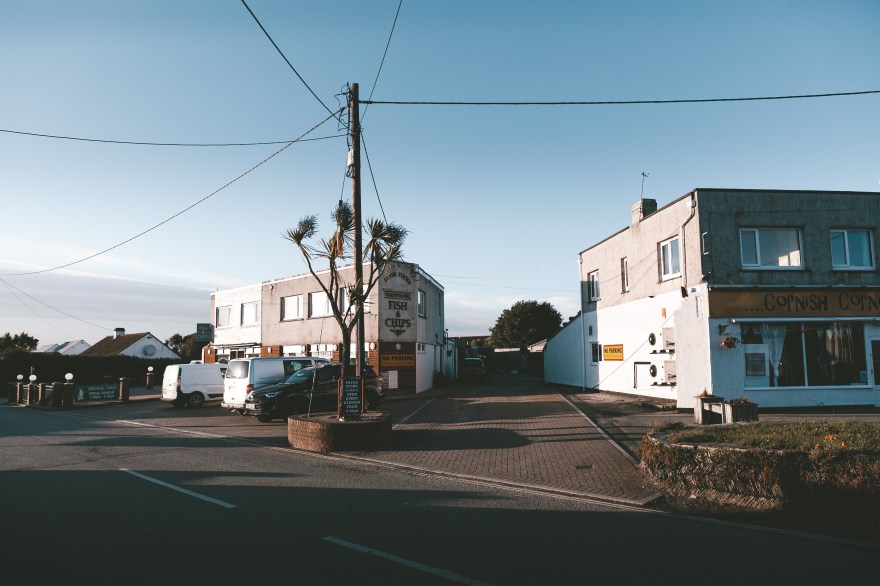
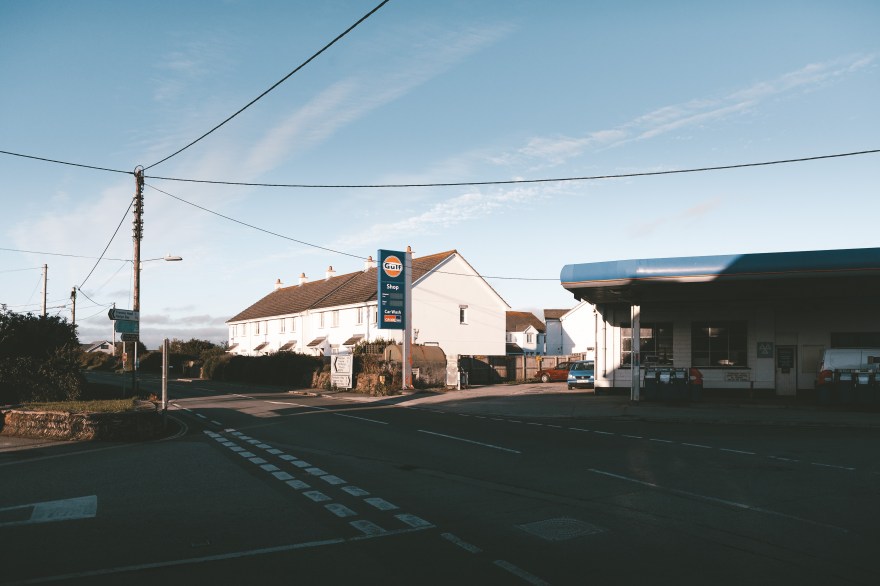
Day 36. Jarama Valley
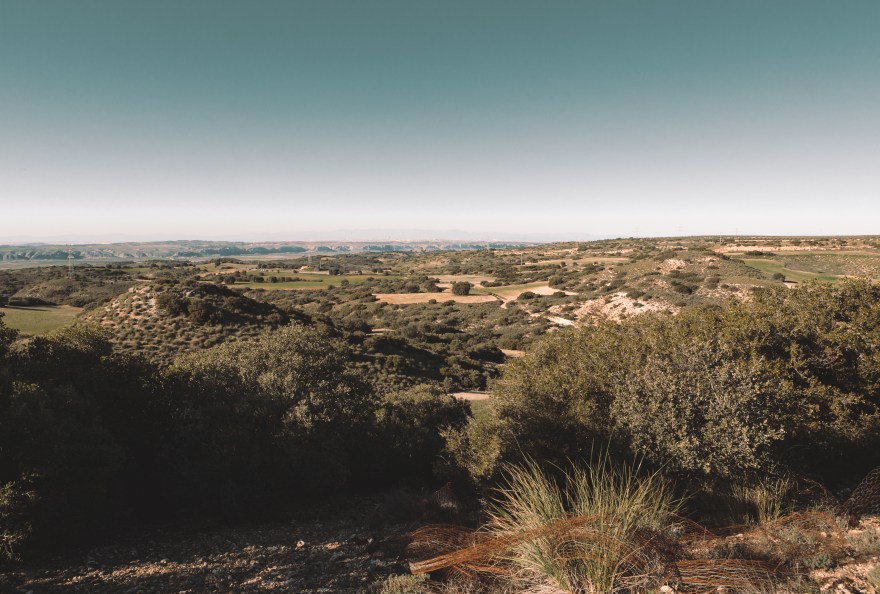
Day 37. Villanueva de la Cañada
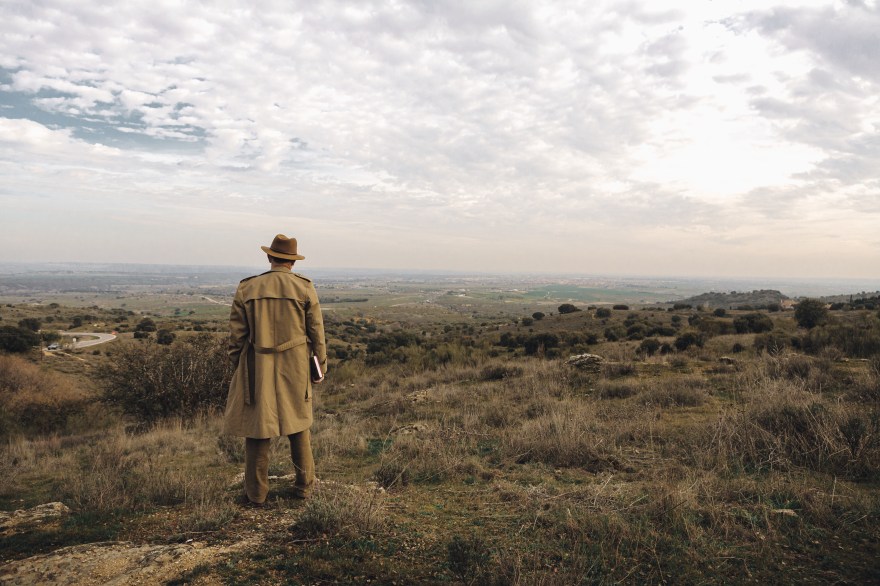
Day 38. Madrid
Day 39. Burgos

Day 40. Burgos
Day 41. Albany Rd
Day 42. Cardiff
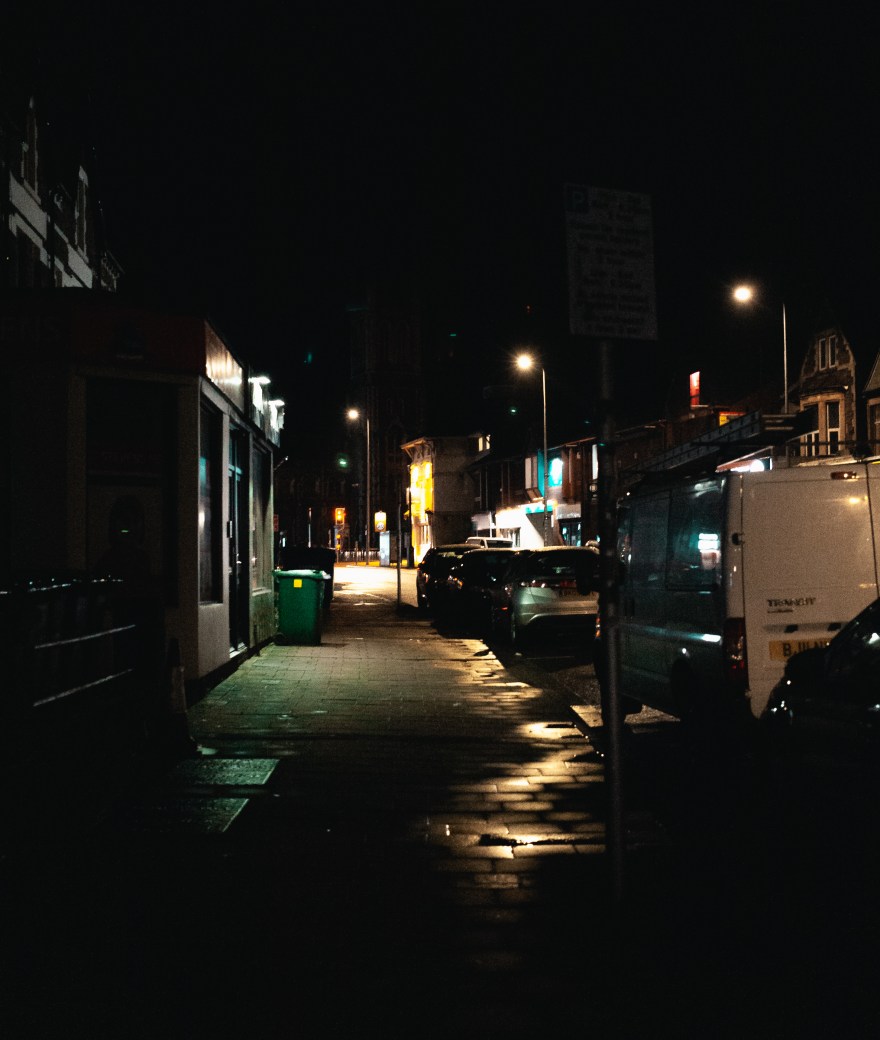
We were close, but not enough to walk. The carpark was still and in shadow apart from a few scattered blocks of golden haze cast between industrial objects reaching into the sky above the coastline. We wandered the pedestrian walkway expectantly, with only the occasional drone of a passing vehicle off in the distance disturbing our general chitchat.
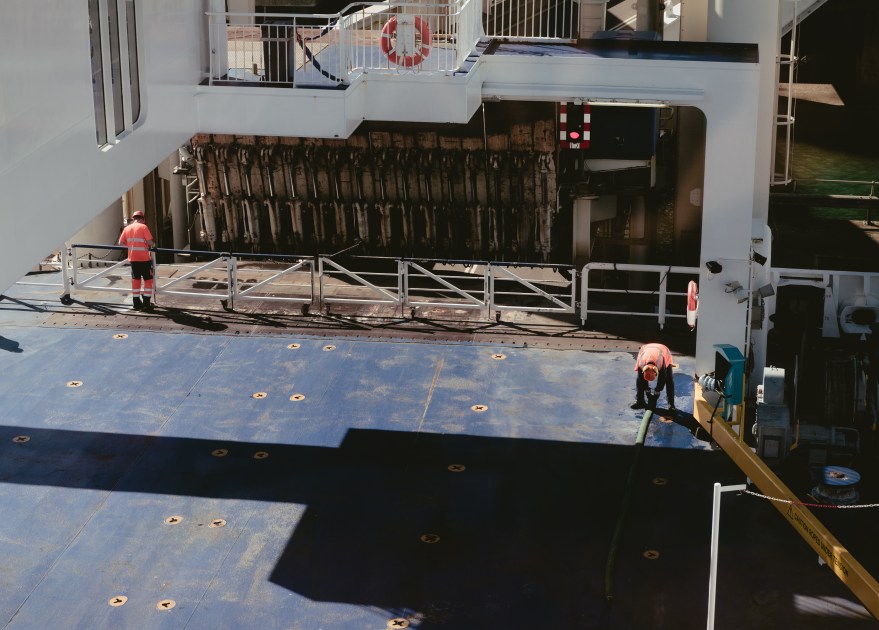
On the ship, I had struck up a conversation with the man. He had also been in the waiting room. I asked if he knew anything regarding getting to Paris from Calais. He was hitchhiking to Groningen from London and wondered if I knew a good place to pick up a lift. We crossed the full expanse of the tarmac and metal alloy, during which time the hitchhiker seemed to be troubled by the weight of his bag and I was mildly irritated by my decision not to have a look around the terminal building first… Shouldn’t go back.

We passed a roundabout and went through an underpass then came to another roundabout. The hitchhiker lagged behind. “Are you going that way? I think I need to go this way,” he said. My guess was to follow the road sign for the city centre but I was disorientated by my phone’s GPS, which was not working. “The port must be a dead zone,” I assumed. I paced back and forth with indecision. A few dozen yards in one direction before changing my mind and walking in the other direction. I could see the hitchhiker a few hundred yards ahead of me that way had stopped with his rucksack at his feet, which he was making adjustments to. “Maybe it’s something to do with the network provider?”
The landscape to the south was dominated by a huge hanger-like building covered in shining bronze-tinted metallic cladding. I used it as a landmark to asses the best route. This way was cut-off by a river and the nearest bridge was far. I elected instead for the long, straight road adjacent to the ferry port. Along it, I studied the grounds of the hanger building. The huge swathe of grass and concrete looked shabby from disuse. Bits of glass, piles of rubble and other debris covered the site, where a colony of rabbits had made their home too.
At the end of the road was a roundabout. On the other side of the junction, an emergency vehicle of some sort was parked with three uniformed persons standing around it. Despite having half a thought on asking them for directions, I didn’t pay enough attention to whether they were police or ambulance or something else to do with the port. The direction went through an industrial estate, where the entrance gates for the hanger building were located at the top of. On the other side of the gates, the engine of a white fiesta idled with its driver-side door open. I passed no one going through the industrial estate but thought I saw the hitchhiker distantly ahead of me, now without a rucksack.
Eventually, I arrived at an urban area on the city’s outskirts and could see an ornate clocktower in the distance climbing above all the other buildings surrounding it. Two people stood in mild discussion in the forecourt of a petrol station and a woman carrying shopping bags gave me a fleeting curious look as she passed me by. Moving in the general direction of the clocktower I walked the terraced streets along a main road comprised of closed or empty shops and a few small, dirty looking brasseries and bars, also not open. Each had the chipped, faded paint on the windowsills or around their doorways. I walked under a black sign above a doorway with bold yellow letters spelling “SEX SHOP” thrusting out into the street. A man stood propped up against a lamppost, clasping a pastry bag in one hand. As I got closer I noticed his hands and face were covered in dirt or soot and his eyes stared past me vacantly. He seemed to be waiting for a bus or for someone to come out of one of the houses.
I arrived at the hotel and I immediately arranged a taxi for 11.45 the following morning to the train station. I was told that the person on the desk tomorrow would take care of it. I mentioned the difficulty in getting from the ferry terminal to the reception person, who was aghast with disbelief. There was some problem with the system which meant that she had to go through the process of printing my bill several times. When I enquired about dining recommendations, she quickly produced the menu of a brasserie just around the corner from the hotel, which she enthusiastically pressed on me. I had passed the brasserie on my way in. It stood out, as it was the only business I had actually seen open.

Studying the menu in the brasserie’s window I instantly gauged all the telltale signs of a tourist trap. I was about to head in, amused at the idea of the 14€ Welsh rarebit, when something landed with a soft thud just behind my shoulder blade. One of the local gulls had seen fit to grace me with a welcome gift. An elderly group of three gave me pitied looks of embarrassment while also giving me a wide berth.
Soap and toilet paper in the small sink of my hotel bathroom seemed to clear up the worst of it, so leaving the jacket to dry, I went for dinner. At the end of the meal, the waiter appeared in front of me presenting a dessert menu, which I declined. An elderly British couple finished their dessert and eventually managed to get the attention of the waiter to ask for the bill.
“Mursi bhoo c-hoo” the woman of the couple said ceremoniously, followed by a small, apologetic laugh.
In the morning I went down for the continental breakfast, which I had paid extra for on check-in. I was confronted by the morning receptionist as I selected my breakfast items. His shoulders were stooped and his face was rough like it had been hacked from cheap MDF. In French, he politely asked to see my room card. He spoke with a thick accent that sounded American. His mouth was small with thin lips surrounding it, and he mostly spoke through his bottom teeth.
After breakfast, I went to the front desk to enquire about the taxi. I waited, rang the service bell, but no one appeared. I came back down after packing. This time the man was on the phone. He hung up and before I could say anything asked if I was the person who had booked the taxi. He had been on the phone with the company and they were sending one right away. This was earlier than I had ordered, but better to arrive in plenty of time.
I waited in the hotel foyer, reading the morning news and watching the man shuffle around attentively from deed to deed. After my second cigarette, there was still no sign of the taxi. It was nearly 11.45. The man was understanding and contacted the company. It would be another 15 minutes. I doubted that, and besides, that would be too late. He called another company, which was similarly indisposed. He was lost for an explanation. The man’s gaunt face then became dishevelled with concentration as he made further enquiries on the reception computer. His suggestion was to take a train from the city centre station to the station where the train to Paris would leave. I thanked him, maybe sardonically, and left with my things.
The streets were just as bare as the previous evening as I quick marched to the station. A homeless man sitting outside a bakery greeted me, which I halfheartedly replied to, making it clear I was in a rush.
At the station, I attempted to purchase a ticket from the automated ticket machine. But the English instructions were only partly translated it seemed, with the ticket choices still in French, which I couldn’t comprehend. I took the receptionist’s advice and didn’t bother getting one. “They never check,” he told me confidently.
I went to the platform where he said the train would be. The screen in the station had shown the train but didn’t say which platform. I checked another platform, but this wasn’t right either. The third platform I came to was correct, with the train already there waiting. The margin was fine but I should arrive with a few spare minutes before for the train to Paris. The man in the hotel had assured me that the train left from the opposite platform of the one I would arrive on.
I sat nervously in a chair in one of the rear carriages where the train attendant seemed to be hovering around in his navy uniform with a red stripe through his conductor’s hat. He passed once, saying only, “Bonjour,” and spent the rest of the journey talking to another person in the same carriage. As the train snaked through the desolate peripheries of the town, I paid particular attention to the security fencing; three layers thick, intermittently interrupted by guard towers and security gates, which ran for miles flanking either side of the train tracks away from Calais.
As part of an ongoing photo project, I recently paid a second visit of 2019 to Catalonia. This time I was travelling north up the coast from Barcelona to the small seaside-town of Malgrat de Mar.
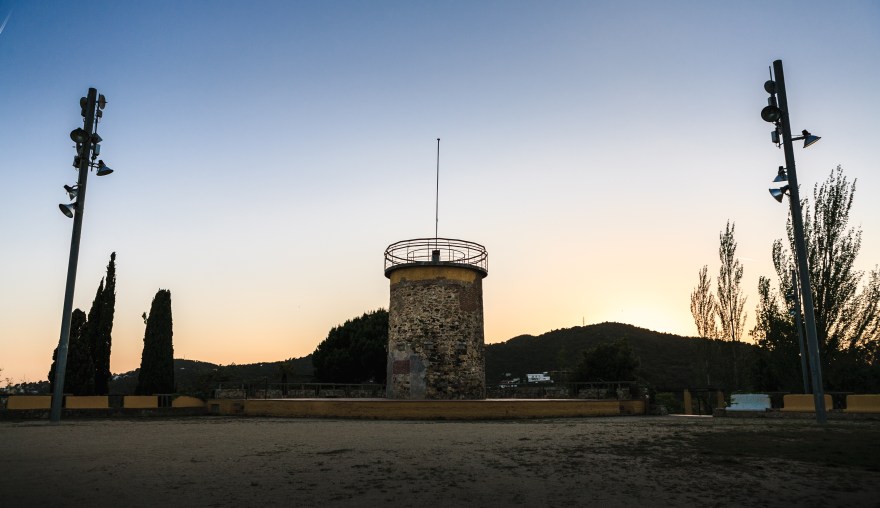
The purpose of the trip was to meet up with British-born artist Rob McDonald, who is based in Catalonia and is the creator of the community memorial campaign, Solidarity Park. The project commemorates an incident involving volunteers of the International Brigade, which took place at the height of the Spanish Civil War almost exactly 82 years to the day of our meeting.
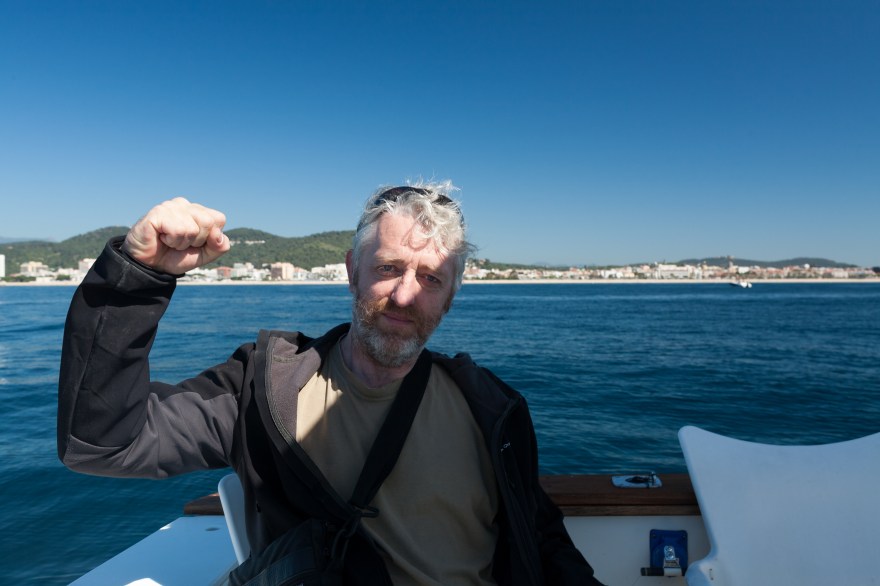
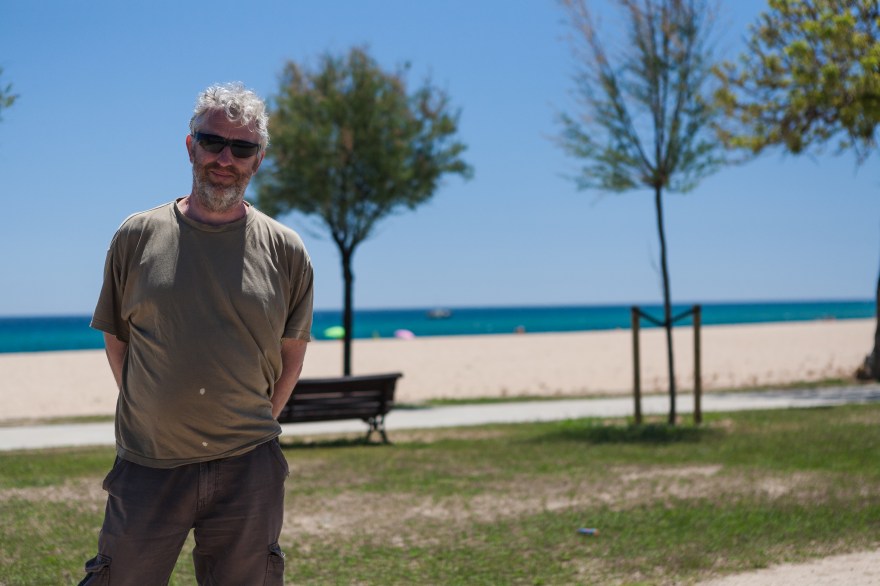
I was greeted warmly by Rob at his studio and exhibition space in Malgrat de Mar where I was also introduced to Chris, another British expat who has lived for many years in Catalonia and is active in relevant circles. We were then joined by Paco, a local politician and a supporter of the Solidarity Park project.

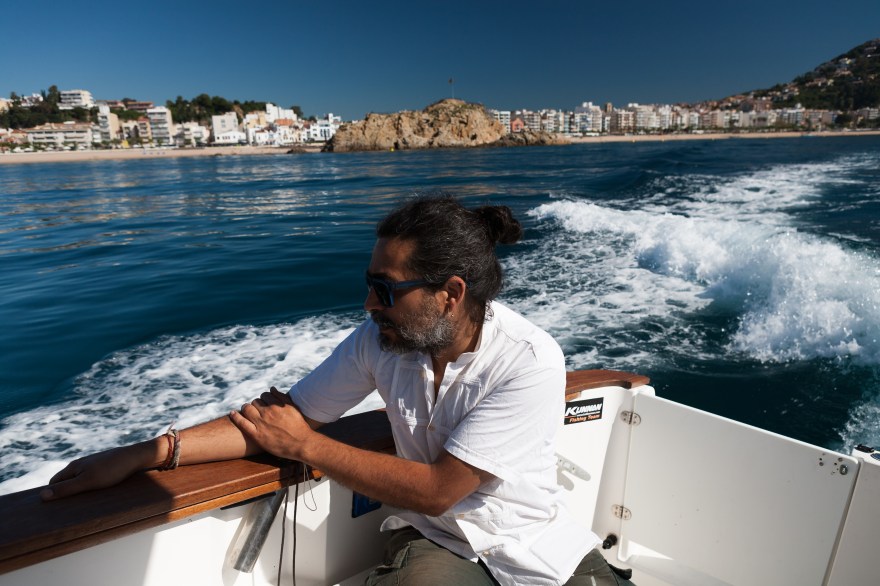
Together we were heading a further 15 minutes up the coast to the town of Blanes where a boat had been arranged to take us to a site approximately 2 kilometers off the coast of Malgrat de Mar.
The significance of this site was that it is the location of the wreckage of the Spanish liner, the MV Ciudad de Barcelona, which was sunk on May 30th, 1937. The ship had been travelling from Marseille to Spain carrying several hundred International Brigaders as well as military cargo for the Republican war effort when it was torpedoed by an Italian submarine belonging to General Franco’s nationalist forces.
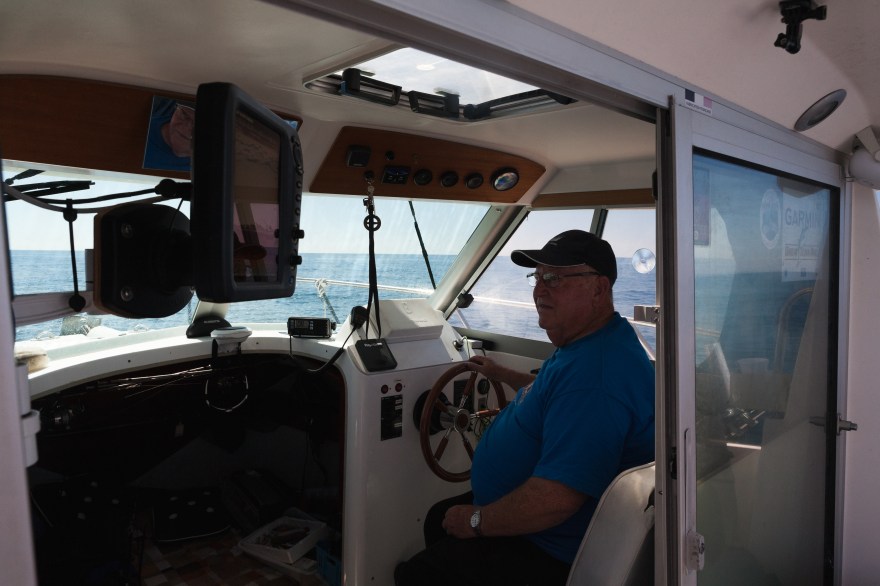
We arrived at the town’s harbour where we met with Noria, a local secondary school English teacher who had been responsible for arranging the boat trip with her father (also named Paco) who was to be ship’s Captain during our short voyage.
As we left the harbour in our modest fishing boat, Paco pointed to me the area further along the coast where the ship had initially been fired upon by the Italian submarine. The ship had received several warnings of enemy submarine activity in the area and was tightly hugging the coastline in case of attack. This first torpedo turned out to be a dud, missing its target and ending up ashore on the next coastal town over.
The pleasant weather of late spring had brought many of those on board up on deck despite orders to stay below. The Non-Intervention Agreement had made the process of volunteers entering into Spain a clandestine operation. Those on board represented a truly Internationalist force of volunteers from across the globe, including many Americans and Canadians, as well as some Australians and New Zealanders mixed with innumerable European nationals; all hoping to reach Spain to play their part in halting the rising threat that fascism posed to the world. Tragically, however, many of those volunteers would never manage to set foot on Spanish soil.
Just before 3 p.m. the Italian submarine fired a second torpedo, which plunged into the ship’s aft close to the engine room where it exploded; killing many instantly and trapping many more inside.
Chaotic scenes ensued. Volunteers darted around looking for life jackets as many jumped overboard without. The stern of the rapidly sinking ship was disappearing beneath the waves. Two of the lifeboats at the stern of the ship were underneath the water before they could be freed, another two were successfully launched while one overturned – throwing its occupants into the water and then crashing down on top of them. The hundreds of people now in the water clambered onto any piece of debris they could find or quickly swam away to escape the force of the sinking ship dragging them below with it.
The ship was completely submerged in a matter of minutes. Around the area of the sunken vessel, the crystal blue of the Balearic Sea was tinted crimson as bodies and flotsam bobbled on its oily surface. Many witness accounts of the incident tell how as the ship sank voices of volunteers still trapped within the boat could be heard singing ‘The Internationale’ – the anthem of the International Brigades.
According to prominent researcher Alan Warren, four of the 60 crew and 187 of the 312 passengers died. An exact number of volunteers is difficult to give due to them being smuggled on board. At least 23 of the survivors of the sinking of the Ciudad de Barcelona would later be killed fighting in the civil war.
My interest in this tragic incident was triggered by an account from Welshman, Alun Menai Williams of Gilfach Goch, who was one of a handful of Welshmen aboard the ship that day. They were; Harold Dobson of Blaenclydach, Alwyn Skinner of Neath, Emlyn Lloyd of Llanelli and Ron Brown of Aberaman, all of who survived. According to Williams, there was also an unknown man from Swansea aboard the ship who drowned.
For me, as compelling as Williams’ account of the sinking was, what I found just as compelling was his story leading to getting aboard the Ciudad de Barcelona. Having reached the Pyrenees, he had been arrested before reaching the border with a party of other volunteers aiming to cross into Spain. Williams had been in charge of the group’s money supplied by the French Communist Party in Paris. Having money meant he was able to avoid vagrancy charges and a prison sentence. Despite not being charged, Williams was ordered to return to the UK and was escorted by French authorities all the way back to Paris. Deciding against returning to the UK, Williams then attempted to reach Spain by travelling to Marseilles in hope of making contact with people who could aid him in doing so. Failing to make any contacts, and without any money, he was forced to finally return to Britain.
Upon arriving in the UK, Williams deliberated for a short period of time then headed back to the Communist Party headquarters in London before making his second trip into France. He eventually made his way south; this time to Bordeaux, where he spent a month waiting to be shipped to the Basque country. However, this became impossible as Franco’s army took over control of the Basque region. At this point, himself, as well as a large group of other volunteers who were also attempting to reach Spain via the Basque area, were sent to Marseille where the 200-250 or so volunteers were smuggled onto the Ciudad de Barcelona.
Williams had been one of those who opted to jump overboard. He describes his fear during the two hours he was in the water, a feeling described by many other witness accounts. Their ordeal continued as a Republican plane dropped depth charges close to the survivors in an attempt to hit the submarine; the force of the underwater explosions thrashing them around in the water. The confusion at this time was so much so that some believed it to be an enemy plane and huddled in terror thinking it was about to strafe their boat as it flew low over the water attempting to attack the submarine.
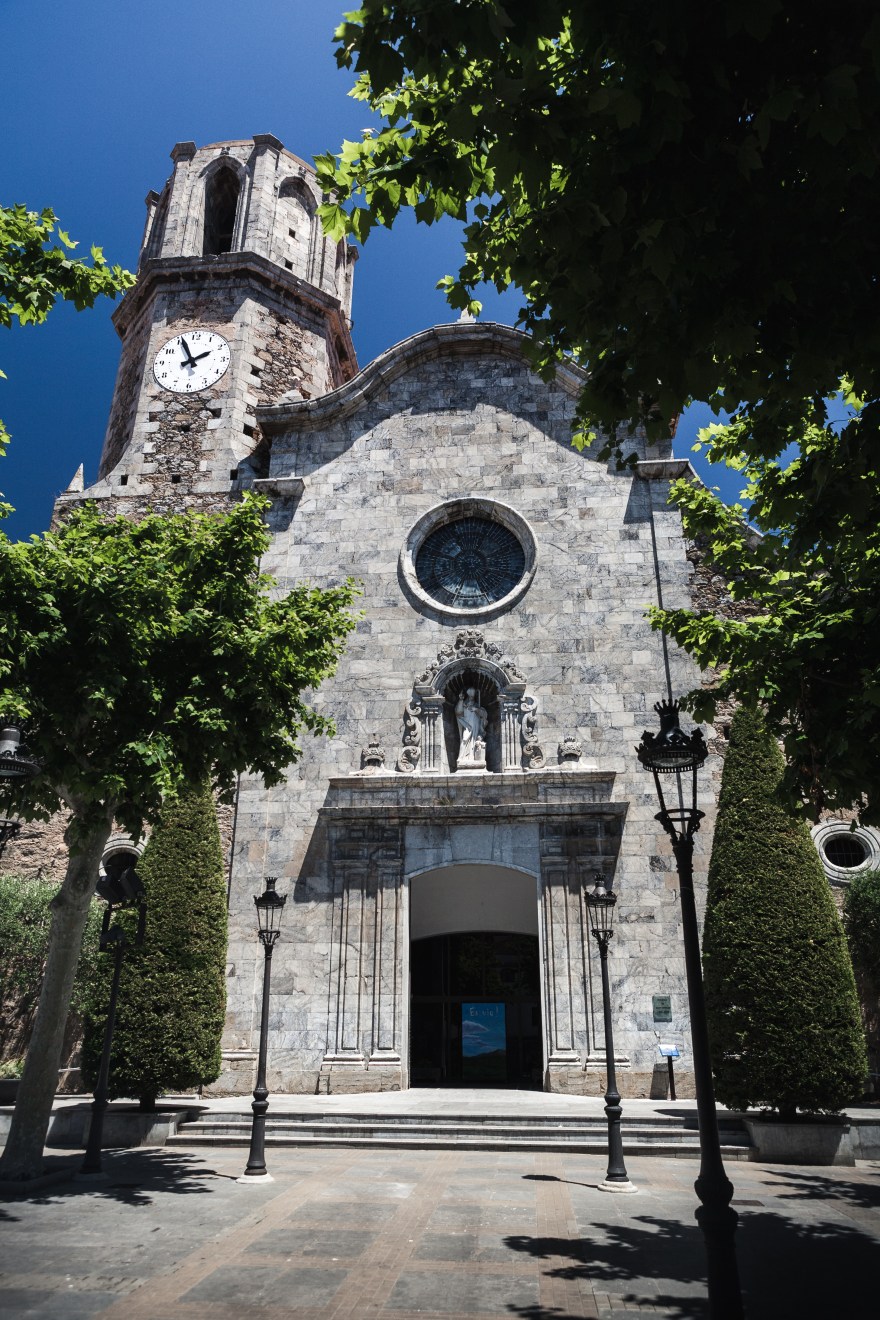
Survivors were eventually picked up by locals from Malgrat de Mar in fishing boats then taken ashore. Many describe the kindness shown to them by the locals who took care of them and their surprise to find out they were in fact, anarchists.
At this time, relations between the communists and the anarchists were fractious following the conflict between the two groups during the ‘May Days’ fighting earlier that same May. Volunteers had been told that should they be discovered by anarchists they would be shot for being aligned with the communists. The reality of how they were treated by the anarchist fishermen and locals of Malgrat de Mar compared to their perceptions demonstrates the turmoil of the political climate within the Republican side of the Spanish Civil War at that time.
After spending a night in Malgrat de Mar and being paid a visit by the Catalonian president, Lluis Companys, who wanted to apologise personally to the volunteers for the manner of their entrance into the war and welcome them. They were then transported to Barcelona under the cover of darkness to avoid being attacked by anarchists in Barcelona.
The volunteers were taken to the Karl Marx barracks where they were organised as a unit. Volunteers were then given the option to go home if they wished. Only one volunteer took the opportunity to do so. From then they were moved to the International Brigade headquarters in Albacete and entered into the fight for Spain.
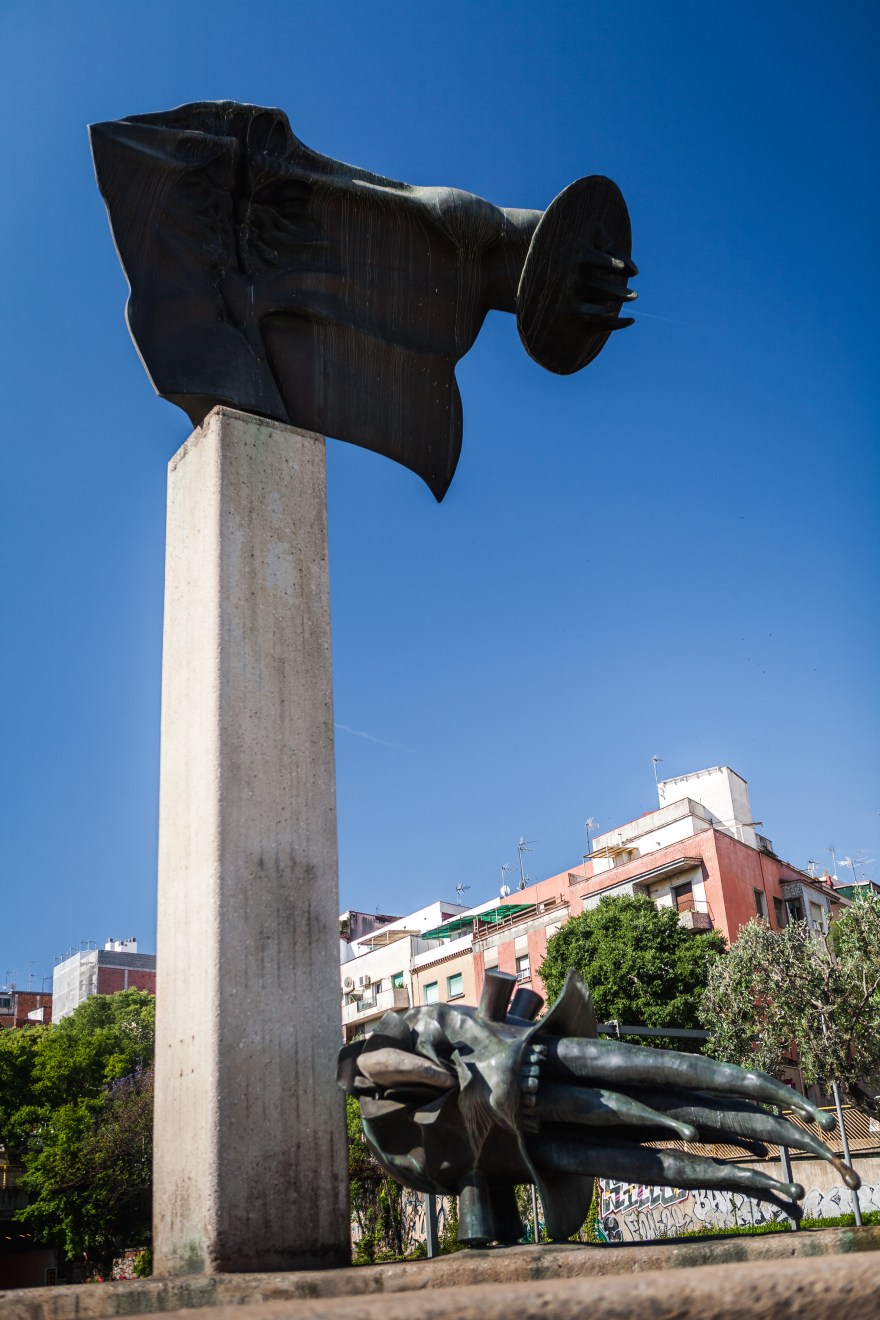
Keep up to date with the Solidarity Park project through their Facebook page.
– Glyn
Some images from Lisbon, Spring 2019.

Spring colour.
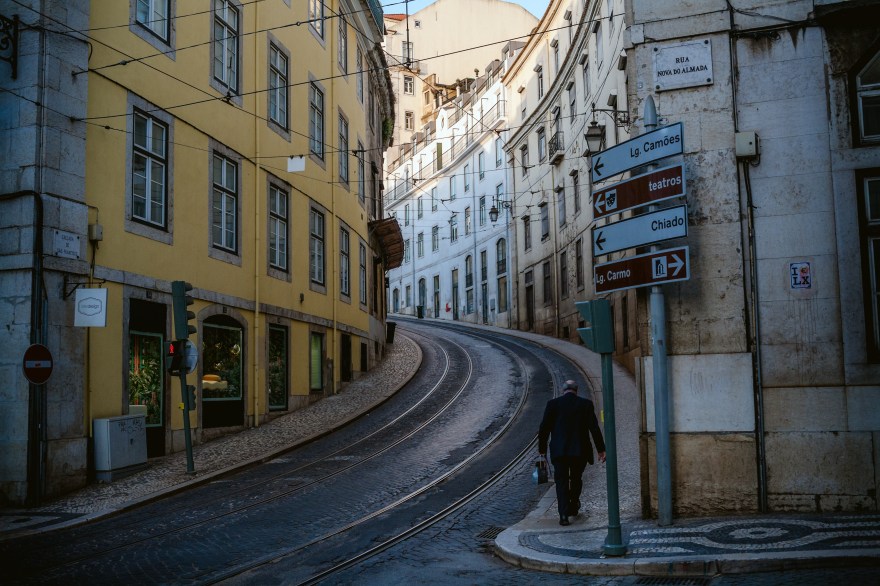
Morning scene.
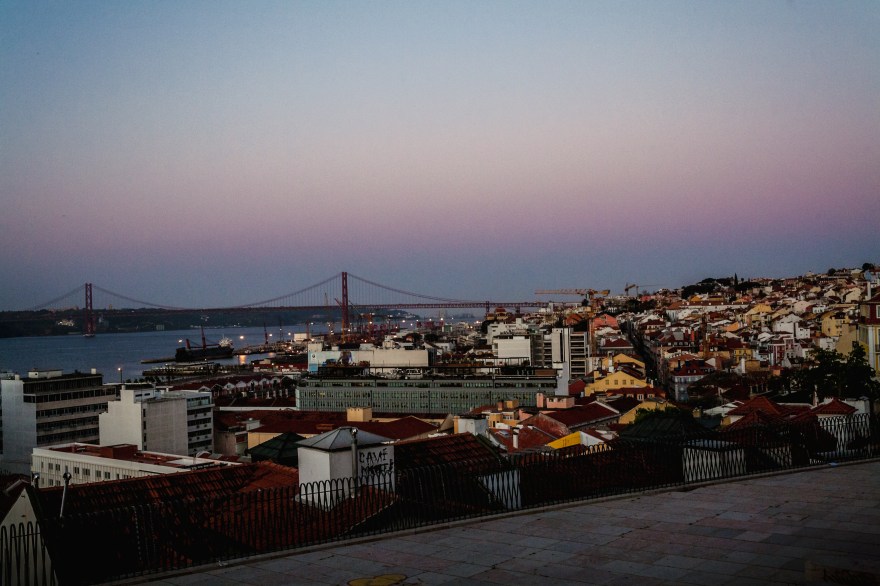
Sunrise, Ponte 25 de Abril.
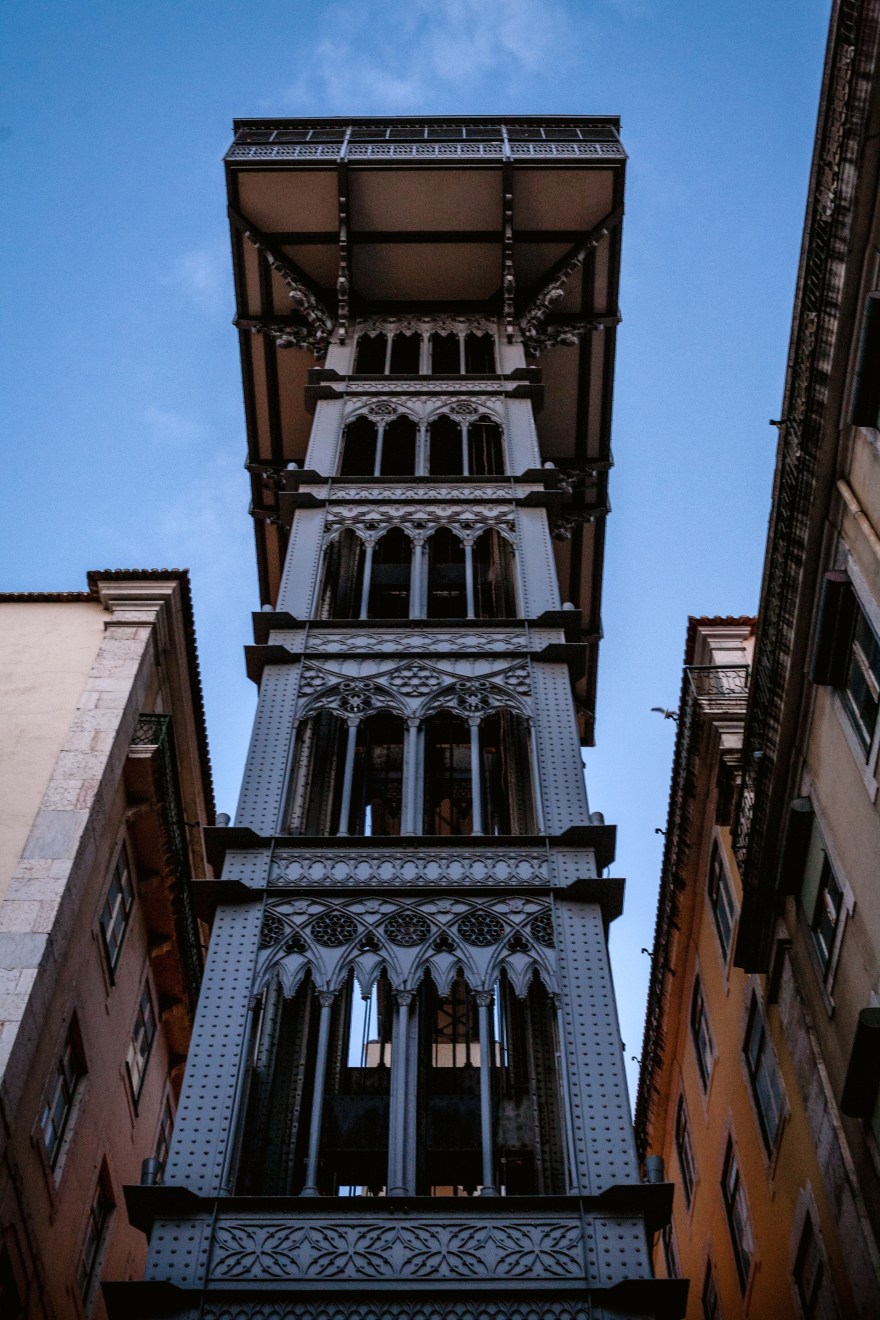
Tourist trap.
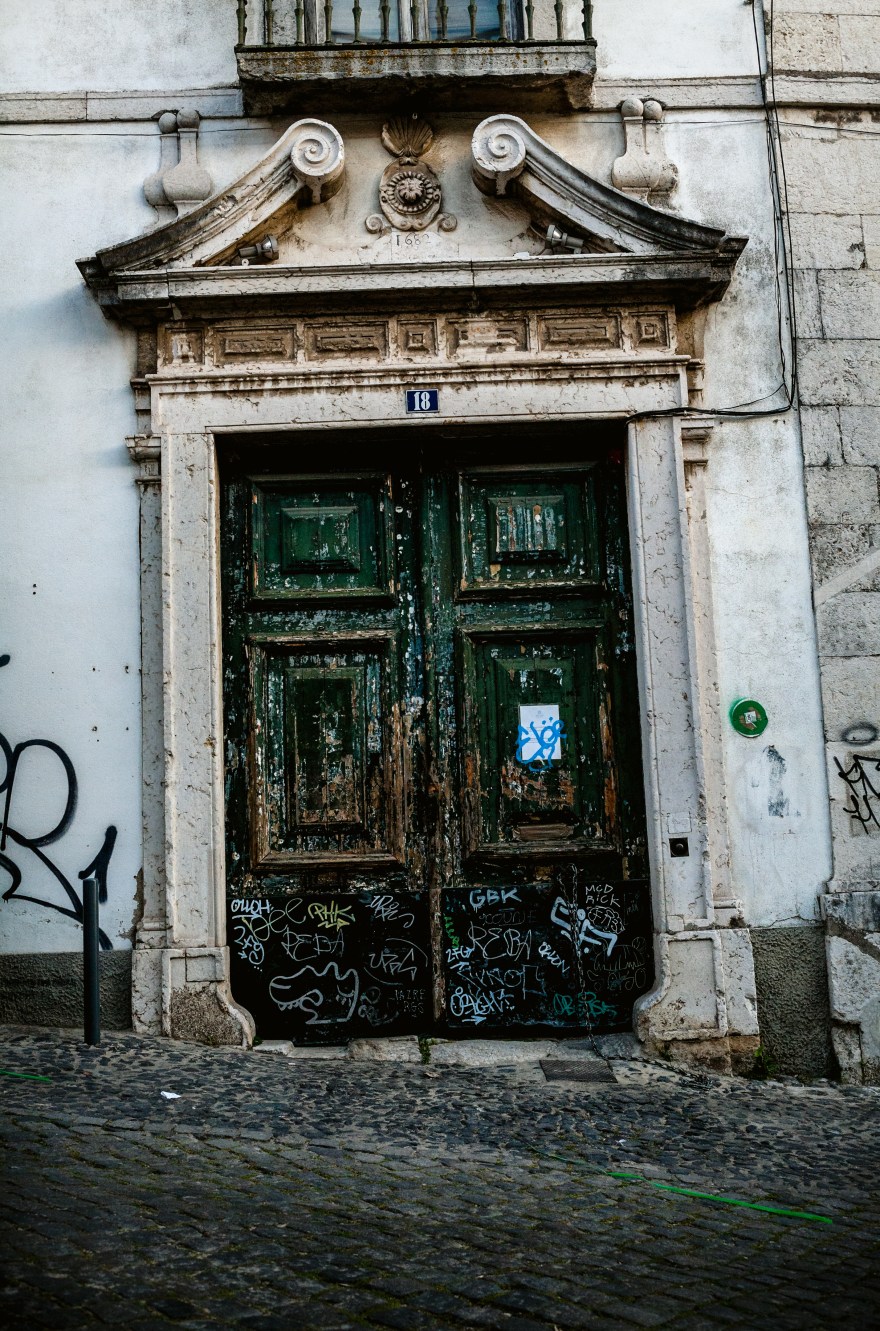
Doorway, Castelo neighbourhood.
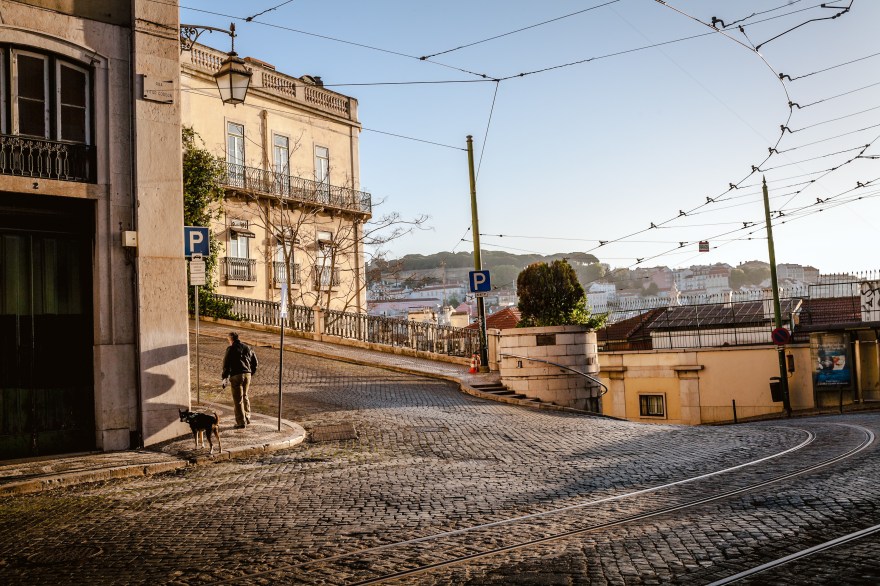
Morning scene.
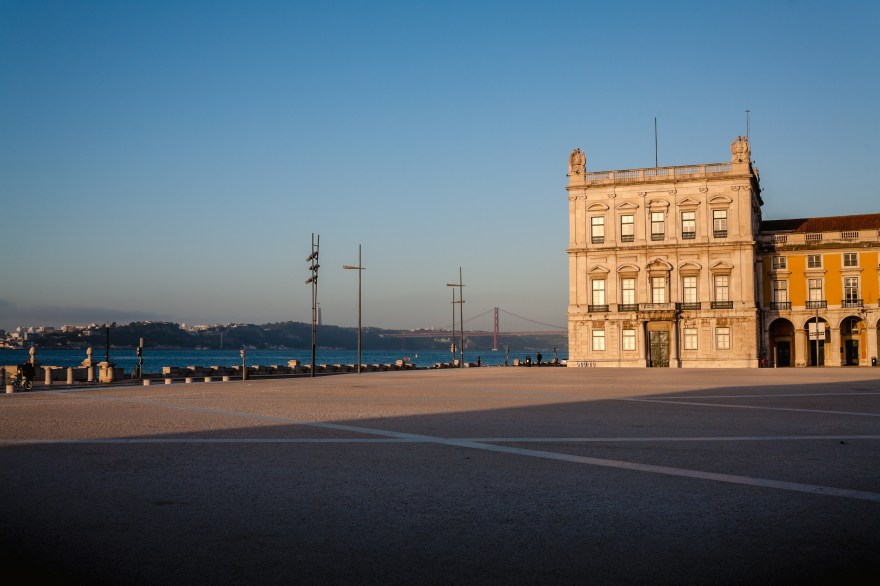
Morning, Terreiro do Paço.
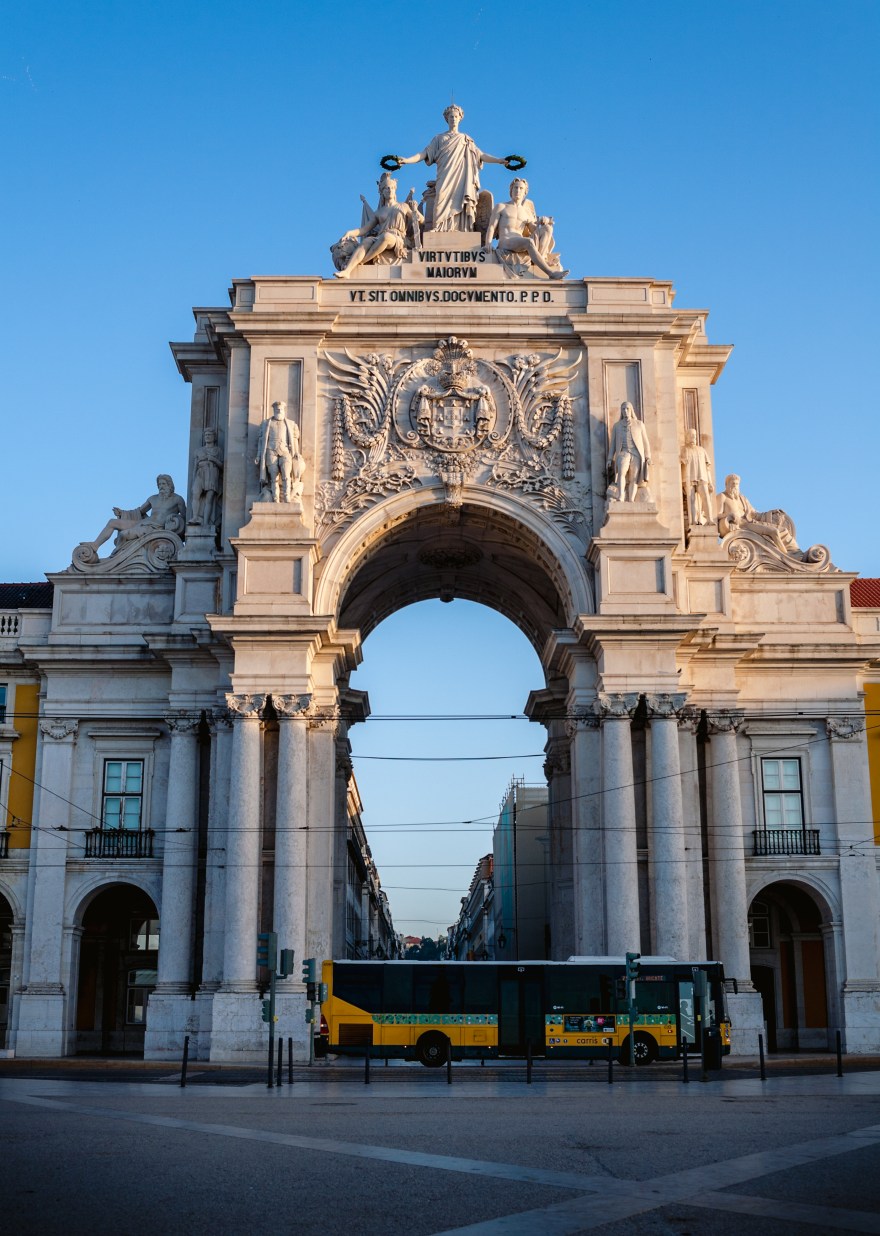
Morning, Arco da Rua Augusta.
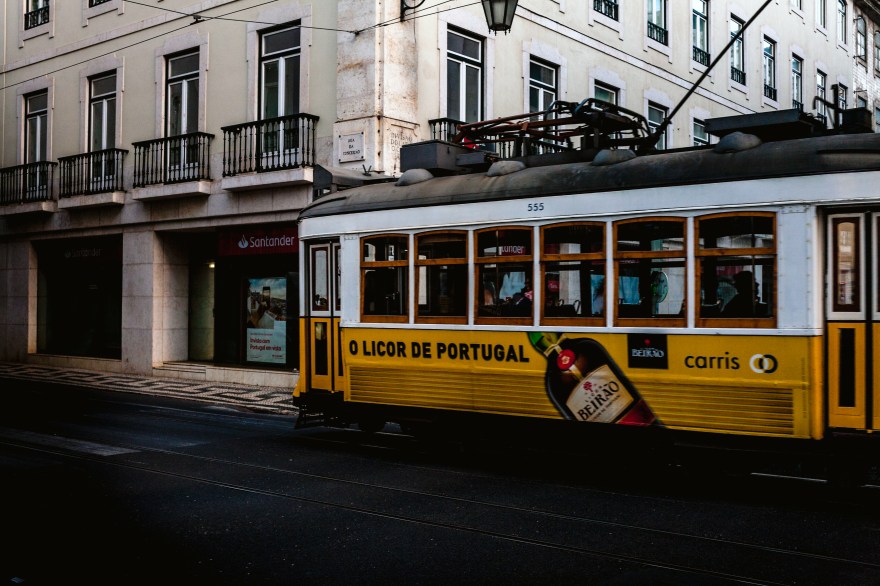
Tram.
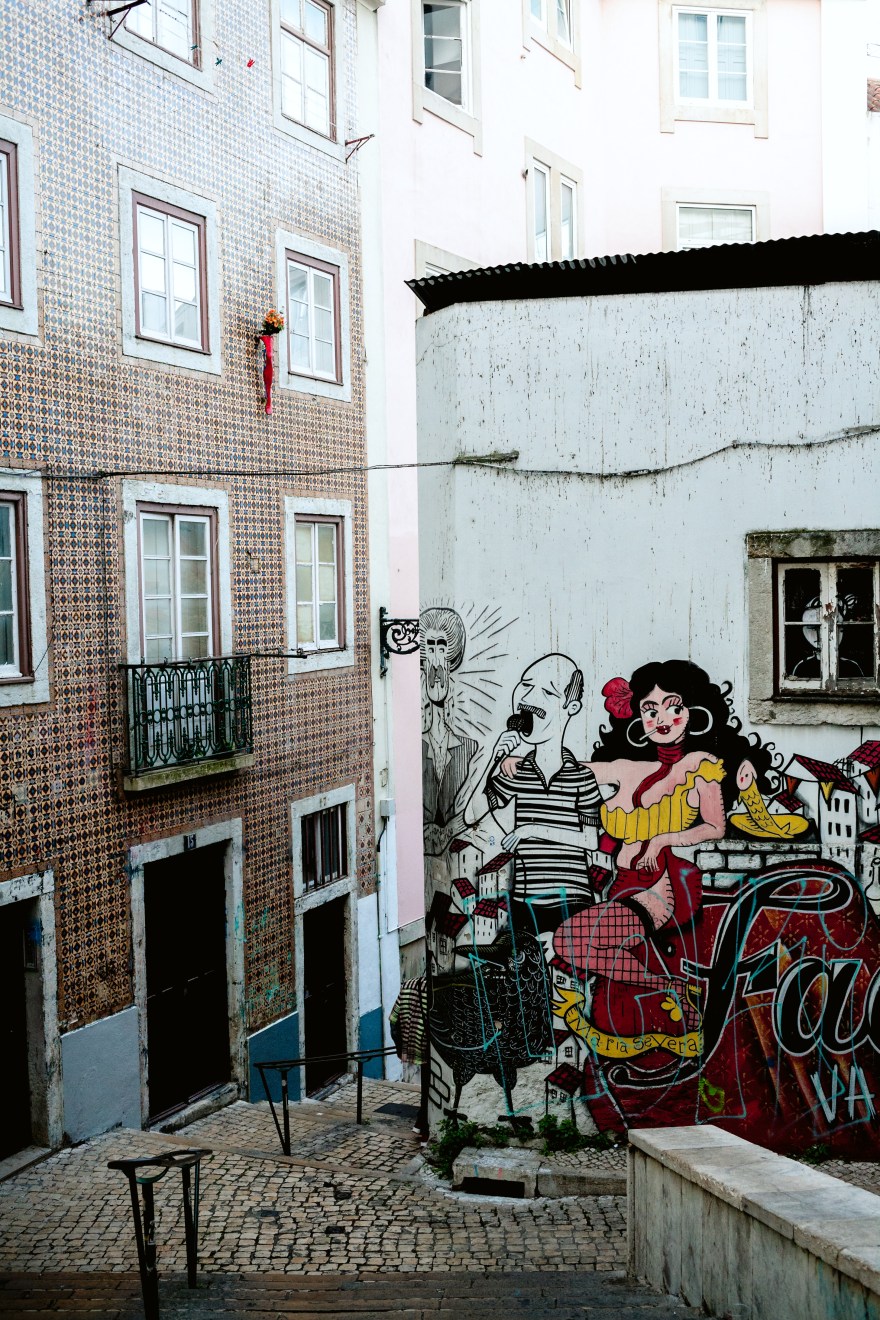
Street art & Fado mural.
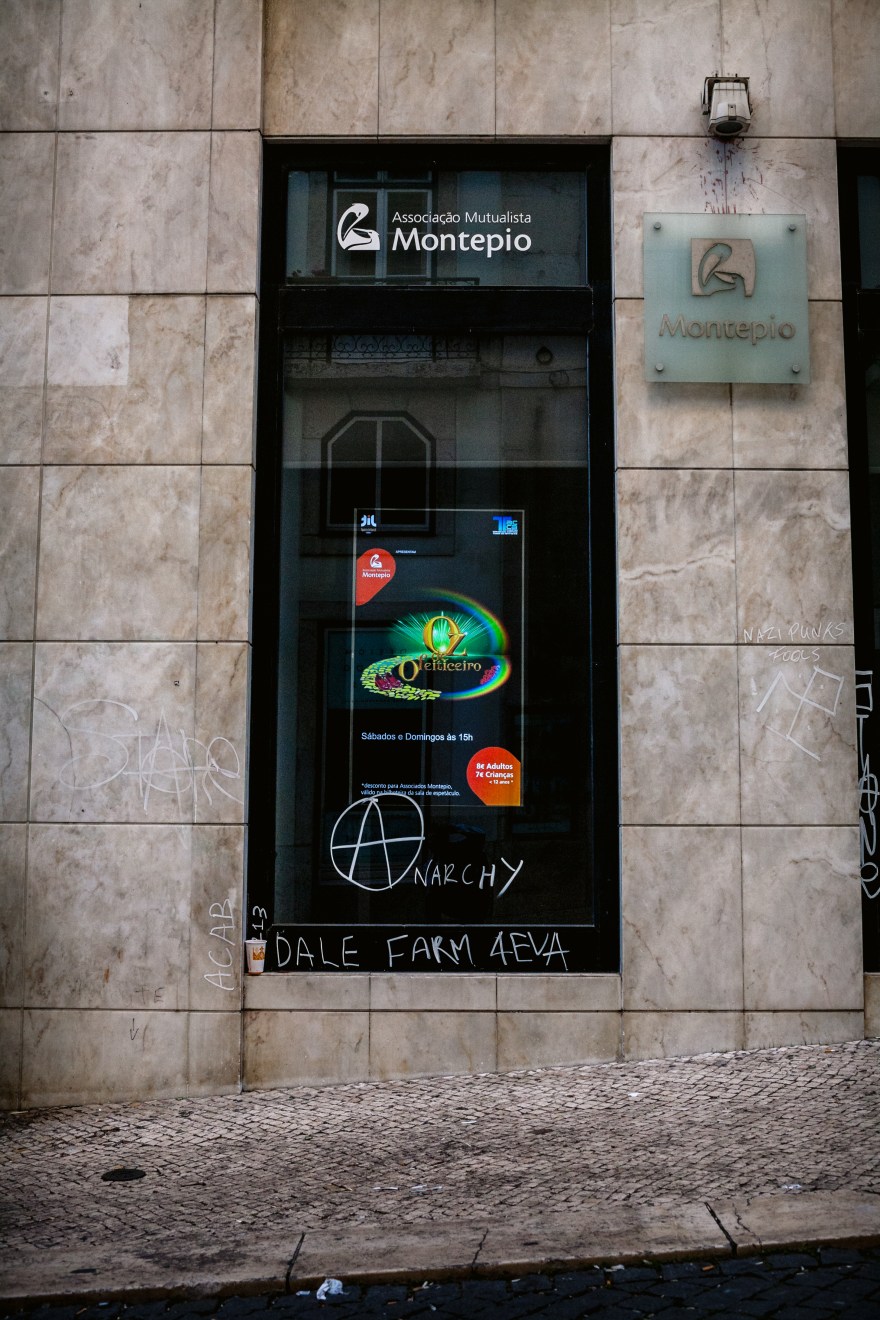
Graffiti left by people who had been staying/busking at this spot on the main shopping drag.

Tram.
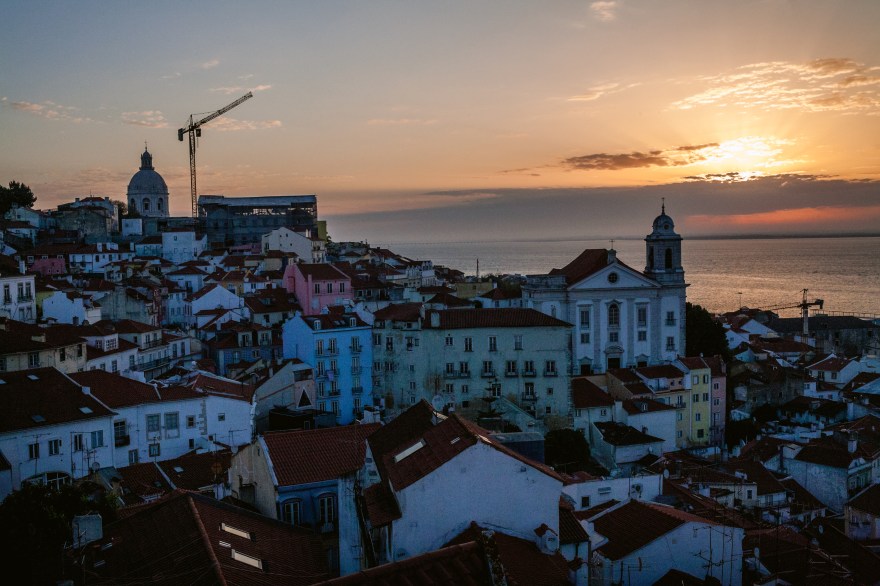
Sunrise over Alfama neighbourhood.
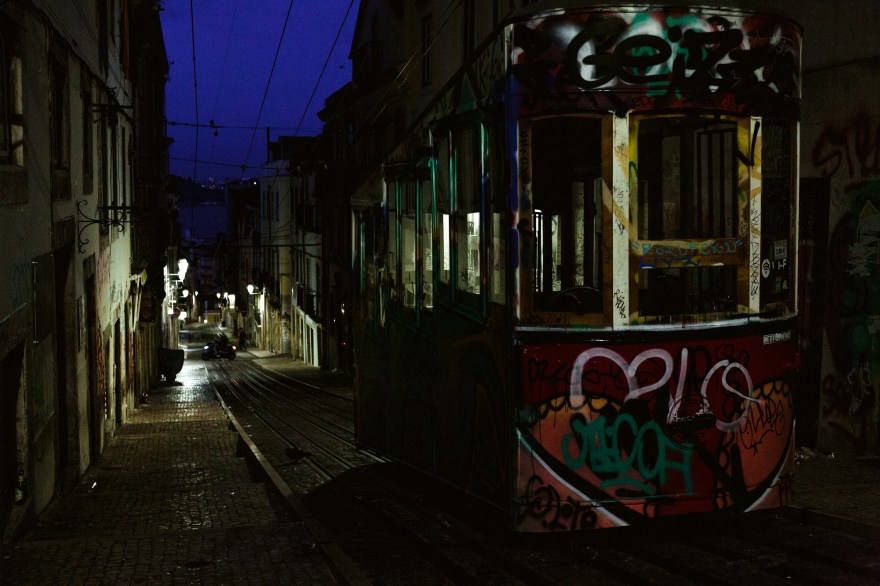
Early morning, Ascensor da Bica.
The revolution that took place across Spain during the opening stages of the Spanish Civil War has fascinated me for some time. Chomsky’s chapter in his well-known treatise ‘On Anarchism’ served a tantalising first glimpse.
The perception of the war today is generally painted as a war between the fascist rebels led by General Franco against the democratically elected Republican government. However, international interests coupled with the fragmentation of the Spanish political structure made for a highly complicated and nuanced conflict.
The scars of war can still be seen while walking the ornate streets of Barcelona in the present day. Contemplating sites where possibly the most significant and enigmatic moments in the history of revolutionary struggle unfolded, was both exhilarating and haunting.
The neighbourhood of El Raval was home for the week — among the skaters and alternative types that inhabit the tall, narrow maze of streets anchored by one of the most well-known skate spots in the world, Barcelona Museum of Contemporary Art (Museu d’Art Contemporani de Barcelona), known as MACBA.


Despite its cool bars, vintage clothes shops, designer outlets, and other signs of gentrification, El Raval still clings to its traditional roots as the heartland of social radicalism in Barcelona. A stone’s throw away from MACBA, large red and black banners can be seen hanging from the Catalonian headquarters of the anarcho-syndicalist trade union, the CNT (Confederación Nacional del Trabajo or National Confederation of Labour), which played a primary role during the revolution of 1936-37.
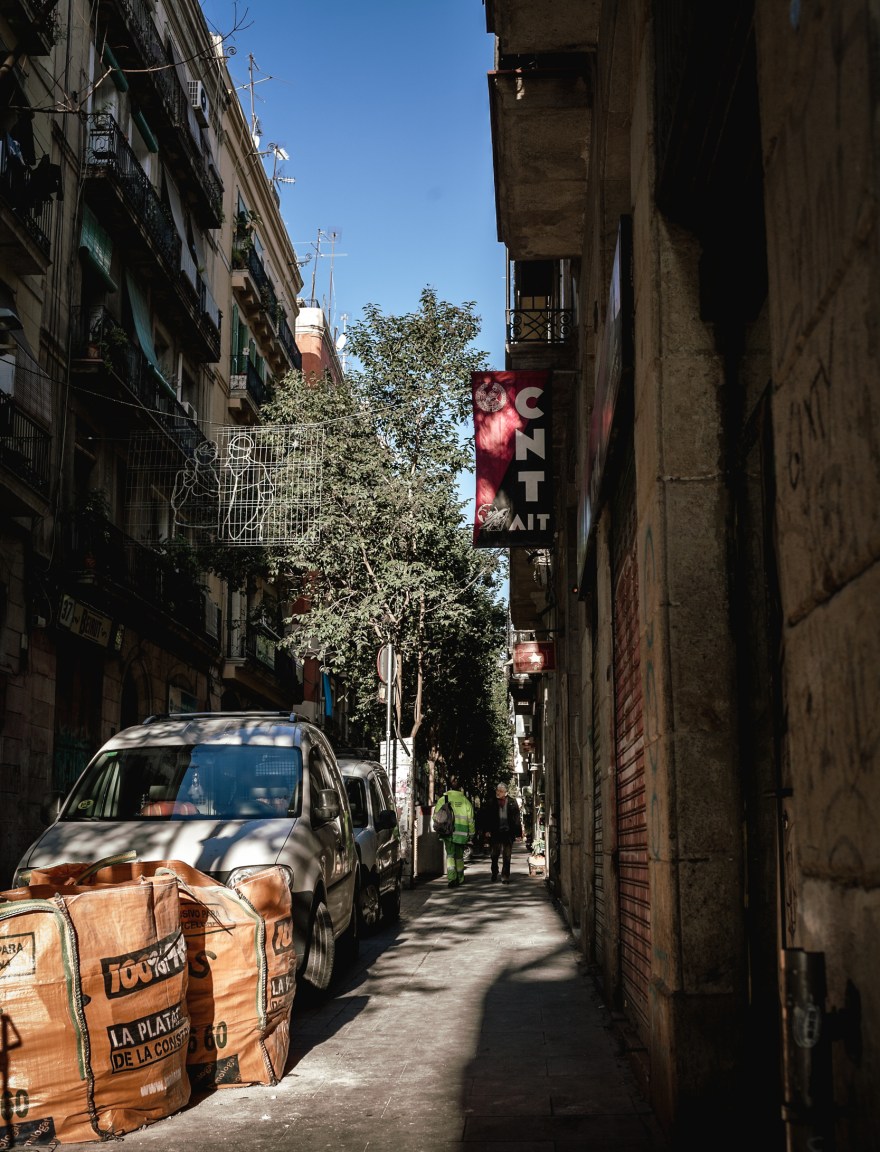
Not far from El Raval lies Plaça de Catalunya, at the head of the iconic boulevard, La Rambla. On 19 July 1936, Plaça de Catalunya became the staging ground for the first major battle of the civil war. At the southeastern perimeter of the square, stands the building that would arguably come to symbolise the beginning and the tragic end of the worker’s revolution in Spain.
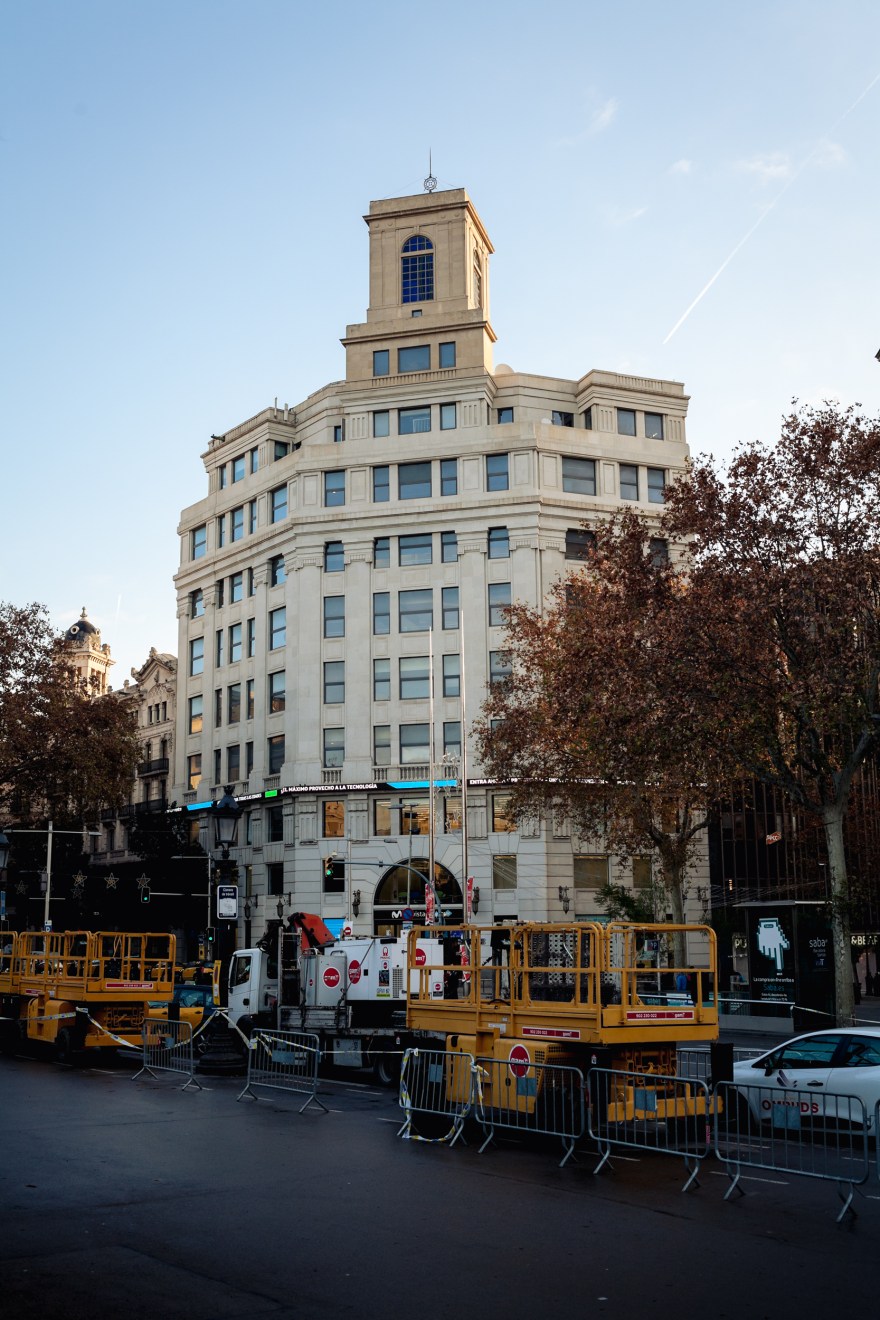
Facing inward onto the square is the Telefónica building. It controlled all communication within Spain, as well as with the rest of the world. The building was initially controlled by rebel soldiers taking part in the coup against the left-wing Republican government. They had been sent into the city with the objective of securing Barcelona’s crucial infrastructural buildings. However, over the course of the day, apart from certain pockets of the city, the rebels were gradually defeated by a somewhat unlikely alliance of armed police and organised workers — largely made up of anarchists and socialists from the worker’s unions. Following the fierce and bloody fighting in Plaça de Catalunya, the CNT took over control and collectivised the Telefónica building, along with the majority of the city’s other industries, as the power of the worker’s unions grew.
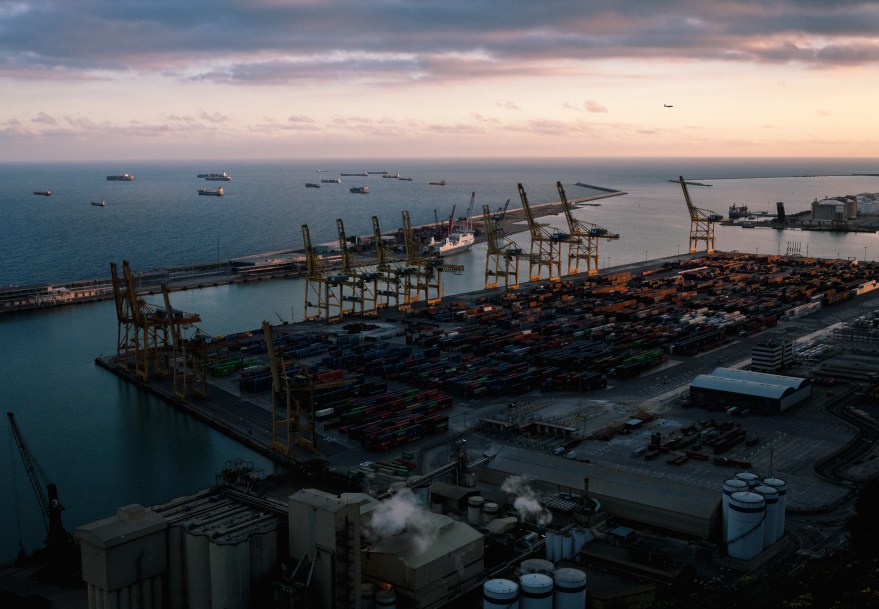
However, worker control was only to last for a matter of months; the Telefónica building taking centre stage in the events that would trigger the end of the revolution in Spain.
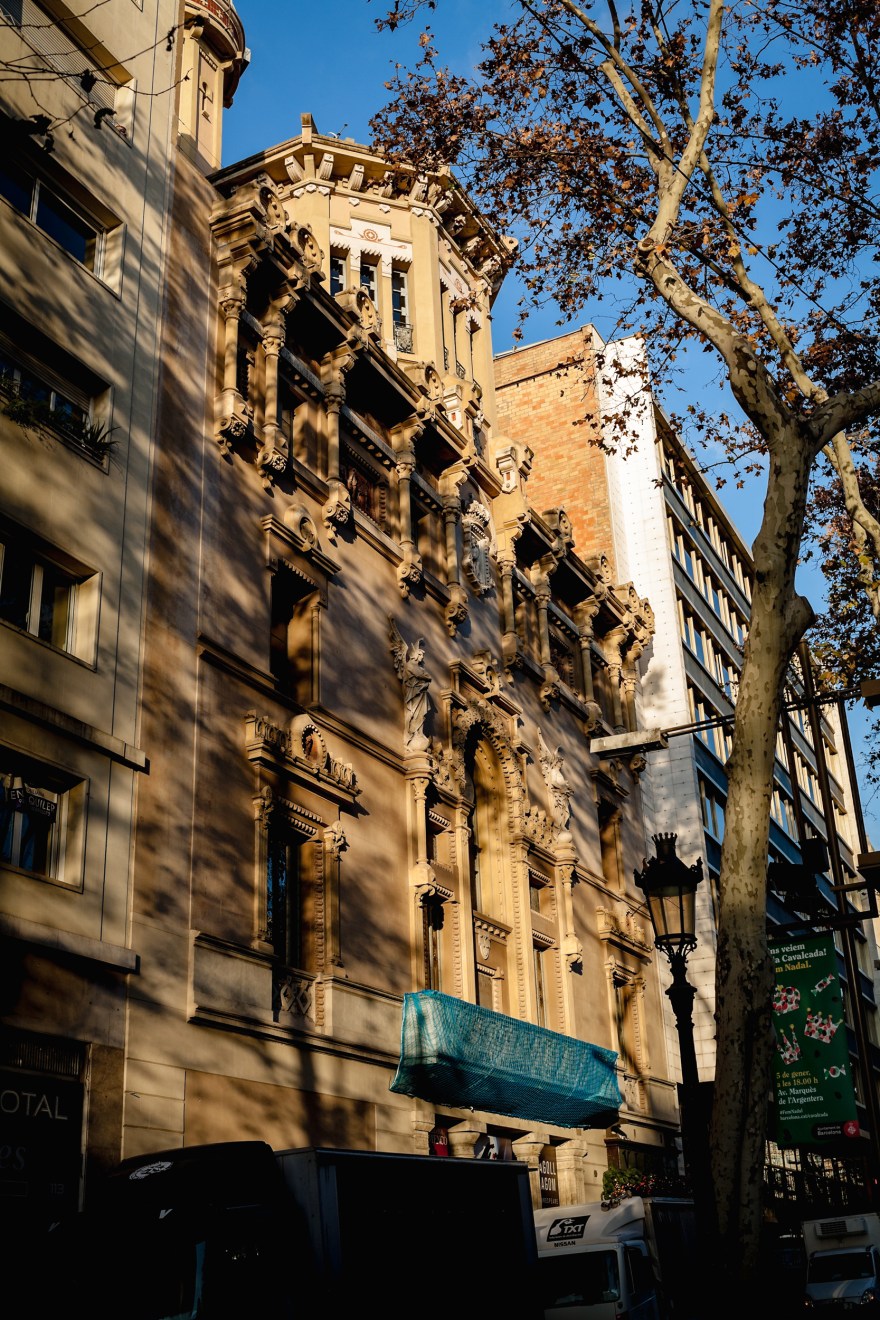
A short walk down La Rambla is Paliorama Theatre, where the author who wrote probably the most famous account of the war, George Orwell, was positioned on the roof as a sniper protecting the POUM headquarters on the opposite side of La Rambla during the infamous infighting between left-wing factions in May 1937. Orwell had joined and fought with the POUM fighting force; a Marxist anti-Stalinist political party that, along with the CNT, advocated for the civil war to be a revolutionary war, which was opposed to by the heavily Soviet-influenced Republican government.
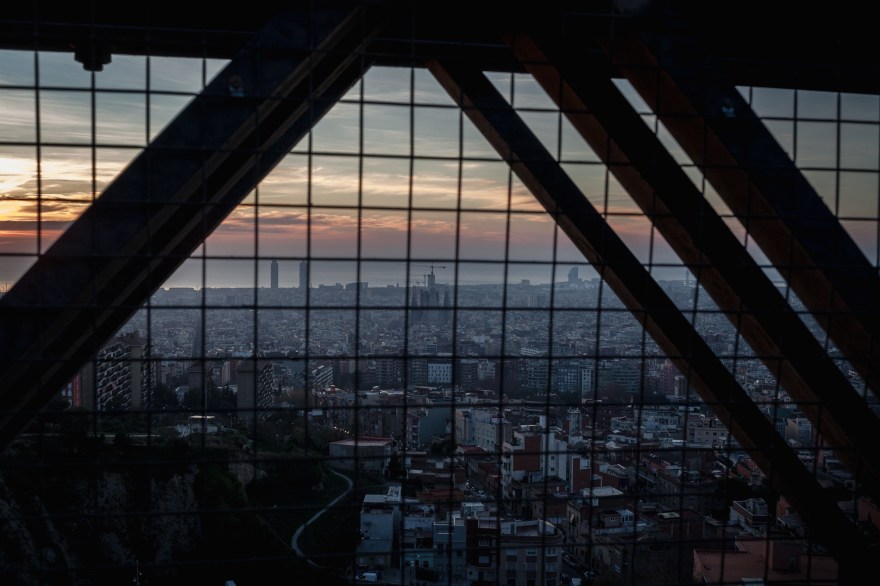
On 3 May 1937, an attempt was made by Republican soldiers, led by a communist minister, to seize back state control over the Telefónica building from the CNT workers. The following day Barcelona’s streets erupted into violent skirmishes across the city in response to the viewed repression of workers by the Republic government. The fighting and various complex political maneuverings that took place over the course of the following week would come to be known as the May Days. These events effectively spelled the end of the revolution, with the anarchist worker’s unions the CNT and FAI eventually ceding power to the state. Once fighting had died down, the POUM was forcefully repressed by the government and Stalinist organisations, leading to Orwell having to flee from the city in fear for his life. The events during the May Days, to this day, remain a source of friction amongst socialists. A complete and total understanding of the exact events amidst the chaos of war is still a matter that is strongly debated.
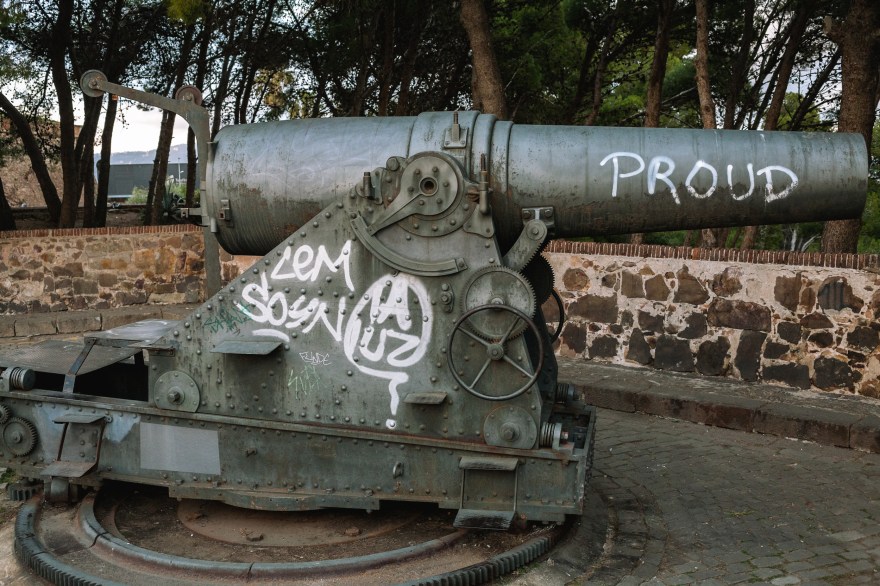
To the south of the city, rising up before the sea, is the large hill Montjuïc. Sitting on top of Montjuïc is an old fortress that saw a great deal of use by all sides during the civil war. The fortress was first taken by soldiers who supported the Republic from a garrison of rebel soldiers stationed there. Anti-aircraft guns were soon installed in an attempt to protect the city from aerial bombings.
Following the May Days fighting, many POUM members and anarchists were imprisoned in the fortress and only released moments before Barcelona was captured by General Franco’s rebel forces, at the closing stages of the civil war.
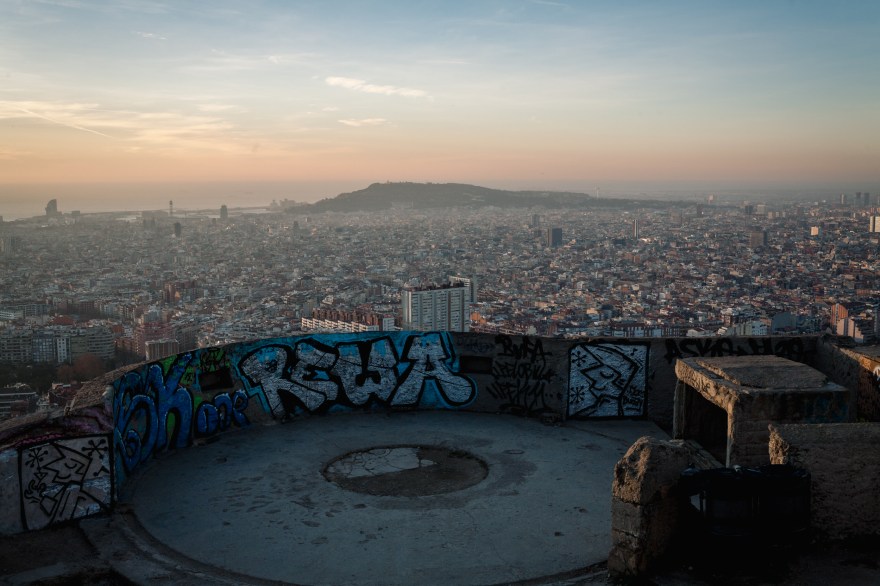
In the north of the city, in the district of Horta-Guinardó, is the steep hill of Turó de la Rovira. It is at this site that the Republic built its main defences against aerial attack from German and Italian bomber planes, supplied by Hitler and Mussolini.
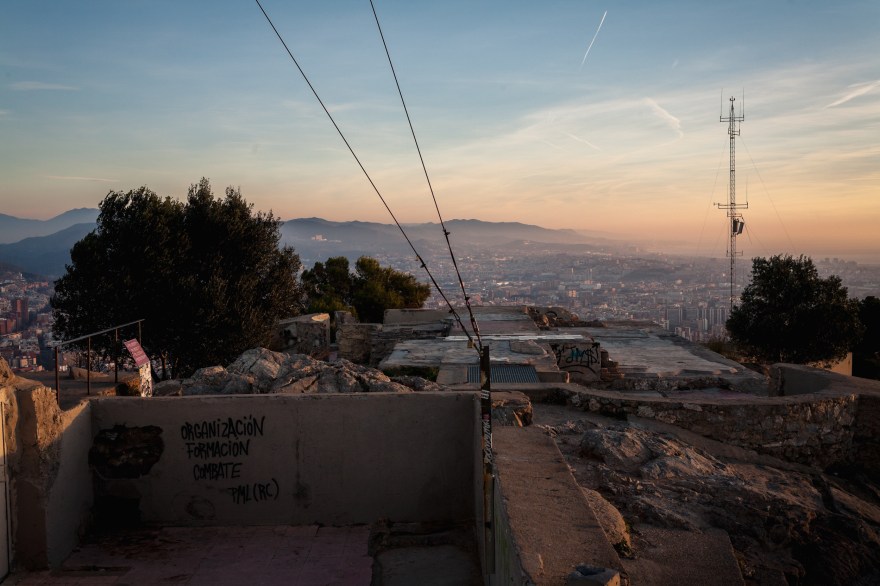
During the course of the war, Barcelona was systematically attacked by air, killing close to 3,000 people and injuring many more thousands in what was the first large-scale bombardments of a city in history, and a precursor to the atrocities committed against civilians during WW2.
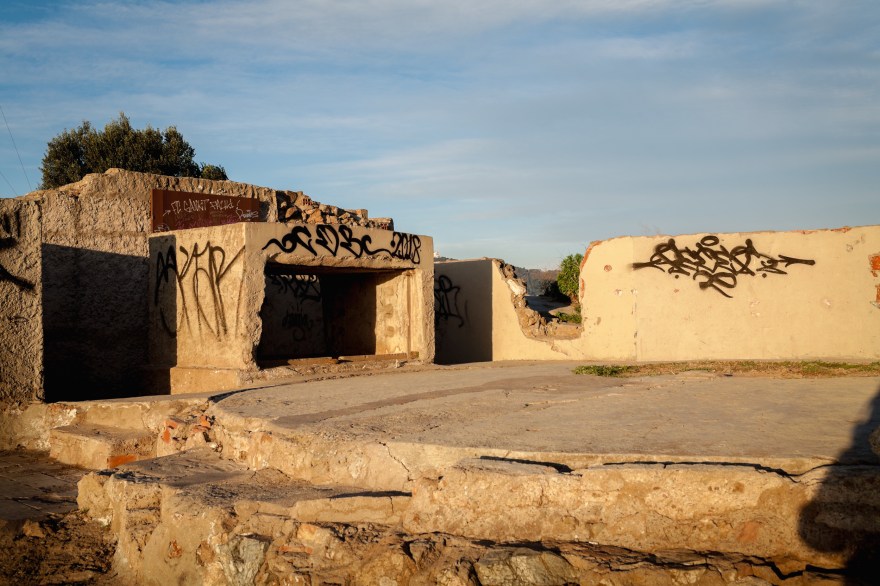
Today the bunkers serve as a museum and as a monument to the events of the war, as well as offering spectacular panoramic views over Barcelona towards the foothills of the Pyrenees.
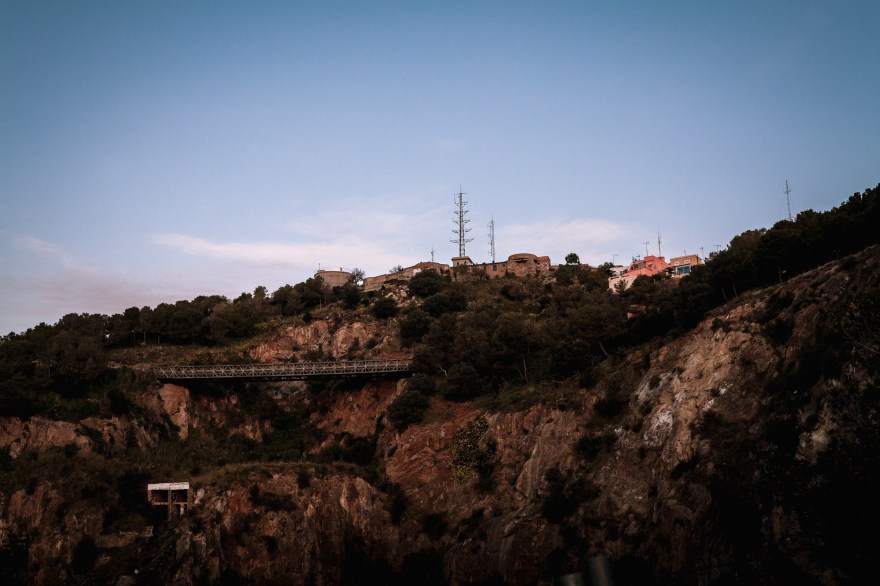
The anti-air defences were eventually destroyed in late January 1939 by the Republican troops as they retreated from General Franco’s army entering the city, in what was then an inevitable defeat for the Republic.
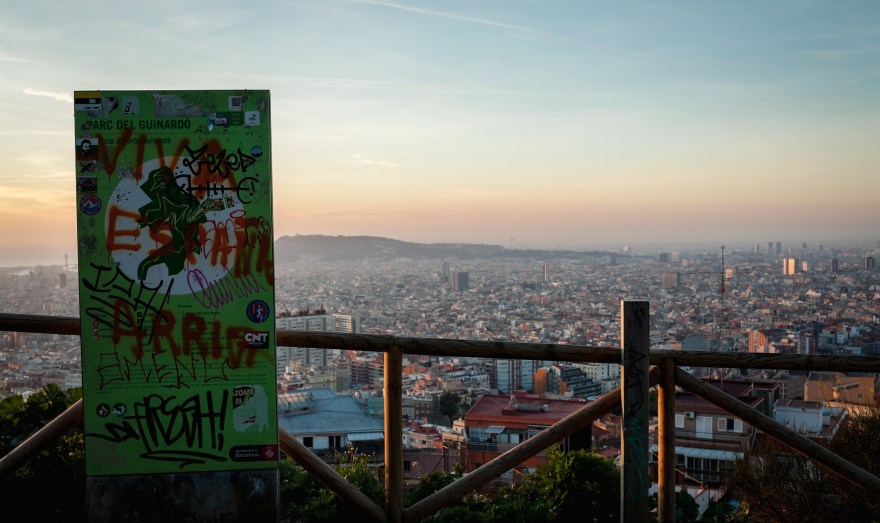
However, prior to the fall of Barcelona, the defences of Turó de la Rovira served a crucial role in protecting the skies over the city, when, at the end of October 1938, the Republic deployed the majority of its meager force of fighter aircraft during the farewell parade to the thousands of international volunteers who fought on the side of the Republic. The International Brigades had been pulled from the front at the end of September 1938 in order to be sent back to their respective countries in an effort by the Republic government to appease France and Britain, in what was a final desperate act to gain support to prevent the Republic’s imminent, and almost certain, defeat.
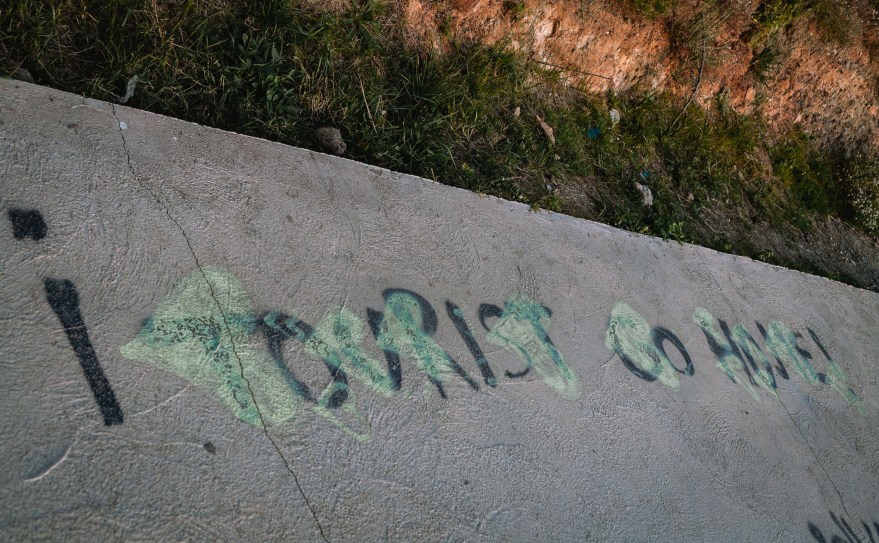
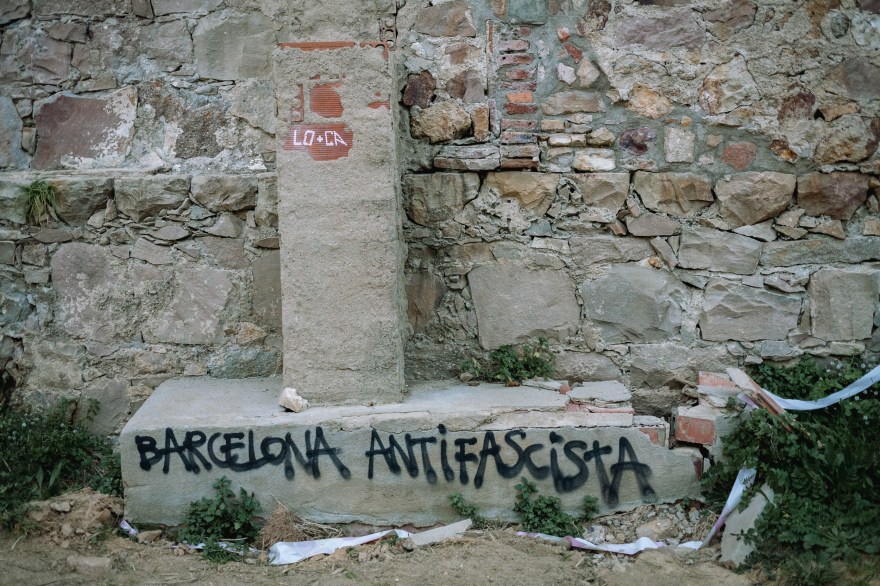
On the way to Bunkers del Carmel, I came across anti-tourist graffiti covering the path to the summit of the hill. Sadly, these former defences, which had once protected the International Brigades, while the whole of Barcelona turned out to praise the efforts of the anti-fascist internationalist, were now an opportunity to showcase locals’ anger towards tourists. Ironically, in the same area of the city, not too far from Turó de la Rovira, stands the monument to those foreign volunteers who were willing to give their lives to protect Spain, and humanity, from the looming threat of fascism.
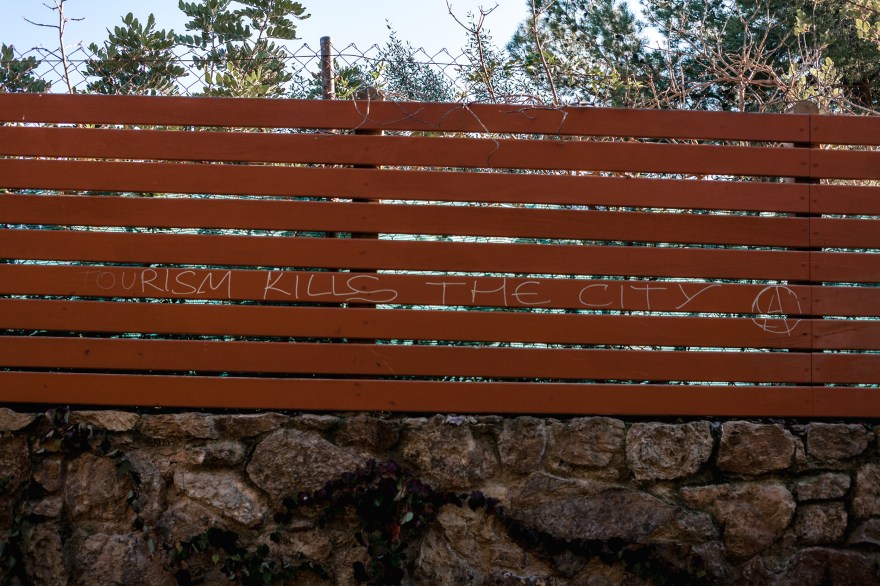
Similar messages expressing animosity towards tourism are prevalent all over the city, especially the sightseeing hotspots. Unfortunately, over the past several years, tourism in Barcelona has skyrocketed. So much so, that the burgeoning industry surrounding tourism is causing havoc for the lives of locals. I briefly witnessed Barcelona’s infamous overcrowding on New Year’s Eve, while swarms of people converged for the night’s celebrations. After a short bit of jostling through the densely packed hordes, I decided to celebrate elsewhere.
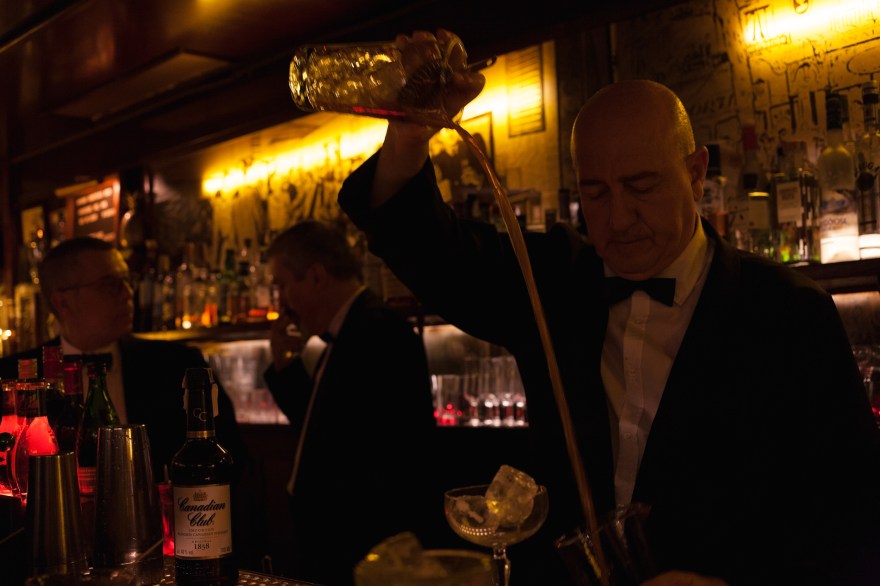
The favourite haunt to unwind at on the way home after a day of exploring was Barcelona’s first and oldest surviving cocktail bar, Boadas. It sits just off La Rambla on the fringes of El Raval, opening three years before the outset of the war in 1933. Beyond the bar’s low-key exterior the small, dimly-lit Art Deco room, where suited barmen stand ready to throw together a stiff cocktail amidst a background of dulcet jazz, creates a hazy, boozy atmosphere, transporting you back to Barcelona’s pre-war heyday. At that time, famous intellectuals and artists such as Miró and Picasso would frequent the bar. Though its most known patron — and likely its most indulgent — was another author who wrote on the Spanish Civil War: Ernest Hemingway.
While taking Hemingway’s advice and opting for the daiquiri, I dwelt on Barcelona’s problem of excessive tourism. This city, which had once so vehemently celebrated the international solidarity shown by the International Brigades, was now being plundered by a tourism industry that is quickly bringing it to its knees. Thoughts of Marxist theories on the contradictions of capitalism, and some vague notion of a correlation between the situation and the decline of left-wing politics in the face of rising right-wing nationalism steadily eroded with the second round of drinks, as the subtle haze took hold.
End.
Glyn Owen
I would like to thank Nick Lloyd whose insights hugely informed my research into Barcelona during the Spanish Civil War. If you would like a more in-depth explanation of the topics and places discussed in this post then I would highly recommend his book: ‘Forgotten Places – Barcelona and the Spanish Civil War‘.
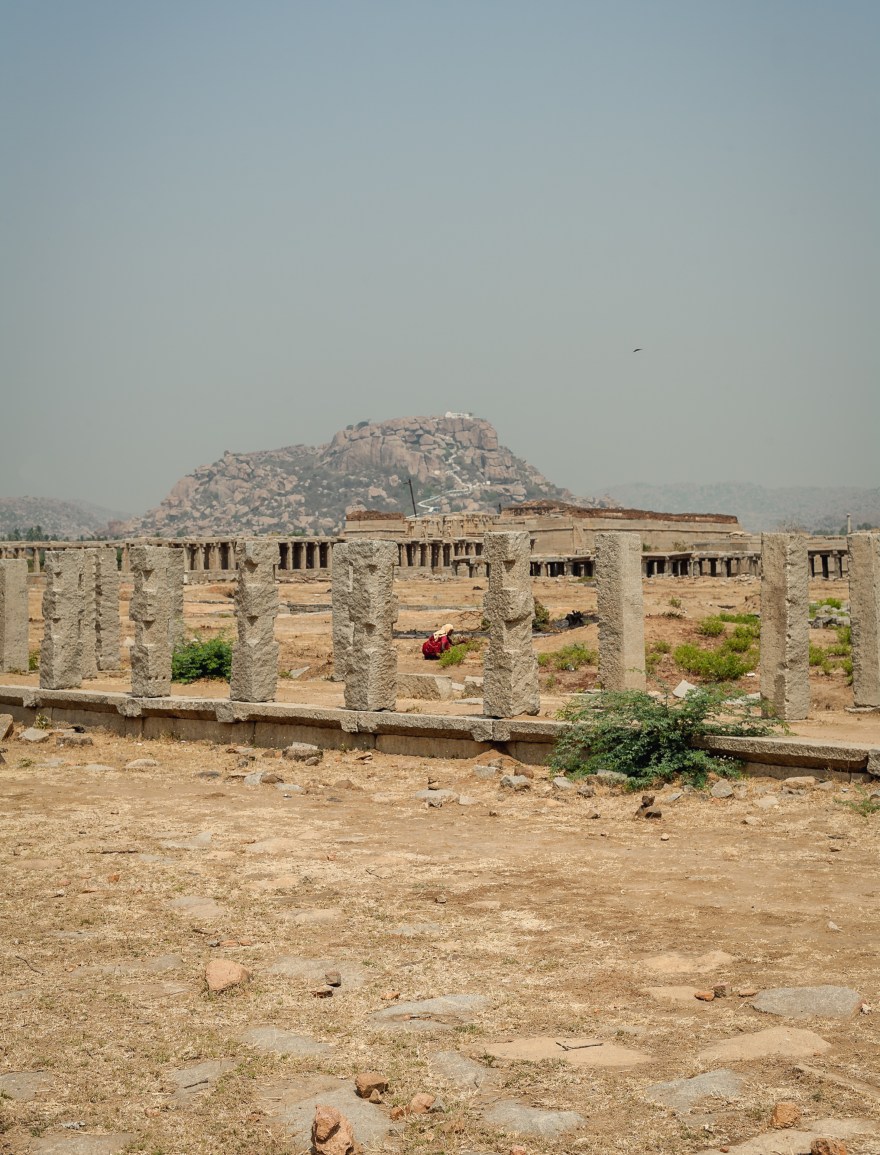
These are a selection of images documenting my travels across India. From the Himalayan foothills of the north-west state of Uttarakhand to the Goan beaches on the Arabian ocean – spanning mountain, desert, waterways, jungle and city.
Between shooting the shit with the most immediately located chaiwala, smoking 10p cigarettes, hunting down decent chess players and contemplating radical politics, this is what I saw.
“Very hot today, sir…”
“Yes – very hot. Good chai today, thank you.”
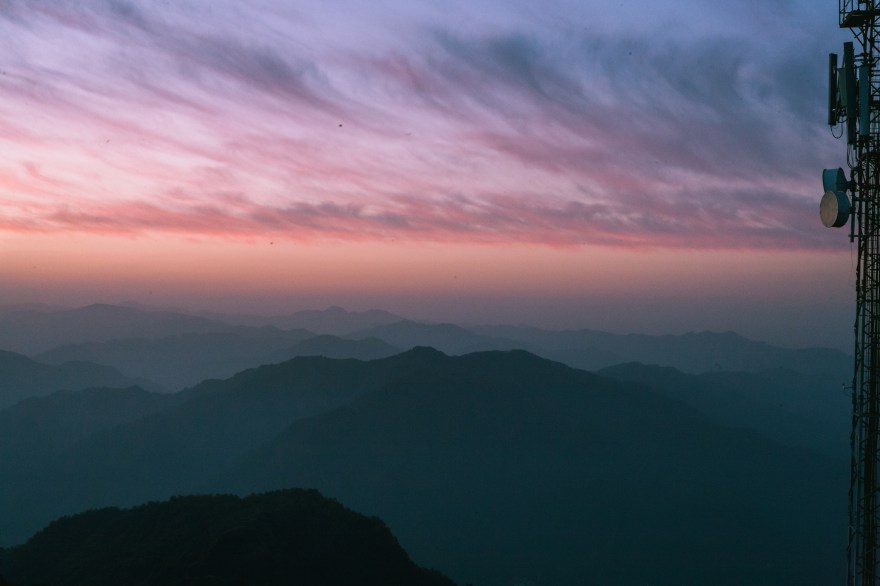
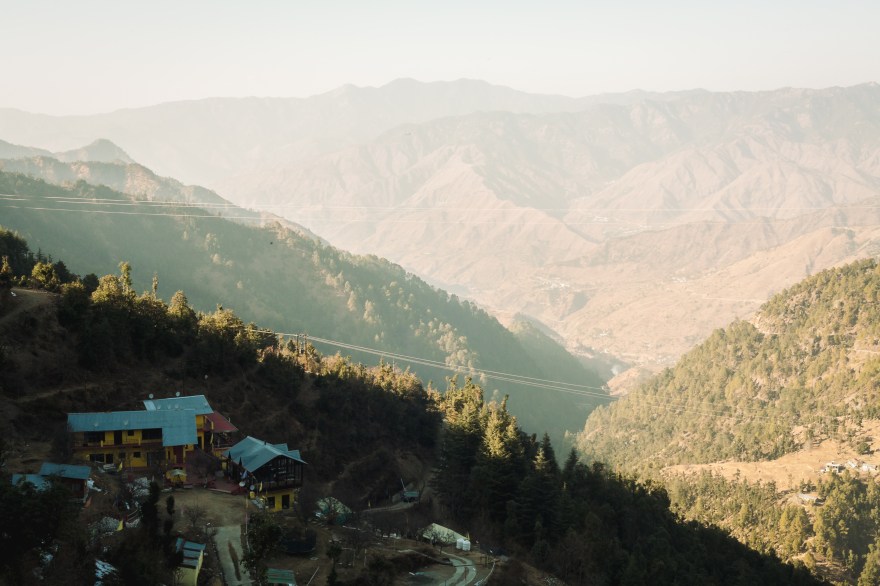

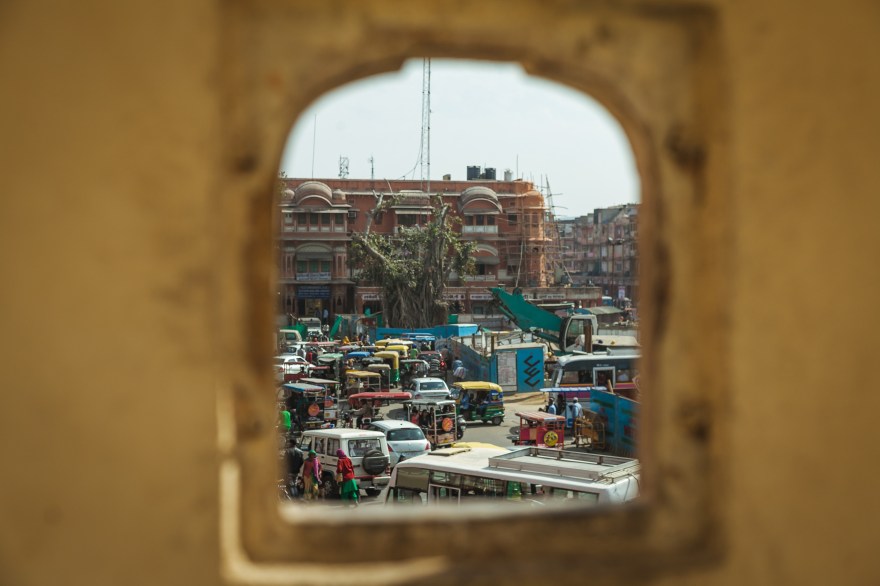
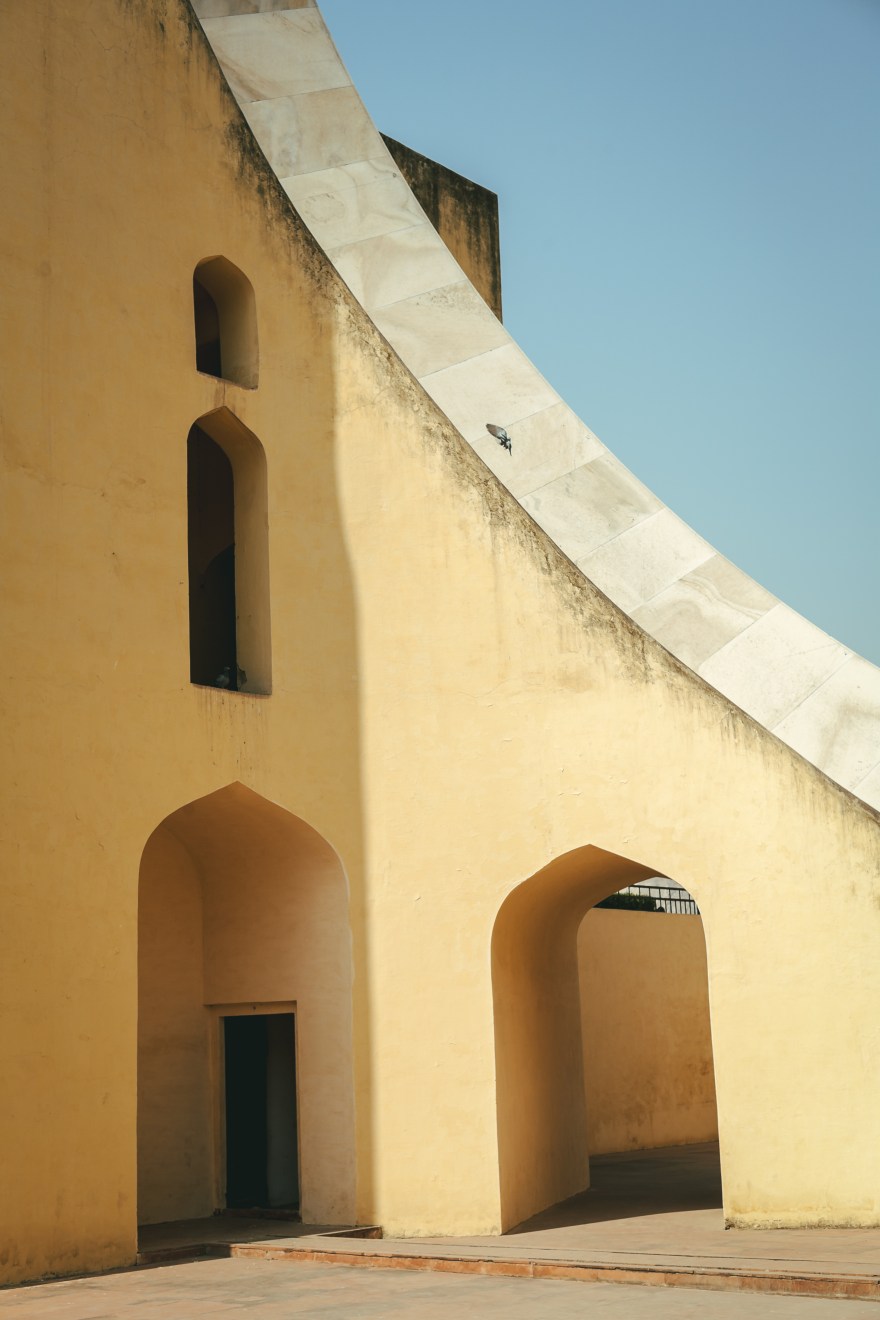
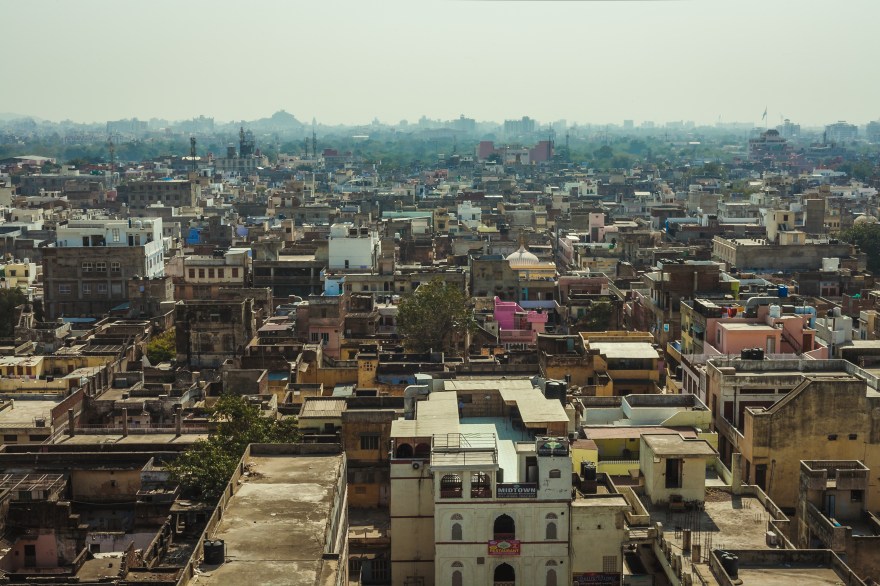
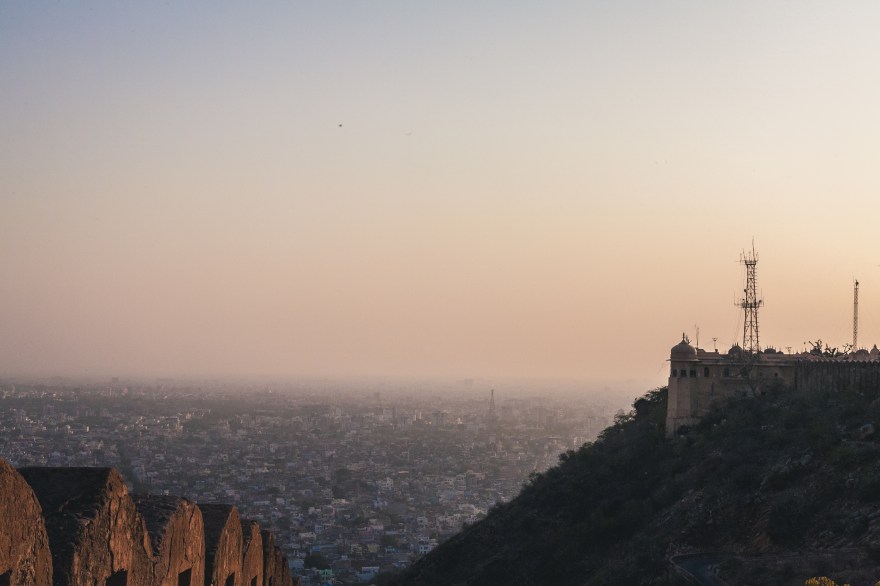

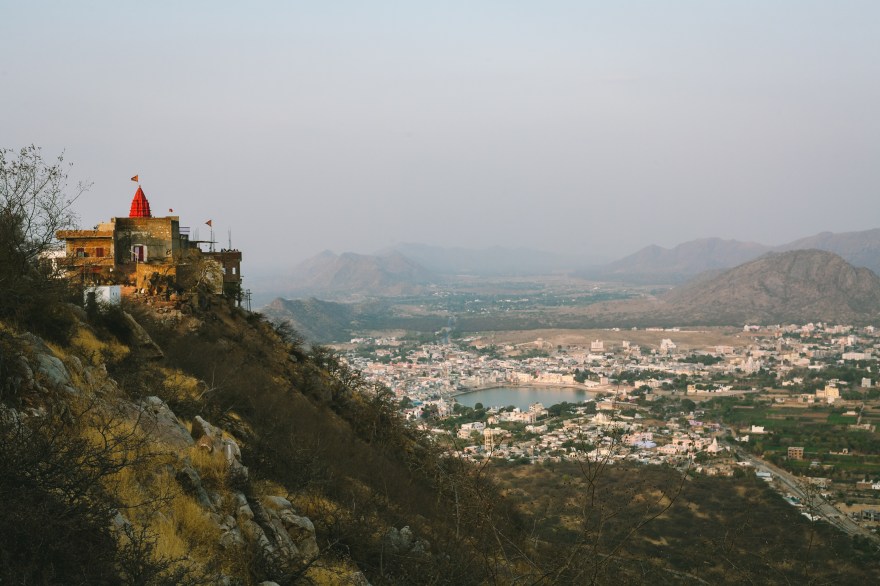
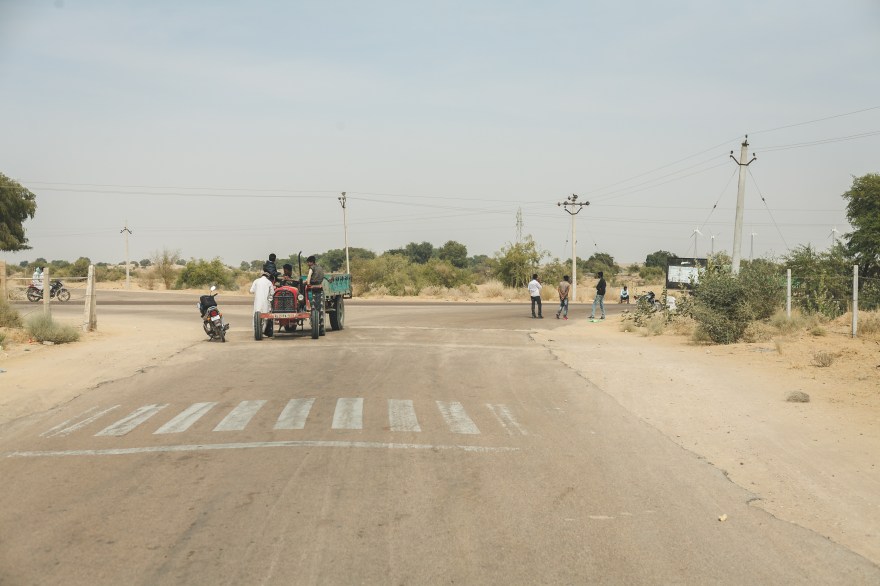


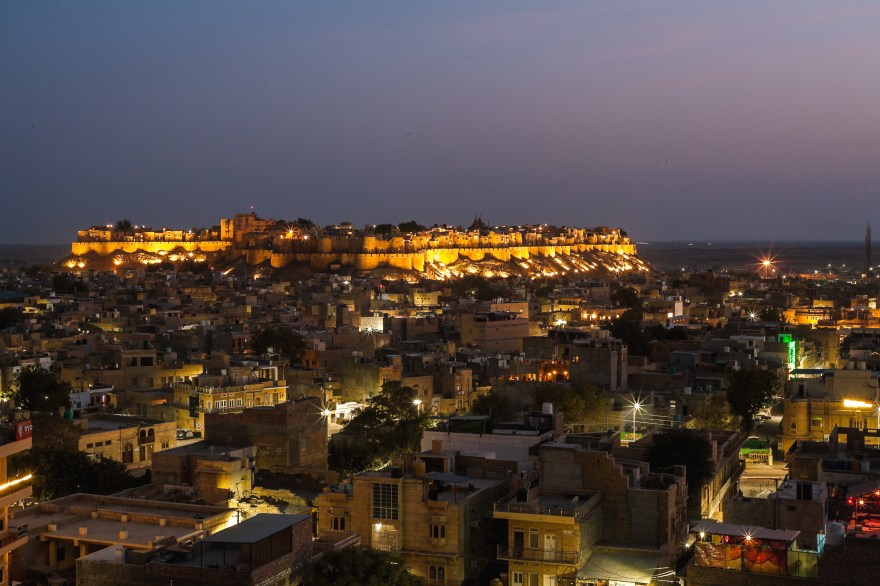
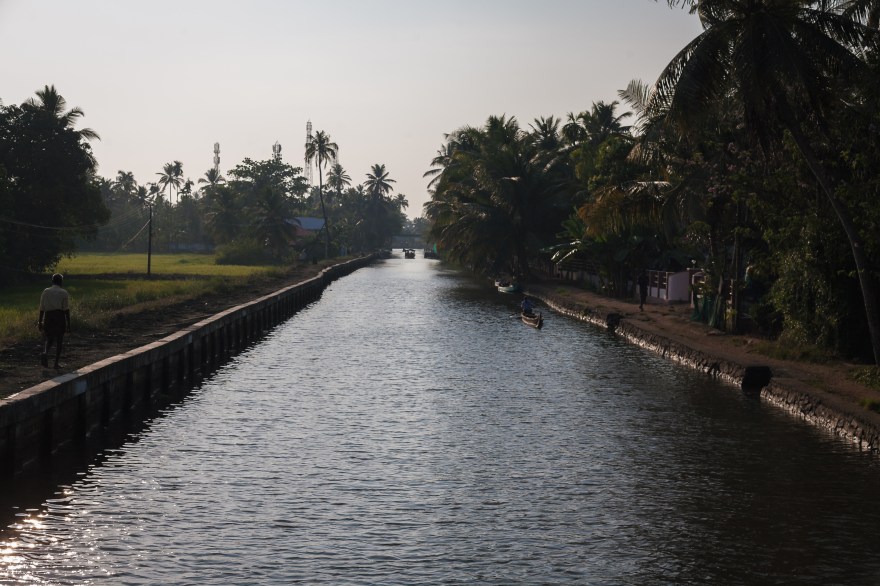
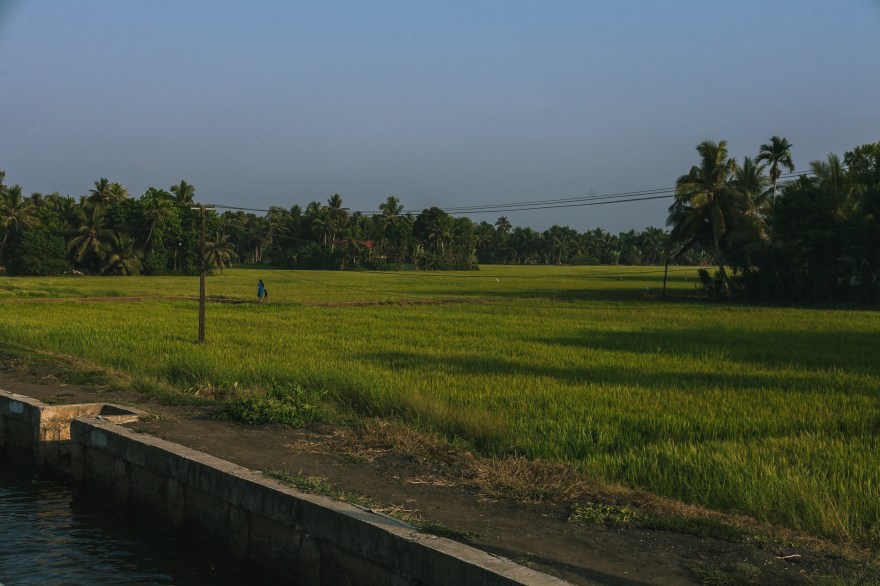
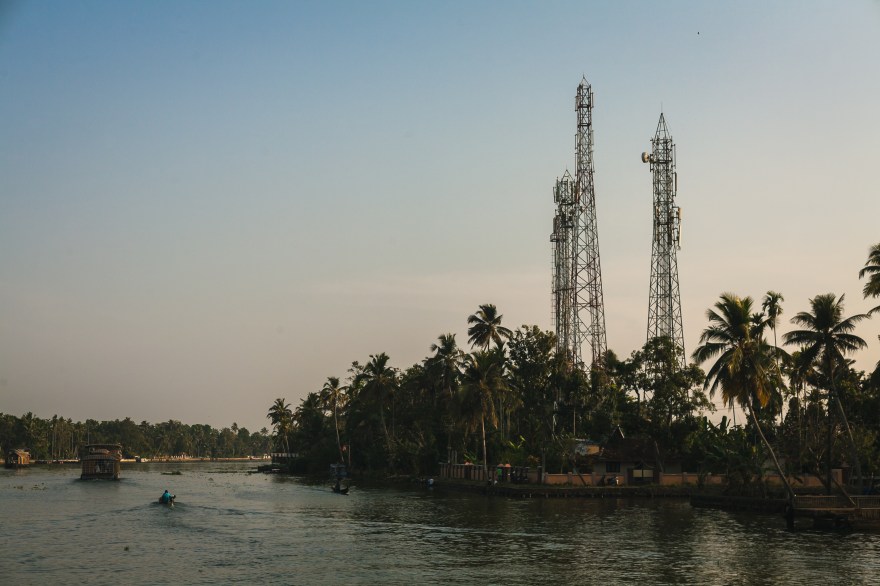

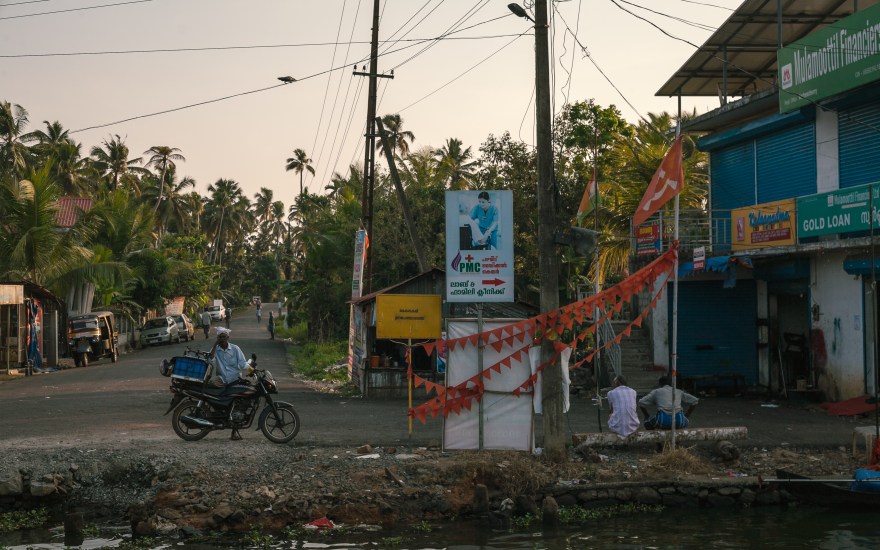
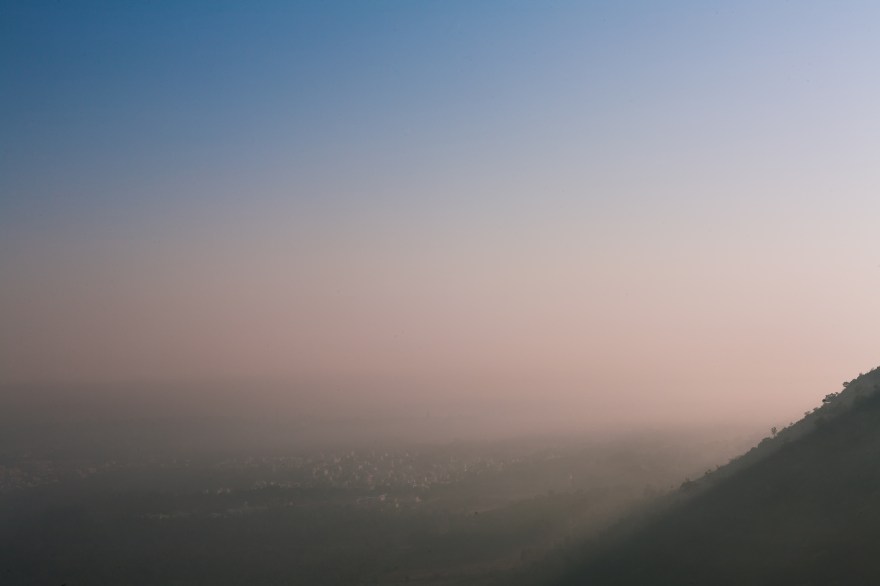
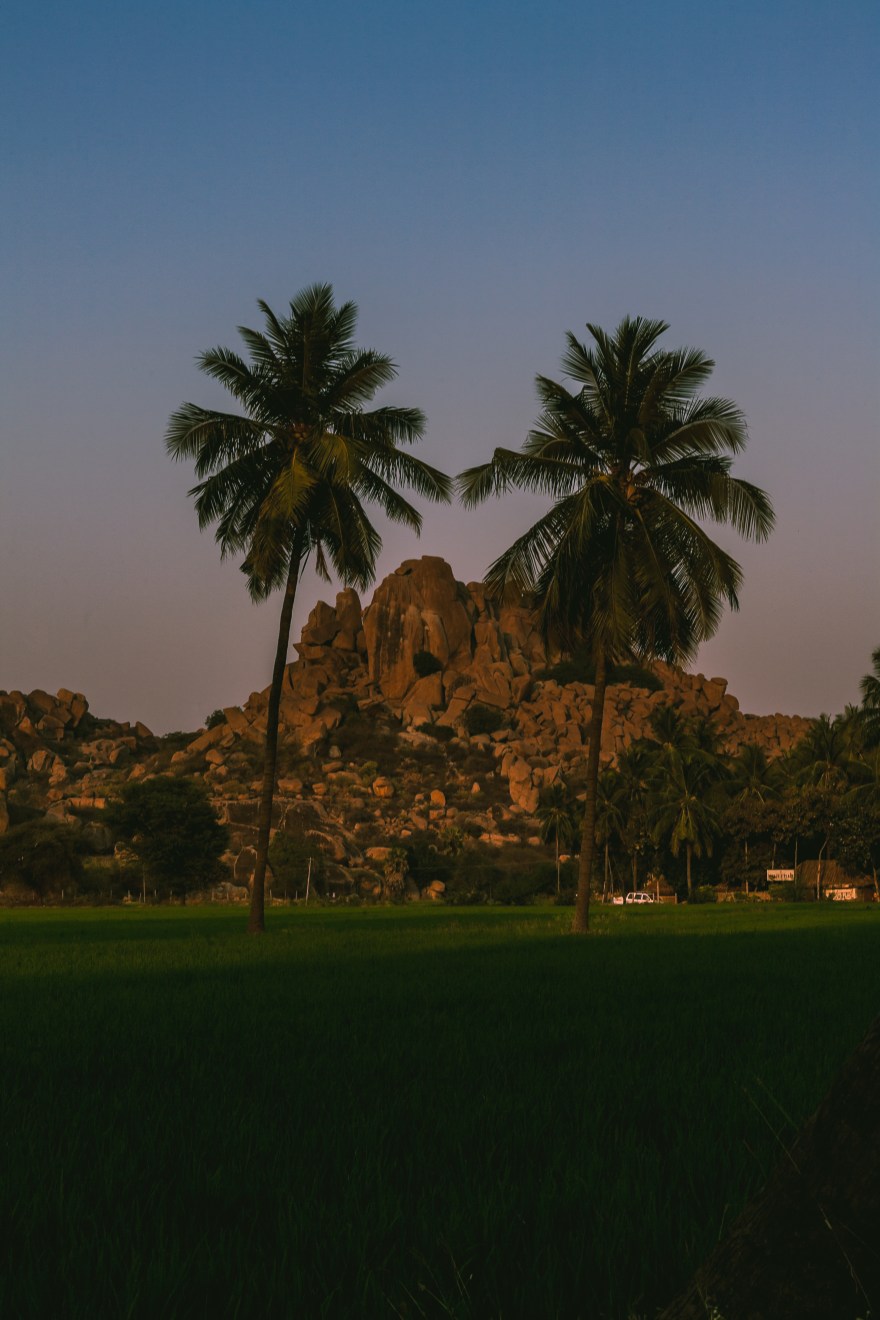
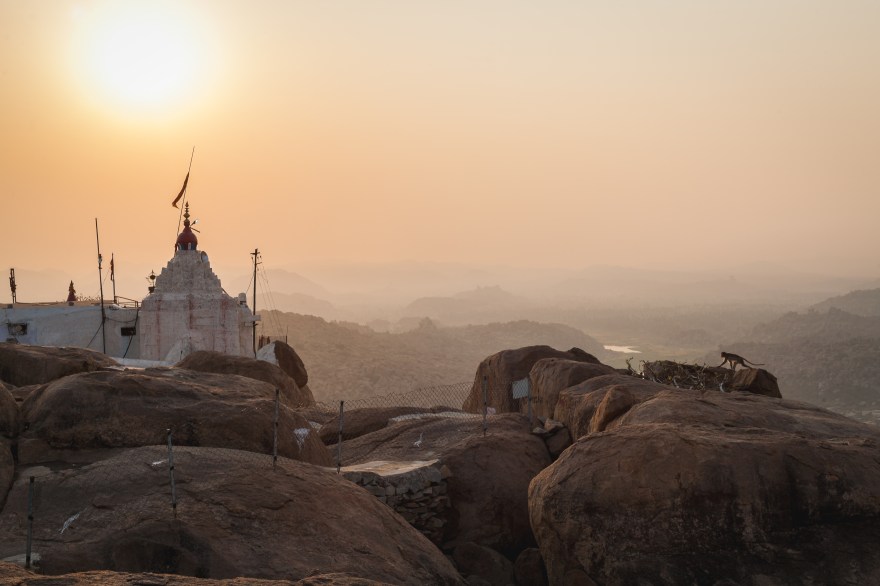
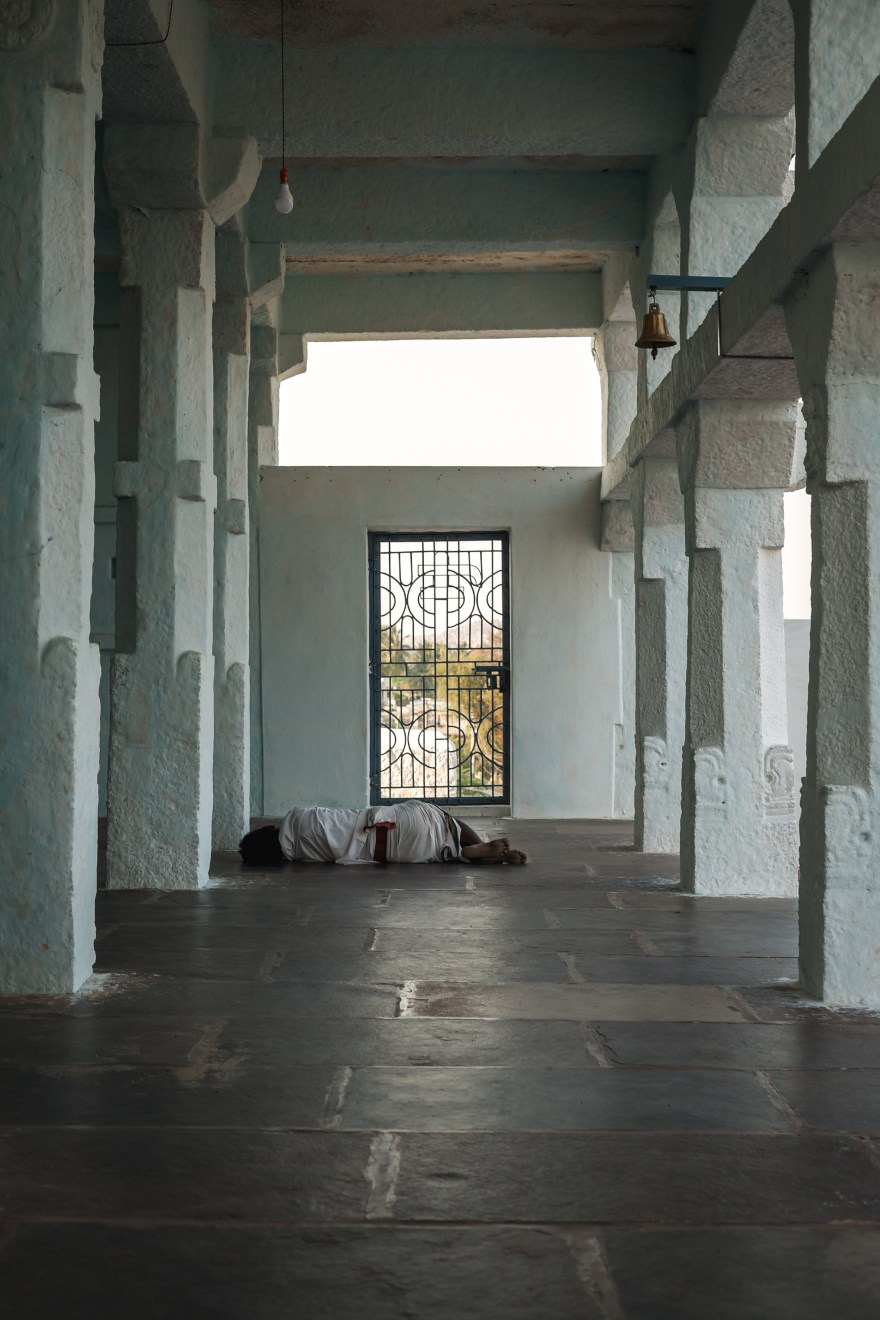
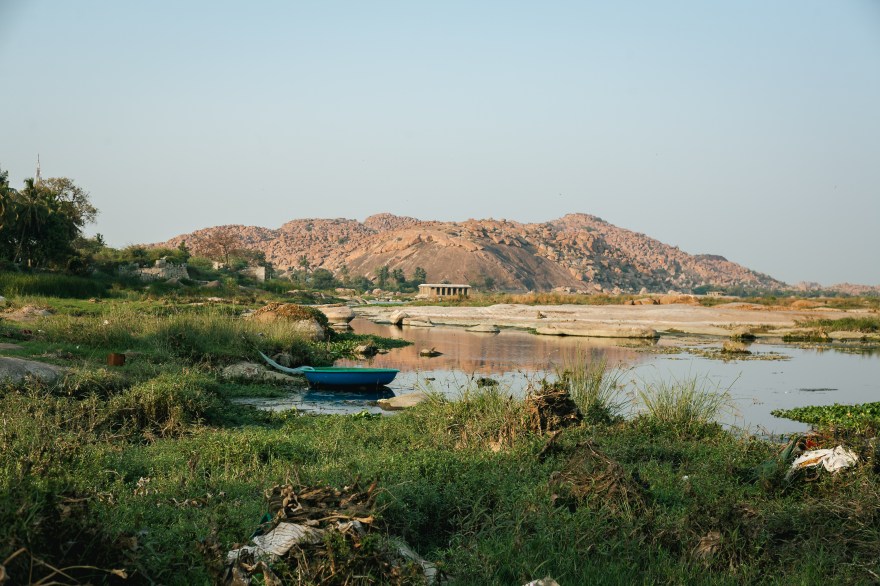
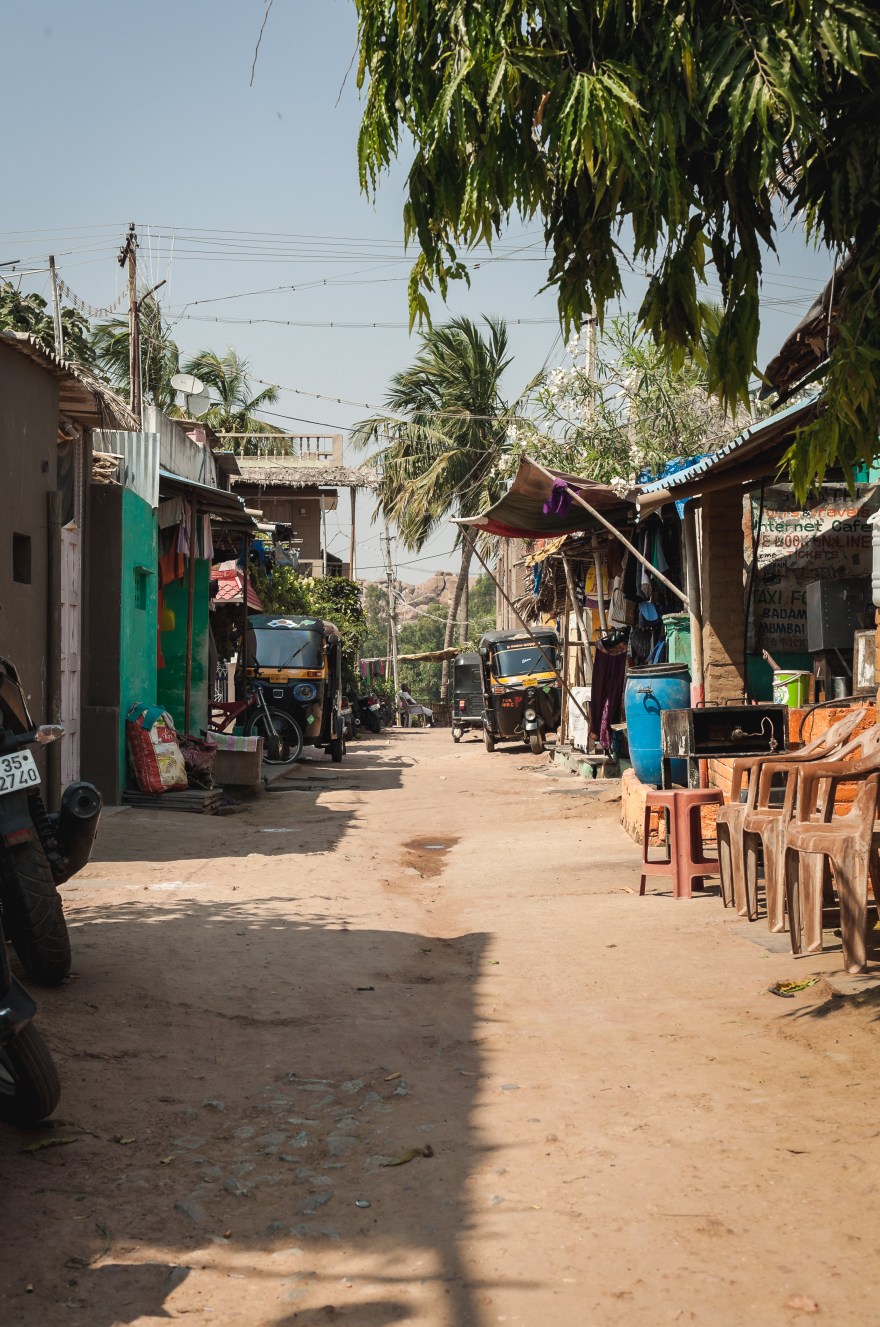
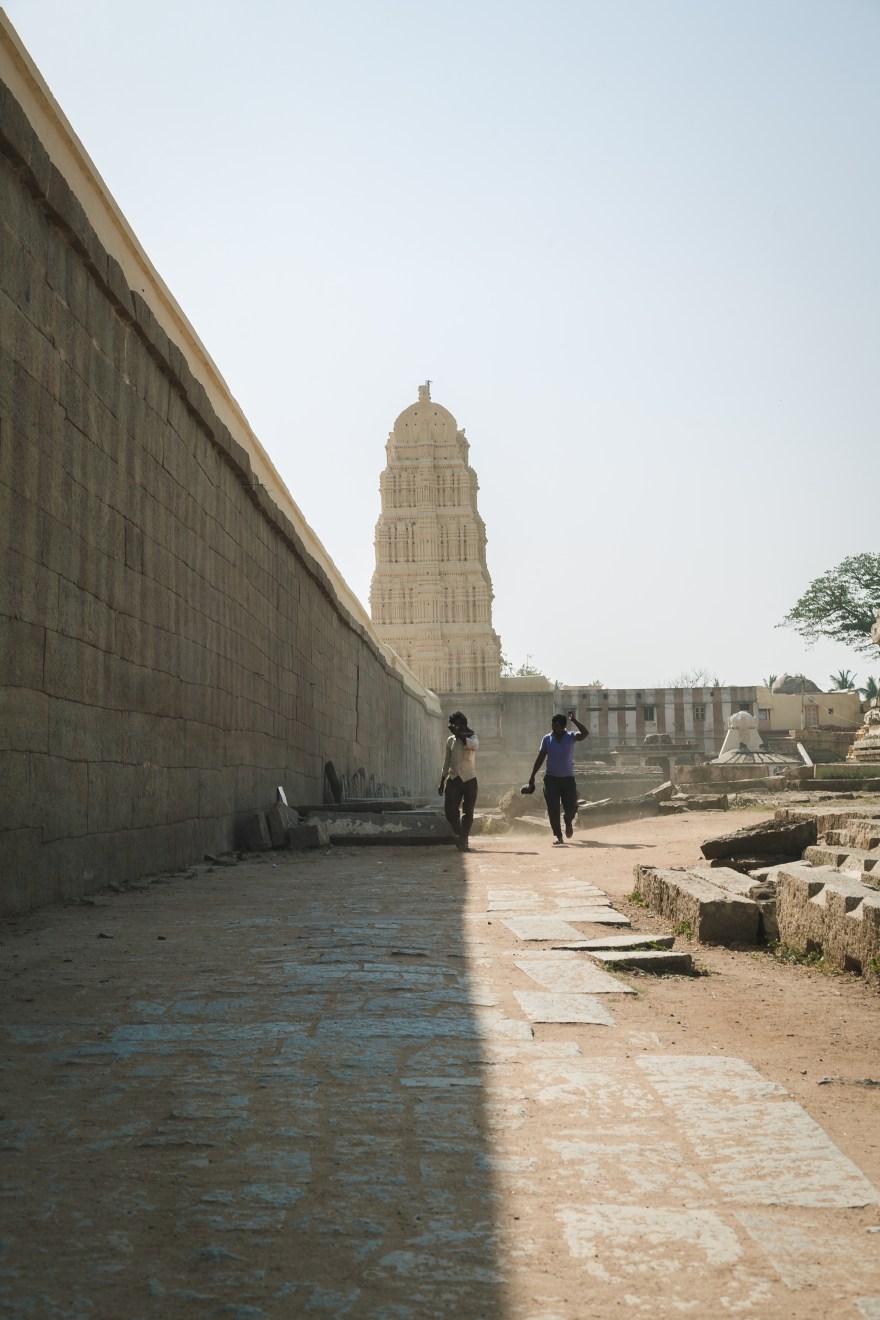
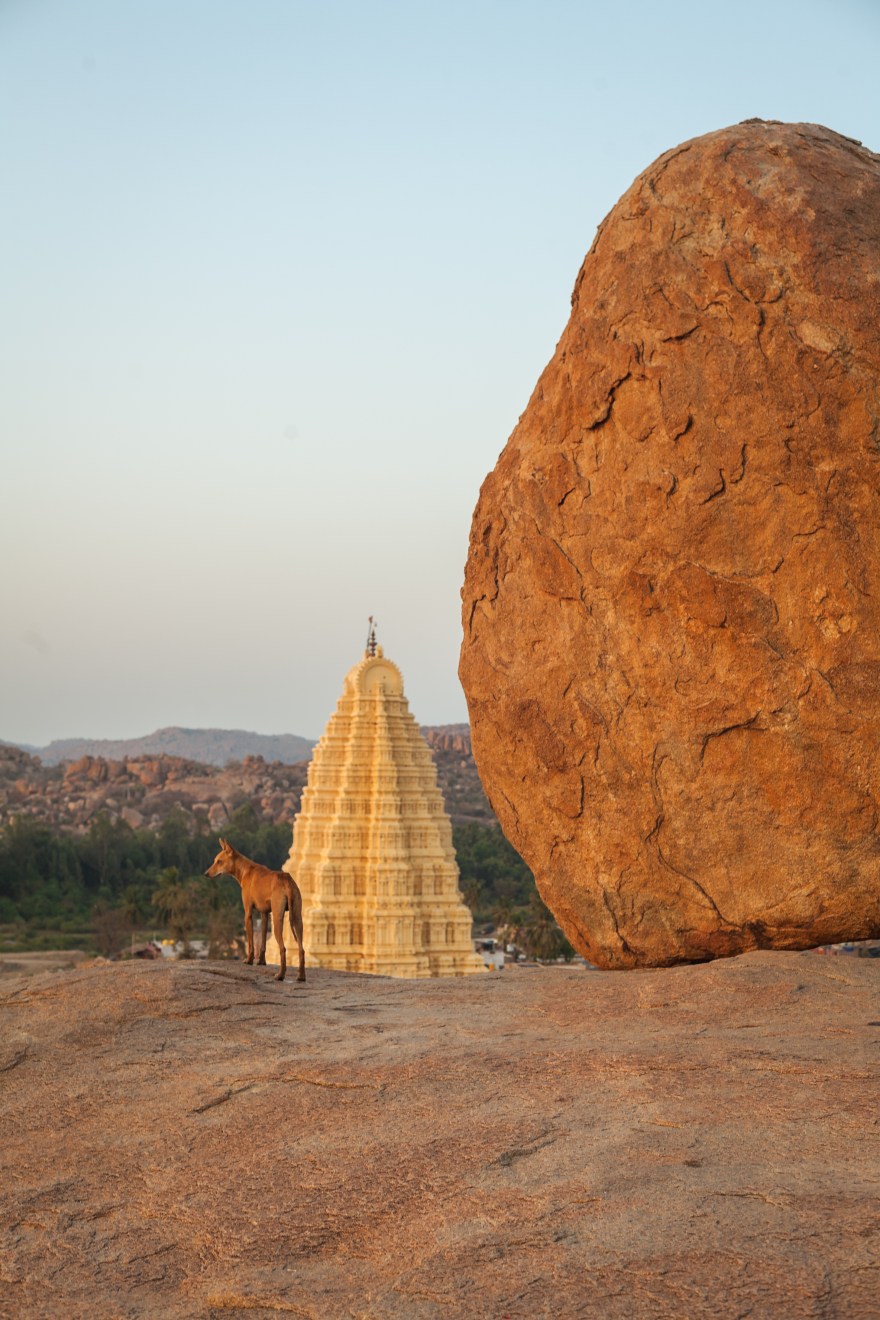
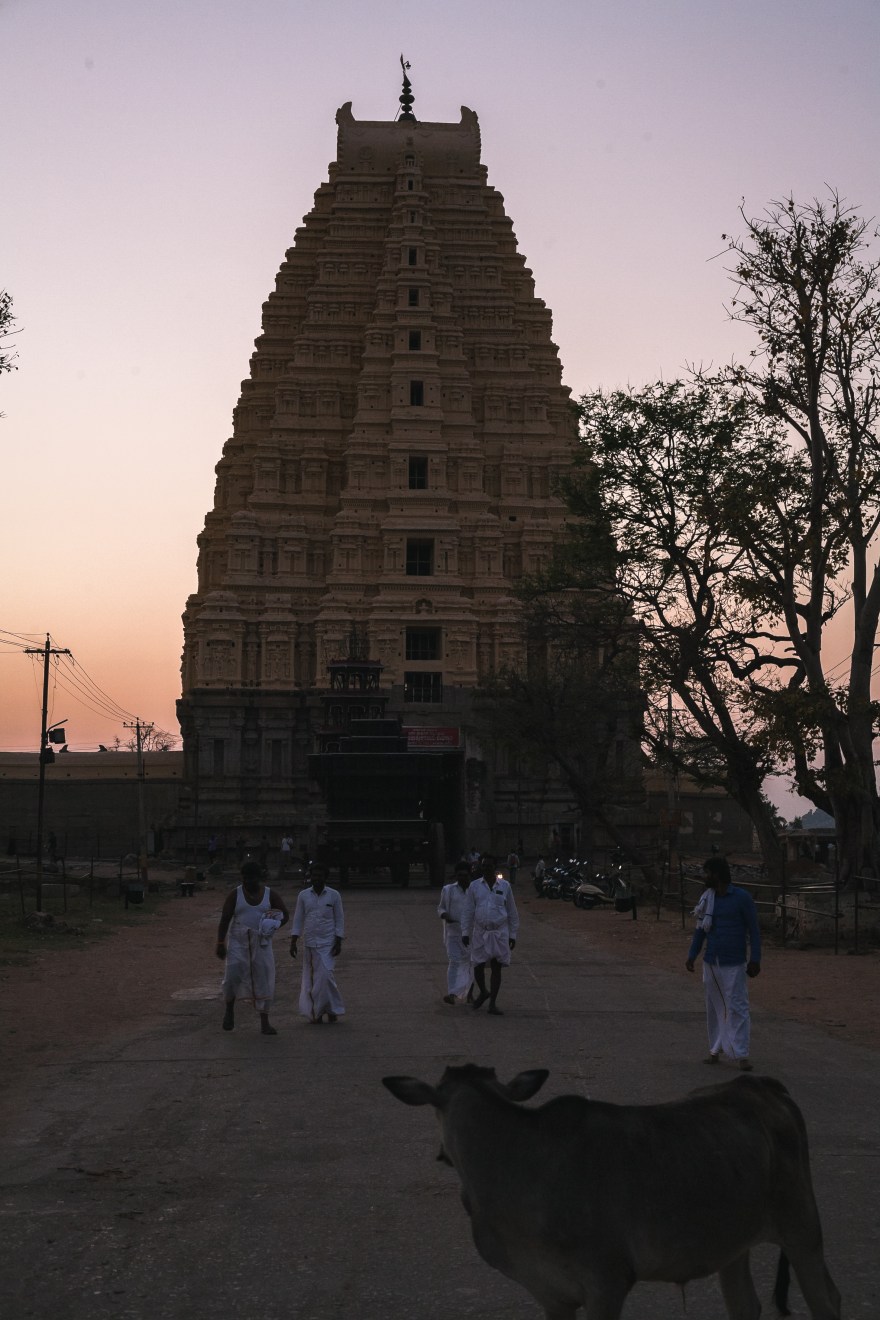
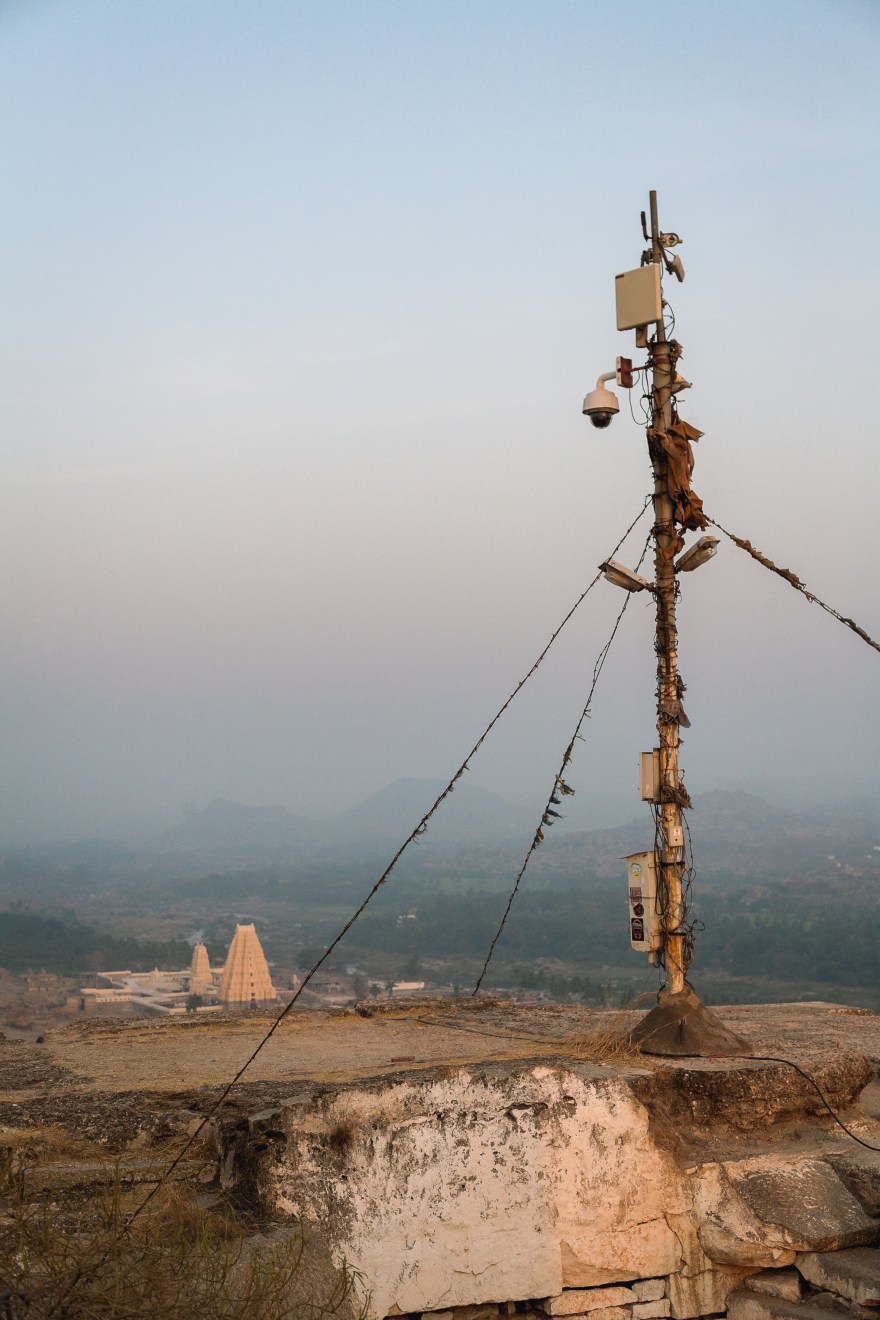

India is a country which, for almost my entire adult life, I had wanted to experience – well before photography became my passion.
Despite my excitement at the prospect of photographing my journey, I admittedly was cynical about photographing a culture and a country that I had no stake in – wanting to avoid taking generic and exploitative images, which can so easily occur from the perspective of an ‘outsider’.
Romantic notions swirled around my mind of getting lost in the foothills of the Himalayas fighting off wild leopards, befriending locals and becoming sincerely immersed in Indian culture… However, in reality, I certainly and completely was a tourist. This caused me constant conflict when selecting a subject matter: Should I live and experience the moments that I found so fascinating and compelling? should I constantly capture and document what I am experiencing? is it possible to do both as a ‘travel’ photographer? I’m still not sure of the answer. Sometimes I would do one or the other; sometimes both; sometimes none of them at all. I feel it’s also important to state that I, by no stretch of the imagination, consider myself a travel photographer. So, after an initial ‘easing-in’ period attempting to acclimatise to the barrage of sensations and complications associated with travelling India, I resigned myself to this frame of mind – sometimes chasing an image, other times letting the moment just happen for the pure pleasure of the experience.
After finally letting my Ideals subside, I began to find some kind of photographic rhythm. The initial aspect that began to strike me the most about India was its sheer and unrelenting vastness. While this is not an attribute wholly unique to India, the vastness of India is wholly unique. Not only in the scale of the landscape but geologically, meteorically, culturally, socially, theologically, historically, aesthetically, politically, economically and so on… This was something I wanted to permeate through my images while also adhering to my own stylistic photographic approach – an emphasis on the abstract, the mundane, urban decay, industry, and the political.
I suppose any decent travel photographer would tell you things like a good travel photographer presents a culture through images such as its food and religion. Although these are of course hugely insightful subjects into any culture, I had no artistic interest in what I suppose would be considered typical travel images, such as those. But of course, there are certain images that tick the boxes of ‘no trip to India is complete without…’ [fill in the blank]. Such as: No trip to India is complete without a highspeed rickshaw ride through bumper-to-bumper chaotic traffic before the whole city is ground to a halt because of a stubborn bull in the middle of the road who has decided that this is a good spot to cool itself in the shade while you’re doing your damn best not to shit yourself from your latest bout of Delhi belly. So yes: pictures of rickshaws, cows and blokes not doing much.
One of the most fascinating aspects of travelling India, for me, was witnessing first-hand the astonishing economic transformation that the country is currently going through. Led by president Modi and his leading political party the BJP, with support from a burgeoning, well educated, young population desperate for modern jobs, the country is being dragged into the 21st century on a political platform of job creation and infrastructural development. India’s shop door has been flung wide-open to the global markets to the extent that it is now on the verge of becoming a global superpower – it’s economy projected to overtake the UK’s in 2018. The most telling mark of this new epoch is the evident demise of ideology and values of Mahatma Gandhi, a pillar of Indian cultural identity. Despite Gandhi still being greatly revered and idolised by Indians, this affinity sadly appears to be becoming, on the whole, one of superficiality. Instead, individualistic values are quickly gaining more and more stock within Indian society. The irony that only a few generations ago vast swathes of the Indian population – led by Gandhi – ploughed all its endeavour into casting off the shackles of imperial colonialism, only for it now to be replaced by a neo-colonialism in the form of neoliberal globalisation seems completely lost on most Indians. That or they don’t care. And why should they? India has just as much right to prosperity as any other country, of course. But this sudden transition from third world country (to use an archaic term) to hyper-capitalism produces masses of compelling imagery and scenes. Watching the construction of a twenty story office block likely to house the headquarters of some global software company surrounded by bamboo scaffolding being erected by labourers with zero safety gear sixty feet up in the air with absolutely zero rigging gear to speak of kind of changes things… y’know?
– Glyn Owen
 Glyn Owen