These are a selection of images documenting my travels across India. From the Himalayan foothills of the north-west state of Uttarakhand to the Goan beaches on the Arabian ocean – spanning mountain, desert, waterways, jungle and city.
Between shooting the shit with the most immediately located chaiwala, smoking 10p cigarettes, hunting down decent chess players and contemplating radical politics, this is what I saw.
“Very hot today, sir…”
“Yes – very hot. Good chai today, thank you.”
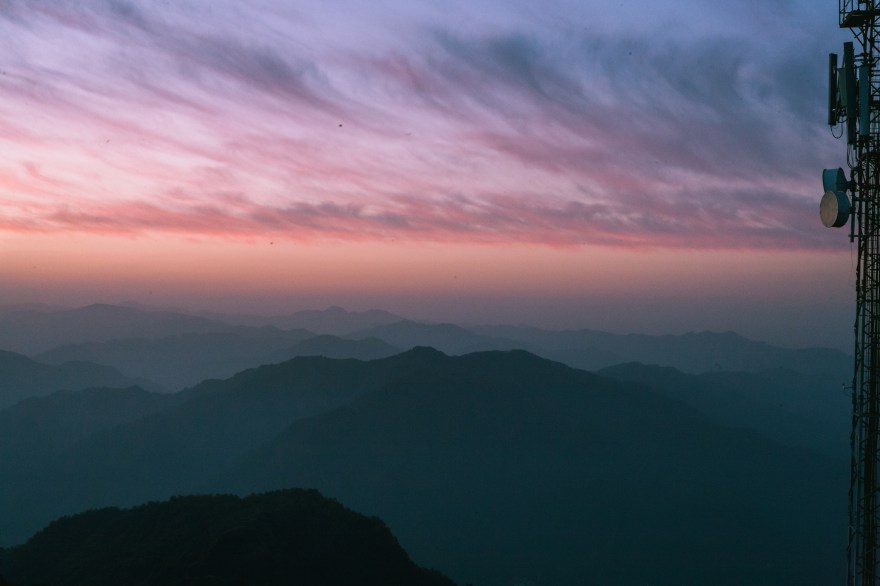
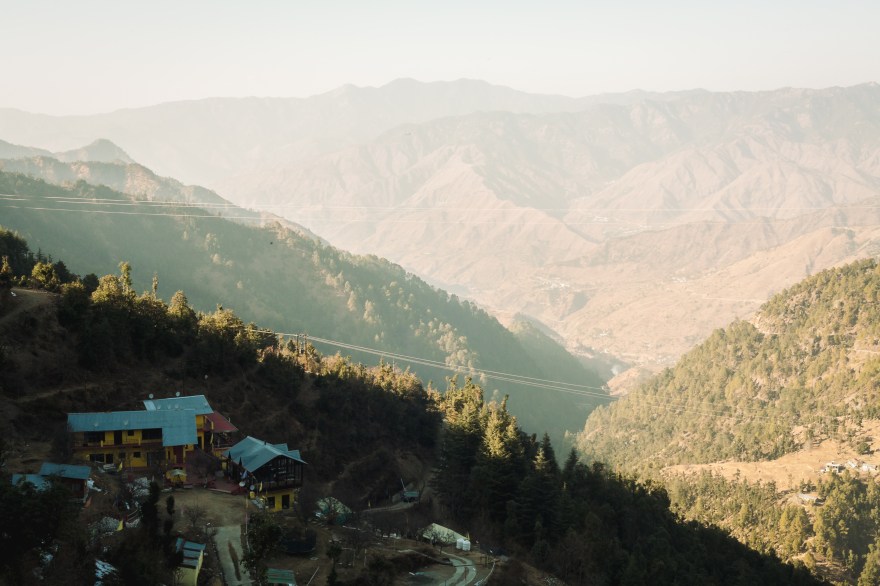

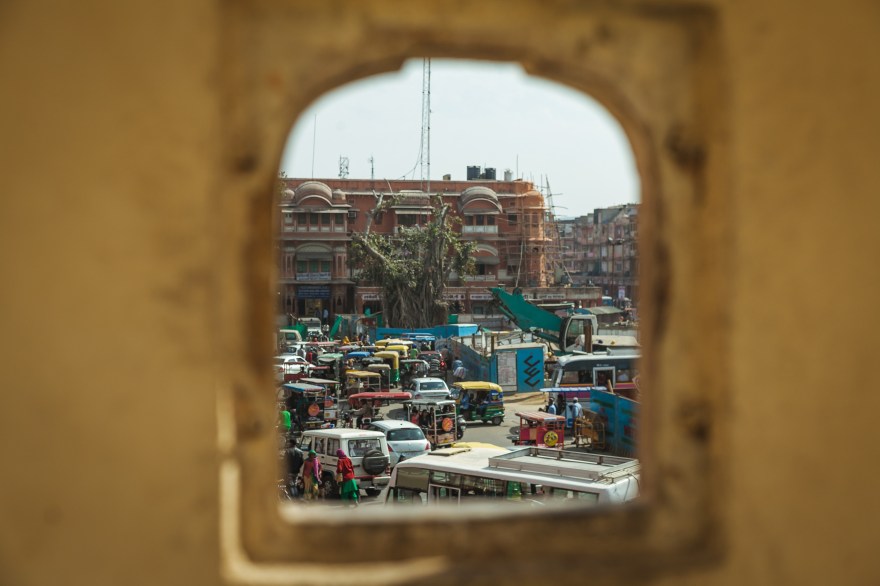
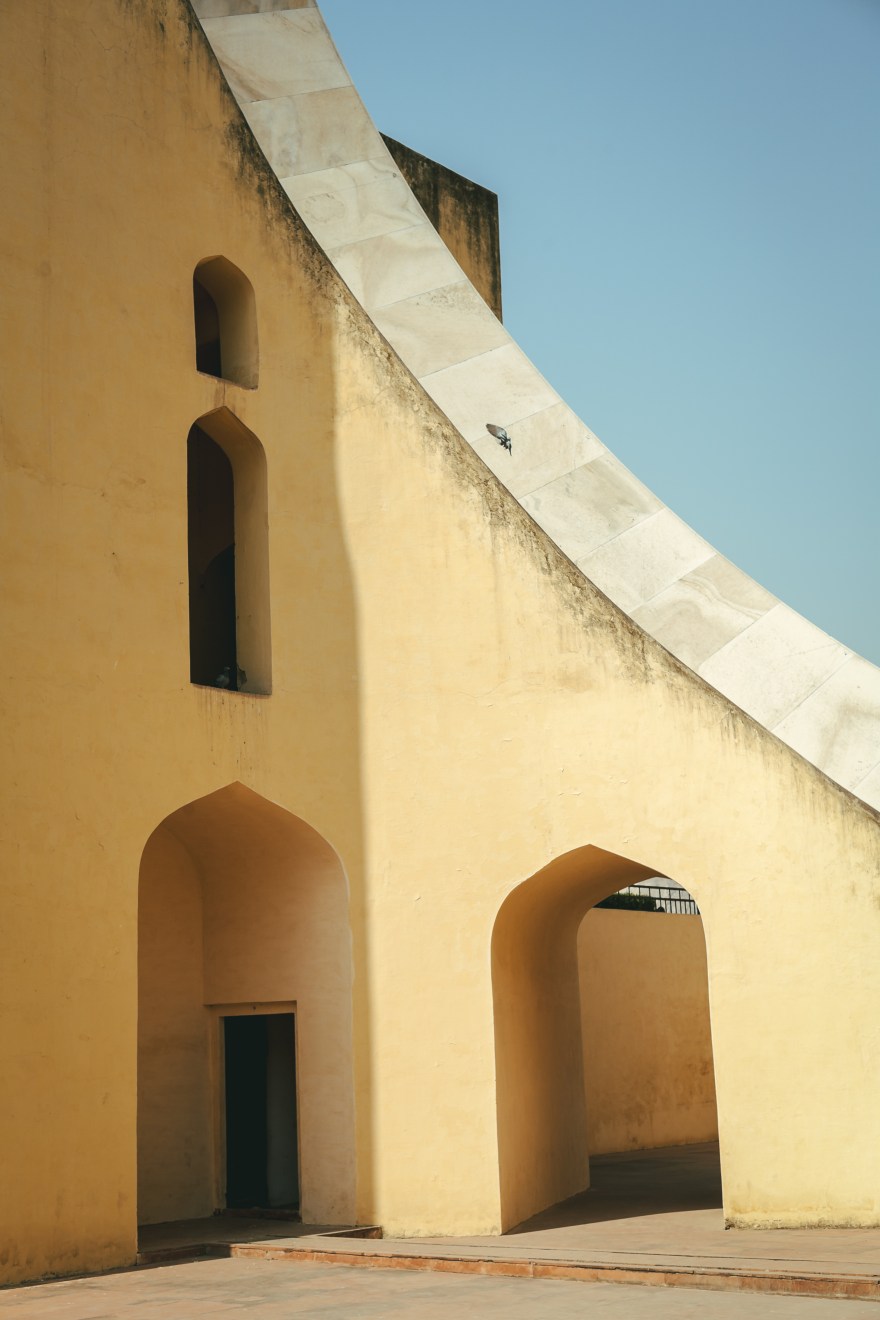
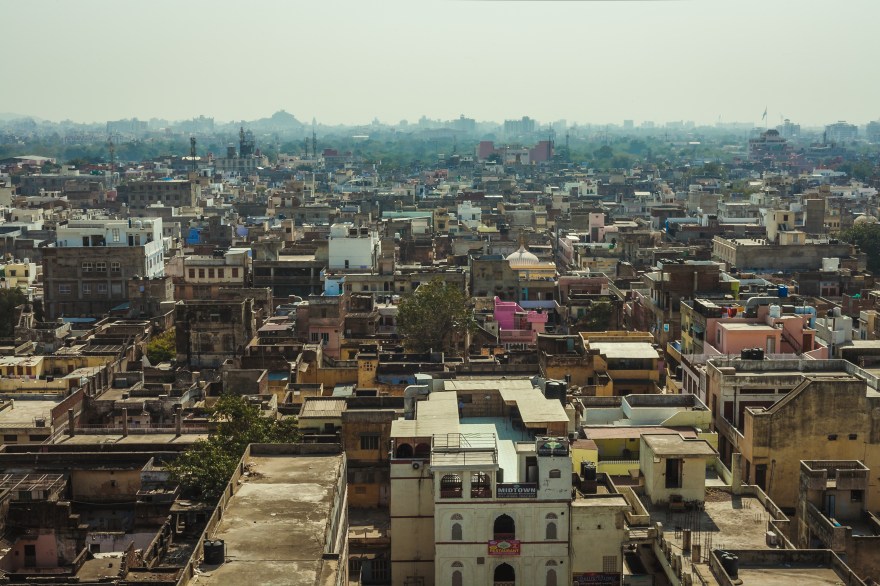
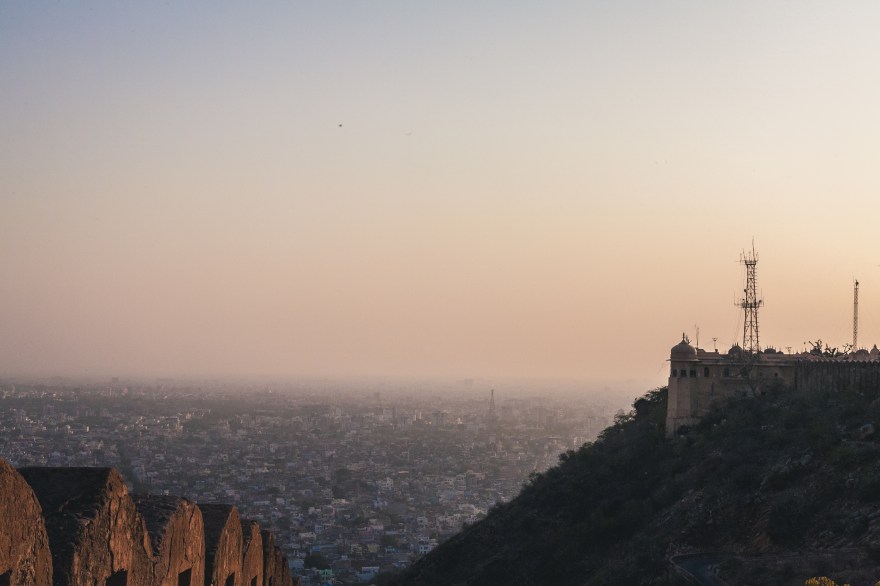

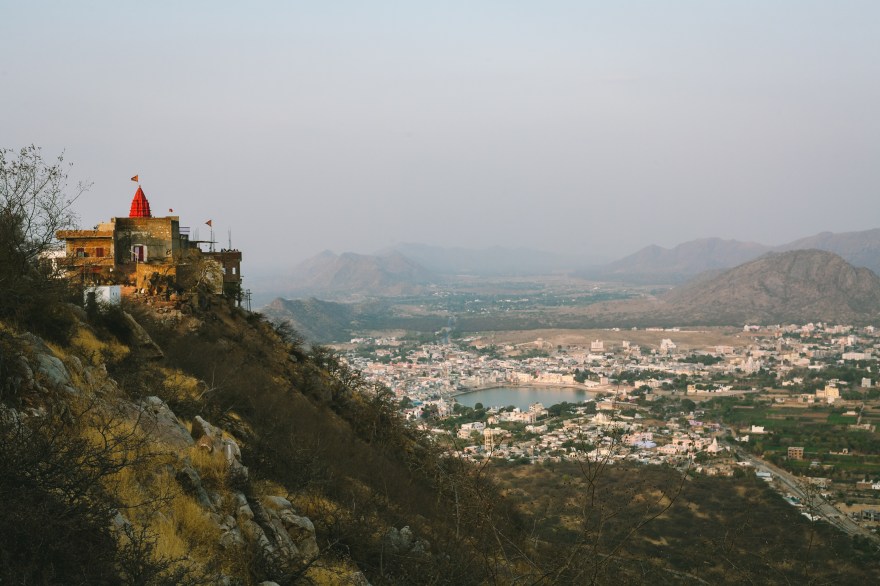
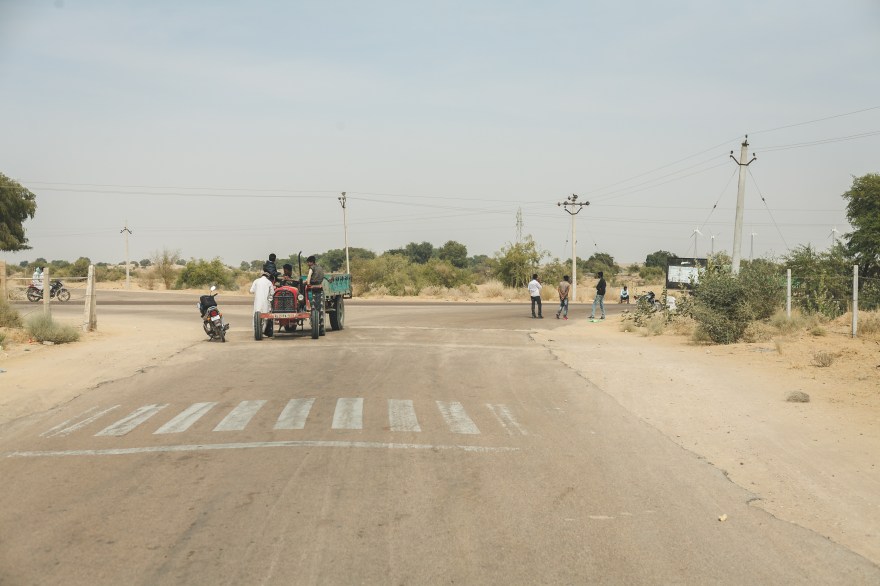


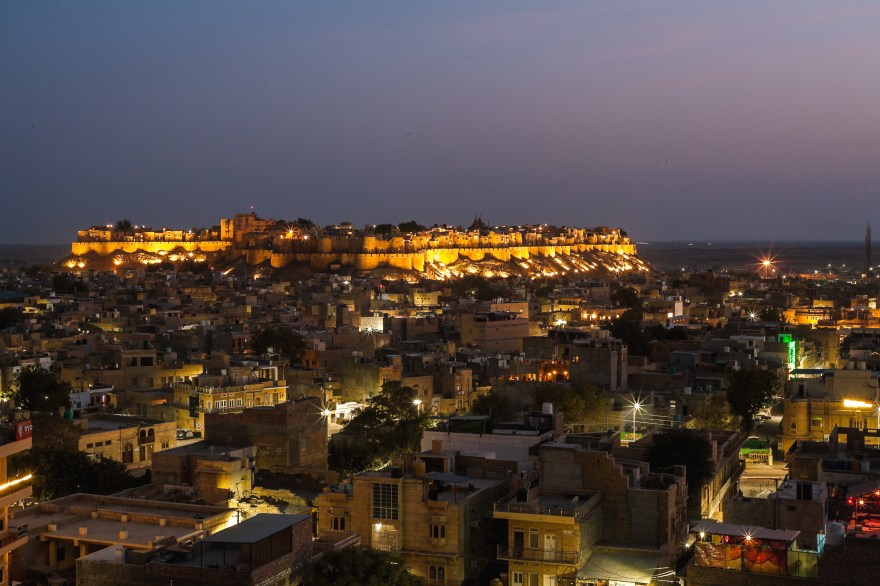
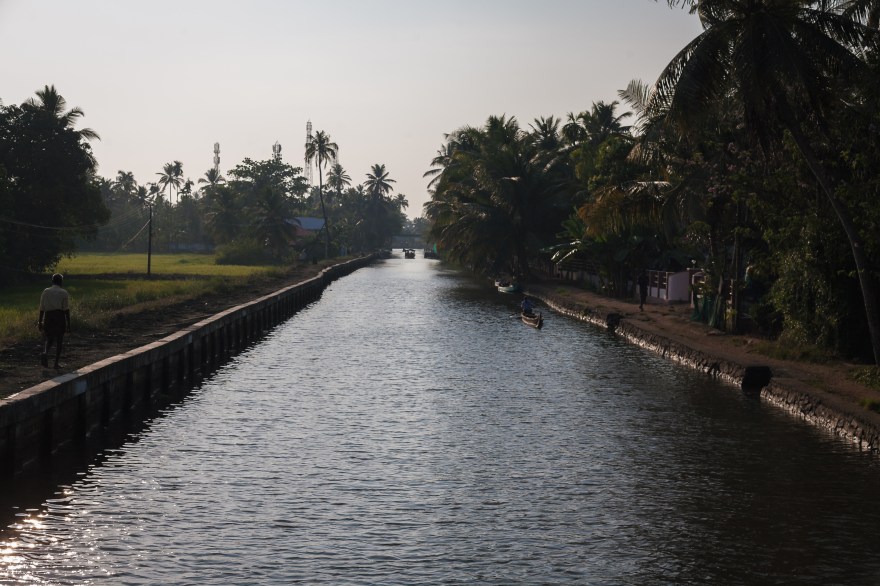
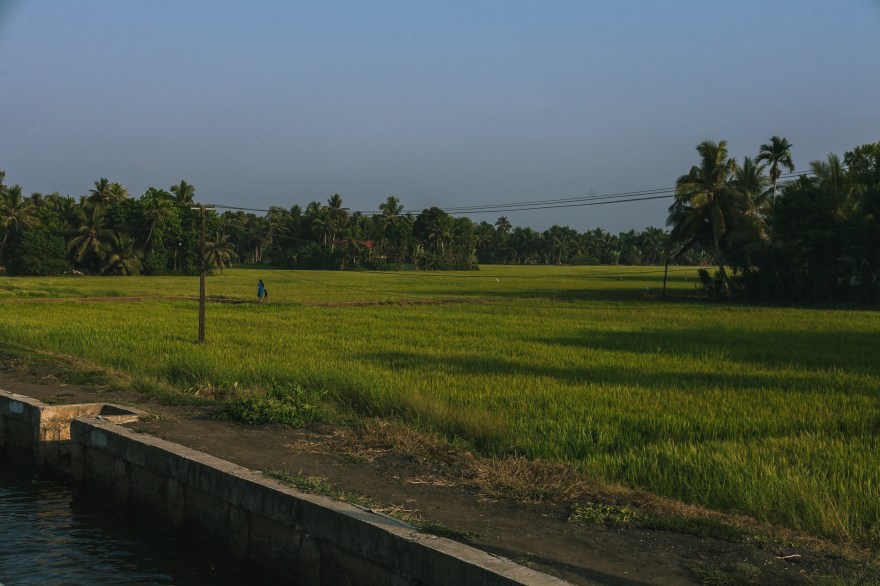
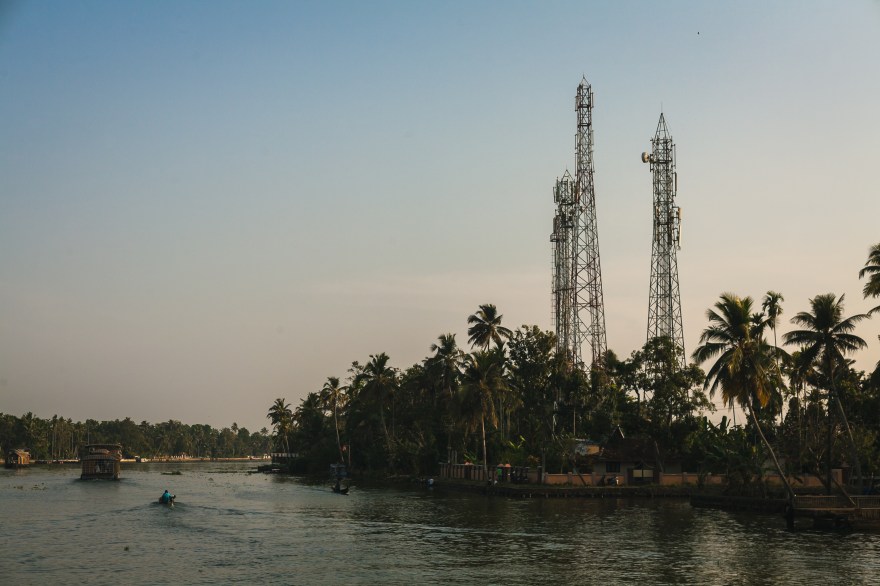

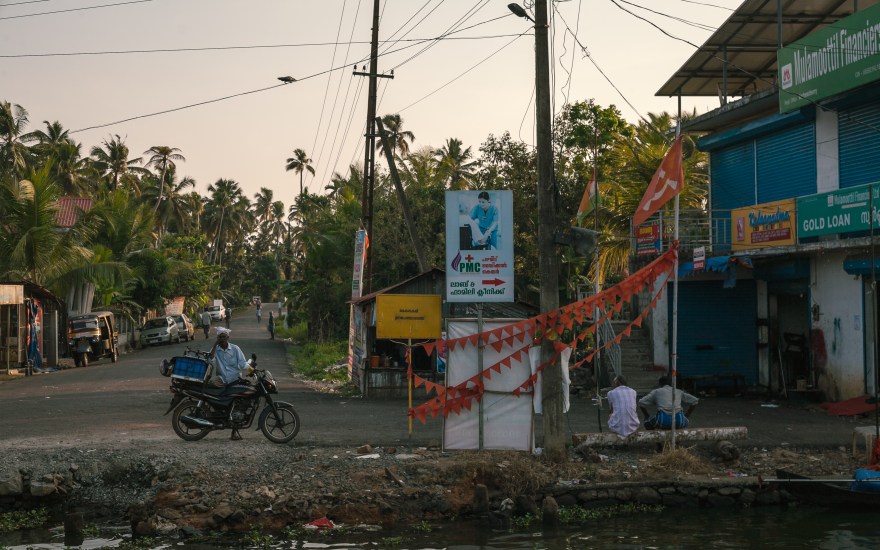
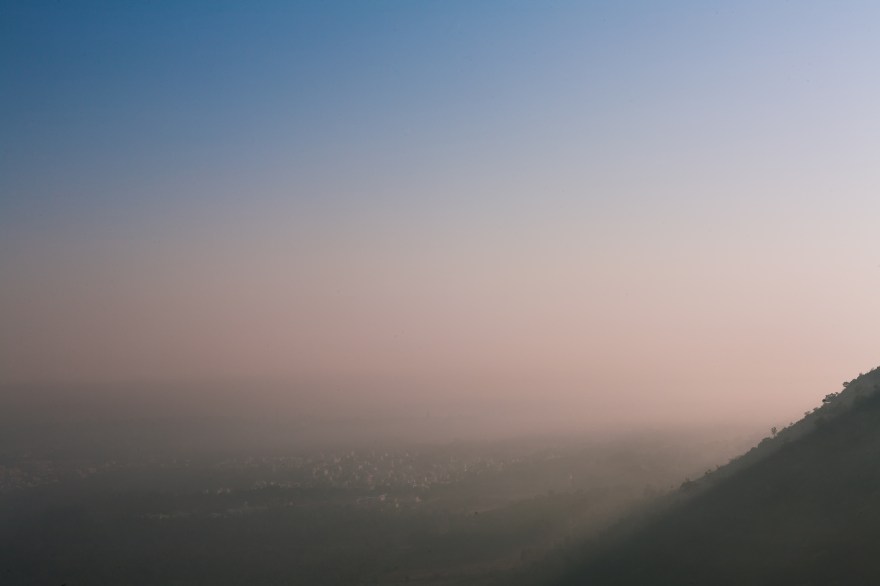
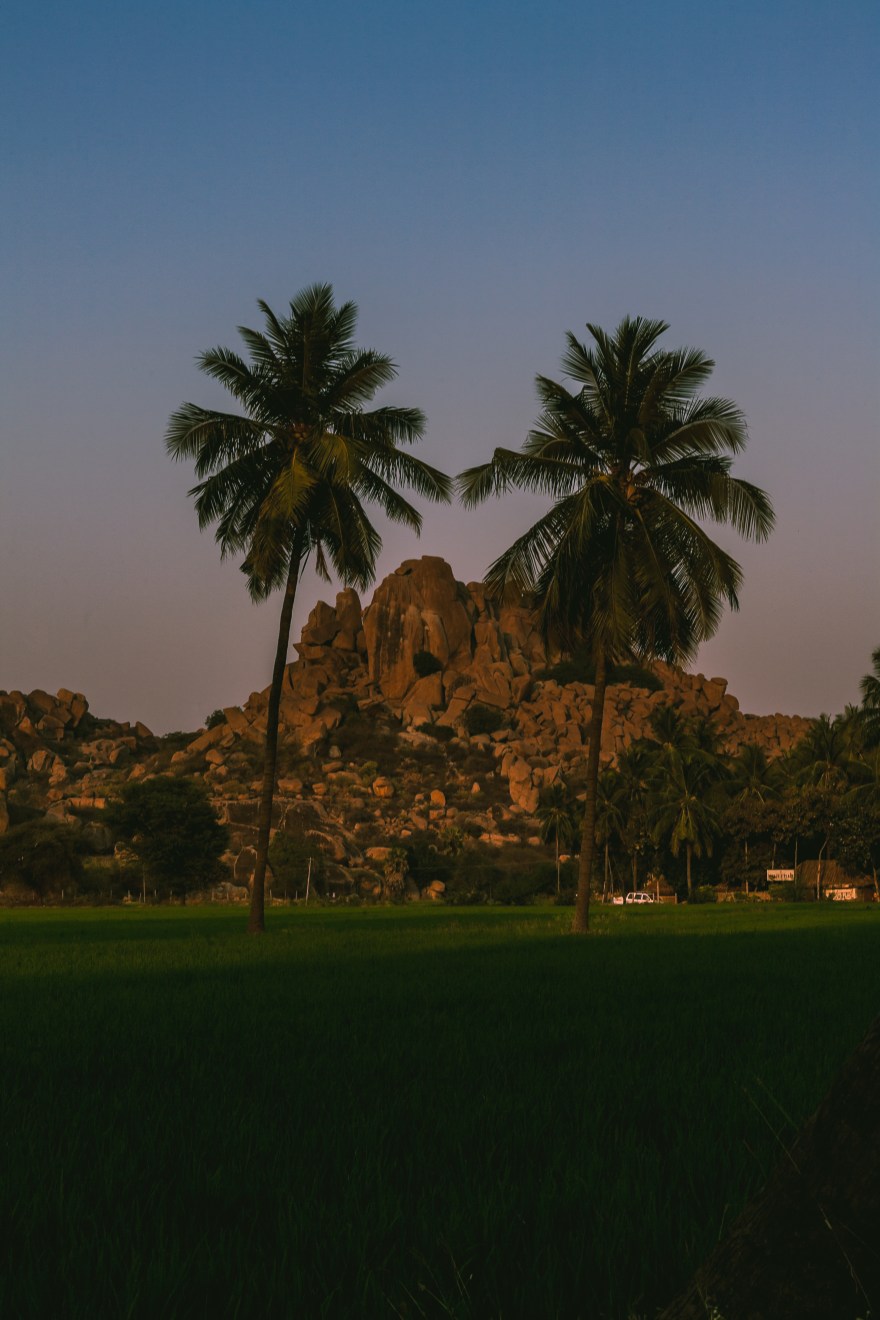
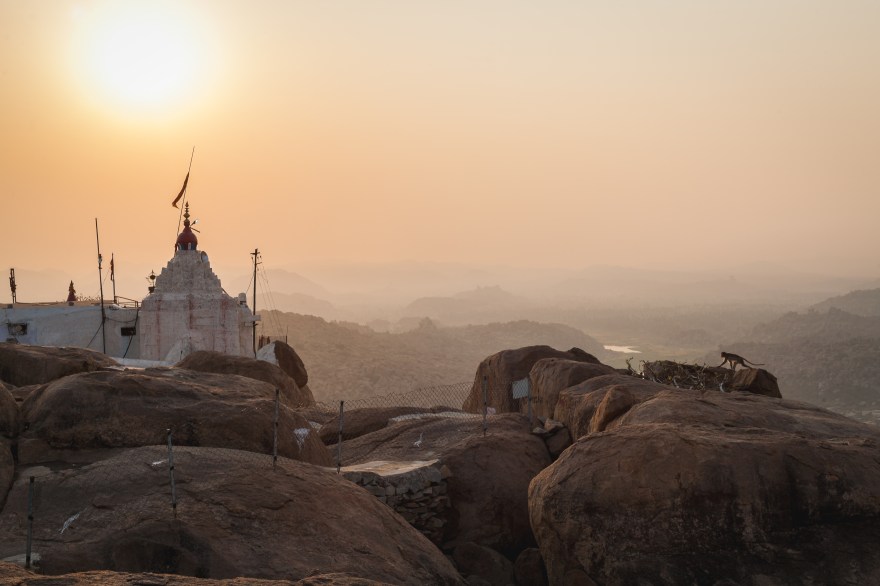
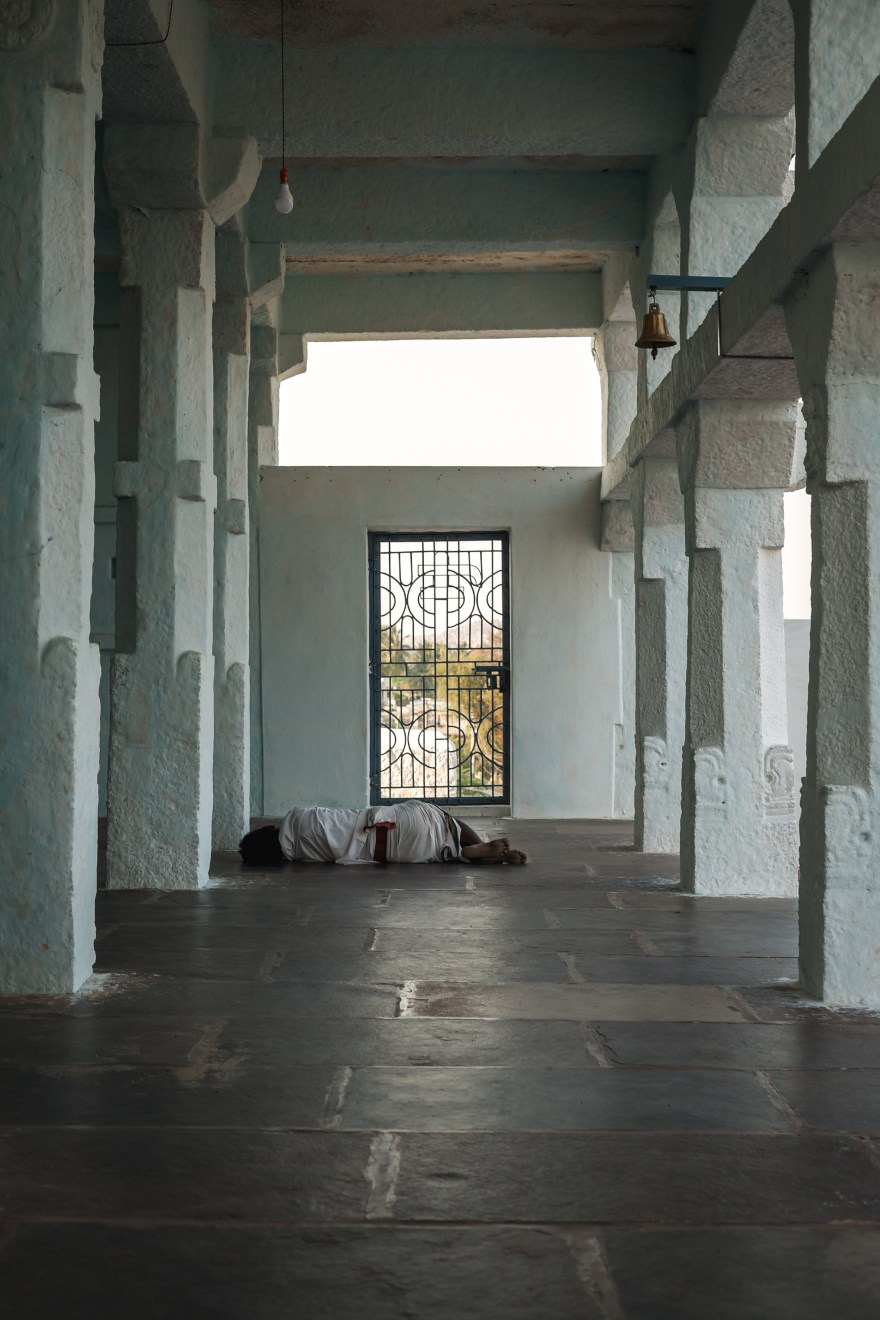
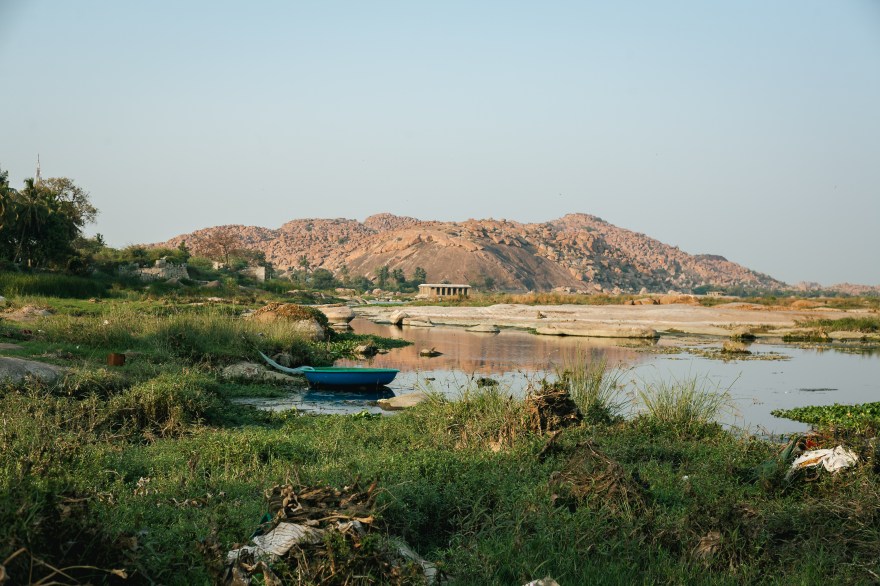
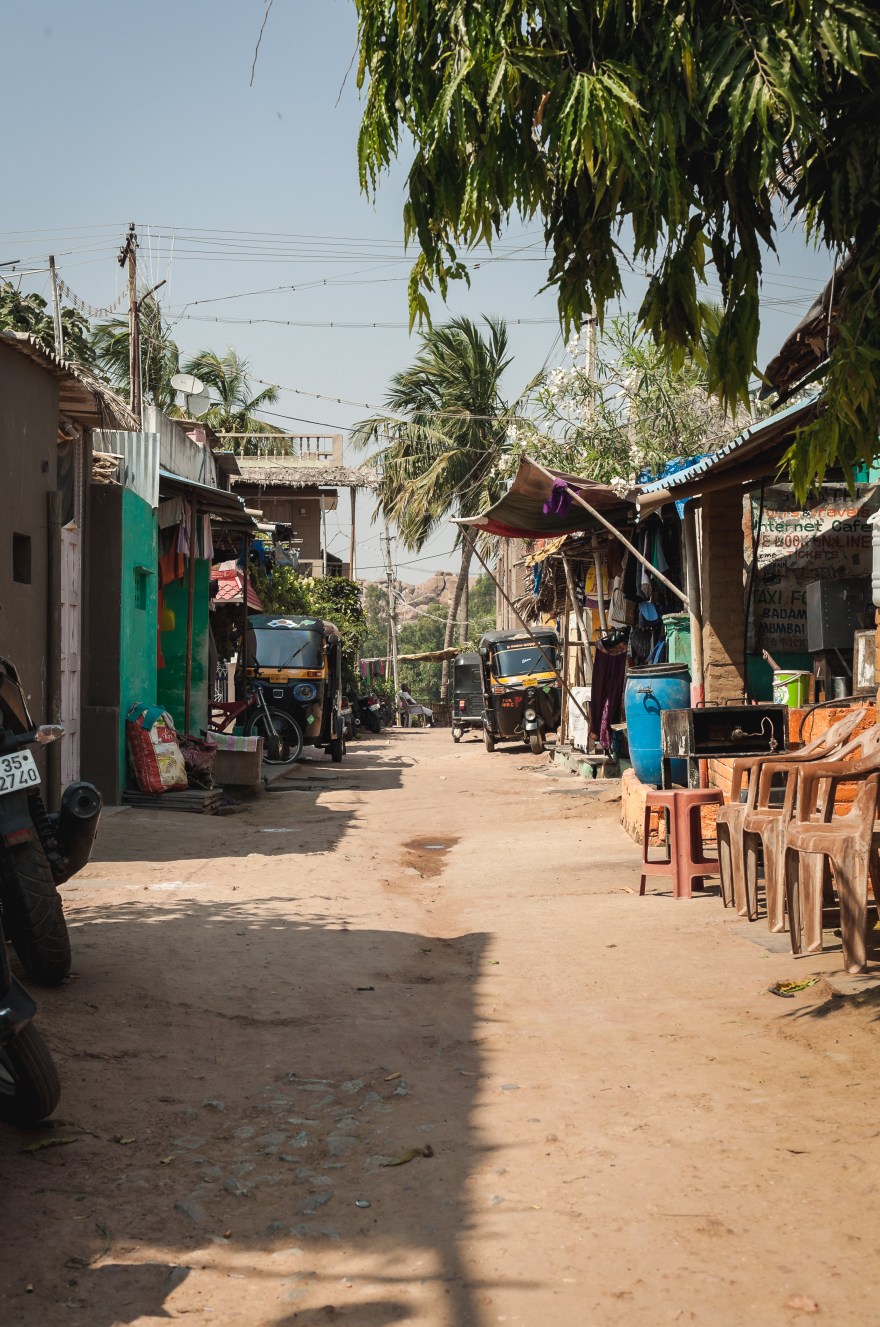
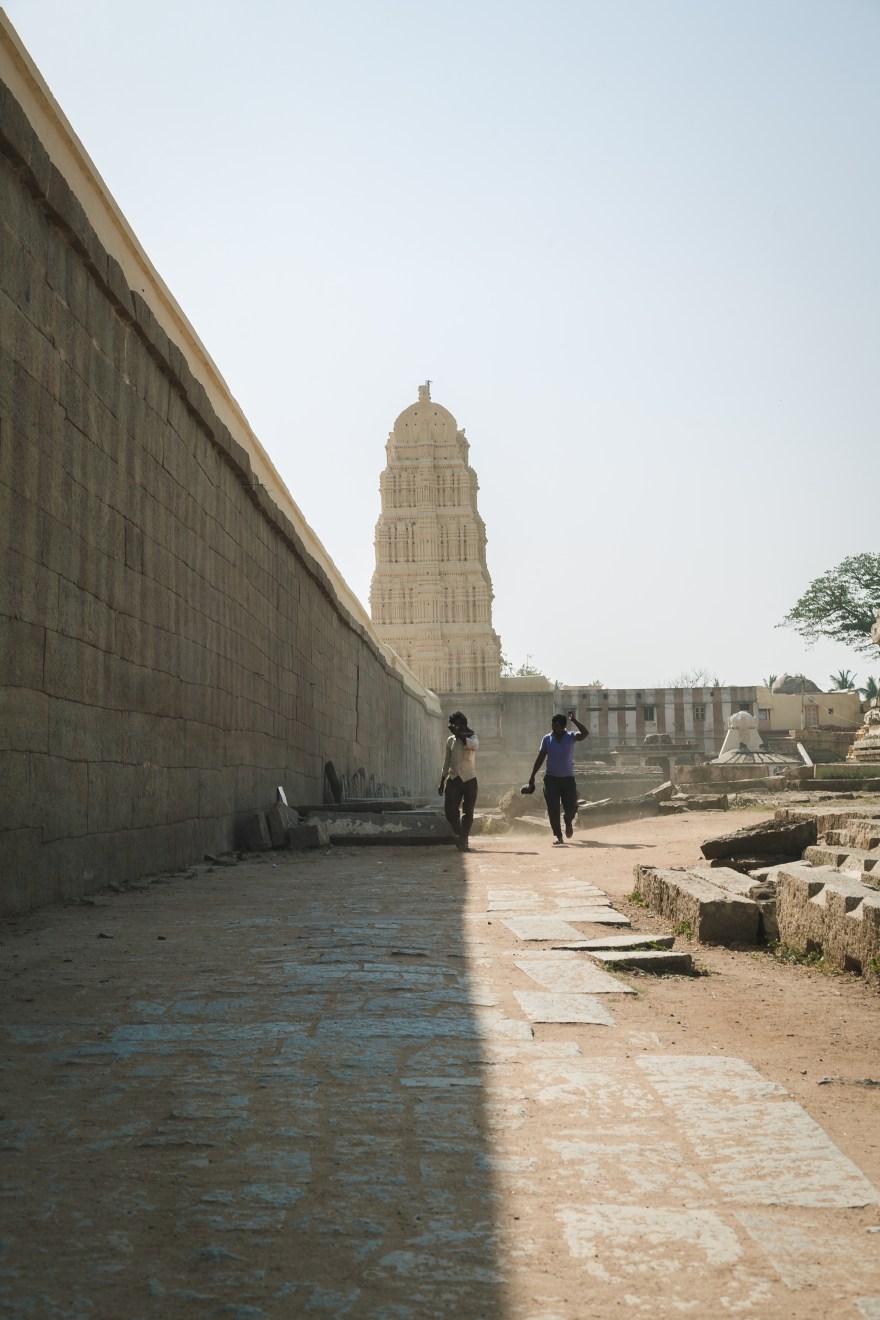
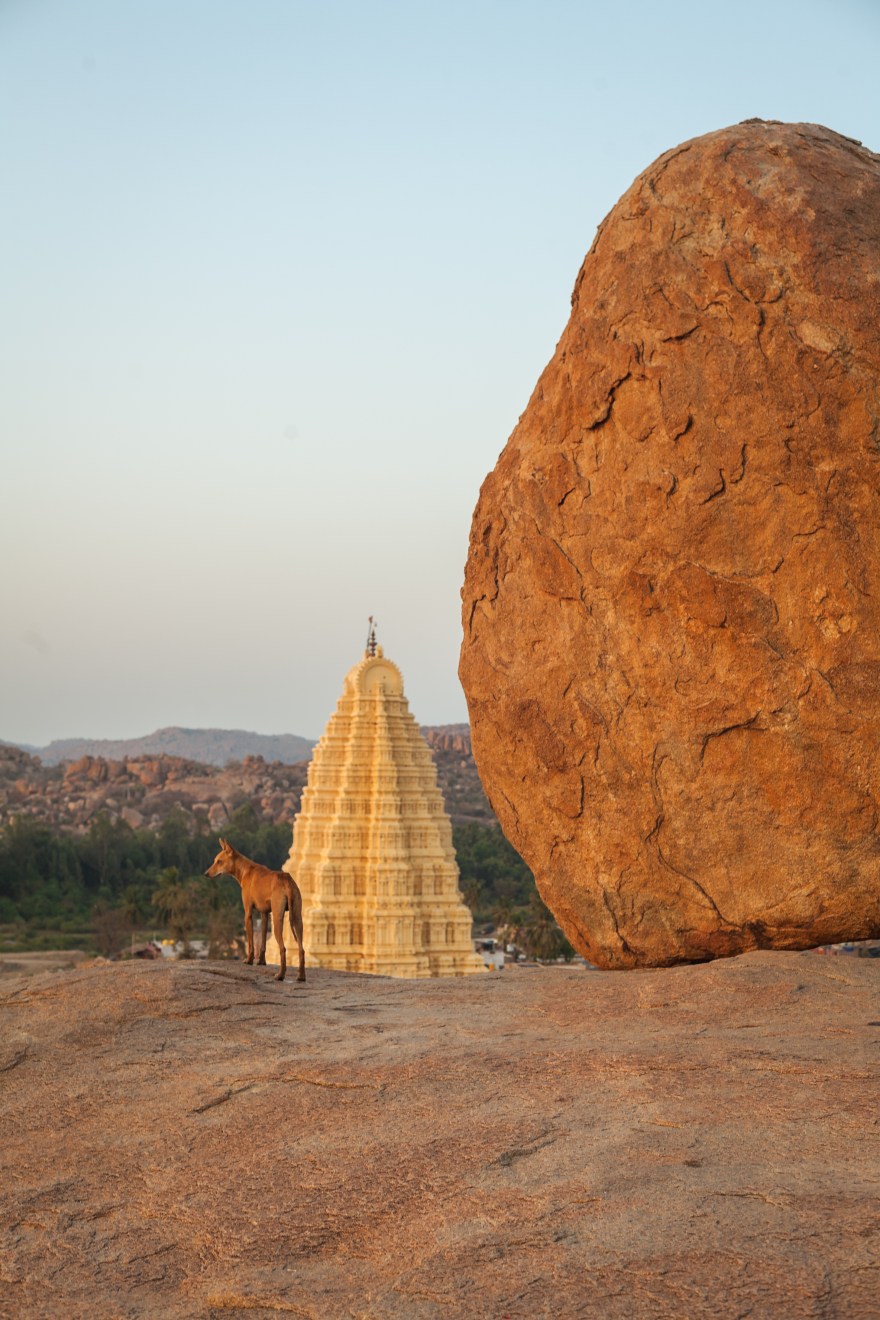
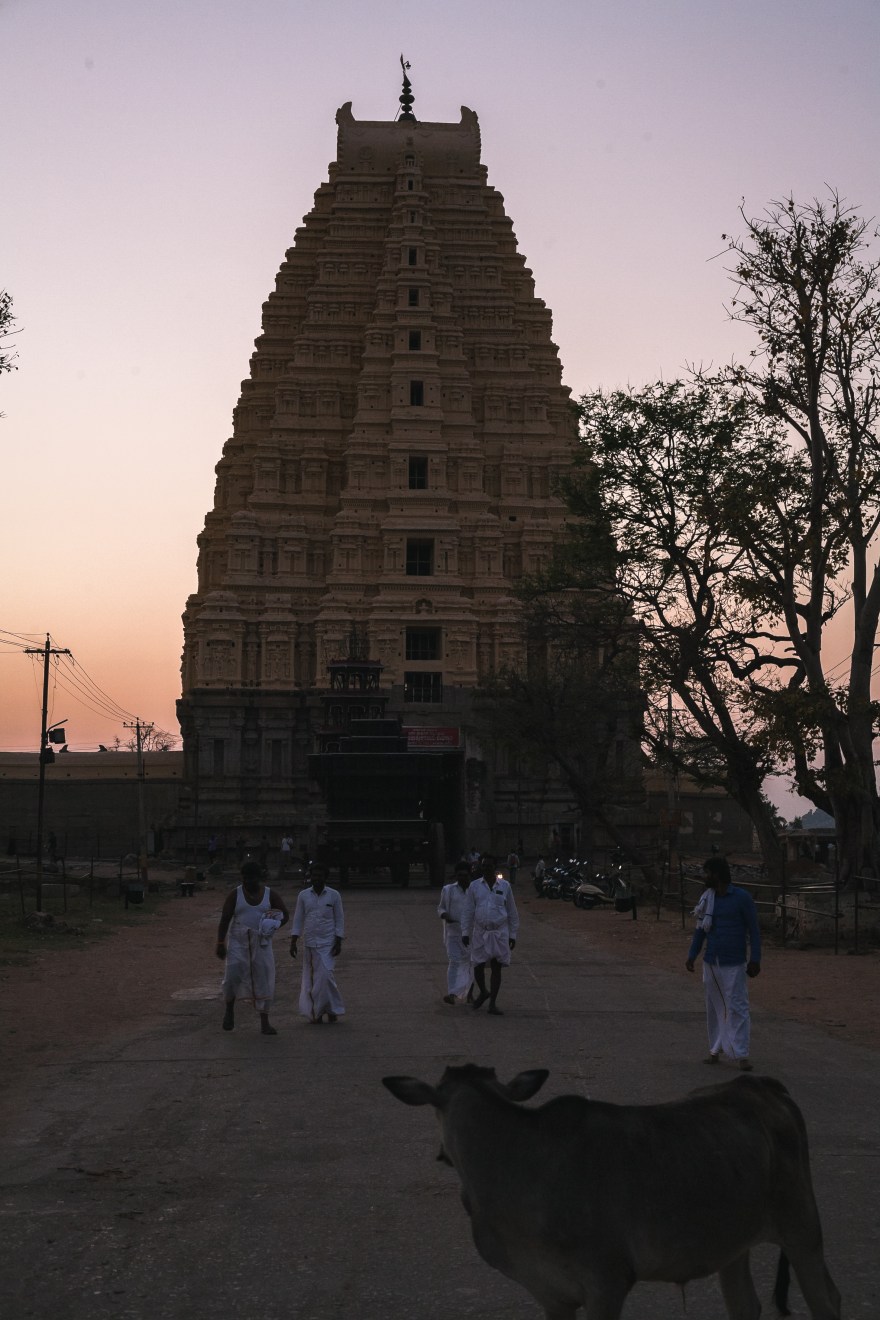
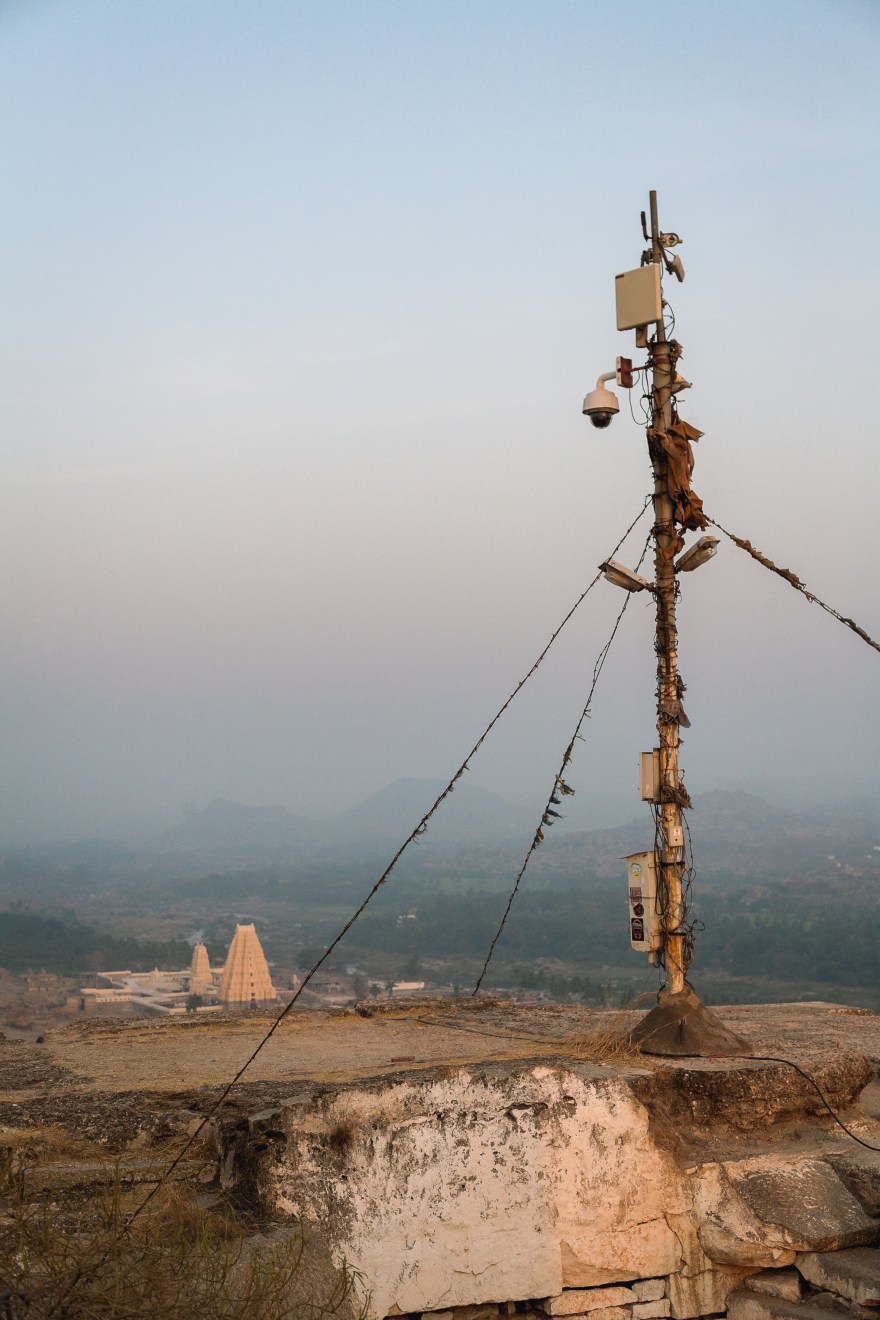
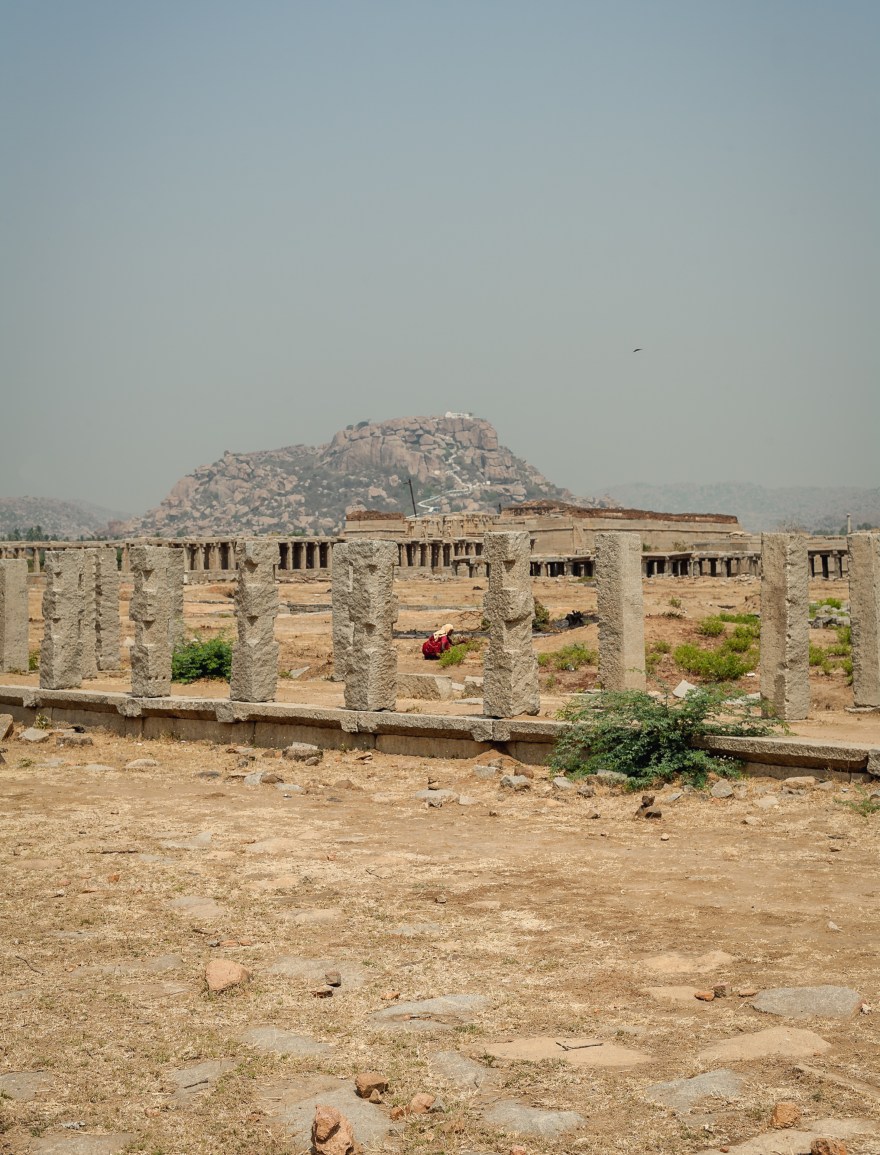

India is a country which, for almost my entire adult life, I had wanted to experience – well before photography became my passion.
Despite my excitement at the prospect of photographing my journey, I admittedly was cynical about photographing a culture and a country that I had no stake in – wanting to avoid taking generic and exploitative images, which can so easily occur from the perspective of an ‘outsider’.
Romantic notions swirled around my mind of getting lost in the foothills of the Himalayas fighting off wild leopards, befriending locals and becoming sincerely immersed in Indian culture… However, in reality, I certainly and completely was a tourist. This caused me constant conflict when selecting a subject matter: Should I live and experience the moments that I found so fascinating and compelling? should I constantly capture and document what I am experiencing? is it possible to do both as a ‘travel’ photographer? I’m still not sure of the answer. Sometimes I would do one or the other; sometimes both; sometimes none of them at all. I feel it’s also important to state that I, by no stretch of the imagination, consider myself a travel photographer. So, after an initial ‘easing-in’ period attempting to acclimatise to the barrage of sensations and complications associated with travelling India, I resigned myself to this frame of mind – sometimes chasing an image, other times letting the moment just happen for the pure pleasure of the experience.
After finally letting my Ideals subside, I began to find some kind of photographic rhythm. The initial aspect that began to strike me the most about India was its sheer and unrelenting vastness. While this is not an attribute wholly unique to India, the vastness of India is wholly unique. Not only in the scale of the landscape but geologically, meteorically, culturally, socially, theologically, historically, aesthetically, politically, economically and so on… This was something I wanted to permeate through my images while also adhering to my own stylistic photographic approach – an emphasis on the abstract, the mundane, urban decay, industry, and the political.
I suppose any decent travel photographer would tell you things like a good travel photographer presents a culture through images such as its food and religion. Although these are of course hugely insightful subjects into any culture, I had no artistic interest in what I suppose would be considered typical travel images, such as those. But of course, there are certain images that tick the boxes of ‘no trip to India is complete without…’ [fill in the blank]. Such as: No trip to India is complete without a highspeed rickshaw ride through bumper-to-bumper chaotic traffic before the whole city is ground to a halt because of a stubborn bull in the middle of the road who has decided that this is a good spot to cool itself in the shade while you’re doing your damn best not to shit yourself from your latest bout of Delhi belly. So yes: pictures of rickshaws, cows and blokes not doing much.
One of the most fascinating aspects of travelling India, for me, was witnessing first-hand the astonishing economic transformation that the country is currently going through. Led by president Modi and his leading political party the BJP, with support from a burgeoning, well educated, young population desperate for modern jobs, the country is being dragged into the 21st century on a political platform of job creation and infrastructural development. India’s shop door has been flung wide-open to the global markets to the extent that it is now on the verge of becoming a global superpower – it’s economy projected to overtake the UK’s in 2018. The most telling mark of this new epoch is the evident demise of ideology and values of Mahatma Gandhi, a pillar of Indian cultural identity. Despite Gandhi still being greatly revered and idolised by Indians, this affinity sadly appears to be becoming, on the whole, one of superficiality. Instead, individualistic values are quickly gaining more and more stock within Indian society. The irony that only a few generations ago vast swathes of the Indian population – led by Gandhi – ploughed all its endeavour into casting off the shackles of imperial colonialism, only for it now to be replaced by a neo-colonialism in the form of neoliberal globalisation seems completely lost on most Indians. That or they don’t care. And why should they? India has just as much right to prosperity as any other country, of course. But this sudden transition from third world country (to use an archaic term) to hyper-capitalism produces masses of compelling imagery and scenes. Watching the construction of a twenty story office block likely to house the headquarters of some global software company surrounded by bamboo scaffolding being erected by labourers with zero safety gear sixty feet up in the air with absolutely zero rigging gear to speak of kind of changes things… y’know?
– Glyn Owen


You said, “Should I live and experience the moments that I found so fascinating and compelling? should I constantly capture and document what I am experiencing? is it possible to do both as a ‘travel’ photographer?” and of course there are those, “‘no trip to India is complete without…” photographs…………….
Forget about all of that,
because you have taken this old man on a photographic journey
that would never have happened
if you had not taken the pictures presented here in your blog
thanks for your work.
LikeLike