The Battle of De Winton Fields – Tonypandy, 11 June 1936
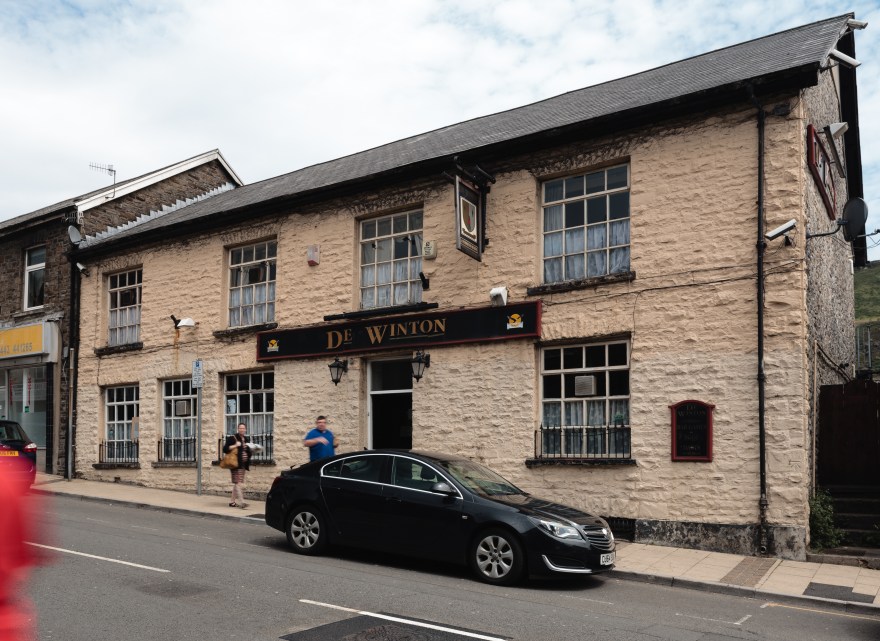
Between 5,000 and 6,000 anti-fascist demonstrators break up a British Union of Fascists meeting at De Winton Fields in Tonypandy, where thousands of people had gathered to hear BUF propaganda officer Tommy Moran speak.
37 demonstrators were summonsed to court for a total of 187 counts of riot, incitement to riot, unlawful assembly, breach of the peace and disturbing a public meeting. Of the 37, four would later go on to fight in the Spanish Civil War, which erupted just under five weeks later:
Harry Dobson, miner from Blaenclydach
Hector Manning, miner from Dinas
William Bevan, miner from Penygraig
William Price, miner from Ton Pentre
The incident would go on to be remembered as ‘The Battle of De Winton Fields’, after which demonstrators likely celebrated their successful routing of the fascists at the nearby De Winton Inn.
Nationalist “Drive for Madrid” – Chapinería, 14 October 1936
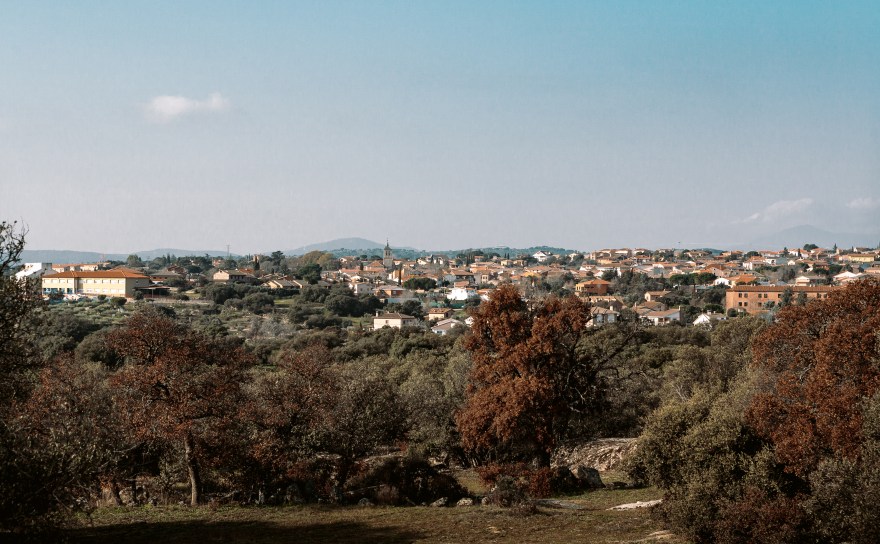
Come Autumn, the war had already claimed the life of the first known Welshman to have died in Spain. Sidney Lloyd Jones had arrived in early October ‘36. He was attached to a Spanish unit, the Muerte es Maestro Centuria, which was tasked with hunting and executing fascist spies. According to the diary of another British volunteer, Sidney Lloyd Jones died 14 October ‘36 roughly 30 miles west of Madrid during the Nationalists’ drive towards the capital. He had been leading a group in a counter-attack on Nationalist Moorish troops at the village of Chapinería when he was killed. He was buried in a grove with his comrades close to where he died. Little else is known about him.
On 22 October ‘36, just over a week after the death of Sidney Lloyd Jones, the International Brigades of the Spanish Republic would be formed.
South Wales Regional Council of Labour HQ – 42 Charles St, Transport House, Cardiff

By December ‘36 the Communist International (Comintern) had a procedure in place for funneling volunteers into Spain. One of the first points of call for volunteers from South Wales was 42 Charles Street, Cardiff — the headquarters of the South Wales Regional Council of Labour. Here volunteers would have preliminary interviews regarding eligibility, most likely by Idris Cox, the then Secretary of the Welsh District of the Communist Party of Great Britain.
Jim Brewer, miner from Abertysswg; Edwin Greening, miner from Aberaman; and Micheal O’Donoghue, miner from Merthyr Vale, all mention this location in their movements prior to leaving for Spain.
No.1 English-Speaking Company, early December – 15 January 1937
By December ‘36, volunteers were arriving in Spain in numbers. 145 English-speaking volunteers were formed into the No.1 Company of the Marseillaise Battalion, 14th International Brigade. Amongst them was a small handful of Welshmen including a party of three from Ammanford:
Bob Condon, miner from Aberman
Billy J Davies, Gilfach Goch
William John Davies “Will Castell Nedd” / “Will Neath”, miner from Ammanford
David Joseph Jones, miner from Llwynypia
William ‘Willie’ Lloyd, ex-miner / labourer from Aberaman
Sammy Morris, miner from Ammanford
Pat Murphy, seaman from Cardiff
Michael O’Donoghue, miner from Merthyr Vale
John ‘Jack’ Elwyn Williams, carpenter from Ammanford
On Christmas Eve, the 14th International Brigade was sent to the Andújar front in Andalucia to retake the town of Lopera. Insufficient training, lack of equipment and the superiority of the Nationalist army resulted in a heavy defeat for the battalion. After less than two days of fighting, the attack was called off. Amongst the heavy casualties taken by the No.1 Coy. were Pat Murphy of Cardiff, Billy Davies of Gilfach Goch and Sammy Morris of Ammanford, who were all wounded.
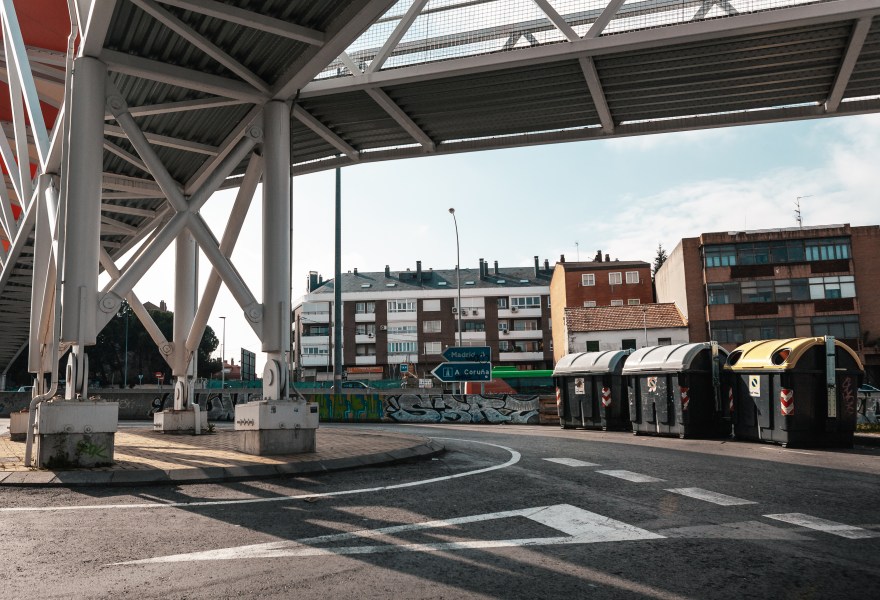
The battered remnants of the battalion were then sent directly to the defence of Madrid to the village of Las Rozas on the outskirts of the capital, in an attempt to retake the Coruña road — a vital road connecting Madrid to the port of A Coruña and the north of Spain. On the morning of 11 January, as the attack began, a heavy fog descended on the area creating havoc during the operation. By 15 January, and after little success once again, the battalion was withdrawn from what would become known as ‘The Battle of the Fog’. Of the 145 men of the English-speaking No.1 Company that left on Christmas Eve, only 67 remained.
Colletts Bookshop – 26 Castle Arcade, Cardiff
For those first volunteers of the English-speaking No.1 Company, travelling to Spain was a fairly simple process. However, following the declaration by the British Government in January 1937 under the Foreign Enlistment Act of 1870, recruiting or volunteering for the Spanish Civil War became illegal.
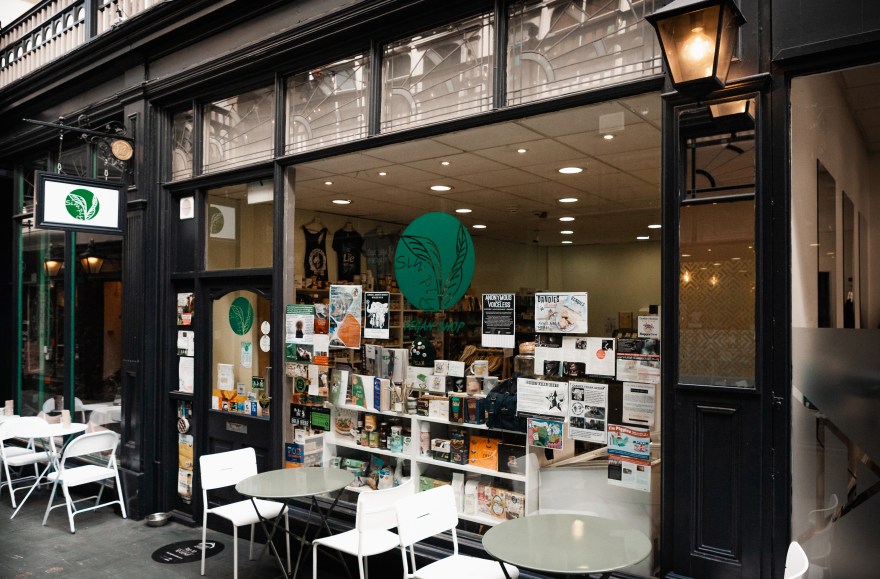
The now clandestine operation of volunteering meant that after receiving initial instructions from 42 Charles Street, volunteers were directed to the left-wing bookshop, Collets, at 26 Castle Arcade, Cardiff. The shop manager, Gilbert Taylor, who would later fight in Spain himself, would then provide volunteers with train fare to London.
Communist Party of Great Britain HQ – 16 King Street, London
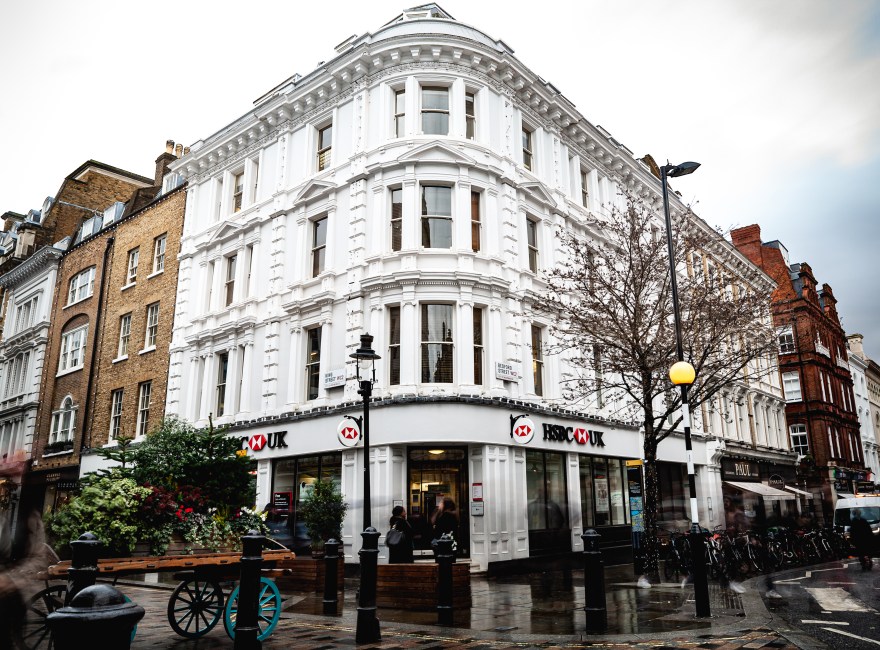
Once volunteers arrived in London, they would be taken to the Communist Party of Great Britain headquarters, which until February ‘37 was located in Covent Garden. Here volunteers would undergo further interviews and checks to be assessed for suitability to go to Spain.
The Night Ferry – Victoria to Dunkirk
“Condon said, ‘I feel like [getting] a drink, so I’m going to the bar.’ In about 10 minutes time he came back shouting, ‘everyone’s going to Spain, the whole lot!’ So we joined them in the bar and there [were] about 30 Irishmen, and they were all going to Spain… The boat was full of people singing ‘The Internationale’. Of course, this was the secret voyage that we were supposed to be making… ”
– Willie Lloyd of Aberman (The Colliers’ Crusade, BBC)
Volunteers were given money by the Communist Party at the headquarters to purchase weekend tickets to Paris. Travelling to Paris on a weekend ticket required no passport, but police and border officials would question suspected volunteers about going to Spain.
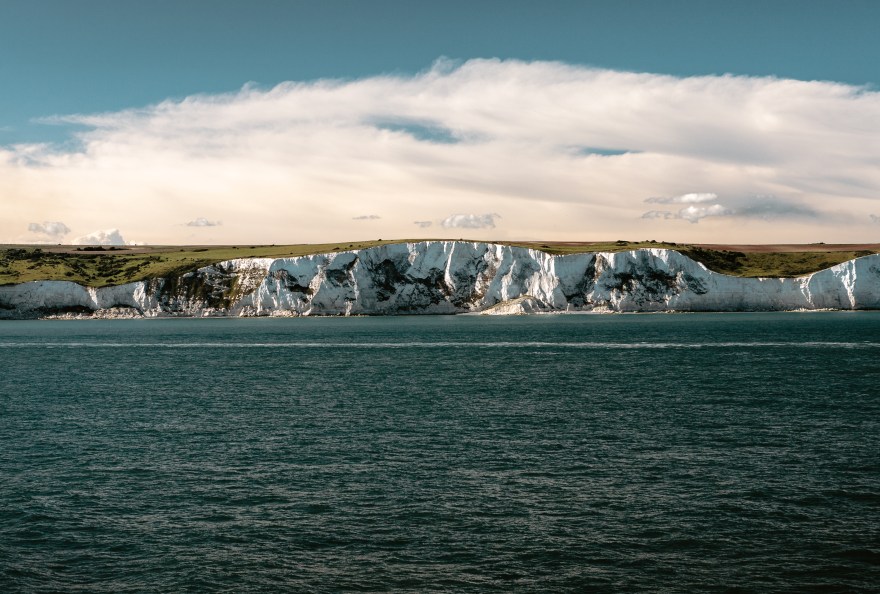
After successfully dodging officers from the Police Special Branch on the platform at Victoria, volunteers would travel on the Night Ferry, a recently introduced international boat train from London Victoria to Paris Gare du Nord. The ferry would leave Britain from Dover and arrive in France at Dunkirk.
Despite the supposed intention of secrecy, the large groups of volunteers meant that the voyage would occasionally spill over into revelry, with loud renditions of ‘The Internationale’ (the anthem of the International Brigades) being sung.
Parti Communiste Français HQ, Place du Combat, Paris
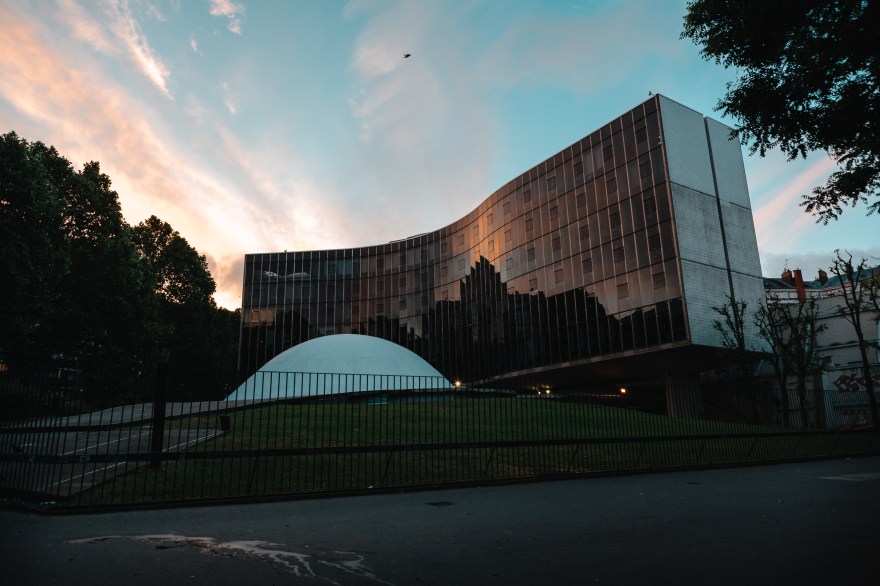
Once in Paris, volunteers had been instructed to take a taxi from Gare du Nord to Place du Combat, a plaza where the PCF’s headquarters was (and still is) located. When it came to pay for the taxi the driver would give a simple response of “Non, Salut Camarade”.
The French Communist Party was the main organisational body moving volunteers into Spain. Volunteers would be billeted in the area of Place du Combat in the 10th/19th arrondissement. Here they would remain for a number of days or weeks, receiving their final medical checks before being sent to the Spanish border. Many volunteers hold fond memories of their time in the bars and cafes of Paris. For the majority of the Welsh volunteers, this would have been the first time they had left Britain.
Leaving Paris – Gare d’Austerlitz, Paris
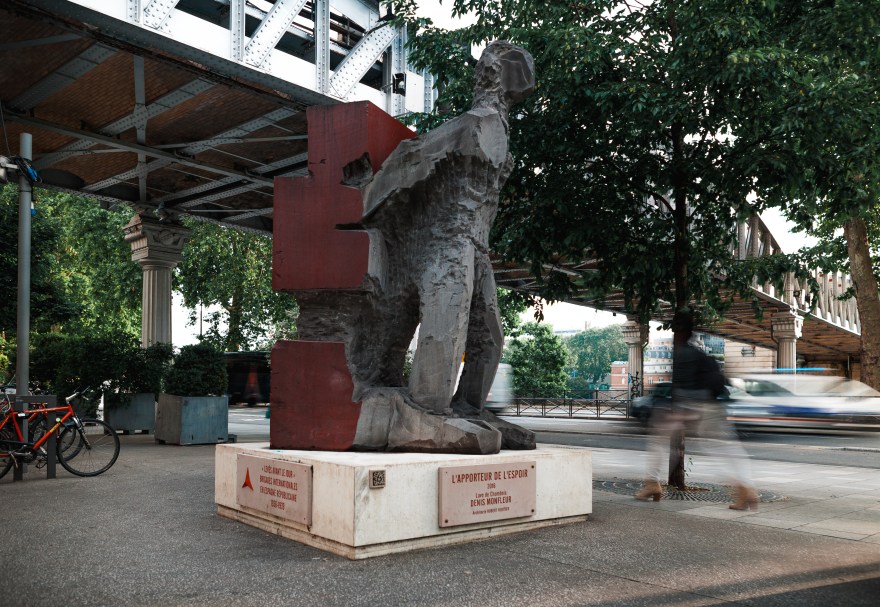
One of the main departure points for volunteers was the Gare d’Austerlitz. From here they would travel south through France by train before crossing the Pyrenees to join the International Brigades. Crowds of well-wishers and sweethearts would gather to see the volunteers off while the Gendarmes would turn a blind-eye to the entire affair.
Arles, South of France
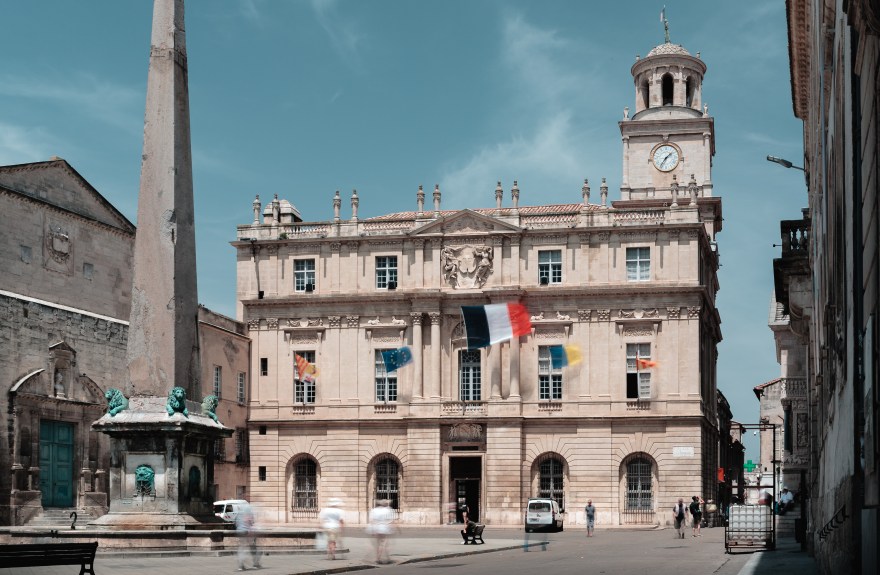
“There was this huge upstairs room under the roof, and God! there must have been 500 chaps there of all nationalities…”
– Jim Brewer of Abertysswg (IWM)
Volunteers would travel to staging areas in the south of France. According to some volunteers the city of Arles, situated on the Rhône river and once home to Vincent Van Gogh, would host volunteers in the gigantic 17th-century town hall.
*Arles in the south of France and Arles-sur-Tech in the Pyrenees were both loctions used during the crossing through France. This has caused some confusion in the research, as Brigaders themselves seem to get these mixed during their accounts.
Staging point before crossing to Spain – Perpignan
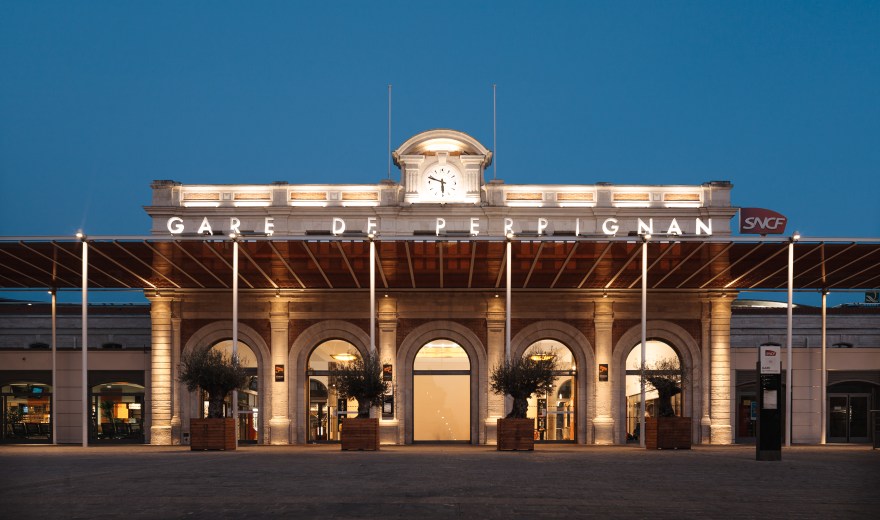
The final resting point for volunteers before entering Spain was the city of Perpignan in the south-west of France, 25km from the Spanish border. Despite the tacit cooperation of the majority of the French Police, one Welshman, Alun Menai-Williams of Gilfach Goch, would find himself feeling the full brunt of the French authorities.
Arriving at Perpignan train station towards the end of January ‘37 with a group of several other volunteers, of whom Williams was in charge, they were confronted by police after the Communist Party contact failed to meet them at the station. Unable to produce the appropriate documents, the group were dragged in front of a magistrate and incarcerated for being in contravention of the Non-Intervention Agreement — a pact signed in August of ‘36 between Britain, France, Germany, Italy, the Soviet Union, and many other countries, which agreed not intervene in the Spanish conflict. The heavy involvement of Nazi Germany, Fascist Italy, and the Soviet Union, while the governments of Britain and France both turned a blind eye to the activity of those nations, made the agreement essentially worthless, and was to the detriment of the Spanish Republican Government, which was in desperate need of supplies and assistance.
While the rest of Williams’ group were charged for vagrancy, he was able to avoid these charges due to him being in possession of the money that was given to the group in Paris. Another Welshman, Jack Roberts of Abertridwr (known as ‘Jack Russia’) had found himself in a similar predicament after being apprehended just after Williams. Roberts had travelled with two other Welshmen: Wyndham ‘Windy’ Watkins of Abertridwr and the 52-year old bare-knuckle boxer, Tom Picton of Treherbert, both of whom did not escape incarceration at Perpignan.
Williams and Roberts were sent to Marseille to report to the British Consulate, where they found little sympathy from the head diplomat there. The pair were turned out on to the streets of Marseille with no money, no contacts, and unable to barely speak a word of French. By luck and the kindness of strangers, Roberts was able to arrange for money to be sent to get back home. After several days in Marseille, once money arrived, Alun Menai-Williams and Jack Russia Roberts were able to make their way back to Britain.
Crossing the Pyrenees – Ceret
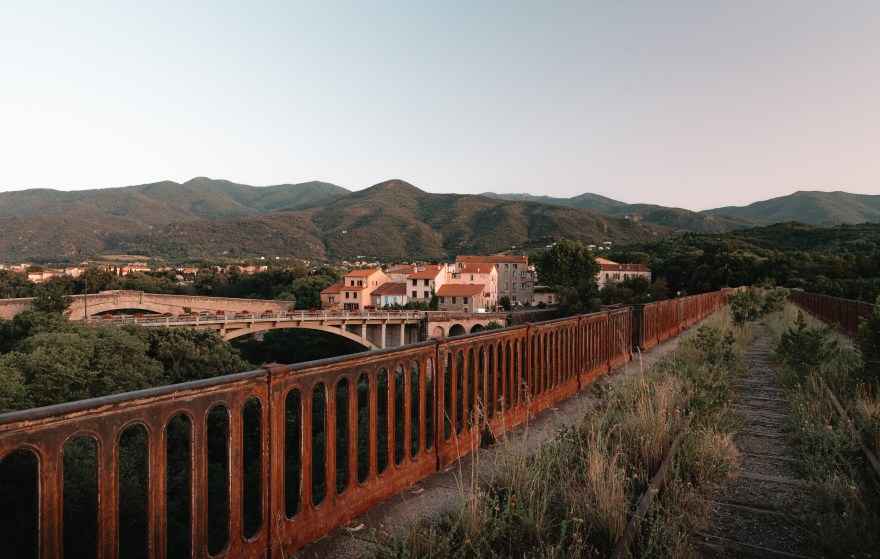
“The razor fell out onto the iron bridge, and we all froze. It was like a mammoth explosion in the dead of the night.”
– Leo Price of Abertridwr (The Collier’s Crusade, BBC)
From Perpignan, groups of volunteers would be transported at night to small towns such as Ceret at the foot of the Pyrenees mountain range. Volunteers were told to relieve themselves of any cumbersome possessions, and were then handed a pair of rope sandals each; to be worn for the duration of their crossing into Spain. The arduous journey was to be made at night while making as little sound as possible to avoid capture by French border authorities.
Jim Brewer of Abertysswg was responsible for a terrifying moment when the party that he was travelling with were crawling silently on all-fours over a railway bridge, when, on two occasions, parts of his steel shaving razor fell from his waistcoat pocket tumbling against the struts of the iron bridge as they fell, causing thundering sounds that reverberated across the ravine over which the bridge stretched. Welshmen Leo Price of Abertridwr and Jack ‘Russia’ Roberts of Abertridwr (on his successful second attempt at entering Spain) were both witnesses to this harrowing moment.
French and Spanish Border – Coll de Lli
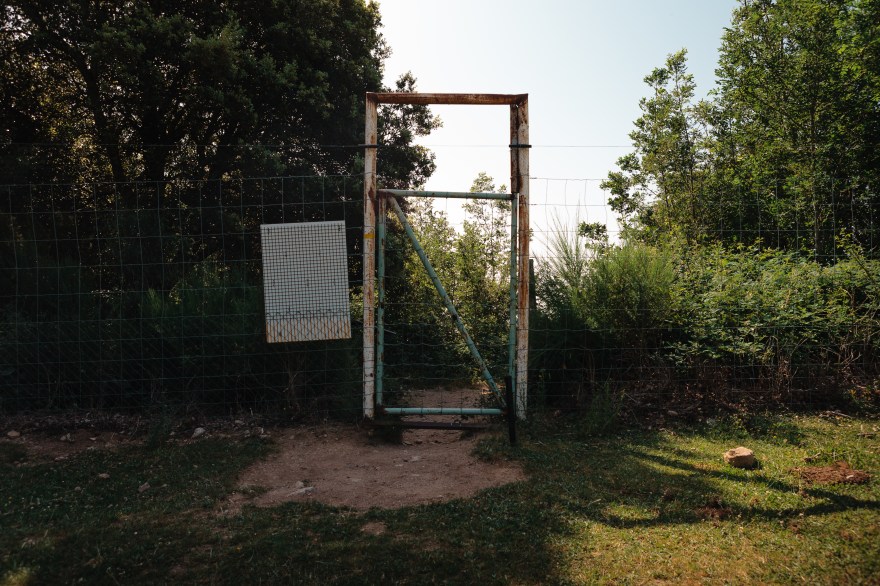
Just as dawn was breaking — [in] the first light — we were right on top, and we’d passed into Spain. And by God, it was a vivid dawn, that. Because the Mediterranean was shrouded in mist: The sun was coming up through it and there was this enormous panorama of colour in the sky, and the odd little hill sticking out. It was just like a Van Gogh landscape. It was absolutely marvellous. And then, of course, we met the Spanish guides on the other side and down we went, then, to a little refugio. There [were] some monks there… They brought out some steaming bowls of coffee made with goats milk, and hunks of bread. So we tucked into that… and then continued our descent.
– Jim Brewer of Abertysswg (IWM)
Several routes and crossing points were used by the guides, often out of necessity to avoid detection from French border guards. After many hours of hard walking and climbing the smugglers’ routes and small cattle tracks in their rope sandals, volunteers would reach the border of Spain as dawn began to break. From the heights of the Pyrenees, the volunteers would gain their first view of the country which they were dedicating themselves to fight for. For many who set out from the foothills in France, the trek over the mountains would prove too difficult, being forced to turn back or stay put to be picked up by the French border patrols.
One of the main routes led to a small ‘refugi’ (refuge for pilgrims), which was used as a resting point where volunteers would be given hearty meals by the monks; consisting of sardines, bread, and coffee.
Arrival point in Spain – Agullana, Spain
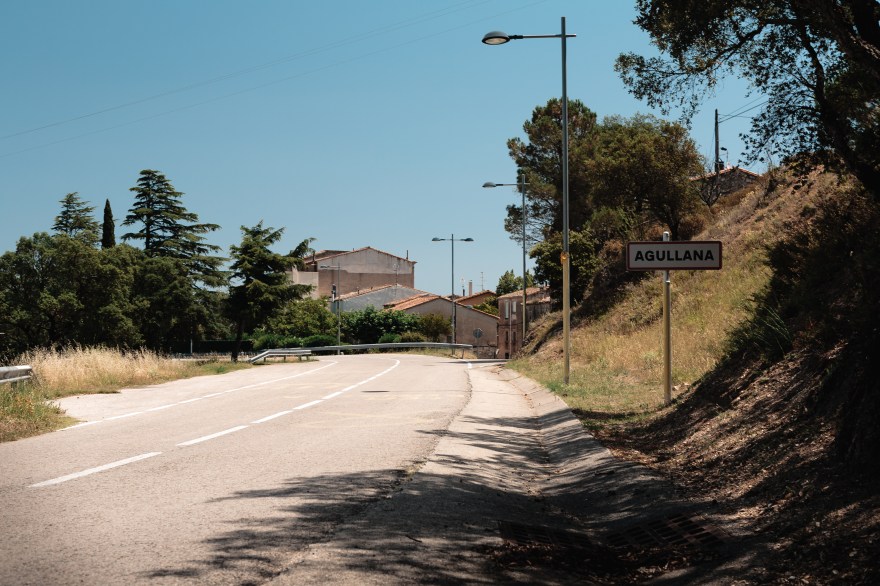
Now in Spain, and in the possession of soldiers of the Spanish Republican army, volunteers would then be marched to pick-up points where lorries would be waiting to transport them to their next destination. At least 10 Welsh volunteers are known to have arrived via the small town of Agullana, one of the main arrival points. The vast majority would have travelled through here or a small village slightly further to the north called Maçanet de Cabrenys.
Castell de Sant Ferran – Figueres, Spain
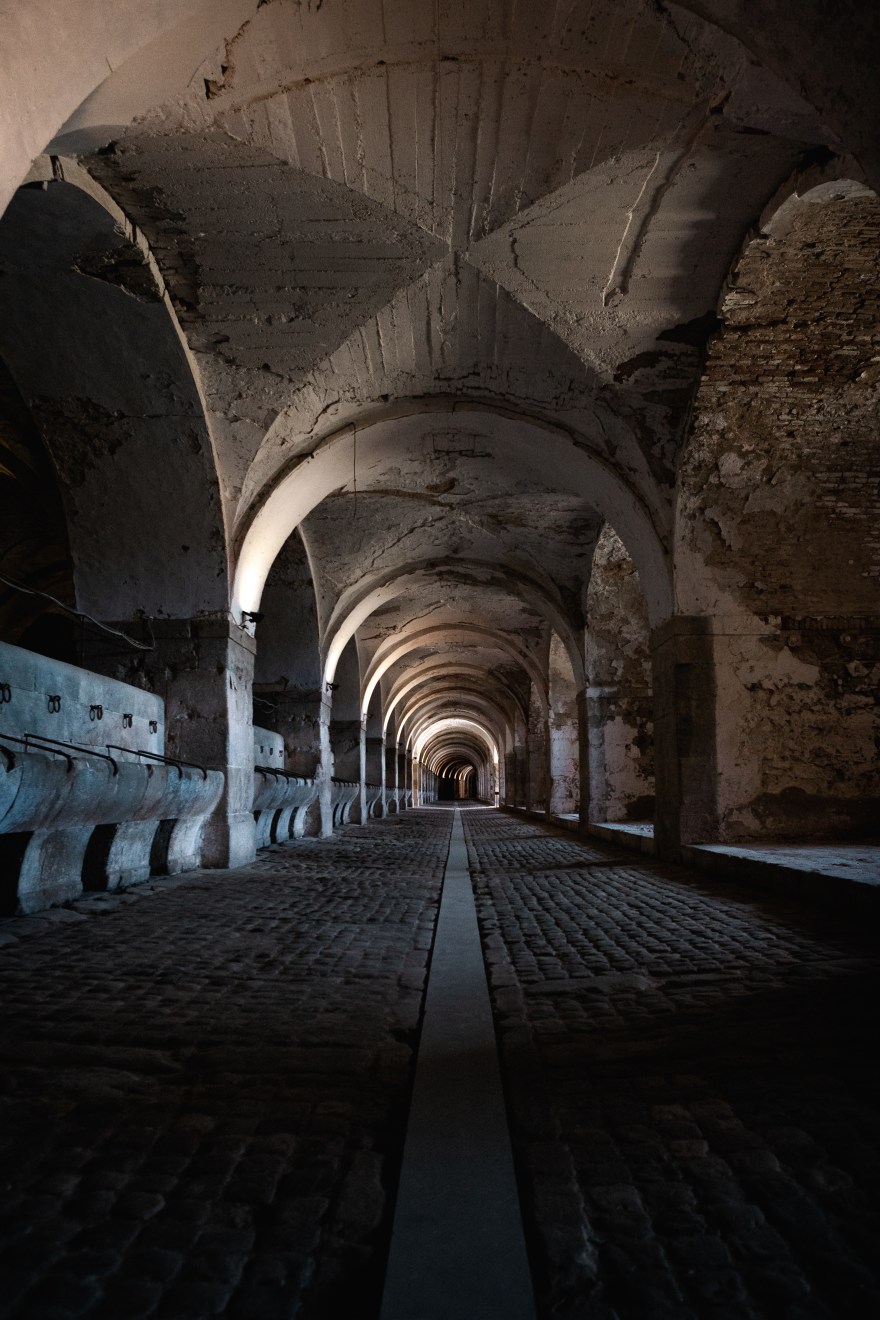
“I’d never seen so much excreta around the walls of a place — like if all the sanitation had broken down and people excreted where they could”.
– Edwin Greening of Aberaman (IWM)
All volunteers would be transported by truck to the imposing 18th-century fortress of Castell de Sant Ferran, placed on a hill overlooking the Catalonian town of Figueres — the birthplace of artist Salvador Dalí. Here, volunteers would be registered for the Spanish Republican Army and given uniforms of various strange assortments. The thousands of volunteers of all nationalities were billeted in the cramped stables in the bowels of the fortress, where living conditions were poor. Here they would remain for a number of days or weeks, undergoing limited basic training while they awaited transportation to the next step of entering the Spanish Civil War. The atrocious conditions in the fortress described by the volunteers create an image akin to the surrealness of Dalí.
Karl Marx Barracks – Barcelona
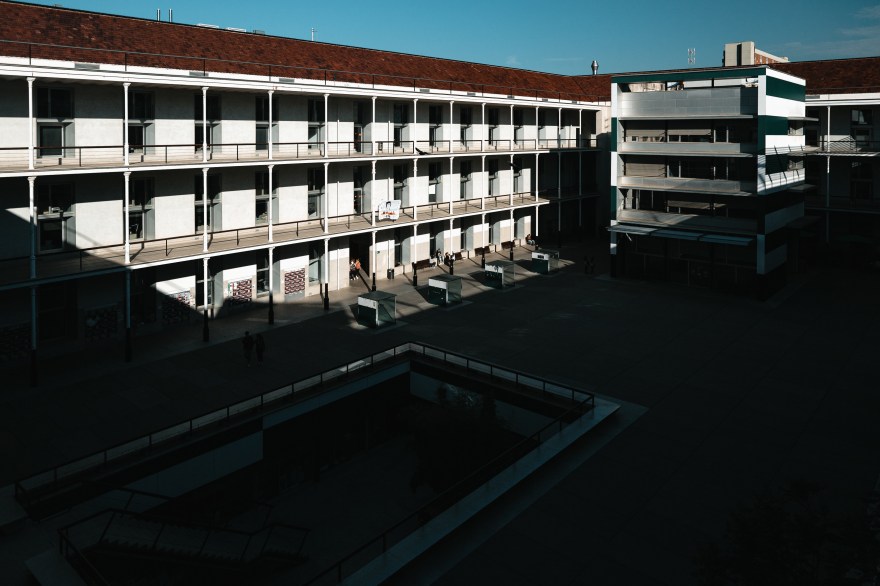
As a stopping point, volunteers would spend a few days in Barcelona at the Karl Marx Barracks. Here they would be paraded in front of the people of Barcelona and receive some additional basic training.
International Brigades HQ – Albacete
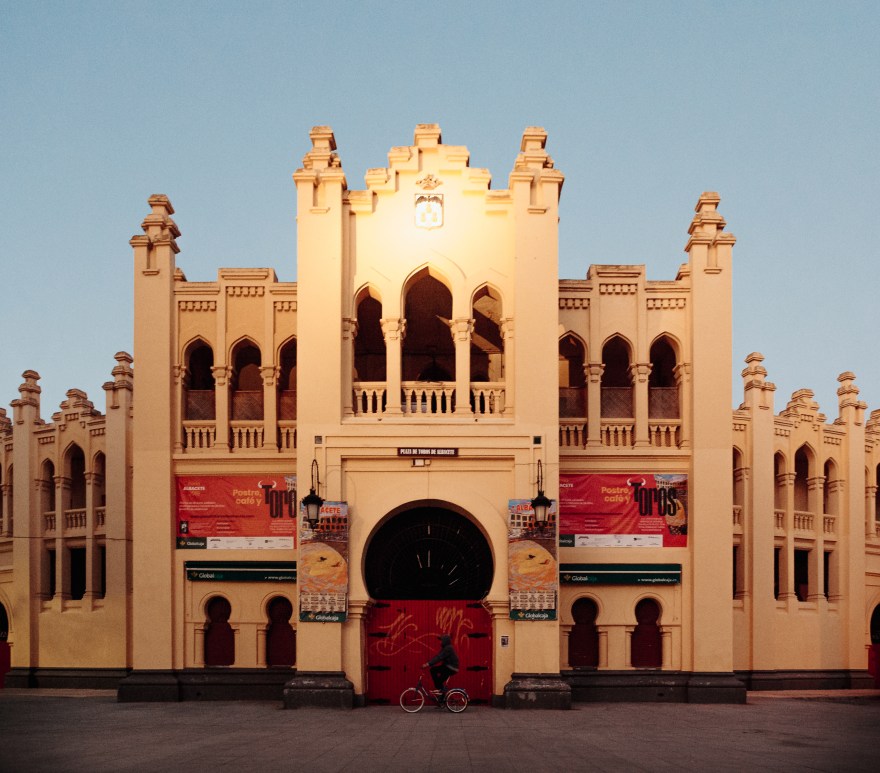
From Barcelona via Valencia, on what volunteers describe as a painfully slow train journey, the volunteers would arrive in the city of Albacete, the capital of the La Mancha region, located roughly mid-way between Madrid and Valencia on the flat plains that span the land between the two cities.
On arrival, volunteers would be taken to the city’s bullfighting ring and sorted according to their nationality.
British Battalion HQ – Madrigueres

The final destination for volunteers was the International Brigade training camp and headquarters of the British Battalion. It was here that, in the late January of ‘37, the veterans of the English-speaking No.1 Coy. that had fought in December and January at Lopera and Las Rozas joined with 450 new British, Irish and Dominion recruits to form into the British Battalion, which along with three other battalions of volunteers from other nationalities together would make the 15th International Brigade.
The British Battalion was to be composed of three infantry companies — No.1 Coy., No.3 Coy., and No.4 Coy., as well as a machine-gun company — No.2 Coy.
Battle of Jarama – ‘Suicide Hill’, 6-27 February 1937
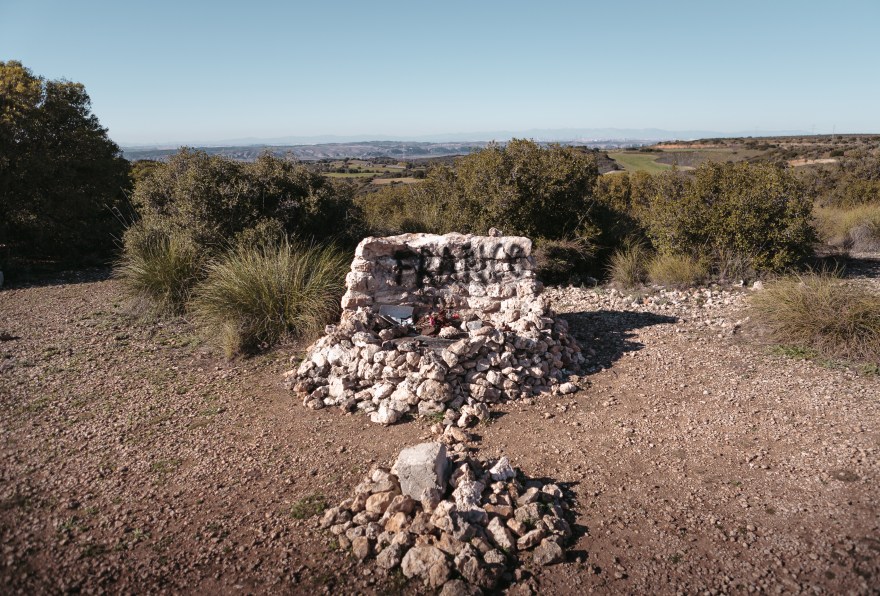
On the bright, sunny Spring-like morning of 12 February ‘37, in the Pingarrón hills overlooking the east bank of the Jarama river valley — some 25 km south-east of Madrid — the 500 hundred men of the newly formed British Battalion would see its first day of combat as a unit.
The British Battalion, along with the other battalions of the 15th International Brigade, had been sent to assist the 11th, 12th and 14th International Brigades in holding back a Nationalist attack on the western bank of the Jarama River. Unbeknown to the battalion at that time, was that the Nationalist forces had managed to cross the river during the night, and were now in danger of breaking through to the Valencia-Madrid road — a route crucial to the survival of Madrid.
After a short advance, the British Battalion became heavily engaged with a battalion of expert Moorish troops from General Franco’s Spanish Morrocan Army of Africa. They fell back to positions on, and surrounding, the ridge that would become known to them as ‘Suicide Hill’. From these positions, the snow-covered mountains of Sierra de Guadarrama and the city of Madrid could be seen in the distance to their north. Despite their determination, the rag-tag band of men of the British Battalion would find themselves severely outmatched by the superior skill, tactics, and firepower of the Nationalist forces and the Moorish troops, who pounded the British with machine-gun and artillery fire. This would not, by any means, be the last time during the war that the British Battalion would find themselves facing a far superior enemy.
By the evening the battalion had fallen back to a ‘sunken road’ behind the ridgeline. A mix-up (or sabotage) with the machine-gun ammunition meant that the guns had been out of action for the entire day, which contributed to the battalion’s heavy losses. However, the guns would be used to deadly effect once the correct ammunition was brought forward, as they cut through hundreds of Moorish troops that were allowed to march into open ground, believing that they were advancing towards an almost spent force. Tony Hyndman of Cardiff had been one of the men tasked with bringing the correct ammunition forwards to the guns while dodging bullets from strafing planes overhead. He would later suffer from shell-shock and disappear along with David Hooper of Gelli.
Despite the effectiveness of the machine-guns, throughout the day the three rifle companies consisting of 400 men had been decimated to less than half strength, with 100 men dead and 145 wounded. Amongst those that died on the British Battalion’s first day of combat was a young quarryman named George Fretwell of Penygroes in North Wales, who had been a sergeant in the British Territorial Army. Jack Taylor from Swansea was also killed — he was last seen dressing another man’s wounds while he himself was badly wounded.
The second day of fighting had been more successful until, while positioned back on the ridgeline, the rifle company protecting the machine-gun company’s flank fell back under heavy artillery bombardment. Without protection of its side, the machine-gun company’s position was completely overrun, with many being killed and 27 men being captured, including Welsh Londoner Maurice Goldberg. Most of the machine-guns were captured by the Nationalists and then turned around onto the British, which by the end of the day had been reduced to just 150 men from the 500. David Joseph Jones from Penygraig was killed by sniper fire during the day’s fighting.
Despite a counter-attack the next morning which recaptured some of the lost machine-guns, a Nationalist air and tank attack in the afternoon threw the defenders into disarray and the battalion relinquished the sunken road to the enemy, falling further back to a ‘Cookhouse’ that was set up in the battalion’s rear. According to one volunteer’s account, it was an unknown Welshman that was last to leave the line, refusing to retreat as Nationalist troops advanced. Instead, he went out to meet them with his bayonet but was cut-down by machine-gun fire almost instantly. It’s likely that this man was Harold Davies of Neath who is the only Welshman to be listed as dying that day. However, this could have also been Bill Coles of Cardiff, whose exact date of death is unknown. By the afternoon of the British Battalion’s second day of fighting, there was now nothing standing between the Nationalists and the Valencia-Madrid road.
In the evening, after being rallied by some of the battalion’s leaders, a group of men was mustered and advanced towards the Nationalist lines. As they marched, they began to sing ‘The Internationale’ and were soon joined by stragglers and men from other battalions. In chaotic night-time fighting, which often involved brutal hand-to-hand combat, the men managed to force the Nationalists back and plug the gap in the Republican lines to prevent the capture of the Madrid-Valencia road.
From then, until the end of the war, the line became static, the British Battalion remaining there until June ‘37.
At least 30 Welshmen participated in the Battle of Jarama and many more would have their first experience of the war on the static Jarama front. One of the Welshmen to die on the front was Jack Harries of Llanelli, who it seems was wounded during the first days of fighting but then sent back to the front and killed on 2 April by a shot to the neck, either by a ricochet bullet, friendly fire, or an enemy behind the lines.
Arthur Wigley Morris, a Canadian expat from Cardigan, died on his first day of fighting while with an Irish unit in the American (Abraham Lincoln) battalion during a failed counter-offensive on 27 February ‘37.
Nine Welshmen are known to have died at Jarama in total, with another three missing, including Harold Patterson of Penarth
Some of the Welsh known to have been wounded are Bob Condon of Aberaman; Billy Davies of Gilfach Goch; William Morrison of Meardy and William John Thomas of Aberavon.
Sinking of the ‘Ciudad de Barcelona’, 30 May 1937
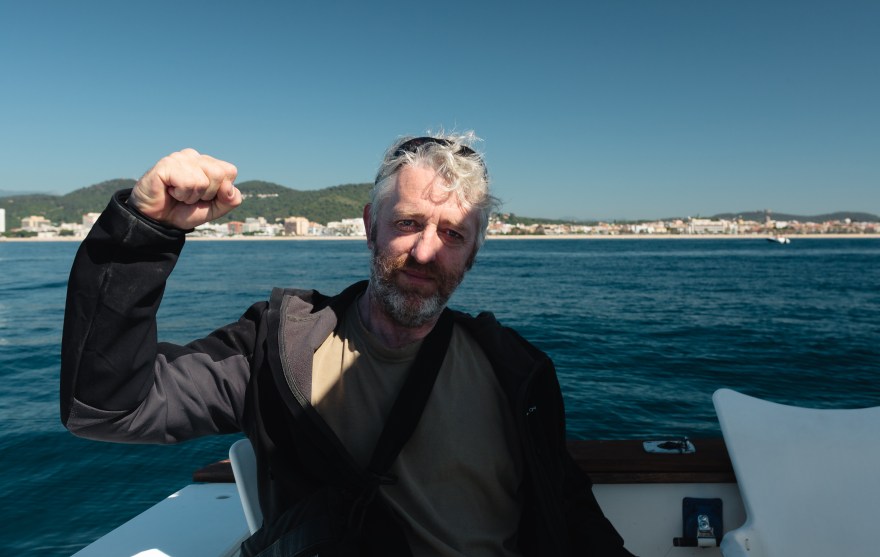
For Alun Menai-Williams, the experience of entering Spain would be different from many of the other volunteers. After a short period of time in the UK, following his arrest at Perpignan, Williams decided to make a second attempt at entering the war. This time, due to his experience in the military, he would be part of a group of ex-military volunteers that were transferred to Bordeaux. There they would await transportation by fishing boat over the Bay of Biscay directly to Santander in the Basque region of Spain. After two aborted attempts at reaching Santander, due to the blockade of Spanish ports by Nationalist and Italian warships, and then the inevitable fall of the Basque region, the group was transferred to Marseille. Here they would join a much larger group of 200-300 volunteers on a cargo boat, the Ciudad de Barcelona, destined for the Catalonian capital.
Williams would be in the company of several other Welshmen that are known to have been on-board: Harold Dobson of Blaenclydach, Alwyn Skinner of Neath, Emlyn Lloyd of Llanelli and Ron Brown of Aberaman.
The pleasant weather of late spring had brought many of those on-board up on deck including Williams, despite orders to stay below. At around 3pm, as the ship passed 2km off the coast of the small fishing village of Malgrat de Mar, less than 60km up the coast from the port of Barcelona, the ship was fired upon by an Italian submarine. The torpedo plunged into the ship’s aft close to the engine room where it exploded, killing many instantly and trapping many more inside.
Volunteers darted to and fro looking for life jackets or climbing into lifeboats. The stern of the rapidly sinking ship was disappearing beneath the waves. Two of the lifeboats were underneath the water before they could be freed, another two were successfully launched while one overturned, throwing its occupants into the water and then crashing down on top of them. The hundreds of people now in the water clambered onto any piece of debris they could find or quickly swam away to escape the force of the sinking ship dragging them below with it. The ship was completely submerged in a matter of minutes.
Around the area of the sunken vessel, the crystal blue of the Balearic Sea was tinted crimson as bodies and flotsam bobbled on its oily surface. Many witness accounts of the incident tell how voices of volunteers still trapped within the ship could be heard singing ‘The Internationale’ as it sank beneath the ocean.
Williams had been one of the many that opted to jump overboard. He describes his fear during the two hours he was in the water — a feeling described by many other witness accounts. Their ordeal continued as a Republican plane dropped depth charges close to the survivors in an attempt to hit the submarine — the force of the underwater explosions thrashing them around in the water. The confusion at this time was so much so that some believed it to be an enemy plane and huddled in terror thinking it was about to strafe them, as it flew low over the water attempting to attack the Italian submarine.
Those in the water were eventually picked up by locals in fishing boats then taken ashore. Many survivors describe the kindness shown to them by these locals. They also describe their surprise to find out that these locals were anarchists, who the volunteers had been told would likely shoot volunteers associated with the communists. Once the group reached Albacete, Williams became separated from his compatriots and was thrown into the action as the medic for a German (Thaelmann) Battalion of the 11th International Brigade, who were dug-in on the Jarama front.
At least 23 of the survivors of the sinking of the Ciudad de Barcelona would later be killed while fighting, including Harry Dobson, while Emlyn Lloyd would be badly wounded. Alwyn Skinner is assumed to have been killed, but his exact fate is unknown and something of a mystery. According to Williams, there was also an unknown man from Swansea aboard the ship who drowned.
British Base and Officer Training School, Tarazona de la Mancha
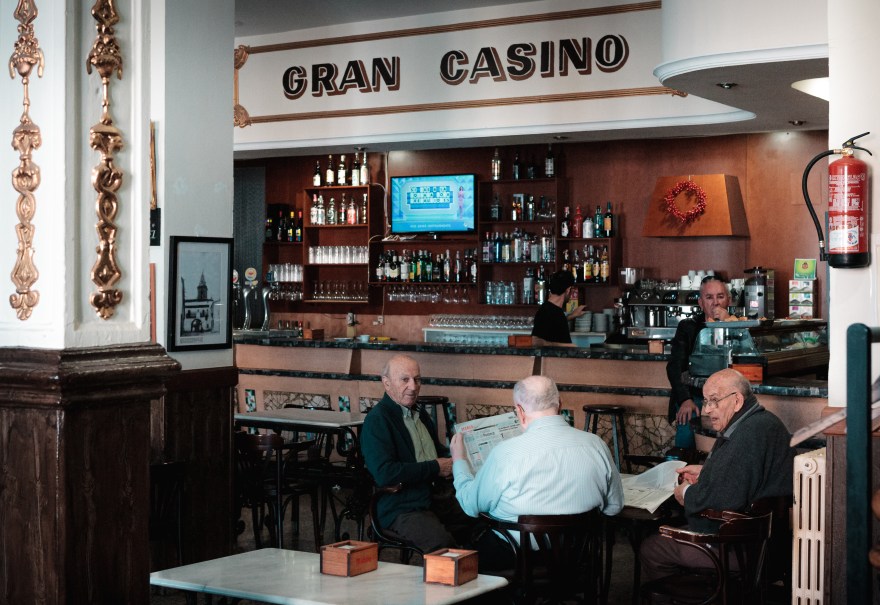
Following the losses at Jarama, the British Battalion would never be an entirely British unit again, with Spanish soldiers brought in to make up the numbers. However, during the Spring and early Summer of ‘37, there had been an influx of Welsh volunteers. By July their numbers had swollen to the largest contingent of Welsh involvement during the war. British recruits were billeted in the central plaza of the small village Tarazona de la Mancha, a short distance from battalion HQ in Madrigueras. After the day of training and political seminars, volunteers had little to do and many would frequent the few bars in the village.
Certain Welsh volunteers had also come into prominent roles in the Battalion. Due to his actions at Jarama, Welshman Alec Cummings of Cardiff had been promoted to commander of the No.1 company. While another Welshman, Will Paynter, took up a top position as the battalion’s political commissar. Paynter was a trade union leader from Cymmer who had been convinced by the South Wales District of the CPGB to take responsibility for the political education and organisation of the battalion. The village of Tarazona de la Mancha was the location of the Officer’s Training School where many Welshmen would attend during the course of the war.
Welsh volunteers known to have attended OTS: Archie Cook of Ystrad Rhondda, Ben Davies of Cwmbran, Harry Dobson of Blaenclydach, J Evans of Ferndale, Tom Glyn Evans of Kenfig Hill and Jack ‘Russia’ Roberts of Senghenydd
The Battle of Brunete – Villanueva de la Cañada, 6 July 1937
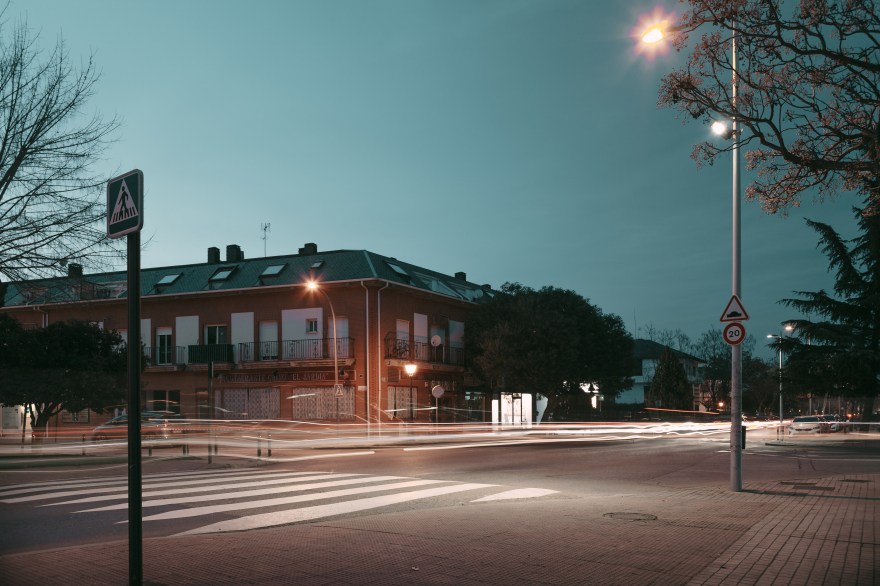
The Battle of Brunete began on 6 July, approximately 24km west of Madrid. The attack was intended to divert the attention of the Nationalists in order to relieve pressure on the Spanish capital. The Republican forces would advance from the north and the south, attempting to encircle the Nationalists. The British Battalion would be involved in the attack from the north with the objective of taking the village of Villanueva de la Cañada. They were sent in and circled around the west of the village to reach the Brunete-Villanueva de la Cañada road in the south. The Nationalists fought back hard against the assault, forcing the British to wait in the searing heat of the Spanish summer until nightfall.
According to memoirs of British volunteer Walter Gregory, a Welshman (known to Gregory as ‘Taffy’) was killed as they moved towards the ditches next to the road. It is deduced by author Graham Davies that either William Morris of Llanelli or Richard Horridge of Swansea was the man that Gregory saw killed.
At dusk, the British moved into the village. As they did so, a group of villagers began to emerge towards them. The men of the battalion were letting them through when they came under fire from Nationalist soldiers trying to escape using the civilians as human shields. The Nationalists threw grenades and the British were forced to return fire, resulting in many civilian casualties. Billy Davies from Gilfach Goch, a close friend to Alun Menai Williams and one of the first Welsh volunteers, was killed during the incident. Another veteran, Pat Murphy of Cardiff, was wounded in the groin from a grenade thrown by Nationalist troops behind the civilian shield. Leo Price of Abertridwr, one of the party to have crossed with Jim Brewer, was also wounded. The new commander of No.1 Coy., Alec Cummings, would also be badly wounded during the first day of the battle. However, after heavy fighting, Villanueva de la Cañada was captured by midnight.
The Battle of Brunete – ‘Mosquito Ridge’, 7-11 July 1937

The next day, the majority of the brigade moved east and crossed the Guadarrama River. Robert Trail of Radyr was killed during this time as the battalion advanced through other villages clearing them of Nationalist troops.
The battalion then moved further east to take a crest in the heights near the village of Boadilla del Monte known as ‘Mosquito Ridge’. From 7 to 11 July, the battalion made multiple attempts to take the Nationalist’s well-fortified positions, leading to heavy losses.
The severe lack of water would also be a factor in the battalion’s casualties. During the battle, Alun Menai-Williams had been with the second American and Canadian battalion — the recently formed George Washington Battalion. He had received a minor wound during the battle but returned quickly to his dressing station located at the foot of Mosquito Ridge. He recalls how the several dozen wounded men lying in the dry riverbed were all desperately calling out for water. A volunteer with Williams had noticed water leaking from a pipe resting across the riverbed nearby. Despite warnings from Williams that the location was under fire, and knowing the danger fully well himself, the man attempted to retrieve water for the dying men and was killed for his efforts. Many of those that died during the battle were buried in the riverbed where their remains likely could still lie today. Remains such as those of Frank Owen from Maerdy, whose body Jack ‘Russia’ Roberts would come across perched against a tree next to the riverbed while desperately searching for water himself.
Eventually, the conditions and the enemy proved too difficult to conquer. The failure of capturing the ridge brought an end to the offensive and the 15th International Brigade was forced into a retreat. Many in the battalion took the view that capturing Villanueva de la Cañada was unnecessary, losing them the element of surprise in taking the much more crucial objective of Mosquito Ridge.
On 11 July, the battalion was moved into reserve positions but was continually bombarded, leading to further casualties. One week later, Nationalists launched a huge counter-offensive forcing the Republic to finally withdraw in defeat. Sammy Morris of Ammanford, one of the early volunteers who had fought at Lopera and Las Rozas, appears to have died on 17 July, either from wounds received at Mosquito Hill or during the bombardment while in reserve. John ‘Jack’ Elwyn Williams, another of the party of three from Ammanford that arrived in early December ‘36 was killed either while in reserve or once the battalion returned to the front line to repel the Nationalist counter-offensive.
Of the 331 British in the British Battalion at the beginning of the offensive, only 42 remained at the end. 13 Welshmen were wounded and 11 were killed.
Welsh Wounded during Battle of Brunete:
Alec Cummings, Cardiff
Harry Dobson, Blaenclydach
Evan Ellis, Caerphilly
Pat Murphy, Cardiff
John Murray, Nantyffyllon
Charles Palmer, Llandudno
George Poustie, Treorchy
Leo Price, Abertridwr
Wyndham Watkins, Abertridwr
Robert Watts, Swansea
Alun Menai Williams, Gilfach Goch
Roland ‘Rowley’ Williams, Trelewis
Welsh Fatalities:
Fred White, Ogmore Vale, 6 July 1937
William Davies, Tonypandy, 6 July 1937
Sidney Hamm, Cardiff, 6 July 1937
Roman Rodriguez, Dowlais, 6 July 1937
William Morris, Llanelli, 6th (?) July 1937
Richard Horridge, Swansea, 6th (?) 1937
Robert Trail, Cardiff, 7 July 1937
Frank Owen, Meardy, 7 July 1937
Sammy Morris, Ammanford, 17th July 1937
John ‘Jack’ Elwyn Williams, Ammanford, 18th (?) July 1937
Victoriano Esteban, Abercraf, July 1937 (Exact date unknown)
Aragon Front – Quinto, 24 August 1937
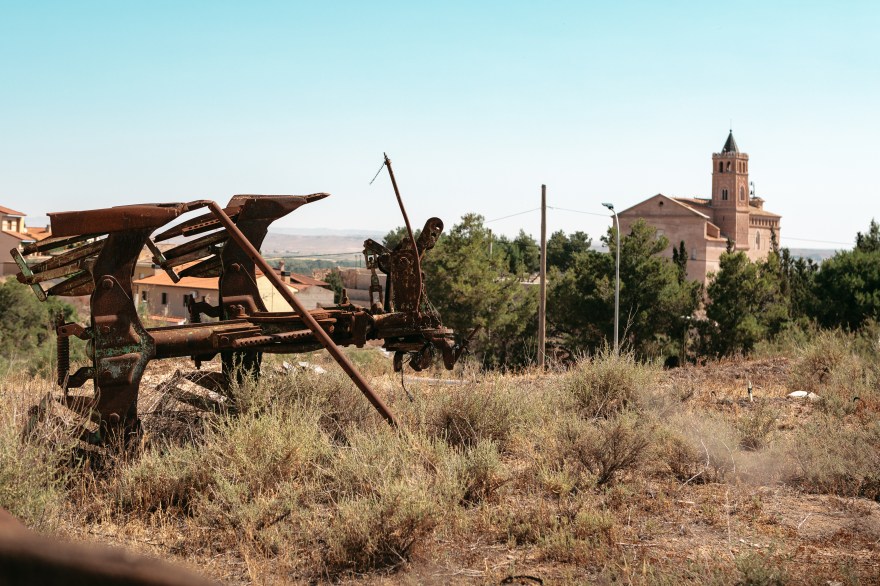
The British Anti-Tank Battery of the 15th International Brigade was an elite new unit of about 40 men put together before the battle of Brunete and trained to operate experimental Soviet 45mm guns. Similarly to the Italians and the Germans, the Soviet Union was also taking the opportunity to test new tactics and military hardware during the conflict. Despite limited use during the Battle of Brunete due to heavy bombardment of the unit’s positions, they were highly effective weapons capable of firing armor-piercing and high explosive shells. Six Welshmen served with this unit, including Jim Brewer (whose razor had fallen from his pocket onto the railway bridge during the crossing into Spain). George Baker of Gelli, Archie Cook of Ystrad Rhondda, Morgan Havard of Craig-Cefn-Parc and Tom Jones of Rhosllanerchrugog, who would become known as ‘Twm Sbaen’ (‘Tom Spain’) after the war, were all also with the British Anti-Tank Battery. In something of a strange incident, Victoriano Esteban of Abercraf was either killed or went missing during the battery’s first action at the Battle of Brunete. The exact circumstances of his death or disappearance are unknown. Esteban had been one of three from the Spanish community in Abercraf to make the journey to Spain.
In August ‘37, the Republican Army planned to launch an attack to take the City of Zaragoza, the regional capital of Aragon. The Anti-Tank Battery would have their first major engagement during the offensive, which began on the morning of 24 August at the town of Quinto, 40km south-east of Zaragoza.
An all-out attack forced the Nationalists from their outer defences back into the well-fortified town. Sniper fire was coming from the town’s church bell tower and Jim Brewer was one of the men manning the soviet 45mm gun returning fire on the sniper’s nest. While displaying a high degree of accuracy, the unit was able to drive the sniper from the tower. The sniper was then caught trying to escape disguised as a civilian. Despite some conjecture, as a result, the sniper was sentenced to death by firing squad. When asked to be part of the firing squad that carried out the sentence Brewer refused, believing that the man had the right to a trial and it was a matter of honour, as he felt that the sniper had had a clear opportunity to shoot at him when helping a wounded comrade earlier in the fighting, but had not done so.
Following a day of urban close-quarter fighting, Quinto was taken by the 15th International Brigade.
Aragon Front – Purburell Hill, 25-26 August 1937
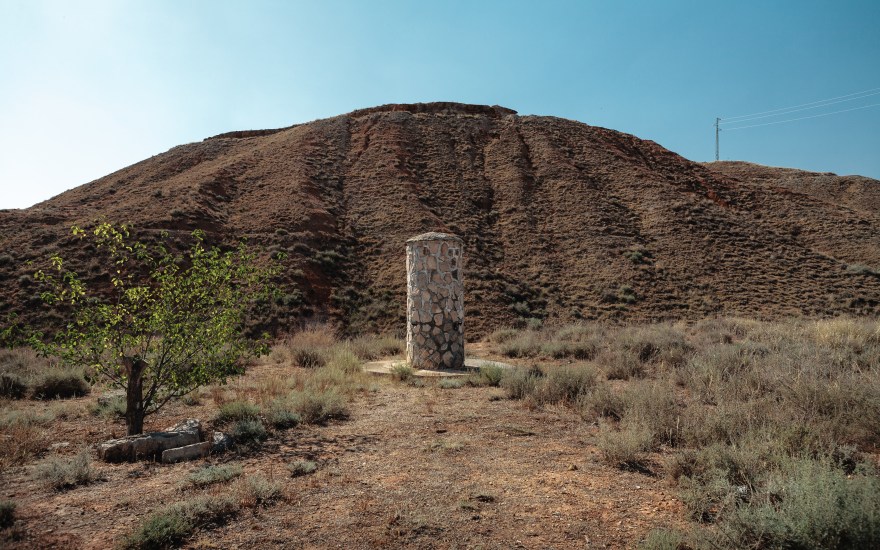
The next objective was to secure the area surrounding Quinto. This took the British Battalion to a hillock called Purburell Hill that overlooked the town. Again, the Nationalist position was extremely well fortified. With little tactical know-how in taking such a position, the battalion accrued many casualties in their attempts to capture the hill, including Jack ‘Russia’ Roberts who was shot in the shoulder and repatriated to contest his seat on the Caerphilly Urban District Council. That night a group of Nationalist soldiers was captured as they left the defences in search of water. They provided crucial information on the defensive positions, and with the help of the Anti-Tank Battery and mistaken friendly fire by Nationalist planes, Purburell Hill was eventually taken the next day. The heavy fighting and tactical mistakes in the attempts to take the hill had now reduced the battalion to 100 men.
Aragon Front – Battle of Belchite, 27 August – 6 September
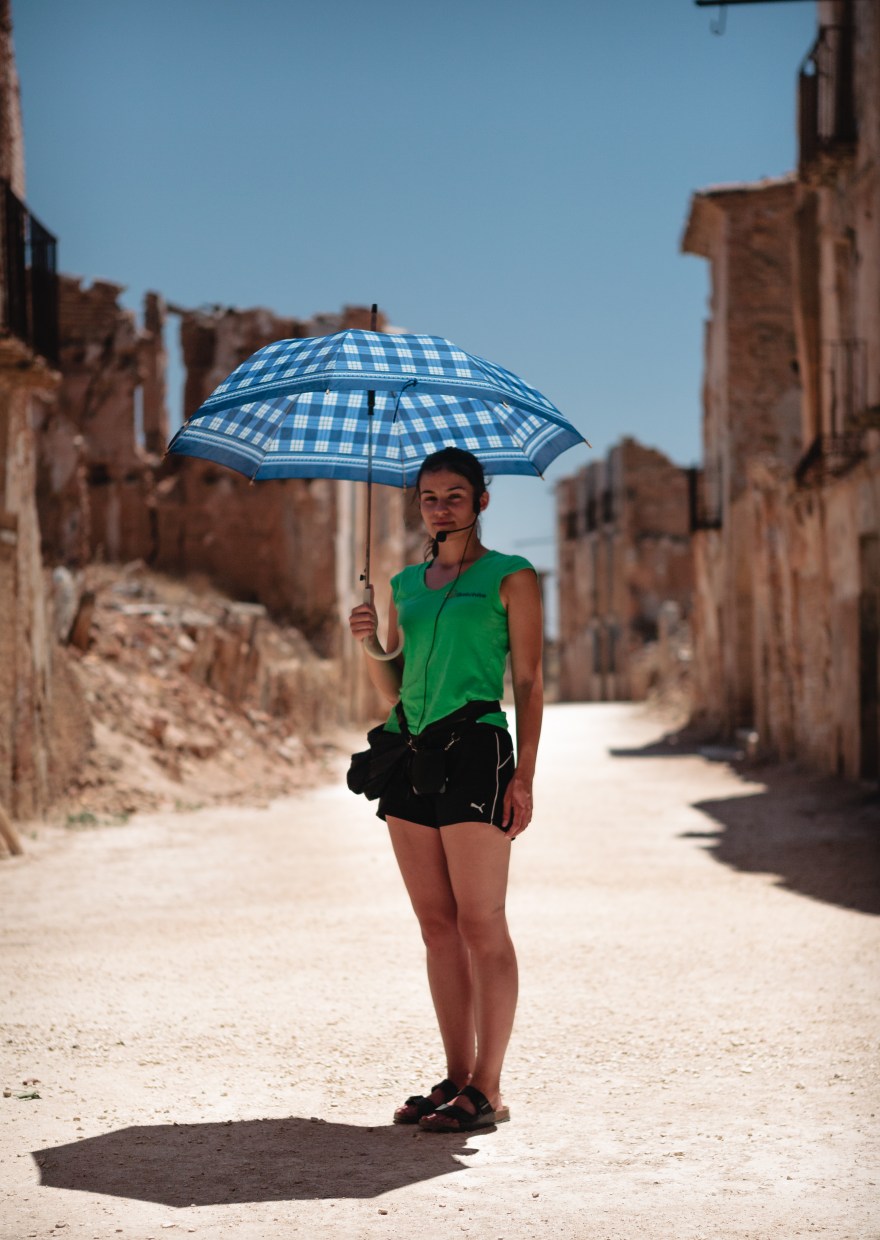
On 27 August the battalion was sent to the small town of Belchite and then ordered to move 10km north to Mediana to hold off Nationalist reinforcements. The British Battalion attacked the Nationalists forcing them back into the Mediana then took up positions on the adjacent hillsides that dominated over it.
The Anti-Tank Battery had joined the other battalions of the 15th International Brigade in the assault on the town of Belchite itself. During the course of the first two days, the unit rained down a deadly barrage, firing around 2,700 shells on the town.
After several days, the British Battalion joined the push into Belchite. Descriptions of the battle by volunteers depict scenes of utter destruction, as well as brutal house-to-house fighting involving grenades and burning buildings occupied by the Nationalists. Alun Menai-Williams gives a horrific account during the battle of when a Nationalist soldier was brought to him who was so badly burnt that he agreed to being relieved of his pain with a gunshot in the head by a Spanish stretcher bearer. The 15th International Brigade successfully managed to take the town, but by the end of the attack, Belchite was left in complete ruins, which remain untouched to this day as a monument to the devastation of the war.
The 15th International Brigade was then thrown into action again on 15 October to attack the Nationalist held town of Fuentes de Ebro in the Republicans’ continued attempt at reaching Zaragoza. After several disastrous attacks, the British Battalion would remain in the front line trenches for a further ten days before being withdrawn. Once again, the Republic had failed with its objectives with very little to show for the death and destruction of the late-Summer and early-Autumn of ‘37.
Aragon Front – Battle of Teruel, 15 December 1937 – 22 February 1938
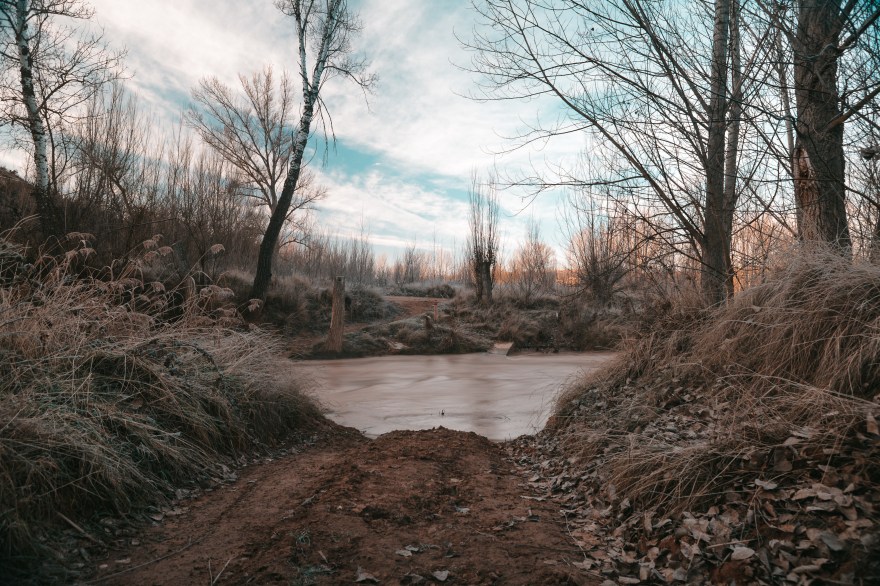
The British spent a rare and pleasant period leading up to Christmas out of the fighting. On Christmas Eve they received the news that the Republic had captured the town of Teruel. This astounding achievement was widely celebrated as a great victory. Soon enough the British were back on the move as trucks arrived on New Year’s Eve to take them to the frontline at Teruel in preparation for the inevitable Nationalist counter-attack.
On 17 January, in freezing cold blizzard-like conditions, whilst dangerously inadequately clothed and with poor shelter, the entire brigade came under intense bombardment. The aerial and artillery bombing was of such ferocity that one of the battalions in the brigade was forced to leave the line. This left the flank of the Canadian Mackenzie-Papineau Battalion (‘Mac-Paps’) now unprotected.
On 20 January, the British were sent down into the valley behind their positions to cross the Alfambra River in order to cover the Canadian flank. While the battalion was crossing the river, Frank Zamora of Abercraf was killed. He was a translator in the battalion and was the third and final of the men from the Spanish community of Abercraf to die during the war. After withstanding another bombardment the next day, the battalion managed to repel oncoming Nationalist troops through effective use of the machine guns that had also served them so well at Jarama. The position was held but at a cost of 21 lives from the battalion.
On 16 February, mounting Nationalist pressure on Teruel led to the British involvement in a diversionary attack 70km north of the town. Tom Glyn Evans of Kenfig Hill was now leading No.1 Company, now known as the Major Attlee Company since the visit to the battalion by Clement Attlee before the Battle of Brunete. Despite not achieving their objectives, due to being outmatched by the resources of the Nationalists, Evans continued to prove himself to be an exemplary soldier while leading his company during the action on that day.
Despite the efforts and sacrifices of the 15th International Brigade, Teruel would fall back into the hands of Nationalists far too soon after the celebrated victory on Christmas Eve. The Battle of Teruel was costly for both sides and fought in horribly cruel conditions with many casualties coming as a result of the freezing cold temperatures.
Following Teruel, the battalion would go into reserve. It is around this time that Alwyn Skinner of Neath, surivour of the sinking of the Ciudad de Barcelona, would write his last letter home. Although he seems to appear on records placing him in Barcelona in June ‘38, his involvement with the British Battalion seems to have ended shortly after Teruel. Whether he was killed or wounded is unclear, however, it is speculated that he may have been the victim of a political killing due to his ideology seeming to have become more aligned with the anarchists rather than communists.
At this time the No.1 Major Attlee Company would receive another Welsh leader in the form of Harry Dobson of Blaenclydach, who became the company political commissar. Dobson was well regarded amongst the men of the battalion as a good soldier with strong political convictions. He was an active trade unionist and a staunch anti-fascist, as demonstrated by imprisonment for his actions during the Battle of De Winton Fields in Tonypandy. On his arrival at the British base, he recounted his story of the sinking of the Ciudad de Barcelona to the other volunteers, leading to much sorrow amongst the battalion.
The Great Retreats and the Rout at Calaceite, 9-30 March 1938
The loss of Teruel would mark the beginning of a downward spiral in the course of the war as the Nationalists launched a massive offensive on 9 March directed at striking into Catalonia. The 15th International Brigade was sent to defend Belchite, which they had captured in September ‘37 and was now serving as the 15th International Brigade’s headquarters. While defending the town, the brigade found themselves completely overpowered before the order was finally given to retreat. 90 men from the British Battalion remained in the town to cover the brigade’s withdrawal, and were the very last to leave before the town was cut-off. Robert Penry Roberts, a slate miner from Caernarfon, was captured during the retreat from the town.
In what was an amazing display of strength and fortitude, Jim Brewer was almost single-handedly able to save one of the 45mm anti-tank guns by dragging it away from the battle, though the British Anti-Tank Battery was now completely finished as a unit. Luckily, he was picked up with the gun by a Republican vehicle as it returned from scouting the enemy’s movements. At the point of being picked up, he would have probably been one of the last Republican soldiers between the Nationalists and the Republic.
Over the course of the next seven days, the men of the 15 International Brigade would engage in an arduous fighting retreat under constant enemy fire and in harsh heat with no food, water or sleep. They narrowly escaped being surrounded on several occasions, repeatedly taking up a defensive position only to find that the town or village in their rear had fallen. Snaking their way through the arid landscape of Aragon avoiding Nationalist troops, they eventually reached a Republican stronghold in the town of Caspe, some 60km eastwards. At some point during the course of the retreat to Caspe, Gilbert Taylor, the manager of Collets bookshop in Cardiff, was killed.
What remained of the 15th International Brigade, and the 150 or so of the men of the British Battalion that had made it to Caspe, would soon come under threat of encirclement too; on 15 March they were forced to abandon the town. Harry Dobson, was captured with a small group that included the British Battalion Commander, Sam Wild. However, when the Nationalist soldiers lowered their guns to search through the group’s possessions, the men took the opportunity to pounce on their captors with Dobson overcoming one of them using a tin of bully beef in a sandbag.
What was initially an orderly withdrawal, would quickly fall apart at Caspe in the face of the oncoming Nationalists. Units would be formed by groups of soldiers from different battalions as the framework of the brigade melted into a mish-mash of troops. Those who were able to made for the Catalonian border and the relative safety of the village of Batea, 40km south-east. While small groups that had become lost or detached found their way to Batea, they were also rejoined by many of the less severely wounded or sick soldiers, as well as new volunteers. This brought the total number of the battalion to its highest number of 650 men. However, this short reprise was to be shattered on 31 March.
The battalion had been sent back westwards into Aragon to the town of Calaceite in order to support the defence against the onrushing Nationalist army. Disaster struck early in the morning when the battalion was ordered to move out. As the battalion marched around a curve in the road, they came face to face with an Italian tank unit, which was mistaken for an allied unit. The tanks opened fire and the Major Attlee No.1 Coy., which had been at the front of the march, was completely surrounded. Many from No.2 Machine-Gun Coy. and No.3 Coy. managed to get off the road into cover but came under attack from Nationalist troops appearing from nearby woods and strafing planes overhead. Some of those in the No.2 Machine-Gun Coy., which was bringing up the rear, managed to lay down some effective fire, neutralising a few tanks, but the incident was catastrophic to the battalion, with 150 men killed and a similar amount captured. It is probable that Dan Murphy, a young sailor from Ely in Cardiff, was killed during this time.
At the point of being overrun, those in the No.2 Machine-Gun Coy., such as, Sid James of Treherbert and Billy Griffiths of Llwynypia, retreated. Sid James was able to save one of the machine guns and was tasked with covering the retreat from the assembly point following the rout, which had been Billy Griffiths’ first experience of combat in the war.
At the assembly point, the order was given to scatter into smaller groups and to make for the River Ebro; the closest point of which was 30km away over mountainous terrain. One group of about 20 that included Morien Morgan of Ynysybwl was carrying Morgan Havard of Craig-Cefn-Parc, who had been badly wounded in the arm and leg. After a while of carrying his stretcher, the men realised that it was impossible to continue at night over the difficult terrain. Havard elected to be left next to a road under the shade of a tree with a packet of cigarettes. He was later picked up by Nationalist troops and imprisoned with the others captured during the rout. Havard was operated on before prison, resulting in the amputation of his arm. Morien Morgan was unfortunate enough to fall ill with tonsillitis during this time and became separated from his group. After having almost nothing to eat for a week he wandered into a Nationalists camp where he was arrested and sent to prison, where he would see Havard once again.
Harry Dobson was with a group that had strayed into the Nationalist lines. After a number of near escapes, the group managed to evade capture by hiding out in the house of a Republican sympathiser and then fighting their way through the Nationalist first line before swimming across the Ebro.
Amongst those who were captured as a result of the incident were at least 12 Welshmen:
Tom Adlam of Pentre
David Barrett of Blackwood
Ken Bevan of Gorseinon
Ivor Davies of Neath
Morgan Havard of Craig-Cefn-Parc
Len John of Cardiff
Jack Jones of Clydach Vale
Thomas Jones of Penygraig
Morien Morgan of Ynysybwl
Tom Picton of Treherbert
Robert Watts of Swansea
J.Widess of Cardiff
Cherta – Crossing the Ebro, early April 1938
“Yes, I can tell you… I shit myself… It was so frightening… What added to our fear was the fact that we knew that we were not trained soldiers.”
– Edwin Greening (IWM)
The first experience of battle for Tom Howell Jones of Trecynon and Edwin Greening from Aberaman was being beaten back by the Nationalists at Belchite before the 15th International Brigade went into retreat. Both men fought together through a number of skirmishes, managing to stay alive by following the instructions of experienced volunteers. They had avoided the rout at Calaceite, with a group of about 20 men under the charge of Lieutenant Morris Davies of Treharris, which had been sent the day before to a nearby town to watch for Nationalist movements. After hearing of the rout, the group made their way back to a Republican encampment at the town of Gandesa, where they joined a group of about 100 more soldiers.
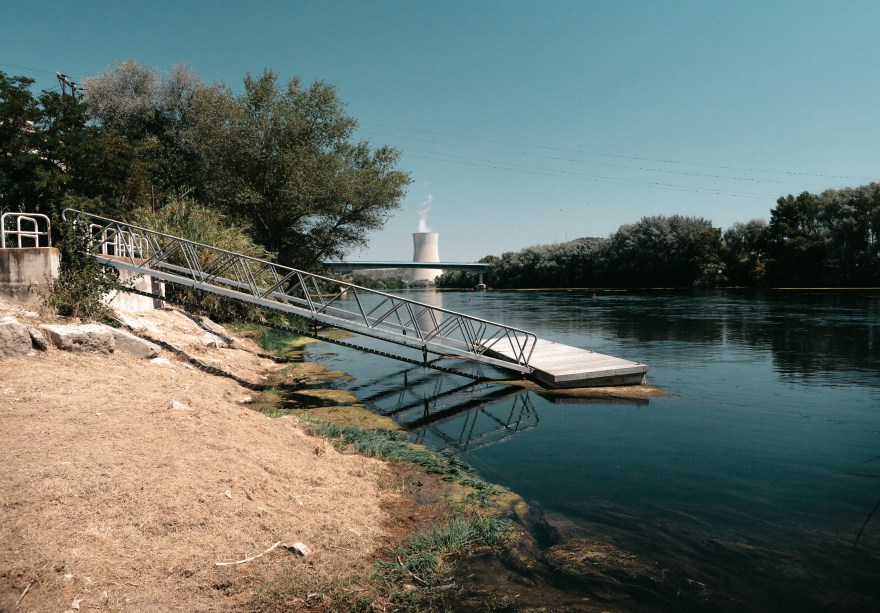
The next morning, this group was sent to engage the advancing Nationalists but was beaten back by tanks, which they were not equipped to repel. While in position, Greening’s party came into contact with another Welsh officer, Fred Morris of Meardy, who would become attached to their group. While holding up at a stone hut during the withdrawal, they would come across three Canadians, one of whom Greening recalls was the Welsh-Canadian expat, Baden Skinner from Tredegar. They then returned in the direction of Gandesa, but seeing that it was on fire, made their way south over the Sierra Pàndols mountain range towards the River Ebro. After coming under artillery fire, they found their way to an unused railway line and followed it until they emerged in a valley with a view of the Ebro. As they descended into the valley towards the Republican-held town of Cherta on the western bank of the Ebro they came under aerial bombardment but managed to escape unscathed. The group would cross the river by boat with John Oliver of Blackwood on 5 April. They then made their way to a bridge over the Ebro at Móra d’Ebre to join with the remnants of the British Battalion.
Following the rout at Calaceite, a group of around 200 soldiers of different nationalities had organised themselves into positions on a steep-sided ridge overlooking the road from Gandesa towards the crossing point at Cherta. From their ideal defensive positions and with the aid of a small Spanish tank, the motley group was able to delay the advancing Nationalists for an entire day before withdrawing under the cover of night. Lt Tom Glyn Evans would once again stand out during the action while directing the rifle fire on the Nationalist tanks. This group would also eventually find their way to Cherta where they would be some of the final men to make the crossing before the Móra d’Ebre bridge was blown up by the Republic to prevent the Nationalists crossing.
It took three weeks from the disaster of Calaceite and a journey of around 45 miles behind enemy lines for the majority of the 15th International Brigade to return to safety. The resistance by the volunteers allowed the Republican troops to regroup and to withdraw vital war material across the Ebro River.
Battle of the Ebro – Ebro Offensive, 25 July – 16 November 1938
Throughout April and much of May, the British remained on the eastern bank of the Ebro reinforcing the defences, as volunteers found their way back to the Battalion. Apart from being moved in preparation for an offensive that came to nothing in late May, the battalion saw little combat. On 28 May, the British Battalion was transported to a camp near the village of Marca that they named ‘Chabola Valley’. The Summer of ‘38 was a time for rest and recuperation for the men of the British Battalion. Many activities would take place in a bid to restore the morale of the men, which with the additional recruits had swollen to around 300 volunteers. During this period the British Battalion would go through a significant amount of training for a planned offensive over the Ebro. This bold attack by the Republic was seen as the final roll of the dice in a bid to turn the tide of the war.
On the night of 24–25 July, the British Battalion would cross by boat from the east bank of the Ebro to the village of Asco on the west. Edwin Greening had been selected for training as an infantry observer during which he became very familiar with the surrounding landscape. Due to his training, he was given the responsibility of leading the No.1 Major Attlee Coy. to the crossing point at the river’s edge. The chaos and disarray of the retreats were long forgotten; the crossing of the Ebro was a highly organised, sufficiently equipped and a well-coordinated operation by the Republic, involving 80,000 men over a 50-mile front — making it the largest Republican manoeuvre of the entire war.
The British Battalion met little resistance in the way of troops thanks to the Canadian Mac-Pap Battalion who had made the crossing first and cleared the way. However, the Nationalists were blindly firing artillery in their direction, which would cause trouble for the small boats overladen with men and equipment. Arriving on the western bank, spirits were high amongst the volunteers, thanks to the morale-boosting efforts of the battalion’s leaders following the despondency of the retreats. Many men felt that this would be the action that put an end to the war, though there were some who were more sceptical. By the afternoon the British Battalion had advanced 10km west to within reaching distance of the town of Corbera, where they had been stationed before the rout at Calaceite. The Battalion was brought in to support the 13th International Brigade in capturing the town by clearing a force of Moorish troops who were dug-in on a nearby hillside. After several hours of fighting, the battalion was successful and the Nationalists pulled back further west into Gandesa.
However, despite these initial successes, what the British Battalion would experience during the next ten weeks of fighting would be some of the most intense combat they would see through the whole of the war.
Battle of the Ebro – ‘The Pimple’, 26 July – 6 August 1938
On the second day of the offensive, the battalion continued its advance towards Gandesa; the town which many had retreated through after the disaster at Calaceite. The Nationalists were now responding in force to the surprise move by the Republic, bringing in more troops and aerial support. The battalion was tasked with attacking the strategically important position overlooking Gandesa just under a mile to the east called Hill 481, which they nicknamed ‘The Pimple’.
The next day, at dawn, the Battalion began advancing on Hill 481 over open ground with little cover. The Pimple was well fortified by the Nationalists, with concrete bunkers, well-placed machine-gun nests and barbed wire. To add to the dire situation, the battalion was also receiving fire from Gandesa itself. Over the course of seven days, the battalion made many attempts at taking the Pimple, coming within 60 feet of the crest during one attack. However, taking the position proved to be an impossible task, leading to the loss of many lives.
One of those killed was Harry Dobson, who was fatally wounded during one of the attacks. Alun Menai-Williams witnessed the incident as he, Dobson and Lt Morris Davies stood talking when both Dobson and Davies suddenly dropped to the floor. Judging Dobson to be dead by the severity of his wounds, Williams prioritised Davies, treating him before he was taken away by stretcher. In fact, Dobson was still alive, but the lack of stretchers meant that he lay dying on the battlefield for hours before he could be carried to an ambulance and taken to a hospital.
Alun Menai-Williams would have another first-hand encounter with the death of a Welshman during the attacks on Hill 481. As Williams was dragging the wounded Brazell Thomas of Llanelli to safety, Thomas was hit again and was killed. Williams then left Thomas’s body and moved to help Evan Jones, also of Llanelli, who was nearby and badly wounded in the arm. Thomas and Jones knew each other well and had worked together at the tinplate works in Llanelli. Evan Jones lost his arm as a result of his injury and was recommended for Bravery Award for his actions at Hill 481.
James Strangward from Onllwyn, who was one of the founding members of his local Spanish Aid Committee, was probably wounded while attacking Hill 481 and would later die on 17 August.
James Scott, a merchant seaman from Swansea who had jumped ship at Valencia to join the brigades also died attacking Hill 481.
James Watts of Swansea also appears to have been killed around this time; though the deaths of James Watts and James Scott, both from Swansea, seems to have caused some confusion as to exactly what took place in either deaths.
On 6 August, after 13 days of non-stop fighting the battalion was moved into reserve. Of the 558 in the British Battalion that had crossed the Ebro, only 150 remained.
Santa Llùcia Cave Hospital – La Bisbal de Falset
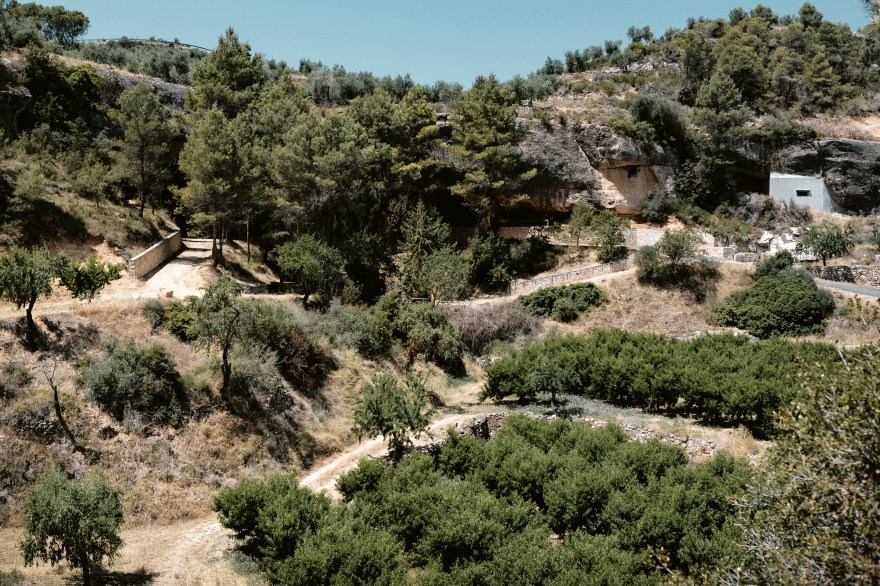
‘It was a fantastic night, as I sat by this dying comrade, passing along the high winding road on the side opposite the cave, hundreds of camions passed by with singing reserves and loads of material and ammunition on their way to the Ebro, whilst winding down the glen at the bottom, came the ambulances with the dead, dying and wounded men.’
– Leah Manning, Secretary of the Spanish Medical Aid Committee
Not all of those who volunteered to go to Spain would participate as soldiers. At the outbreak of the Spanish Civil War, a group of scientists, medical persons, politicians, and trade unionists formed the Spanish Medical Aid Committee for the purpose of collecting money for medical supplies to be sent to the Spanish Government forces. Their activities went one step further on 23 August when a team of doctors, nurses, ambulance drivers, and medical orderlies travelled to Spain as the British Medical Unit.
Thora Silverthorne of Abertillery was one of those to travel to Spain in late August 1936. Silverthorne had joined the Young Communist League at the time of the 1926 General Strike and became an active member of the Communist Party of Great Britain. She would be one of the nurses that were supporting the International Brigades during the campaign in Aragon. On her return to Britain, she would go on to form a trade union for British nurses.
Another medical volunteer who had come from Wales was Alex Tudor Hart, who was a doctor in the Rhondda Valley. At the outbreak of the Spanish Civil War, Dr Hart decided that he had to contribute to the fight against fascism. In December 1936 he joined the British Medical Aid Unit and was appointed the rank of Major. His surgical experience greatly improved the ability of the unit as he helped to save hundreds of lives, as well as thousands of limbs of wounded men.
Another nurse to have volunteered was Margaret Powell from Llangenny near Crickhowell, who arrived in Spain in early ‘37. She was a front-line nurse in Aragon during the battles of the winter of ‘37-38 when the wounded often froze to death before they could receive medical attention. Later during the war, she was transferred to Barcelona, where she worked in several hospitals, as the Nationalists closed in on the Catalonian capital. In February ‘39, Powell would be the last British nurse to leave Spain as she fled from the Nationalists entering Barcelona. After losing her passport in the chaos of the retreat into France she was imprisoned in Argeles-sur-Mer, where 70,000 refugees lived on sand dunes with no shelter and in appalling conditions. She was eventually rescued after more than three weeks by a team of Quakers who’d been alerted to her being there. Powell was regarded as one of the most outstanding nurses who went to Spain and was later created a Dame of the Order of loyalty to the Spanish Republic for her services.
Shortly before the Ebro Offensive, a large cave 17km east from the crossing point at Asco had been fitted out with over 80 beds and an operating theatre to be used as a field hospital during the operation. It was here where Harry Dobson would be taken after being wounded at Hill 481. In an effort to save his life, he underwent a surgical operation to remove his spleen and was given blood transfusions — a new technique for the time, but his wounds were too severe and he was given only a few hours to live. Coincidently, the Secretary of the Spanish Medical Aid Committee and British politician, Leah Manning, was present at the hospital when Dobson was brought in and recognised him from a by-election in South Wales. She sat with him, holding his hand and comforting him, but after 15 hours, Harry Dobson died from his wounds.
Hill 666 – Sierra Pàndols, 15-25 August 1938
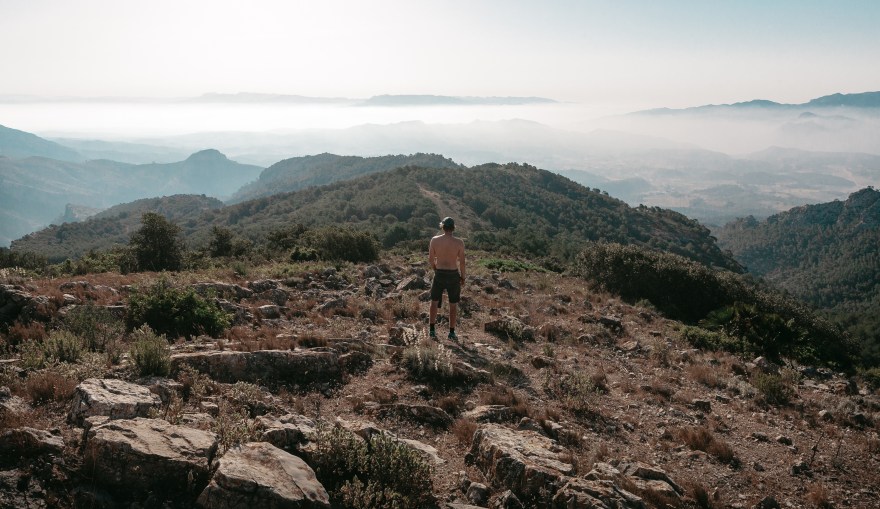
We were all filthy, unshaven — everywhere the smell of urine, excreta, of dead men, dead mules and all the rest of it. It was hell upon earth… Dante didn’t have to invent it — that was it.
– Edwin Greening (IWM)
For a short period, the battalion was moved into reserve, but their positions were continually bombed by the Nationalists. Now, following the terrible losses at Hill 481 and the lack of progress in the offensive, the realisation of defeat was dawning on the men of the battalion. But there was little time to dwell on this; on 11 August the Nationalists launched a counter-attack around the Sierra Pàndols mountains close to Gandesa and the battalion was once again to be in the thick of it. The 15 International Brigade was called in to defend the position Hill 666; a bare and rocky ridge that offered little cover for the volunteers.
After non-stop bombardments for days on end in savage heat, the carnage and stench on the on Hill 666 was an image of hell on earth. But the Nationalists were not about to let up; and on 24 August, they launched another relentless attack on the battalion. Edwin Greening was taking cover in a small stone crevice when he heard the call that his good friend, Tom Howell Jones had been hit. The two men from the Aberdare area had met at Albacete, participating in all of the same battles; coming out of the retreat through Aragon together. Greening risked his safety by dashing over to where Jones was, but there was little he could do except be present as his friend died in his arms. Unable to do anything until there was a lull in the firing, Greening had to wait until the next day to recover his friend’s body. With no soil to dig, together with Alun Menai-Williams and Lance Rogers of Merthyr Tydfil, they placed his body in a small crevice and covered it with stones, leaving him there to rest. The next night the British were taken out of their position on Hill 666.
Another man from Greening’s town of Aberaman, William Durston, is listed as being killed on 25 August, however, his death is another mystery of the British Battalion, as the circumstances are unknown.
Last stand of the British Battalion, 8-23 September 1938
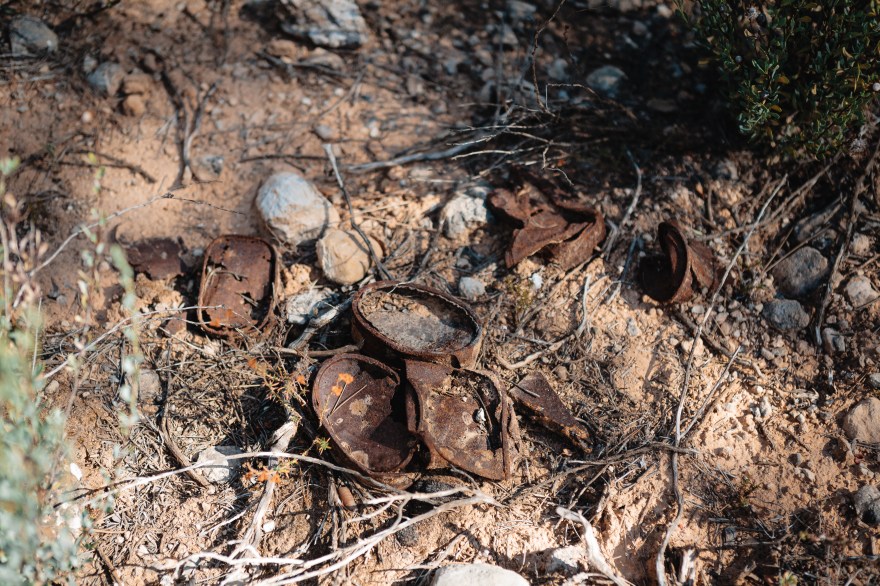
All that is solid melts into air, all that is holy is profaned, and man is at last compelled to face with sober senses his real conditions of life, and his relations with his kind.
– Karl Marx
While in reserve, Sid James was involved in an altercation with Billy Griffiths (who was now in the role of political commissar) after Griffiths denied James permission to go on leave. James and Griffiths had known each other well, as Griffiths had recruited James to go to Spain and they had served together in the No.2 Machine-Gun Coy. where they had managed to escape the disaster at Calaceite.
Griffiths was something of a polarising figure amongst volunteers and was painted by some as something of a zealot when it came to towing the Communist Party line. He was often unscrupulous in his approach, such as his involvement in the accusations against Edwin Greening of desertion during the Aragon Retreats.
The battalion’s respite was short-lived, as on 8 September they were flung back into the fighting to recapture the position of Hill 356 near the village of Sandesco, which no longer appears on any maps, possibly due to the town being abandoned or destroyed during the war. On this day, Sid James was mortally wounded in the stomach when his ammunition cartridge was struck, causing it to explode. Only a few days prior, he had been recommended for a promotion and was considered to be a good soldier.
Despite the odds being stacked against them, the battalion successfully managed to capture the hill and hold it for a week in the face of a further unrelenting bombardment. The battalion was then once again pulled out of the frontline.
In a desperate effort to gain the support of the French and British governments, on 21 September the mandatory repatriation of all international volunteers was announced by the Spanish Prime Minister to the League of Nations. However, that night the men were lined up and asked to return to the frontline for 48 hours to buy time for more troops to be brought to the front. There is debate around whether the volunteers had been informed of the decision to be sent home, but there almost certainly would have been some word of this that reached them. Aware or not, not one man of the British Battalion elected not to return to the front line.
On 23 September, the battalion set out on its last action of the Spanish Civil War. After three days dug-in in their positions, they were subjected to hours of heavy artillery bombardment and intense enfilading, with No.1 Major Attlee Coy. taking the brunt of the firing. The battalion held their positions for as long as possible, but eventually, they were completely overrun. The battalion was withdrawn in the evening but it was too late for the 200 volunteers that had been killed, wounded or went missing over the battalion’s last three days of action.
Edwin Greening had been in a forward position observing Nationalist movements during the last action when he became cut-off from the rest of the battalion. After several days and nights managing to evade Nationalist troops, tanks and artillery fire, he was eventually able to make his way back to the Ebro to rejoin the remnants of the battalion. Possibly the last Welshman to die in combat during the war was the Welsh-Canadian expat, Baden Skinner, who Greening had come across during the retreats. He died on 23 September on the last action of the Canadian Mac-Pap Battalion.
Tom Jones of Rhosllanerchrugog, AKA ‘Twm Sbaen’, had become attached to a heavy machine-gun unit following the destruction of the British Anti-Tank Battery. During the last stand, his unit fired on the enemy until they had run out of ammunition. Their position became surrounded and when the unit attempted to surrender they were shot at and had grenades thrown into their trenches. Jones was shot three times and hit by a grenade but somehow survived and was later captured then imprisoned.
The failed Ebro offensive had claimed many Welsh lives. One of those to have died during the last action was Alec Cummings, who had been an effective leader at Jarama and promoted to commander of the No.1 Coy at Brunete where he was wounded. The exact circumstances of his death are, again, unknown.
The final estimate of the last action of the British Battalion was 23 killed and 150 wounded, including 19 wounded Welshmen. The battalion was withdrawn eventually to the town of Ripoll at the foot of the Pyrenees where they would spend the majority of the rest of their time in Spain in the month leading up to their repatriation back to the UK in early December ‘38.
Farewell Parade – Barcelona, 28 October 1938
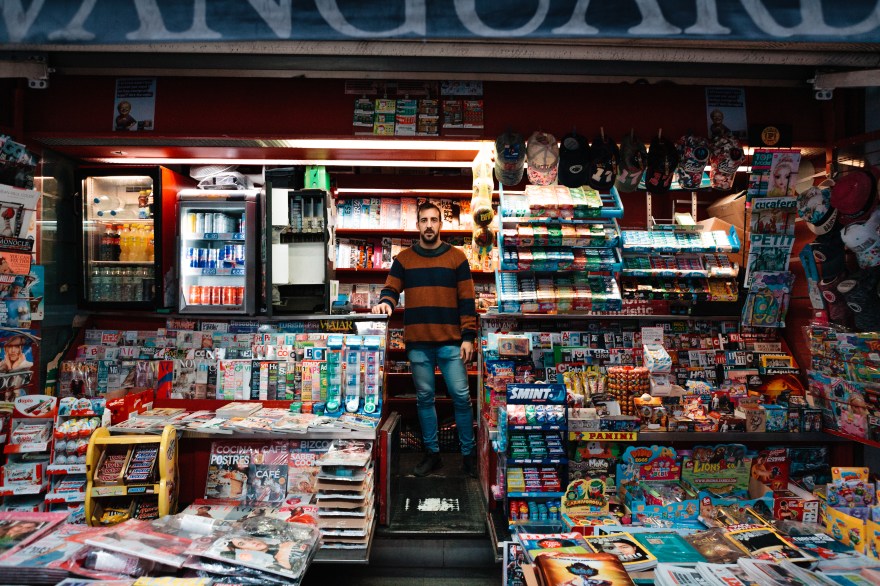
Comrades of the International Brigades: Political reasons, reasons of state, the welfare of that very cause for which you offered your blood with boundless generosity, are sending you back, some to your own countries and others to forced exile. You can go proudly. You are history. You are legend. You are the heroic example of democracy’s solidarity and universality in the face of the vile and accommodating spirit of those who interpret democratic principles with their eyes on hoards of wealth or corporate shares which they want to safeguard from all risk.
– La Pasionaria (speech at the farewell parade)
At the end of October, the battalion, along with all of the international volunteers, were transported to Barcelona for a large parade that had been organised to thank them. The Republic deployed the majority of its meagre force of fighter aircraft during the parade to protect the skies above the parade.
The 305 remaining men of the British Battalion were given the right of the line in the procession and two Welshmen, Jim Brewer and Alun Menai-Williams were given the honour of being the standard-bearers for the battalion, which had been beautifully embroidered with the battle honours; only the presidential guard and the marching band were ahead of them.
As they marched through the streets, thousands of men, women, and children, many of whom had fled into Barcelona for safety, lined the streets throwing roses at the volunteers’ feet and ran up to hug and kiss them. Some volunteers recount the feelings of both pride and shame; for performing their duty but now abandoning the Spanish people to the perils of fascism.
The parade ended at Placa de Francesc Macia where the volunteers were addressed by the President and Prime Minister of Spain. They were also addressed by famous communist politician, Dolores Ibárruri otherwise known as ‘La Pasionaria’, who made her famous speech to the volunteers.
The 305 members of the British Battalion, including 26 Welshmen, that remained after the Battle of the Ebro did not leave from Spain until 6 December 1938. They boarded an old freight train at Ripoll and were taken to the French border, crossing the frontier on foot. After a short stop in Paris, they were hastily moved on to Dieppe for the boat back to Britain. They were greeted by a huge crowd at Victoria Station, as well as by MP Clement Attlee and other political dignitaries and trade union leaders before marching on Parliament to deliver a petition to aid the Spanish Republic at No.10 Downing St.
On arrival in Cardiff, the Welsh volunteers went for dinner in the Royal Hotel, St Mary Street hosted by The South Wales Miners’ Federation. 20 volunteers were then given an honorary tour of Rhondda Fawr before a hot meal was served at the Co-Operative Hall in Tonypandy, followed by a public meeting at the Judges Hall, Trealaw.
San Pedro de Cardeña Prison Camp
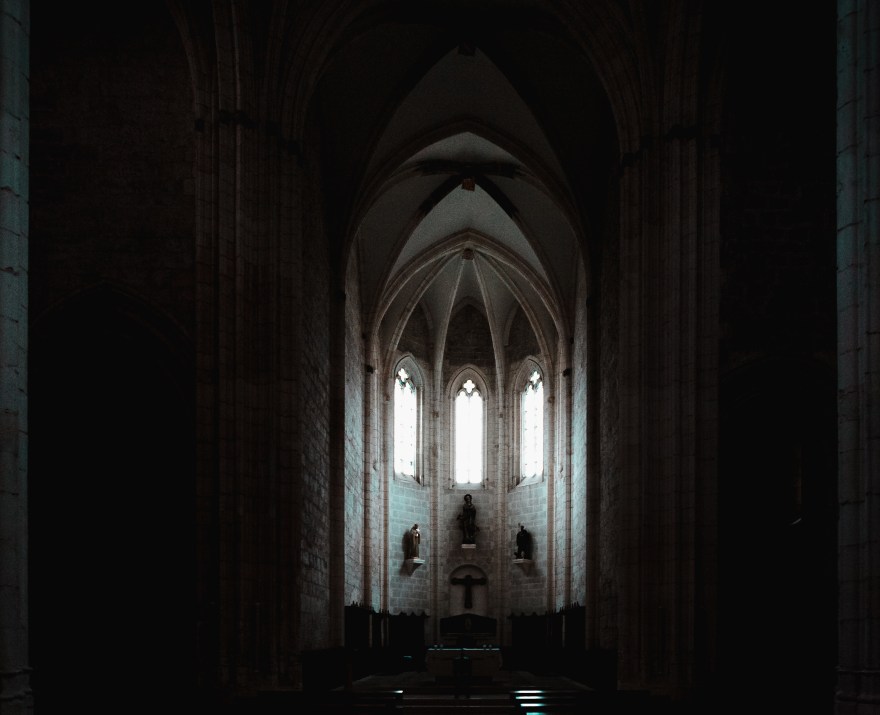
For some volunteers, the journey home would not be one of fanfare. Those captured on the second day at Jarama, at the rout at Calaceite, during the Aragon Retreats and the last action of the British Battalion, would endure a degrading and horrible experience of incarceration. The majority of those captured would be imprisoned in the repurposed 17th-century monastery of San Pedro de Cardeña, eight miles southeast of Burgos in the north of Spain.
Volunteers who were imprisoned at San Pedro describe appalling conditions. After months or years in the sweltering heat, the cold of the north on a high plateau greatly affected the volunteers. The building had no coverings over the windows and the prisoners were poorly clothed. With only one water tap and one toilet between hundreds, if not thousands, of prisoners maintaining good hygiene and sanitation was an impossibility. With little means to wash, prisoners became riddled with lice. Picking lice off themselves or off their fellow inmates became a habitual activity. They describe a constant hunger due to being given little to eat and what they were given had little nutrition. The bites from the lice would become infected as their health gradually degraded. The beating of prisoners was also commonplace and for anything more than a minor infringement of the rules prisoners would disappear, never to be seen again.
Tom Picton, the 52-year old bare-knuckle fighter, who Jack ‘Russia’ nicknamed ‘The Mad Taff’ was one of those who would be executed unceremoniously while imprisoned. Picton had been captured at Calaceite and was a prisoner in Deusto prison in Bilbao. Not one to cower in the face of authority, he was shot for protesting at the brutal treatment of a fellow prisoner.
Despite the squalid conditions, the spirit of solidarity and determination was alive and well amongst the inmates. In order to avoid the daily drudgery, chess became a major pastime of many of the men, who fashioned chess pieces from whatever materials they could find. A secret committee was also established by Communist Party members for purposes such as delegating duties or settling disputes and other such matters. The secretary of the British committee was Welshman, Jack Jones of Blaenclydach. A handwritten newspaper, ‘The San Pedro Jaily News’, would also be produced and circulated around the men with entertaining articles and other useful information, as well as keeping the men up to date on the latest affairs in the prison. In order to maintain their sanity, they began to hold teaching classes such as languages, sciences, mathematics, economics, etc… that were taught by the many university graduates amongst the volunteers.
In mid-October ‘38, 40 volunteers were released, but it took until between February and April 1939 for all of the men to be freed as part of a prisoner exchange scheme, with 22 Welshmen part of the group released at that time.
Morien Morgan, who had wandered into a Nationalists camp after days without food following Calaceite, recalls how on his arrival at San Pedro he was not able to recognise many of his friends from the battalion due to their sickly and emaciated appearance. He was imprisoned for a period of six months and was one of those released in February ’39. On his return to Wales, he was greeted enthusiastically by a large crowd at Mountain Ash Workman’s Hall.
However, one Welsh brigader would have to endure the Nationalist prisons for another year before being released. Tom Jones AKA ‘Twm Sbaen’, who had been captured on the last day of action, was believed to be dead by the Spanish Republic and a death certificate was issued to his family; a situation that was unfortunately commonplace for imprisoned volunteers.
After a period in hospital Jones was taken to San Pedro, but seemed to have been targeted for some reason by his Nationalist jailers. On 2 January ‘39, he was taken for trial, and under accusations of killing Spanish soldiers he was given the death sentence. He was saved by luckily managing to get a letter sent home notifying his family that he was alive. They began to campaign for his release through the British embassy in Spain, which reached the British parliament. However, Jones would not be released until 20 March ‘40 when a ransom of some two million pounds had been paid to the Nationalist government and he finally made it back to London on 2 April ‘40. From that point onwards Tom Jones would become known as ‘Twm Sbaen’ and would go on to have a successful career as a trade unionist.
For many of the Welshmen in the British Battalion, their lives would be forever marked by their experiences in Spain, with many continuing their fight against fascism in World War Two. The majority would be welcomed back to their Welsh communities, with events and parties being held in their honour. However, many would be viewed with suspicion by potential employers and certain corners of society for their activities in the Spanish Civil War.
Many of the volunteers, such as Tommy Adlam of Pentre, who had been released from San Pedro in February ’39, upon arrival back home, marched straight to the dole office to sign back on. Upon his arrival at the dole office, Adlam would kindly inform his dole officer that he believed that he was due some back payments.
Glyn Owen
 Glyn Owen
Salud and thank you for your work.
LikeLike
Rest In Power comrades. RIP.
LikeLike
A wonderful account, Glyn. Salud Camarad!
LikeLike
I’m most impressed by how thorough you have been in matching photos to text, and researching the exact circumstances of a Brigader’s death or wounding by searching through volunteers’ published and unpublished accounts.
LikeLike
An electrifying account and great research needs book/film to follow such brave men have their all for the cause
LikeLike
beautiful work, Glyn dog. Excellent concept
LikeLike
Learnt so many new things that I had never been told about by my father Tom Adlam.Thanks so much for your well written comprehensive account of events.
LikeLike
Wonderful account. The bottom line is that those men were heroes, but the first-hand accounts reveal a tale of unremitting horror and not much glory. My query is concerning the first paras about the BUF in Tonypandy. You seem to imply that there were thousands there to hear them, as well as the thousands there to oppose them. From a previous post, you seemed to say that the BUF were only a handful, who spoke from their van – protected by police – and were routed in quick fashion.
LikeLike
Just found and read your fantastic account. My late mother was a first cousin to James (Jim Brewer) Thank you for sharing.
LikeLike